

Meet Navi: Your 24/7 AI Instructor Inside the MLS Classroom
Unlock 24/7 access to Navi, an AI instructor trained on MLS course material, so you can ask questions, run practice quizzes, and nail your captain’s exam.


One of my favorite students has been Captain Roy, a then-93-year-old from Naples, Florida.
Roy was the kind of guy you couldn’t help but like. He’d walk the beaches playing his guitar, gathering a crowd who’d sing along while collecting seashells.
When Roy called me about getting his Six-Pack license, he was concerned about his age. The oldest student I’d worked with was 82. “Well… I’m actually 93,” he told me.
As Roy began the process, we helped him answer questions about upper age limits and Six-Pack captain’s license requirements. And, in his 94th year on Earth, he had his U.S. Coast Guard-issued credentials.
His first follow-up question: “What will it take for me to renew my license?”
Roy’s story illustrates that, when it comes to a captain’s license, age is just a number.
So, is there an upper age limit for a captain’s license? No.
Unlike a commercial pilot’s license, where you have to retire at 65, there’s no upper age limit for a captain’s license. The Coast Guard is far more interested in your health and fitness than your age.
I’ve seen people in their 50s disappointed because of medical disqualifiers, and folks in their 80s and 90s — like Captain Roy — pass with flying colors. It all comes down to your ability to safely operate a vessel and care for your passengers.

While age isn’t a factor, health absolutely is. Operating as a captain means lives are in your hands, and any medical issue that could put those lives at risk is a real concern.
Regardless of age, to meet the Six-Pack license requirements, you’ll need to pass a physical and a drug test. Besides that, the Coast Guard focuses on a few main areas in screening for potential captain’s license medical disqualifiers:
Heart disease isn’t an immediate disqualifier for a captain’s license, but it is a concern.
If you’ve had bypass surgery or a stent put in, for example, the Coast Guard may want to see you go 18 months without needing further procedures. They may also require a stress test and a letter from your cardiologist saying you’re cleared to move forward.
Type 1 or Type 2 diabetes isn’t a disqualifier by itself, but the Coast Guard needs to know your A1C level. As long as it’s below 8 and you’re managing your condition under a doctor’s care, you can still earn your license. Their primary concern is preventing emergencies, like a captain going into insulin shock while responsible for lives on the water.
The Coast Guard wants even-keeled captains who can stay calm during a crisis. Significant psychiatric issues could qualify as medical disqualifiers if they impact your ability to safely operate a vessel in stressful situations.
This one catches many people by surprise: If you have sleep apnea, you may need to complete a sleep study and/or show that it’s under control and won’t interfere with your ability to function safely on board.
This is a big one, and the current discrepancies between state and federal laws regarding marijuana use can make it a confusing one, too.
Even if marijuana is legal in your state, a Six-Pack license is issued federally. And federal law still prohibits marijuana use, even medicinally. Recently, we had a student fail the drug test for his application after having “just one gummy,” and now he has to wait a whole year before he can try again.
Beyond marijuana, the Coast Guard is concerned with evidence of habitual drug use that may impair a captain’s ability to conduct safe operations.
A few additional factors are key when it comes to meeting the Coast Guard’s Six-Pack license requirements, some of which can be of particular concern to older boaters.
The Coast Guard requires applicants to demonstrate adequate visual acuity for the demands of operating a commercial vessel.
For the near-sighted or similarly impaired among us, you’ll be relieved to hear that vision correction with glasses or contacts isn’t a disqualifier. You may simply be required to carry backup lenses onboard.
Color blindness isn’t necessarily a deal-breaker either, though you might be restricted to only operating commercially at night (a restriction that wouldn’t apply to your recreational activities).
Again, some hearing impairment isn’t necessarily a medical disqualifier, and hearing aids are allowed. The key is being able to correctly identify crucial sounds and dangers on and around your vessel.
You’ll have to meet some basic physical standards to meet Six-Pack license requirements, like lifting a certain amount of weight. Most people find these requirements doable for a reasonably healthy adult, even at a more advanced age.
The Coast Guard doesn’t expect everyone to be a 20-year-old athlete — they just want you in decent, functional shape.
Here’s a piece of advice I wish everyone knew: If you already have your Six-Pack license but are older or develop a medical issue, do not let your license expire. Instead, you can place your captain’s license into what the Coast Guard calls “continuity.”
“Continuity” means you keep your license, but you can’t use it professionally. Then, if your health improves, you can reactivate without starting all over again.
I’ve done this myself. Years ago, I faced some back issues that required medications the Coast Guard couldn’t approve for a working captain. Instead of giving up my license, I put it into continuity. Once my issues resolved and I was cleared, I reactivated it without missing a beat.
Even if you’re older and don’t plan to use your license in the future, things change. Since there’s no upper age limit on captain’s licenses, putting yours into continuity means you can always come back to it if your situation changes.
You worked hard for that license. It’s an honorable achievement and milestone. Don’t let it disappear unnecessarily.
If you’re thinking about getting or renewing your captain’s license later in life, my advice is simple: What are you waiting for?
If you’re healthy, your age won’t hold you back. Discipline, determination, and desire don’t expire, and they matter a lot more than the date on your birth certificate.
Yes, there are some medical disqualifiers to be aware of, but there’s no age limit on captain’s licenses! And in many cases, medical conditions are manageable with the right care and documentation.
Whether you’re aiming for your first Six-Pack license or keeping an existing one alive, remember that age is just a number out on the water. As long as you’re reasonably healthy, you can earn or maintain your captain’s license at any stage of life.

Ask a question, share an experience, or add a helpful tip related to this article. Comments may appear after review to prevent spam.
Unlock 24/7 access to Navi, an AI instructor trained on MLS course material, so you can ask questions, run practice quizzes, and nail your captain’s exam.


Learn what questions to ask and how to prepare for a captain’s license drug test to ensure you avoid the most common application delays.
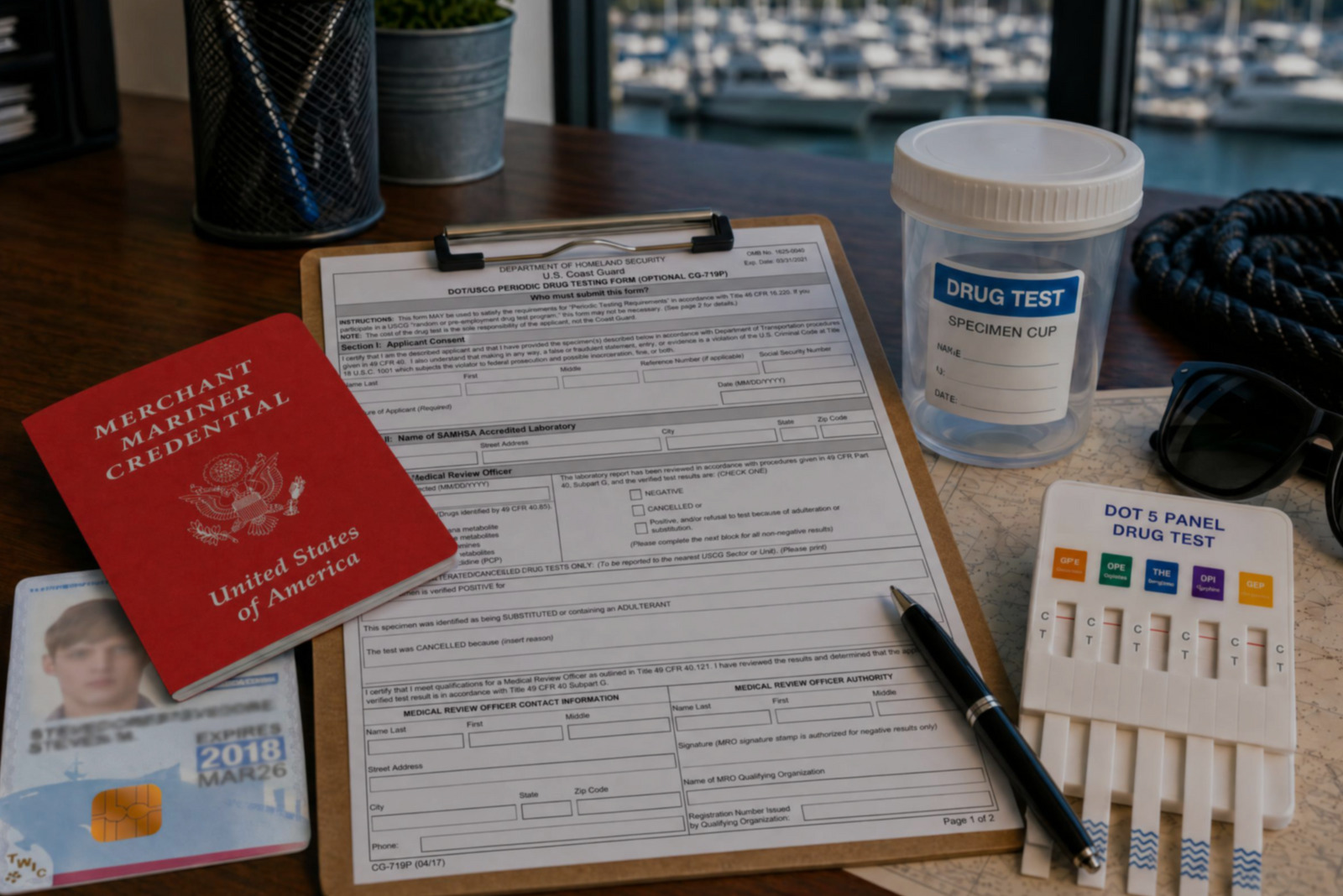

Discover the three types of drug tests working captains must submit to even after they’ve met the initial USCG drug testing requirements for their license.
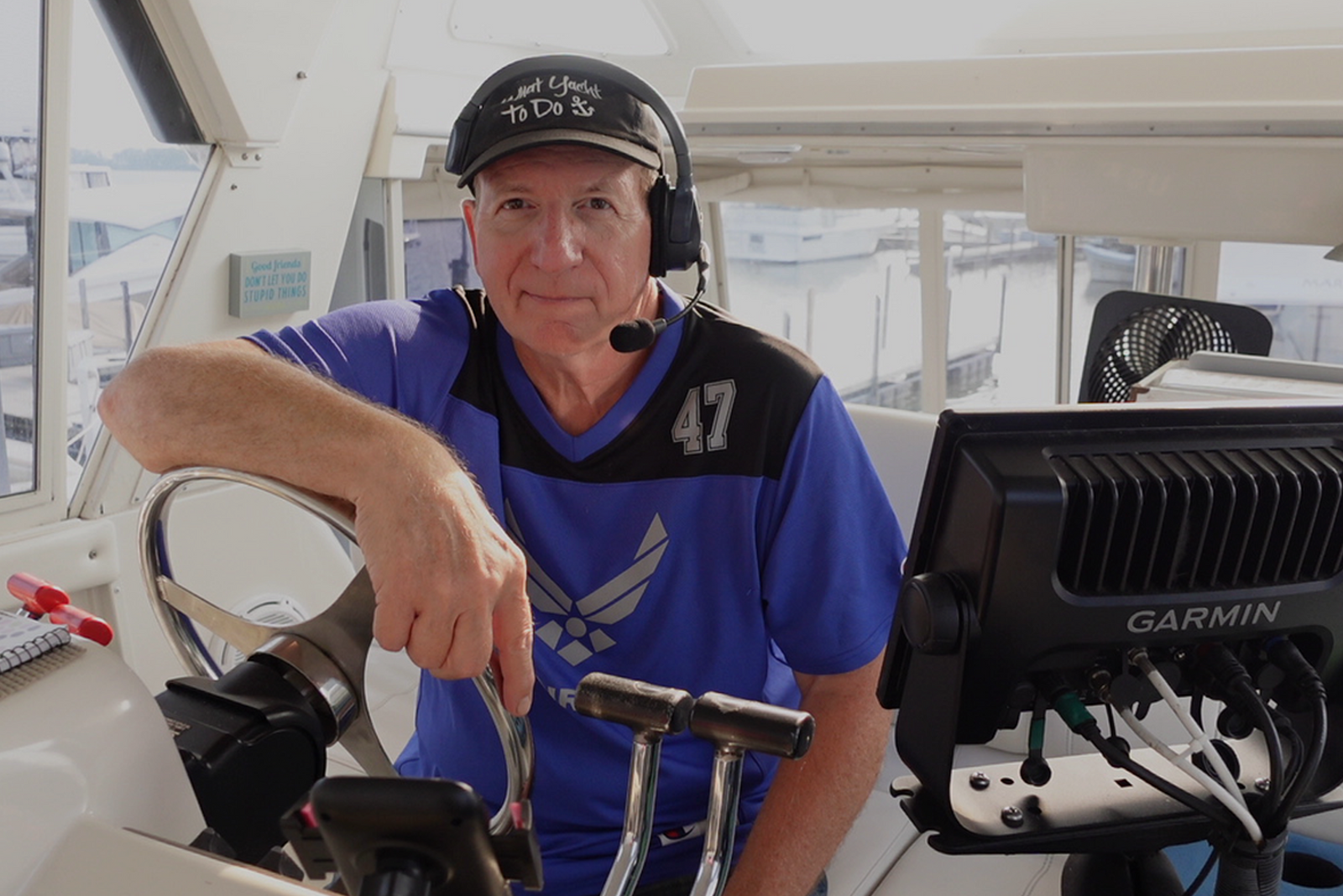

Discover how a retired airline pilot became obsessed with the Great Loop and built a thriving captain training business through Mariners Learning System.


Learn which substances the MMC drug test looks for, plus how masking agents and false positives factor in.


Discover the five most common mistakes mariners make on the captain’s license physical, plus a checklist for how to avoid them.
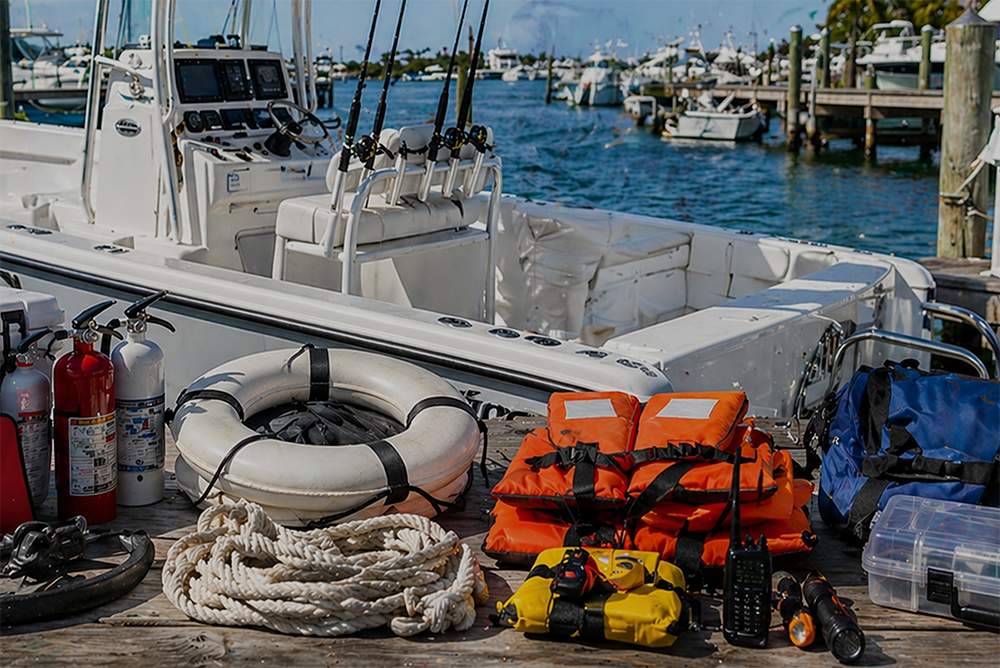

Discover why so many charter captains run out of money and how to plan every startup cost from your vessel purchase to guest-ready outfitting.


Learn how to build a charter business plan that covers pricing, expenses, and marketing so your captain’s license leads to lasting profit.


Transform how you talk about price with proven anchoring strategies and value-first framing that stops charter guests from shopping around.


Discover how charter captains use hybrid pricing models and seasonal adjustments to increase revenue and simplify bookings for every guest type.