

Meet Navi: Your 24/7 AI Instructor Inside the MLS Classroom
Unlock 24/7 access to Navi, an AI instructor trained on MLS course material, so you can ask questions, run practice quizzes, and nail your captain’s exam.
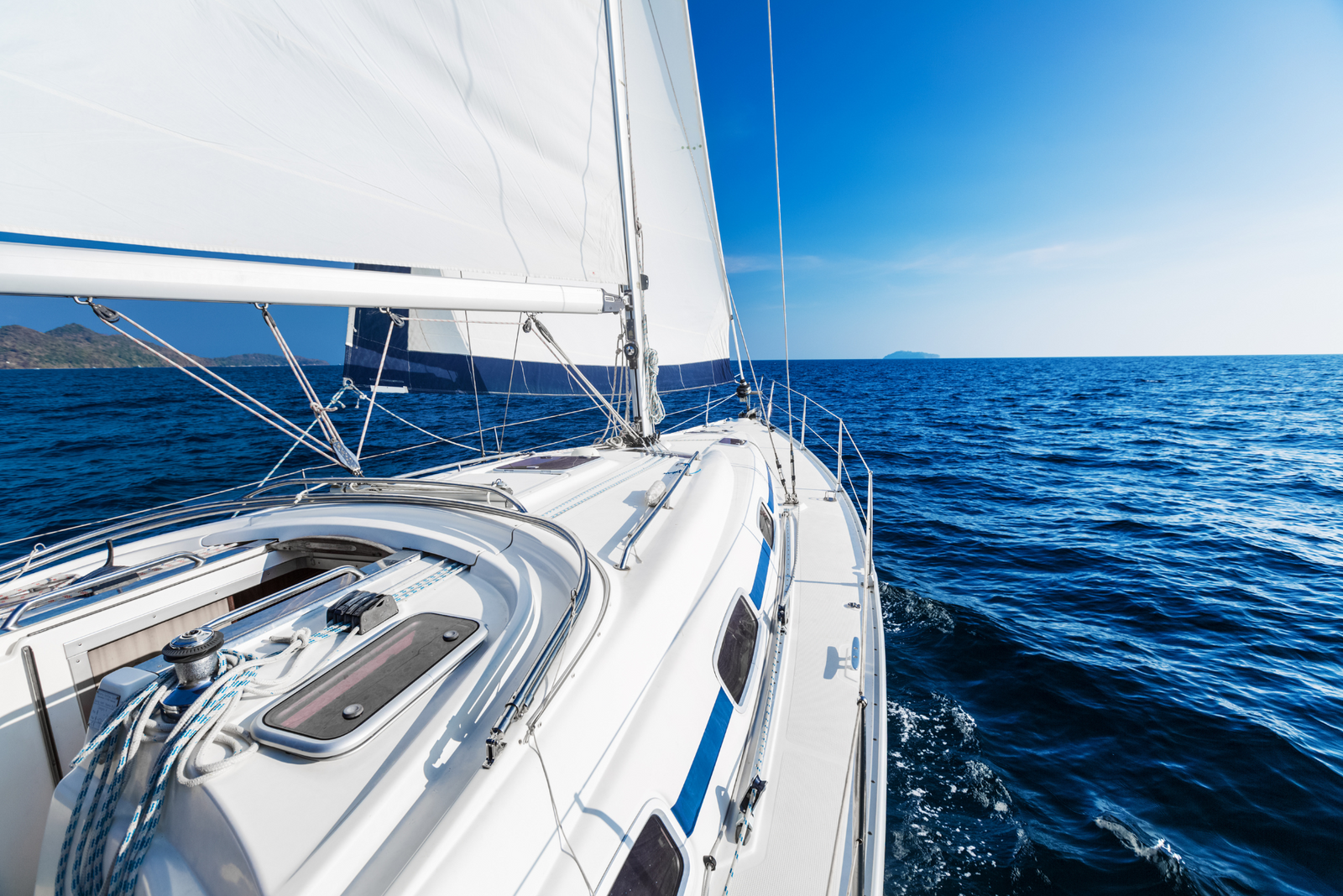

Do you need a license to sail a boat?
The short answer is: in most cases, yes. You’re not always required to have a license to sail a boat, but it pays to have one (especially if you plan to get paid).
Perhaps the more important question is this: What type of license do you need to sail a boat? Depending on your state, you might need a safe boating certificate, a boating license, or both to operate a sailboat. This typically requires a simple safety course and a small fee.
If your sailboat has no auxiliary power or has an engine with less than 15 horsepower, then certain states don’t require a license for recreational use at all.
However, if you want to use your sailboat commercially, you’ll need a captain’s license.
That brings us to the next question: Which captain’s license do you need to sail a boat?
There are two levels of captain’s licenses, each with its own uses and requirements. The license you choose to pursue will depend on what you want to accomplish with it.
An OUPV/6-Pack captain’s license allows you to bring up to six paying passengers aboard your sailboat. It covers uninspected boats up to 100 gross tons. The U.S. Coast Guard requires this license for any commercial boating operation.
The main requirement for this type of captain’s license is 360 days of boating experience. And typically, the Coast Guard is looking for experience that matches the type of license you’re applying for.
Because the OUPV/6-Pack covers both sailboats and powerboats, you can’t get your license with unpowered sailing alone. Some of your time must be spent on a boat with auxiliary power — even if you plan to use your license strictly for sailing. Experience on a boat without an engine can only comprise 20% of your documented time.
A master-level license still restricts you to six paying passengers on uninspected vessels, but you may be able to take more paying passengers on an inspected vessel. Depending on the Certificate of Inspection (COI) aboard that specific inspected vessel, you may be able to take more paying passengers.
A master-level license also allows you to sail commercial and inspected vessels. (For the latter, you must get a Sailing Endorsement attached to the Masters. A Sailing Endorsement cannot be attached to an OUPV.)
The Coast Guard will examine your boating experience and issue either the 25-ton (entry level), 50, or 100-ton. This tonnage states how large of an inspected vessel you can operate.
As with a 6-Pack, you need 360 days of boating experience to get a Master’s Inland license. If you plan to use your license for an inspected sailboat, then 180 days of that experience must be on a sailboat. Those hours will contribute toward a Sailing Endorsement, which is also required.
For a Master’s Near Coastal license — which allows you to go up to 100 miles offshore for uninspected vessels and 200 miles offshore for inspected vessels — you need 720 days of experience on the water. Once again, to operate a sailboat with this license, half of your experience (360 days) needs to be on a sailboat.

Both types of captain’s licenses also require:
While the Coast Guard offers its own exam, it pulls from more than a 10,000-question database, and not all of those questions relate to earning a captain’s license.
At Mariners Learning System, we’ve focused our course and exam on helping you understand what you really need to know to become a safer, better sailboat captain. Instead of having you memorize dry, unimportant facts, we guide you through relevant material at a deeper level so you truly develop the sailing expertise you want.
You can take your time studying the material at your own pace over the course of a year. Then, you can take our Coast Guard-approved exam as many times as you need in order to pass and earn your captain’s license.
With a captain’s license, you can turn your sailing passion into profit. For example, with a 6-Pack license, you can offer intimate sailing charters and sunset cruises for up to six passengers. You can even become a sailing instructor.
A master-level license opens up even more opportunity. With the ability to welcome more passengers aboard your sailboat, boat tours quickly become more profitable.
If you’re still on the fence about which license to get, I always recommend getting the highest level you can qualify for. Why? So that you can take every opportunity that comes your way.
Back when I was planning to get my license, a friend asked why I was only going for a 6-Pack. I said that I was really just interested in the education, not in using it commercially. My friend claimed I’d regret it if I didn’t aim higher. It made sense, so I went for the master-level license.
Just three weeks after I got my license, I ran into a couple who had just bought a boat down in Florida. They wanted it brought up to Maryland and then to the Caribbean. A week later, I was on that boat! While the Coast Guard didn’t require a master license for this type of job, my insurance company did. If I hadn’t gotten the highest level license I could, then I wouldn’t have had the opportunity to take that job.
That experience made a big impression on me. I don’t like to see people miss out on great — unforeseen — opportunities, which is why I encourage the highest level of pursuit.
While you may not always need a license to sail a boat, most sailors really value the education that comes with earning a captain’s license. Sailors are smart that way. Even after 35 years on the water, they know there’s always more to learn.
That’s why there are so many sailing schools (vs. power boating schools) — and why sailors love our education-focused courses.
We value understanding over memorization, too, so we’ve worked hard to design a course that delivers the high-value education and deep knowledge sailors want. If you’re ready to earn a license to sail a boat, start your journey with Mariners today.

Ask a question, share an experience, or add a helpful tip related to this article. Comments may appear after review to prevent spam.
Unlock 24/7 access to Navi, an AI instructor trained on MLS course material, so you can ask questions, run practice quizzes, and nail your captain’s exam.


Learn what questions to ask and how to prepare for a captain’s license drug test to ensure you avoid the most common application delays.
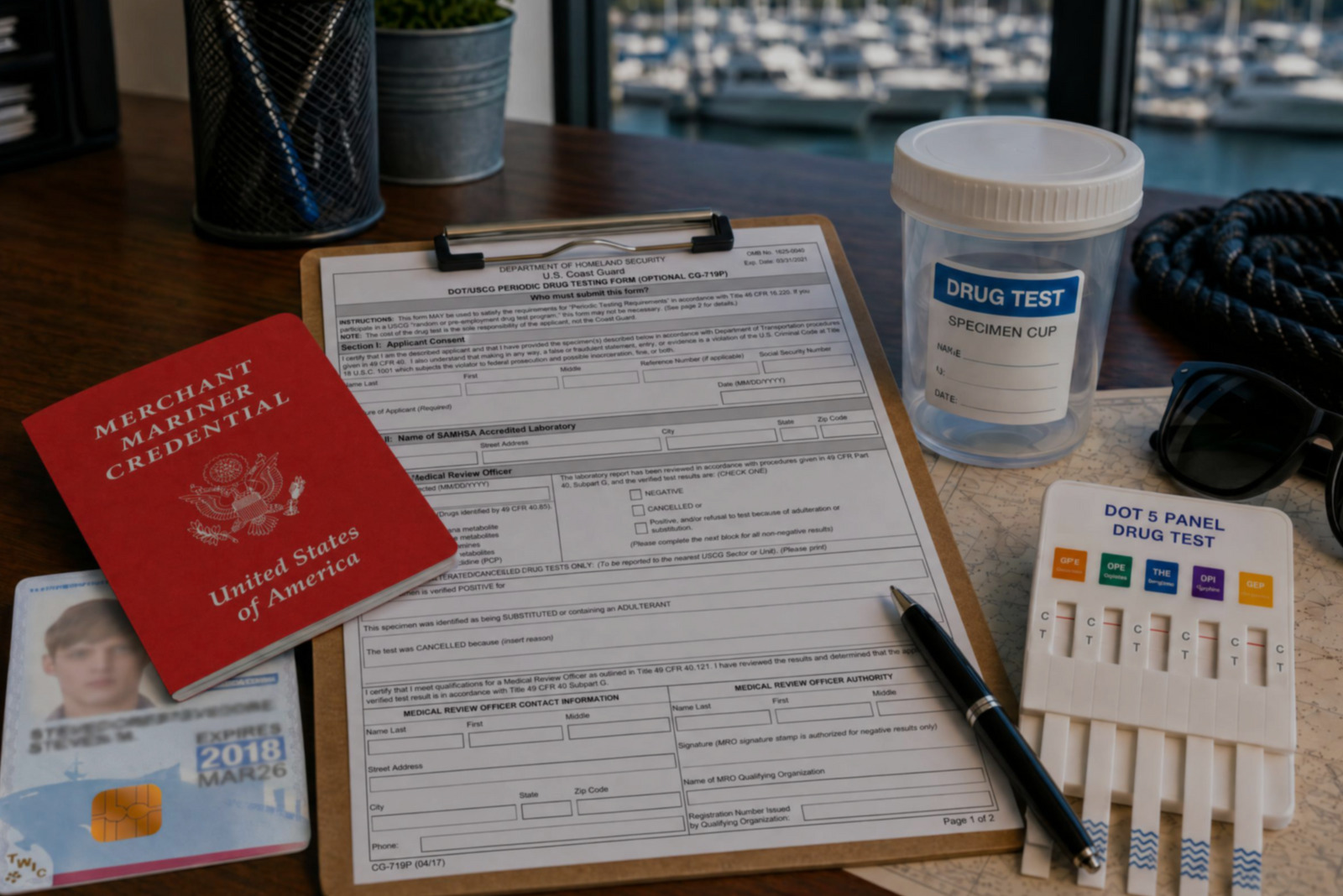

Discover the three types of drug tests working captains must submit to even after they’ve met the initial USCG drug testing requirements for their license.
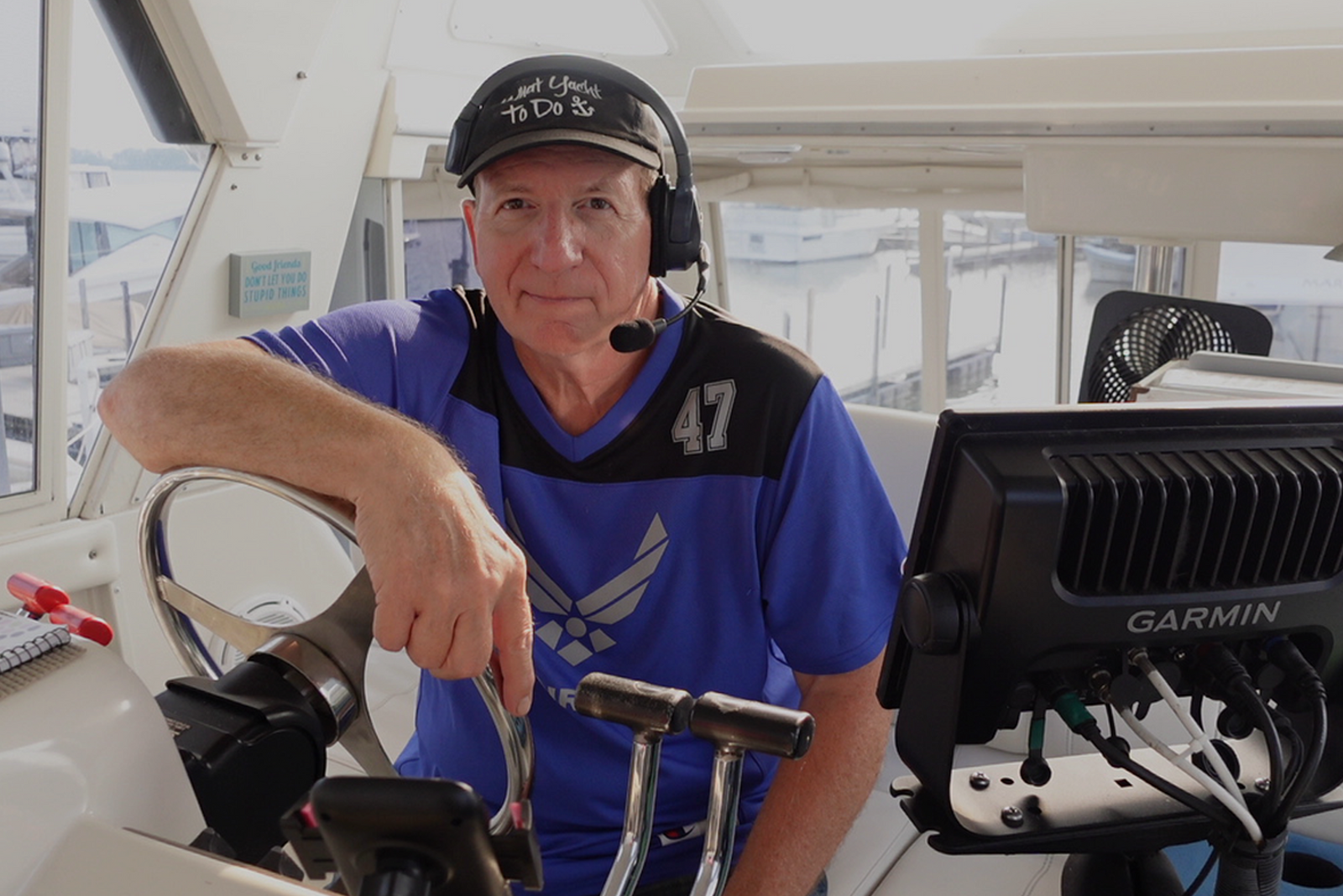

Discover how a retired airline pilot became obsessed with the Great Loop and built a thriving captain training business through Mariners Learning System.


Learn which substances the MMC drug test looks for, plus how masking agents and false positives factor in.


Discover the five most common mistakes mariners make on the captain’s license physical, plus a checklist for how to avoid them.
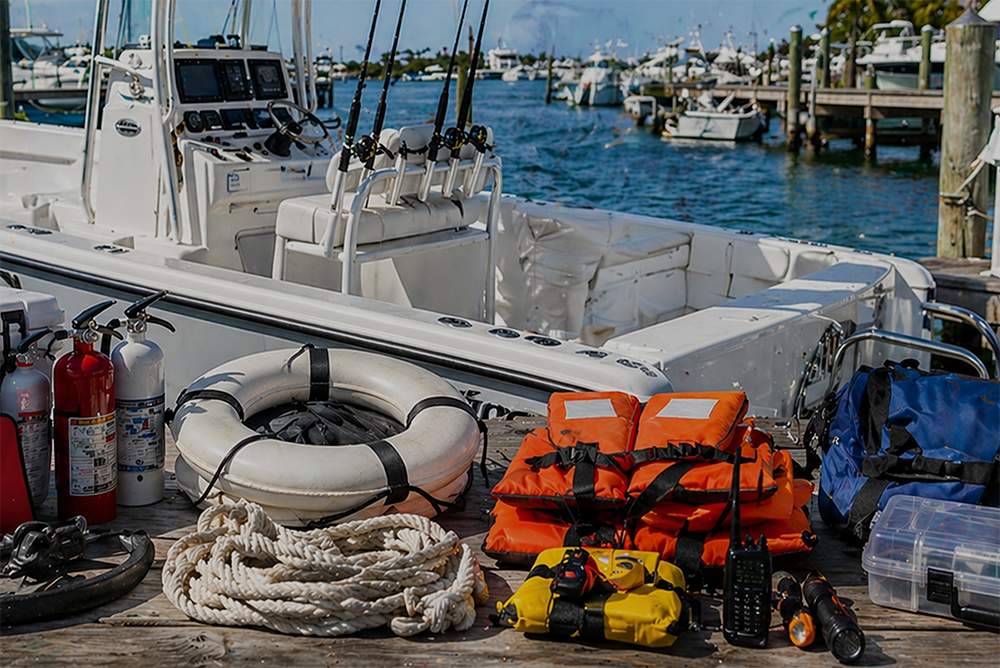

Discover why so many charter captains run out of money and how to plan every startup cost from your vessel purchase to guest-ready outfitting.

Learn how to build a charter business plan that covers pricing, expenses, and marketing so your captain’s license leads to lasting profit.

Transform how you talk about price with proven anchoring strategies and value-first framing that stops charter guests from shopping around.

Discover how charter captains use hybrid pricing models and seasonal adjustments to increase revenue and simplify bookings for every guest type.