

Meet Navi: Your 24/7 AI Instructor Inside the MLS Classroom
Unlock 24/7 access to Navi, an AI instructor trained on MLS course material, so you can ask questions, run practice quizzes, and nail your captain’s exam.
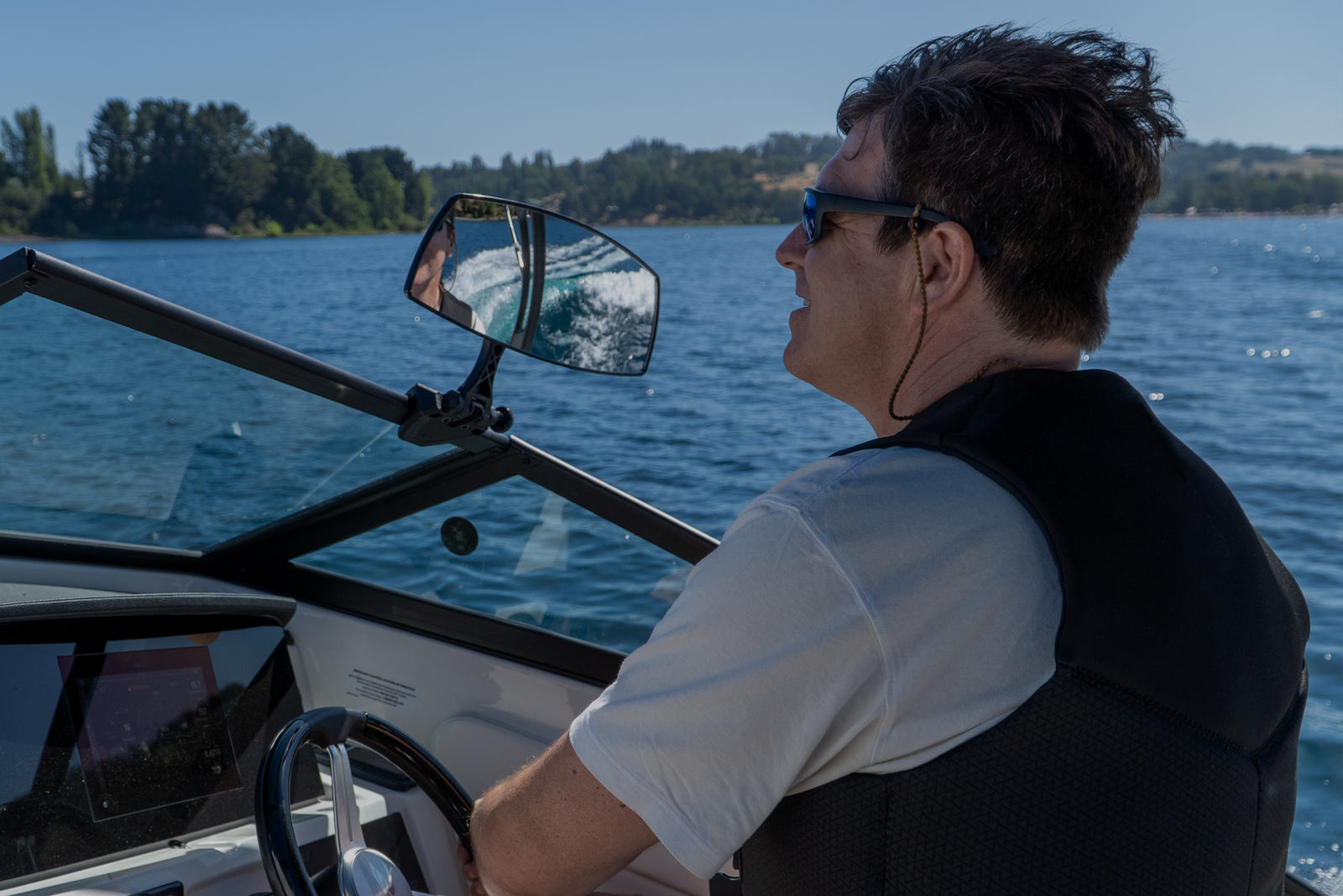

You just got your captain’s license. Now everyone’s asking when you’re quitting your day job to run charters full-time.
But maybe that’s not your plan. Maybe you want to run weekend trips to pay for your boat. Maybe you want busy summers and slow winters. Or, maybe you do want to build a full-scale operation.
There’s no right way to use your captain’s license. What matters is choosing the model that fits your life, not someone else’s expectations.
A business model is how you structure your operation to generate income and align with your lifestyle and goals. It determines when you work, how often you work, what services you offer, and how you price them.
For captains, your business model determines whether you run weekend trips for extra cash, operate seasonally for concentrated income, or build a year-round enterprise.

Every successful captain’s business falls into one of three models. Understanding which one matches your goals saves years of frustration and false starts.
This model focuses on flexibility and low pressure. You’re generating extra income while keeping complete control of your schedule.
Side income operations typically:
This model works for:
The benefits include:
The challenges are:
This model runs hard for several months, then shuts down completely. You treat your business like a harvest: intense work followed by recovery.
Seasonal operations typically:
This model suits:
The benefits include:
The challenges are:
This model creates year-round primary income. You might offer charters, instruction, towing, water taxi service, delivery, or combinations of services.
Full-time operations typically:
This model fits:
The benefits include:
The challenges are:
The biggest mistake new operators make is starting with the trips instead of the outcome.
Start by asking what you want your business to do for your life. Support your fishing habit? Provide part-time income? Replace your current job? Allow six weeks off in winter?
Now work backward:
Price based on your time, expenses, and profit goals, not just what other business owners charge. If you’re booked solid but barely breaking even, your model needs adjustment.
It’s easy to romanticize the busy season or the six-trip week, but sustainability wins in the long term.
Ask yourself: Do I enjoy this schedule? Is my pricing realistic for the hours worked? Do I have downtime built in? Am I running a business I want to keep showing up for?
Watch for warning signs. Canceling personal time for “just one more trip.” Getting irritable with customers due to fatigue. Letting maintenance slide because you’re overbooked. Running underpriced trips because “everyone else does.”
You don’t need more trips; you need the right trips at the right price with a manageable schedule. That’s where time, energy, and income align.

Your goals will evolve, and your business will, too:
What matters is intentional structure and active review.
Set a reminder every six months to ask: Am I still aligned with my goals? Is this schedule working for me and my family? Where do I need to adjust pricing, volume, or offerings?
Captain Sarah started running sunset cruises in Charleston while working as a nurse.
For two years, she operated strictly on weekends: two trips Saturday, one Sunday. The $1,800 monthly average covered her boat payment and maintenance with profit left over. She loved the flexibility and extra income without pressure.
Year three brought a change. After getting comfortable with operations and building a solid reputation, she shifted to seasonal mode. She took a summer leave from nursing and ran five trips weekly from May through September.
In four months, she generated $45,000, nearly matching her nursing income. The intensity was manageable knowing she had seven months off.
By year five, Sarah made the full transition. She left nursing, expanded to year-round operations, and added a second boat with a hired captain. She now runs a mix of sunset cruises, private charters, and corporate events. Annual revenue exceeds $150,000.
The business that started as weekend pocket money became a thriving enterprise, but only because she scaled gradually and intentionally.
Take 15 minutes today to answer these questions:
The answers tell you whether your plan makes sense or needs adjustment. It’s better to know now than discover it after burning out or giving up.
Your captain’s license is a tool. How you use it, whether for weekend trips or a maritime empire, depends on what you want from your life on the water.
Ask a question, share an experience, or add a helpful tip related to this article. Comments may appear after review to prevent spam.
Unlock 24/7 access to Navi, an AI instructor trained on MLS course material, so you can ask questions, run practice quizzes, and nail your captain’s exam.


Learn what questions to ask and how to prepare for a captain’s license drug test to ensure you avoid the most common application delays.
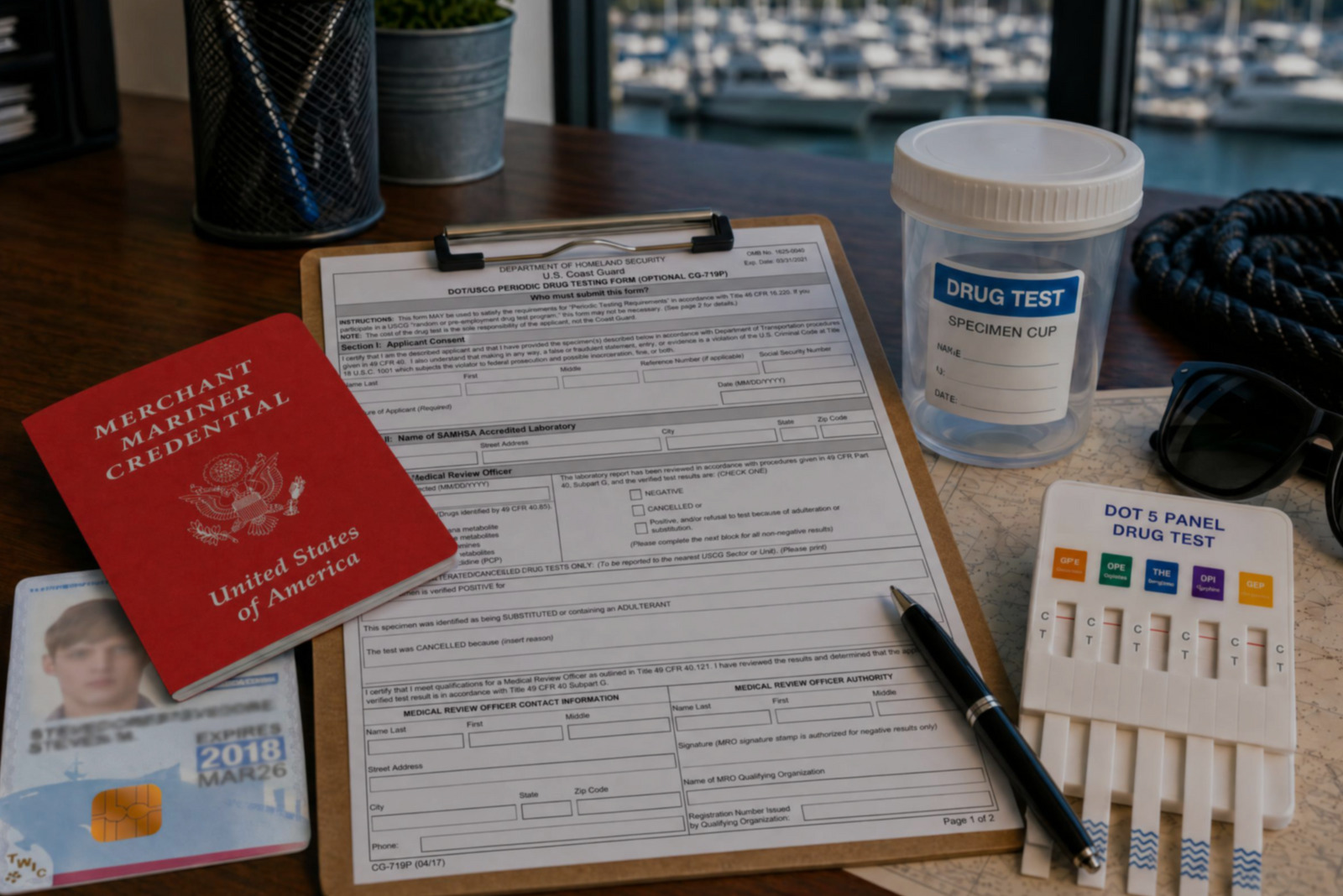

Discover the three types of drug tests working captains must submit to even after they’ve met the initial USCG drug testing requirements for their license.
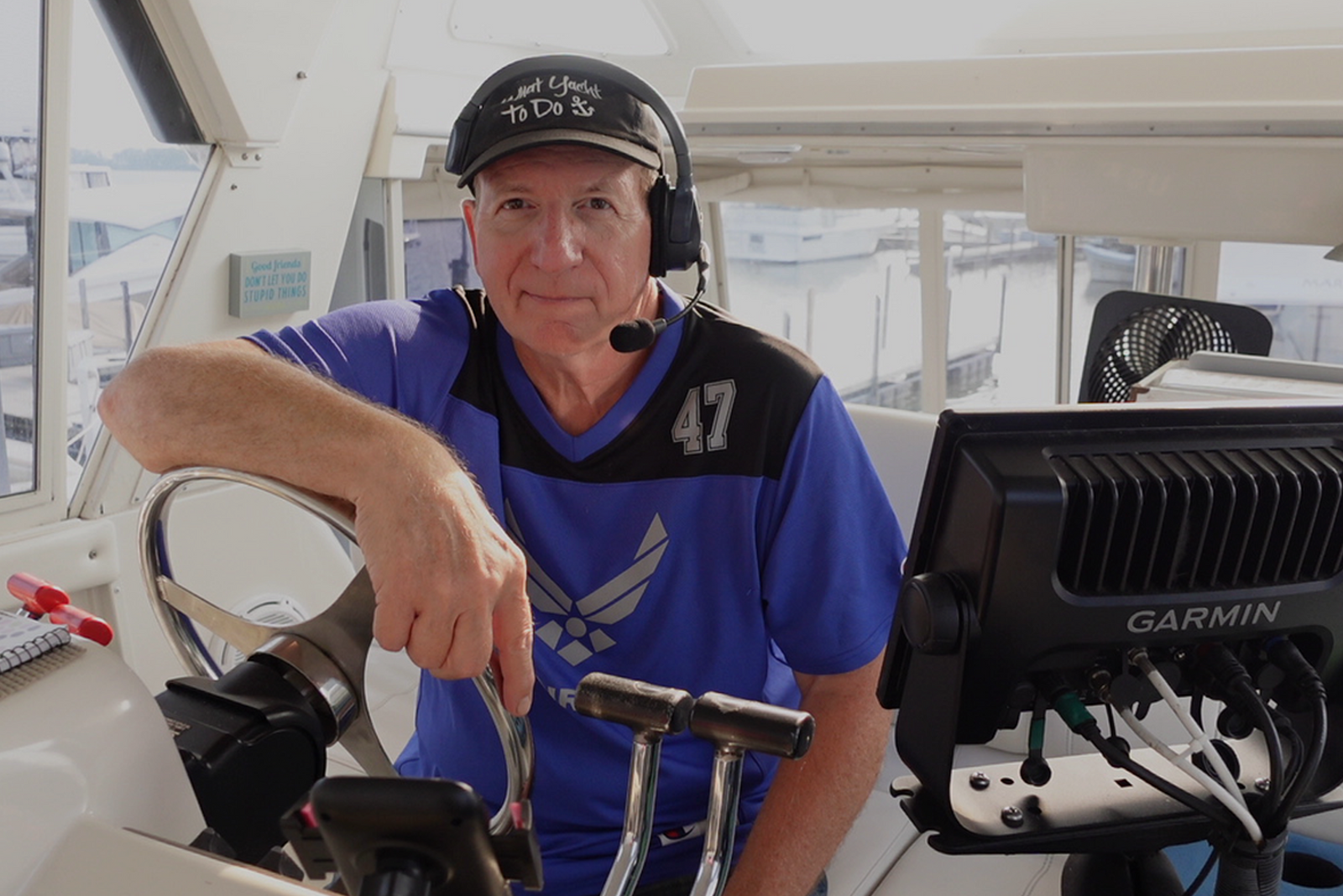

Discover how a retired airline pilot became obsessed with the Great Loop and built a thriving captain training business through Mariners Learning System.


Learn which substances the MMC drug test looks for, plus how masking agents and false positives factor in.


Discover the five most common mistakes mariners make on the captain’s license physical, plus a checklist for how to avoid them.
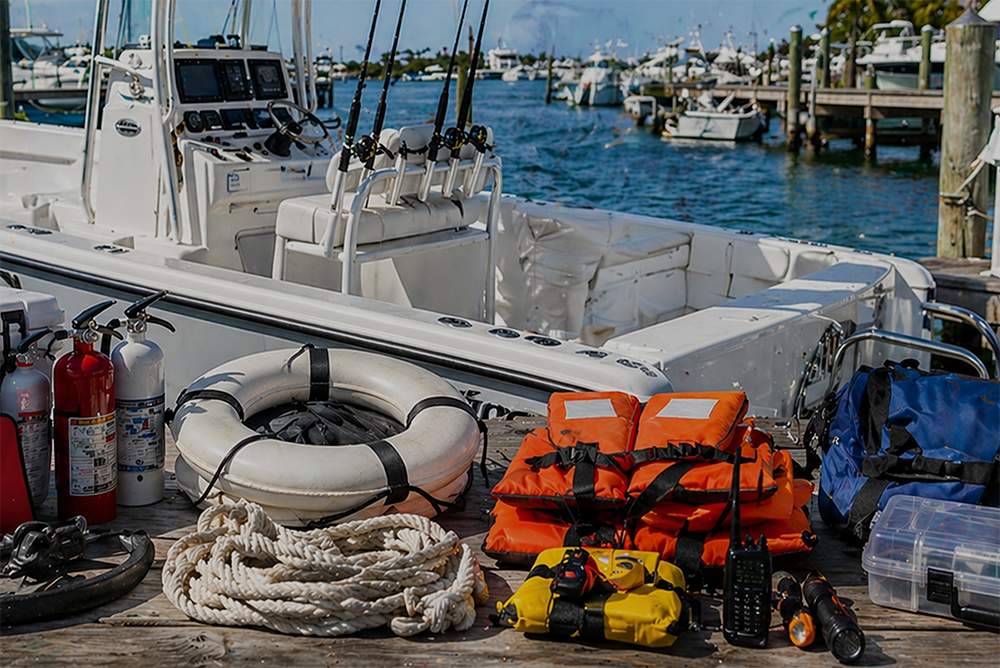

Discover why so many charter captains run out of money and how to plan every startup cost from your vessel purchase to guest-ready outfitting.

Learn how to build a charter business plan that covers pricing, expenses, and marketing so your captain’s license leads to lasting profit.


Transform how you talk about price with proven anchoring strategies and value-first framing that stops charter guests from shopping around.


Discover how charter captains use hybrid pricing models and seasonal adjustments to increase revenue and simplify bookings for every guest type.