

Meet Navi: Your 24/7 AI Instructor Inside the MLS Classroom
Unlock 24/7 access to Navi, an AI instructor trained on MLS course material, so you can ask questions, run practice quizzes, and nail your captain’s exam.
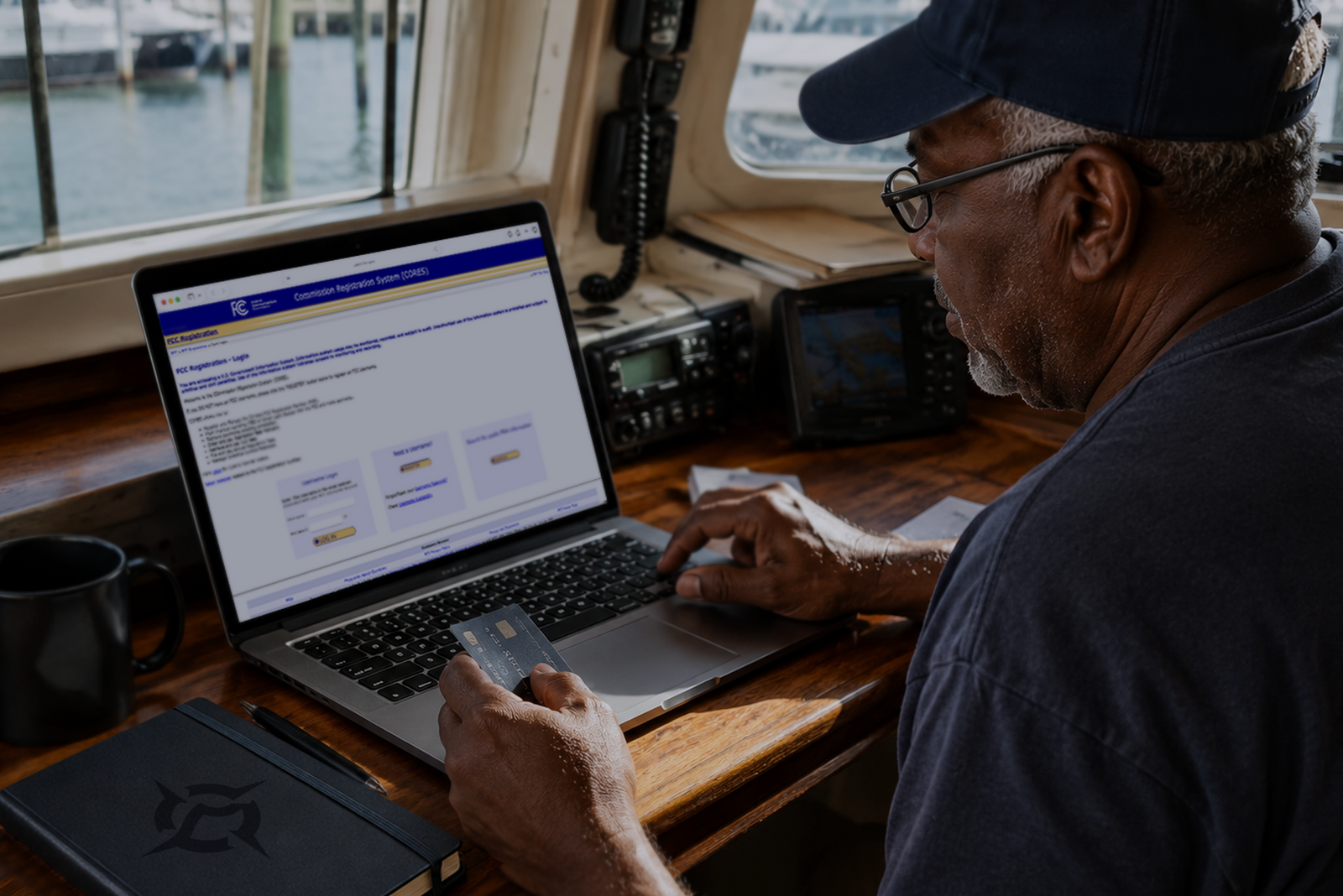

The FCC charges a $35 issuance fee for most commercial radio operator license applications, including the Marine Radio Operator Permit (MROP). You have 10 days from the date of your application’s approval to pay through the FCC’s CORES system. If you don’t pay within that window, the FCC dismisses your application.
You just passed your FCC exam. Congratulations! But you’re not done yet.
Between passing the exam and holding your official license, there’s one step that trips people up more than it has any right to: paying the FCC issuance fee through an online system called CORES. The deadline is firm, and the FCC won’t chase you if you miss it.
Here’s how to get it done right.
The FCC issuance fee is a one-time $35 charge the Federal Communications Commission (FCC) requires before it finalizes your commercial radio operator license. This applies to new applications for the Marine Radio Operator Permit (MROP), the General Radiotelephone Operator License (GROL), the GMDSS Radio Operator’s License, and other FCC commercial radio credentials. The fee took effect on April 19, 2022, under a Congressional mandate.
Every mariner who passes an FCC exam through Mariners Learning System and applies for a new license pays this fee. After you pass your exam and send us your completed forms, we file your application with the FCC electronically. Once the FCC approves it, they email you directly with instructions to pay. That email is your starting gun: you have 10 calendar days to complete payment.
This $35 fee is separate from your course tuition. It goes directly to the FCC, not to Mariners Learning System. For a full walkthrough of the FCC application process, including the forms we file on your behalf, see our overview.

CORES stands for COmmission REgistration System. It’s the FCC’s online portal for managing your FCC Registration Number (FRN) and paying fees. You created your FRN when you registered with the FCC before your exam.
To pay the FCC issuance fee, log into CORES at apps.fcc.gov/cores/userLogin.do with the username and password you set up when you registered for your FRN.
Here’s the sequence:
If you log in with your FRN and password instead of your username, you’ll land on a "Remittances" screen. From there, select the remittance, verify the File Number matches your application, and proceed to payment. Either way, you’ll reach the same payment screen.
For mariners earning their FCC Marine Radio Operator Permit, this is the last step before you can print your official license.
The FCC accepts four payment methods through CORES. Electronic payment is the fastest and most reliable option.
|
Payment Method |
Processing Time |
Notes |
|
Credit or Debit Card |
Immediate |
Most common choice |
|
ACH (Bank Account Debit) |
Varies |
Electronic debit from checking or savings |
|
Wire Transfer |
Varies |
Contact your bank for timing |
|
Check or Money Order |
Must Arrive Within 10 Days |
Mail to FCC P.O. Box 979097, St. Louis, MO 63197-9000 |
Pay electronically if at all possible. Mailed payments must reach the FCC within 10 calendar days, which leaves almost no margin for postal delays. The FCC has signaled it plans to phase out manual fee payments entirely, so electronic is the safer and faster path.
Checks are no longer accepted for regulatory fees, though they’re still an option for application fees like this one. If you do mail a check or money order, include a completed FCC Form 159 with the correct File Number so the FCC can match your payment to your application.
If you don’t pay the $35 issuance fee within 10 calendar days of the FCC’s approval email, your application is dismissed. You won’t receive your license, and the approval expires.
A dismissed application doesn’t mean you failed your exam or lost your results. Contact us at Mariners Learning System if your application is dismissed, and we’ll walk you through next steps. A refiled application means a new approval email and a fresh 10-day payment clock.
Check your spam and junk folders right after we notify you that your application has been filed. The FCC’s email sometimes ends up there, and missing it can cost you the entire 10-day window.
After you’ve paid, you can verify the payment went through inside CORES. Log in with your FCC username, navigate to "Manage Existing FRNs," select "FRN Financial," and click "View/Make Payment" next to your FRN.
From there, select the "Payment History" tab. By default, it displays six months of transactions. Use the "Refine Search" button if you need a different date range.
Your FRN’s status indicator will show green when all fees are current and no outstanding bills exist. A red status means the FCC sees an unpaid balance. If your status is red after you’ve paid, allow time for processing before contacting FCC support.
Per FCC Public Notice DA 15-72, the FCC no longer mails physical license documents. Once your payment clears, you print your own copy.
If you provided an email address on your application, the FCC sends a link to download and print your official license once it’s granted. You can also log into the Universal Licensing System (ULS) at any time to download and print your license.
For the full step-by-step on printing your FCC license, see our companion guide.
Once your payment processes, the FCC issues your license, and you can print it directly from the ULS. The FCC states you can print your license within 10 days of approval. For mariners who need their MROP before a captain’s license application, factor in exam grading (three to five business days), application processing, and the 10-day payment window when planning your timeline.
Yes. The $35 fee applies to new applications, renewals, and certain modifications for all FCC personal and commercial radio operator licenses, including the MROP, GROL, GMDSS, and Restricted Radiotelephone Operator Permit. The fee amount was set by Congress and took effect April 19, 2022.
Your passing certificate is valid for one year from the date you pass your final exam, so there's still time to act even after the 10-day payment window closes, but it's not unlimited. Contact us at Mariners Learning System through our contact page to discuss your options. A new application can be filed with the FCC, and you'll receive a new approval email with a fresh 10-day window to pay. Just make sure your new application is filed and paid before your one-year certificate expires.
No. The FCC generates the payment obligation only after it approves your application. You can’t prepay. Wait for the approval email, then pay through CORES.
No. The $35 goes directly to the FCC through their CORES system. Mariners handles the application filing at no extra charge, but the FCC issuance fee is between you and the FCC.
Commercial radio operator licenses like the MROP are issued for the lifetime of the holder and don’t require renewal. Other FCC license types that may require renewal carry the same $35 fee per application.
The $35 FCC issuance fee is the final step between passing your exam and holding your official license. Pay it the day you get the email, and you’ll have your license in hand within days.
To learn more about FCC licensing and the courses that prepare you for it, find a course that’s right for you with Mariners Learning System. From recreational boating to commercial charters, we detail everything you need to know to keep you, your boat, and your passengers safe on the water.

FCC rules and fee schedules can change. Verify the current fee amount and payment procedures at fcc.gov before submitting payment. This blog post is for informational purposes and doesn’t constitute legal or regulatory advice.
Ask a question, share an experience, or add a helpful tip related to this article. Comments may appear after review to prevent spam.
Unlock 24/7 access to Navi, an AI instructor trained on MLS course material, so you can ask questions, run practice quizzes, and nail your captain’s exam.


Learn what questions to ask and how to prepare for a captain’s license drug test to ensure you avoid the most common application delays.
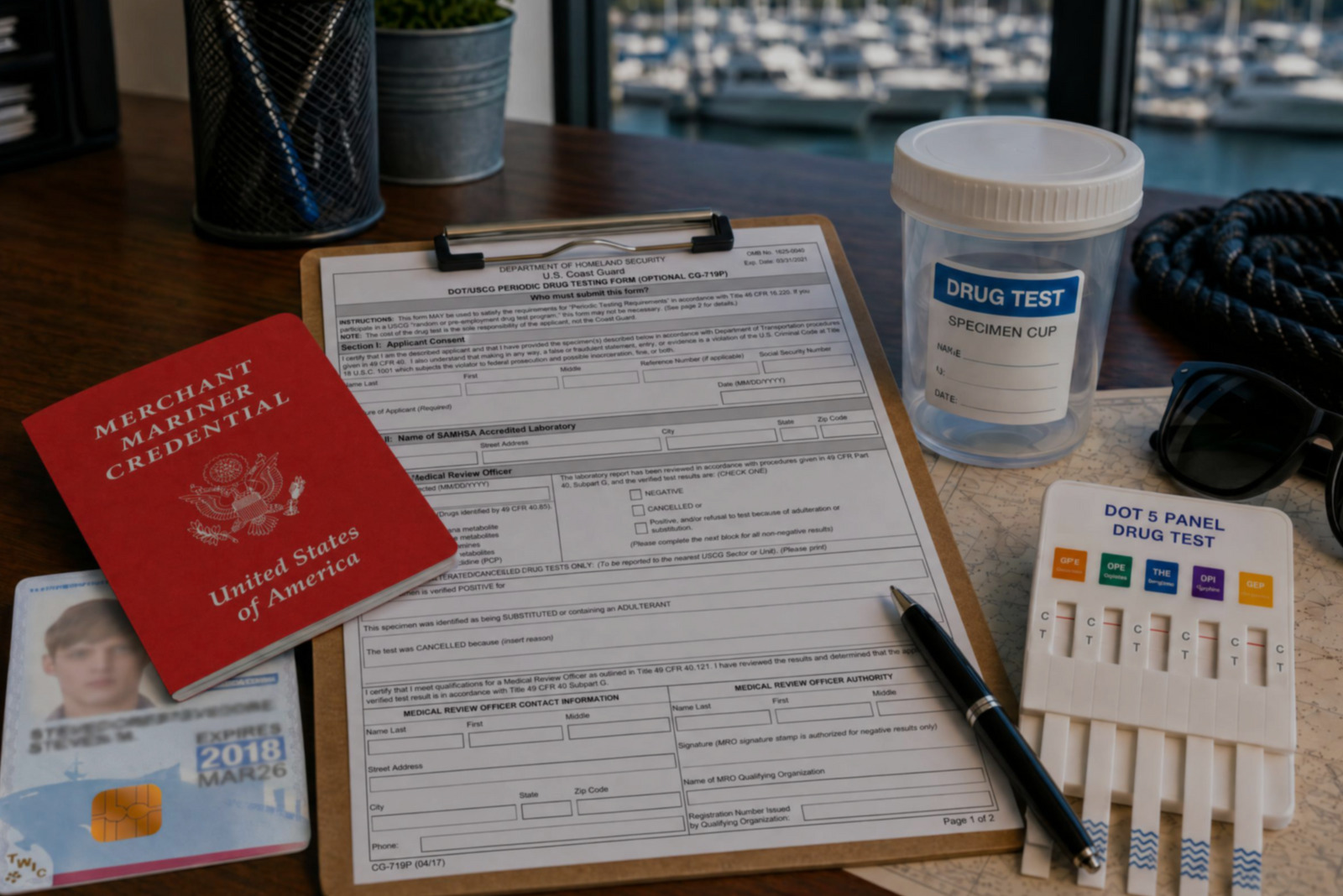

Discover the three types of drug tests working captains must submit to even after they’ve met the initial USCG drug testing requirements for their license.
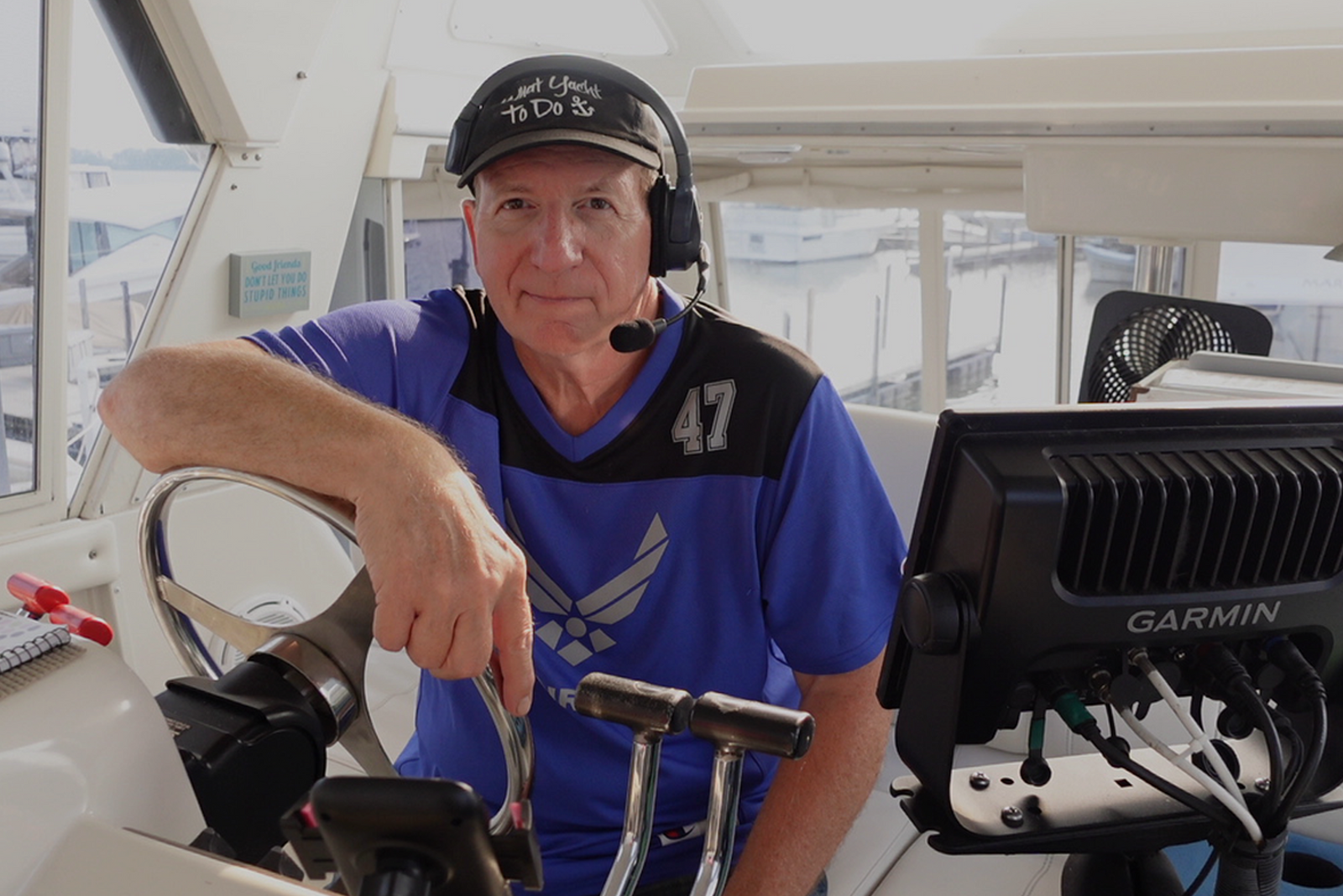

Discover how a retired airline pilot became obsessed with the Great Loop and built a thriving captain training business through Mariners Learning System.


Learn which substances the MMC drug test looks for, plus how masking agents and false positives factor in.


Discover the five most common mistakes mariners make on the captain’s license physical, plus a checklist for how to avoid them.

Discover why so many charter captains run out of money and how to plan every startup cost from your vessel purchase to guest-ready outfitting.

Learn how to build a charter business plan that covers pricing, expenses, and marketing so your captain’s license leads to lasting profit.

Transform how you talk about price with proven anchoring strategies and value-first framing that stops charter guests from shopping around.


Discover how charter captains use hybrid pricing models and seasonal adjustments to increase revenue and simplify bookings for every guest type.