

Meet Navi: Your 24/7 AI Instructor Inside the MLS Classroom
Unlock 24/7 access to Navi, an AI instructor trained on MLS course material, so you can ask questions, run practice quizzes, and nail your captain’s exam.


Some of the biggest questions I get from aspiring captains have to do with sea time and documenting boating experience:
They’re good questions — and important, too. Getting this part right can save you a lot of time and frustration when you’re preparing to submit your application.
Let’s break it down.
The general rule for the USCG sea time requirements is simple: You need a minimum of 360 days of boating experience, 90 of which must be within the last three years.
Despite common misconceptions, your experience doesn’t have to come from a commercial or professional setting. You don’t even need a licensed captain to sign off on your time. If you’re the boat owner, you can sign off on the time yourself.
You’ll use a Coast Guard sea service form to track your experience for your application. The form is set up like a calendar, with twelve “month” columns containing five “year” slots each, where you estimate how many days you were underway. A logbook isn’t required, though keeping one may make filling out the paperwork a lot easier.
Any trip where you were underway for at least four hours counts as a “day” at sea in the Coast Guard’s eyes. You can only claim one “day” per 24-hour period, however, no matter how many hours you were out.
Not everyone owns a boat — and that’s okay. You can still meet the USCG sea time requirements if you’re using club boats, rental boats, or chartered vessels.
If you’re on a chartered boat with a licensed captain and you’re helping out as crew — even with basic tasks like docking or anchoring — that time can count. But if you’re just along for the ride, you won’t get credit.
If you bareboat charter — like renting a sailboat in the British Virgin Islands for a week — that time counts, too. But you’ll need the rental company or boat owner to sign off on your time.
Pro tip: Fill out the Coast Guard sea service form yourself before sending it to any captain or company to sign for you. Just leave the signature blank. If you make it easy for them, you’re a lot more likely to get what you need.
If you’ve served in the military, good news — a portion of your sea time might count.
Generally, the Coast Guard will credit 60% of your military sea service time toward your license. So, if you spent 100 days at sea, you might be credited for 60 days toward your application.
There’s a catch, though: The type of work you did matters. I served on the aircraft carrier USS Midway, but because I worked on jets and wasn’t involved in navigational watches or part of the ship’s company, my time didn’t count toward my captain’s license.
So, if you did navigational duties, watch standing, or anything related to vessel operations, your time should count. If you were on the ship but not doing anything related to running the ship, it won’t.
Another pro tip: Your DD Form 214 alone won’t cut it as proof of sea time. You’ll need your official military transcripts to verify your experience properly.
Yes, it does.
The type of water you’re operating on affects the license you qualify for — not the size of your vessel, but where you’re boating.
If your experience is on inland bodies of water — lakes, rivers, or bays like the Chesapeake Bay or Long Island Sound — you’ll qualify for an inland license.
If you have at least 90 days operating beyond the coastline (what the Coast Guard calls “outside the boundary line”), you could qualify for a Near Coastal license, which covers both inland and coastal waters up to 100 miles offshore.
One caveat is if you’ve earned time on the Great Lakes. The Coast Guard views one day on a Great Lake as similar to one day at sea, giving you Near Coastal and Great Lakes endorsement credit even if you never ventured into the ocean.
If you’re worried about how much sea time you need for a captain’s license because you don’t own a boat, you have some options for adding to your experience.
A common way to earn days on the water is by volunteering or working on a fishing boat, ferry, booze cruise, or any commercial operation that needs help. It’s often a trade — you lend a hand, they help you get the sea time you need — but some companies will pay. Either way, it’s a win-win.
A lot of people wonder if their time on the family boat while growing up counts toward the USCG sea time requirements.
The answer? It can — but only if you were at least 16 years old. The Coast Guard allows you to start accruing sea time at 16, but not before.
In theory, then, any days on the water should count as long as you were 16 or older. But complications often arise if many years have passed.
The older your sea time is, the harder it can be to verify. If you’re trying to document time from decades ago, you’ll need certain details — like boat registration numbers and owner verification — that can be tough to pull together after so many years.
So, if you’re 18, 19, or 20 and have been boating since you turned 16, you’re likely in good shape. But if you’re 50 and trying to count time from when you were a teenager, it’s probably not going to work.

Understanding how much sea time you need for a captain’s license — and how to get it — is a massive part of the application process:
Getting your license is a major milestone, and having your sea time squared away is a crucial step to making it happen.
If you’re working toward your captain’s license and have questions about the USCG sea time requirements or your specific situation, the Mariners Learning System team would be happy to help you on your journey.

Ask a question, share an experience, or add a helpful tip related to this article. Comments may appear after review to prevent spam.
Unlock 24/7 access to Navi, an AI instructor trained on MLS course material, so you can ask questions, run practice quizzes, and nail your captain’s exam.


Learn what questions to ask and how to prepare for a captain’s license drug test to ensure you avoid the most common application delays.
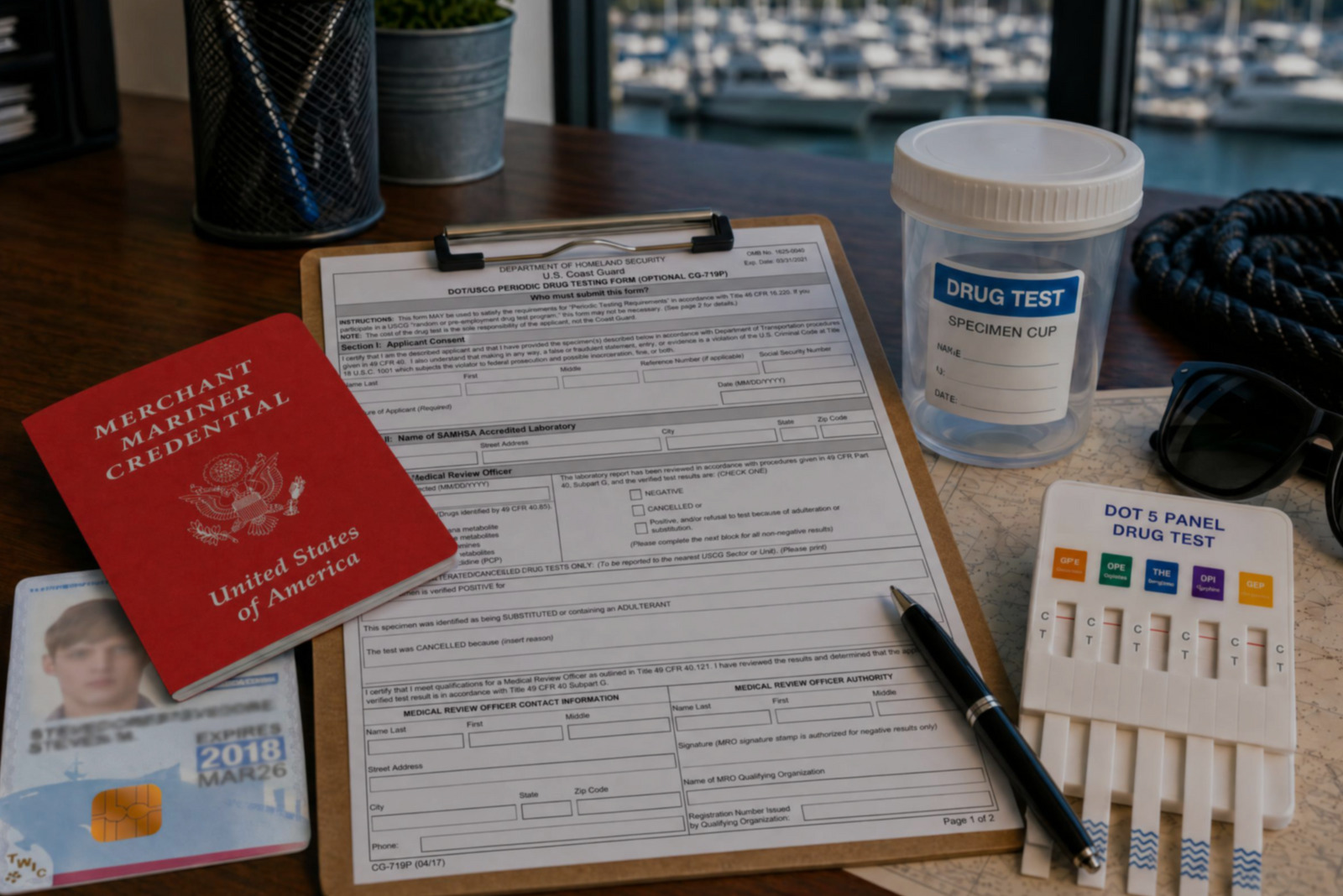

Discover the three types of drug tests working captains must submit to even after they’ve met the initial USCG drug testing requirements for their license.
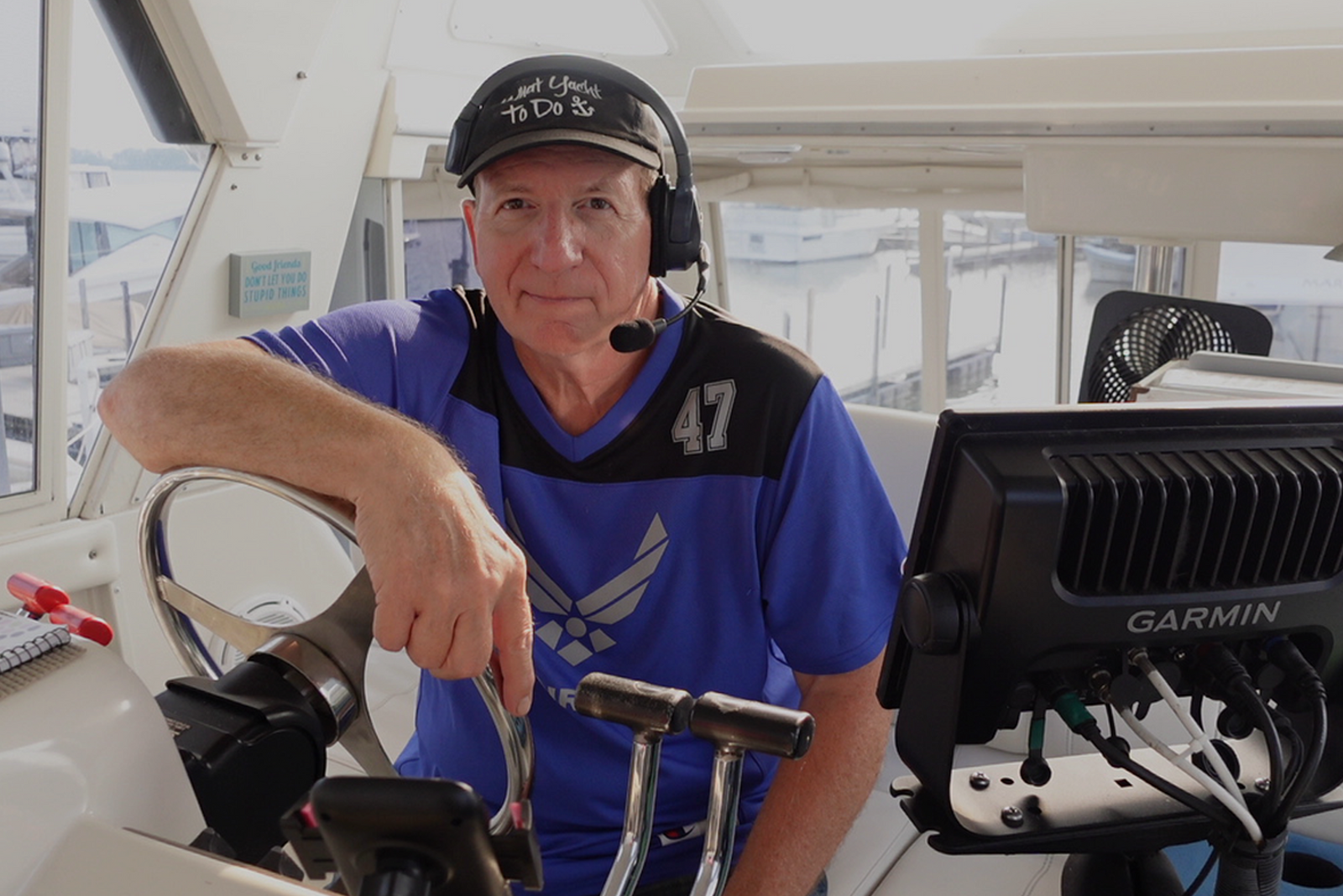

Discover how a retired airline pilot became obsessed with the Great Loop and built a thriving captain training business through Mariners Learning System.


Learn which substances the MMC drug test looks for, plus how masking agents and false positives factor in.


Discover the five most common mistakes mariners make on the captain’s license physical, plus a checklist for how to avoid them.
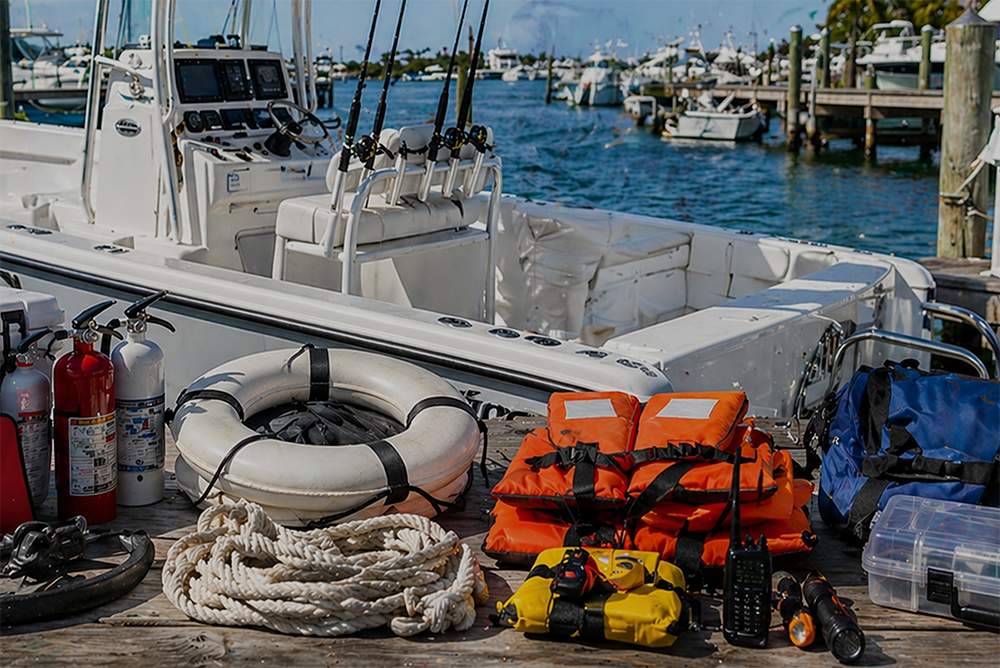

Discover why so many charter captains run out of money and how to plan every startup cost from your vessel purchase to guest-ready outfitting.

Learn how to build a charter business plan that covers pricing, expenses, and marketing so your captain’s license leads to lasting profit.

Transform how you talk about price with proven anchoring strategies and value-first framing that stops charter guests from shopping around.

Discover how charter captains use hybrid pricing models and seasonal adjustments to increase revenue and simplify bookings for every guest type.