

Meet Navi: Your 24/7 AI Instructor Inside the MLS Classroom
Unlock 24/7 access to Navi, an AI instructor trained on MLS course material, so you can ask questions, run practice quizzes, and nail your captain’s exam.


When Captain Bob Figular first walked into the We Make facility in 2018, he didn’t bring a list of demands or a lengthy vetting process. He brought a question: “What can we do?”
Ten minutes later, he had a deal.
That conversation launched a partnership now in its eighth year. We Make, an organization that creates meaningful careers for adults with autism, handles the assembly, packaging, and shipping of the physical kits Mariners Learning System sells. More than 500,000 units have gone out their door to customers around the world.

We Make - Autism at Work, Inc. was founded on a simple idea: adults with autism deserve careers, not charity.
When a person with autism turns 21, the support systems in place for years often disappear. Programs become limited. Opportunities shrink. We Make was built to fill that gap by designing a workspace around the needs and abilities of its employees, not the other way around.
Their work spans warehouse operations, assembly, distribution, and fulfillment. The organization partners with companies that entrust a portion of their business operations to We Make’s team.
MLS was one of their first clients.

We Make had been open for about two years when Captain Bob heard about them.
“Bob came right over,” recalls Muhammad “Moe” Siddiq, We Make’s Founding Executive Director. The connection ran deeper than business. Moe had known Captain Bob’s daughter since he was 15. When Bob arrived and realized Moe was running the operation, he committed to the partnership on the spot.
“People who jump two feet in our pool and don’t have any reservations about what folks with autism can do, they’re trusting us with a piece of their business,” Moe says. “For Bob, that’s a major piece. That’s how it touches us, and it goes to [his] customers.”
Within weeks, We Make was assembling and shipping MLS’s navigation kits, course materials, and supplies to students across the country.

Today, We Make operates as a third-party logistics provider for MLS, managing fulfillment from start to finish. Materials arrive at the facility, and We Make’s team assembles the kits, packages them, and ships them out.
The workflow shifts with the seasons. Black Friday brings a surge, and Moe makes a point of sharing those numbers with his team.
“I tell them at the end of the week, ‘Just so you know how much business this is for our customer,’” he says.
The person who oversees the MLS account at We Make is Kyle Jaeger, a team member who is neurodivergent himself. Moe’s assessment of Kyle is blunt: “He rocks it.”
Kyle has developed the ability to reverse-engineer problems when an order doesn’t look right. He catches errors, traces them back to their source, and flags solutions before presenting the issue.
“Kyle can reverse-engineer: ‘Maybe this was shipped wrong, or it’s missing something,’” Moe explains. “He has a photographic memory. ‘I think I know where the problem was. I need to have done XYZ.’ Those are opportunities of ownership.”
That kind of problem-solving and task mastery drives We Make’s approach. The team develops skills through peer-to-peer learning, with experienced employees teaching newer ones.
“Mastery within folks with autism, individual task completion, peer-to-peer learning, is super beneficial,” Moe says. “It’s far beyond the job. It’s the ability to know how to do it yourself and then give it to someone else.”
When asked what MLS has done well as a partner, Moe doesn’t start with logistics or pricing. He starts with kindness.
“Willingness came from the top down,” he says. “Bob is one of the kindest, nicest, community-centric people. Everyone who works at MLS cares.”
Moe describes a December visit from Captain Bob that stuck with him. Bob came to the facility, apologized for not having done so sooner, and wrote a check for an unexpected donation on the spot.
“We just believe in you guys,” Moe recalls Bob saying.
The day-to-day respect matters most to Moe. MLS has grown with We Make, adjusting expectations as the team’s capabilities expanded and allowing room for learning along the way.
“The nicest thing you can do is be kind to us, allow us to grow with you, and have these learning experiences,” Moe says. “Move with us financially.”
That willingness to invest in the relationship, not just the service, is what’s kept the partnership going for eight years and counting.
Moe has a Thanksgiving metaphor he uses to explain what meaningful work does for his team.
Picture a holiday dinner table. Someone asks one of We Make’s employees what they’ve been up to. In one version, the answer is: “I stock shelves.” The response: “Oh, that’s nice.”
In the other version: “We just completed a big job with one of our largest customers, Mariners Learning System. That’s how you learn to captain 25-, 50-, or 100-ton vessels. We ship their navigation kits and their digital kits. We just sent out several hundred kits for their Black Friday.”
The response: “Oh, wow.”
“We’ve given them the words and the story to not just do the work blindly, but to be able to tell their own story,” Moe says of his employees. “They work with a real company, and it’s great.”
This is the difference between a donation and a partnership. A check supports We Make’s mission for a moment. A business relationship gives employees the language, the pride, and the seat at the table that lasts all year.
“Companies do great support all the time,” Moe says. “They could cut a $50,000 check and highlight it for Autism Awareness Month. Or you could give us a piece of your business and share what you’re currently doing. You can amplify that 12 months of the year.”
He’s direct about the distinction: “You don’t have to trust us to give us a $50,000 check. But you’ve got to trust us to give us $50,000 worth of your business.”
We Make’s impact extends past their work with Mariners Learning System.
The organization created the Blue Envelope Program with New Jersey law enforcement, a program designed to improve interactions between police officers and individuals with autism during traffic stops. They’ve expanded into culinary programming and work with a growing list of companies that share portions of their operations with the We Make team.
The national podcast Autism Labs featured We Make in a two-part spotlight series. The hosts reviewed service providers across the country and identified We Make as one of the nation’s best.
For Moe, We Make’s mission is the same regardless of the client or the project. A 10-step fulfillment process for MLS is a 10-step process his employees can generalize into the rest of their lives: sequencing, independence, and confidence.
“Our business isn’t keeping our individuals in need,” Moe says. “We’re all about empowering autonomy. The ripple effect goes to every aspect of life.”
We Make partners with small companies looking to grow and with established businesses ready to share a piece of what they already do. If you’re a business owner interested in learning how a partnership could work, visit We Make’s website to learn more.
And if you’re an MLS student, the next time you open one of your course kits, you’ll know a little more about the team that packed it and the care they put into every unit.
Ready to earn your own captain’s license? Review your options here.
Ask a question, share an experience, or add a helpful tip related to this article. Comments may appear after review to prevent spam.
Unlock 24/7 access to Navi, an AI instructor trained on MLS course material, so you can ask questions, run practice quizzes, and nail your captain’s exam.


Learn what questions to ask and how to prepare for a captain’s license drug test to ensure you avoid the most common application delays.
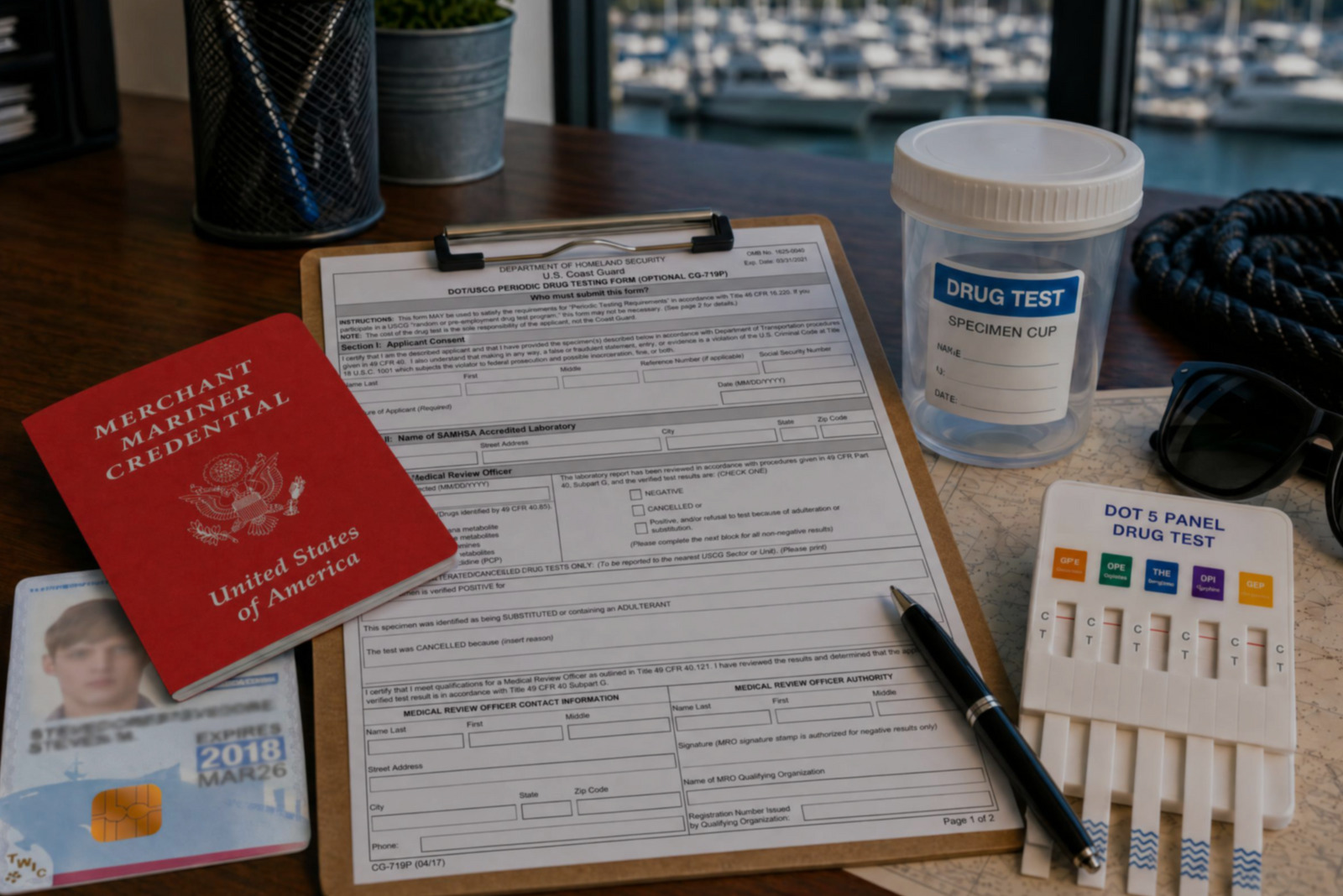

Discover the three types of drug tests working captains must submit to even after they’ve met the initial USCG drug testing requirements for their license.
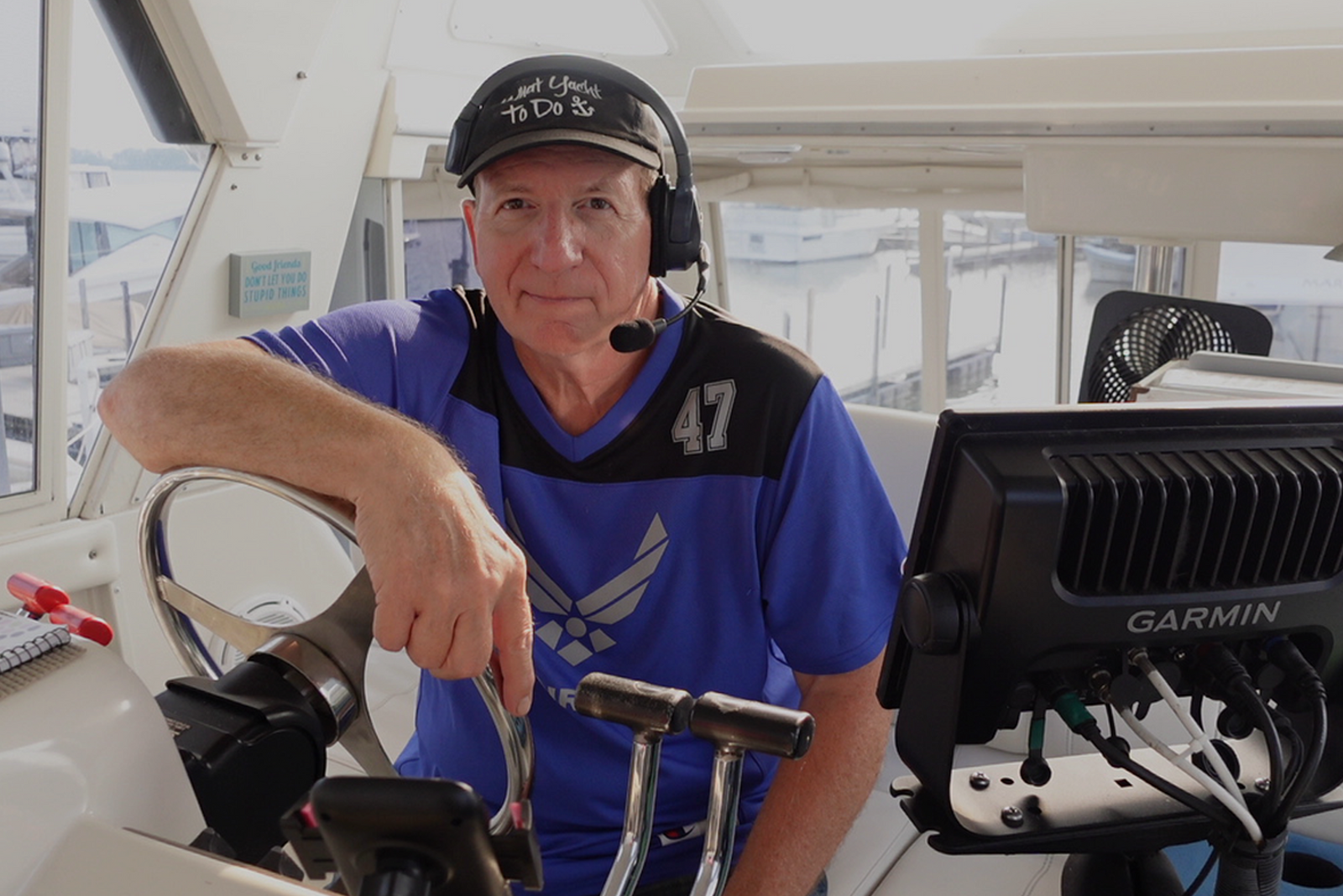

Discover how a retired airline pilot became obsessed with the Great Loop and built a thriving captain training business through Mariners Learning System.


Learn which substances the MMC drug test looks for, plus how masking agents and false positives factor in.


Discover the five most common mistakes mariners make on the captain’s license physical, plus a checklist for how to avoid them.
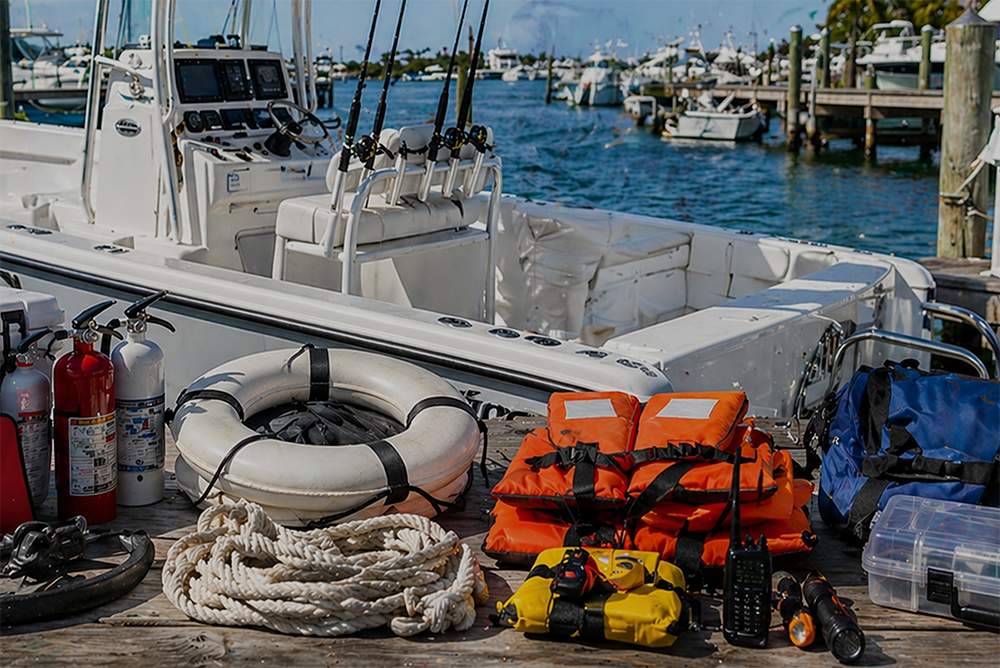

Discover why so many charter captains run out of money and how to plan every startup cost from your vessel purchase to guest-ready outfitting.

Learn how to build a charter business plan that covers pricing, expenses, and marketing so your captain’s license leads to lasting profit.

Transform how you talk about price with proven anchoring strategies and value-first framing that stops charter guests from shopping around.

Discover how charter captains use hybrid pricing models and seasonal adjustments to increase revenue and simplify bookings for every guest type.