

Meet Navi: Your 24/7 AI Instructor Inside the MLS Classroom
Unlock 24/7 access to Navi, an AI instructor trained on MLS course material, so you can ask questions, run practice quizzes, and nail your captain’s exam.


You’ve picked a pricing model: flat rate, per-person, hourly, or tiered packages. Now the question is whether to stick with one approach or mix models for different situations.
The best operators aren’t locked into a single pricing structure. They adapt based on season, guest type, and demand.
Combine models strategically for different situations. You’re not committed to one approach forever.
Captain Nancy runs flat-rate private charters on weekends ($450), per-person shared trips on weekdays ($75), and hourly custom tours by request ($225/hour). Each model serves different market segments without confusion. Her six profitable charter models each have their own pricing logic.
Captain Ryan offers flat-rate base pricing with add-on options. Private sunset cruise: $425. Add gourmet catering: +$150. Add photographer: +$200. Add extra hour: +$175.
Guests book the base experience then customize. His average transaction increased 40%.
The key to hybrid pricing is clarity. Each option needs its own booking path, its own description, and its own value proposition. Guests who see clean options book with confidence. Guests who see a cluttered menu bounce.
Your model might stay consistent, but your rates can shift with demand.
Captain Maya maintains flat-rate pricing year-round but adjusts strategically. Peak summer: $495 (premium pricing). Spring/fall: $425 (standard rate). Winter weekdays: $375 (value pricing).
She doesn’t discount. She creates different value propositions for different seasons. Her marketing materials change seasonally too, emphasizing different experiences at different times of year.
Seasonal adjustments work best when tied to real value differences. Summer brings longer days, warmer water, and more wildlife activity. Winter offers quieter waterways, dramatic skies, and uncrowded conditions. Price each season based on what it genuinely offers, not on how desperate you feel for bookings.
Captain Carlos adds premium packages during holidays. Standard Valentine’s cruise: $425. Valentine’s Romance Package: $695, including roses, champagne, chocolates, and a photographer.
The special package doesn’t discount his standard service. It creates a premium option for special occasions.

Whatever model you choose, execute it professionally.

Present prices clearly on all platforms. Include what’s covered. Specify any restrictions. Remove confusion before it starts.
Captain Willie posts: “Private three-hour fishing charter: $550. Includes tackle, bait, licenses, and fish cleaning. Accommodates up to six guests. No hidden fees.” Clear. Complete. Confident. That kind of transparency builds trust faster than any referral program.
Train yourself to communicate pricing without hesitation. When someone asks your rates, state them matter-of-factly. Don’t apologize or over-explain.
Build systems to support your model. Flat-rate pricing needs group management. Per-person pricing requires reservation tracking. Packages demand inventory control. Your insurance structure needs to match your operation, too.
Your first pricing model might not be your final one. Markets change. Experience teaches. Guest feedback guides.
Captain Amanda started with hourly pricing. She discovered guests stressed about time, rushing through experiences. She switched to flat-rate half-day and full-day options. Guest satisfaction soared. Collecting structured guest feedback helped her see the pattern faster.
Test new models during slow periods. Introduce premium packages for special events. Try hourly pricing for corporate groups. Learn what works.
Track metrics for each model: booking conversion rate, average transaction value, guest satisfaction scores, and operational complexity.
Captain Paul discovered his tiered packages generated 35% higher revenue with only 10% more effort. The data made his decision obvious.
Captain Olivia ran a different test. She offered identical trips at three price points across three booking platforms. The mid-range option outsold both the lowest and highest by a three-to-one margin. Data like this tells you more than any gut feeling.
Pricing model changes require careful timing. Shifting mid-season confuses repeat guests and disrupts your marketing momentum.
Make changes between seasons when possible. Announce new pricing to your email list before publishing it publicly. Give returning guests a heads-up and, if appropriate, a booking window at old rates.
Captain Diane switched from per-person to flat-rate between her second and third seasons. She emailed repeat guests first: “Next year, we’re offering private charters only. Book now at this season’s rate.” Half her repeat clients booked immediately.
Don’t change your model based on one bad week. Track data for at least a full season before making structural adjustments. One slow month doesn’t mean your pricing is wrong. It might mean your competitive positioning needs refinement.
Choose your base model based on logic, not emotion. Consider your vessel, market, and operational preferences.
Start with one clean model. Add hybrid options only after your base is profitable and running smoothly. Captains who try to launch with four pricing tiers and seasonal variations usually end up confused, and their guests end up more confused.
Captain Ellen began with flat-rate pricing. After two successful seasons, she added two premium packages. Her operation was solid before she expanded.
Track every dollar. Review every quarter. Adjust every off-season. Treat your pricing like you treat your boat insurance: review it regularly and make sure it matches what you’re actually doing on the water.
Your pricing structure is the interface between your business and your guests. Make it clean, clear, and aligned with the experience you deliver.
Visit Mariners Learning System for advanced pricing strategies and business development resources for charter captains.
Ask a question, share an experience, or add a helpful tip related to this article. Comments may appear after review to prevent spam.
Unlock 24/7 access to Navi, an AI instructor trained on MLS course material, so you can ask questions, run practice quizzes, and nail your captain’s exam.


Learn what questions to ask and how to prepare for a captain’s license drug test to ensure you avoid the most common application delays.
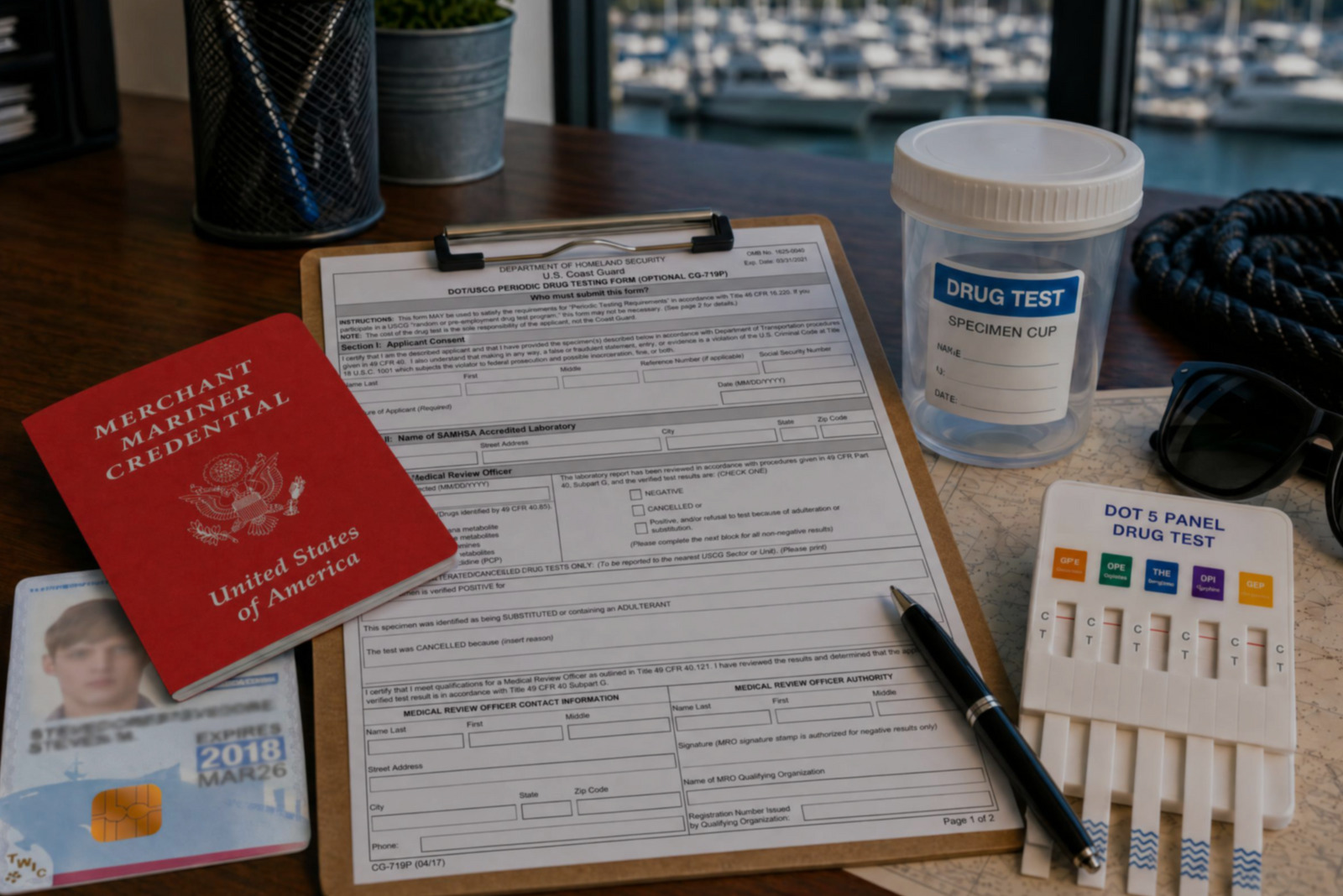

Discover the three types of drug tests working captains must submit to even after they’ve met the initial USCG drug testing requirements for their license.
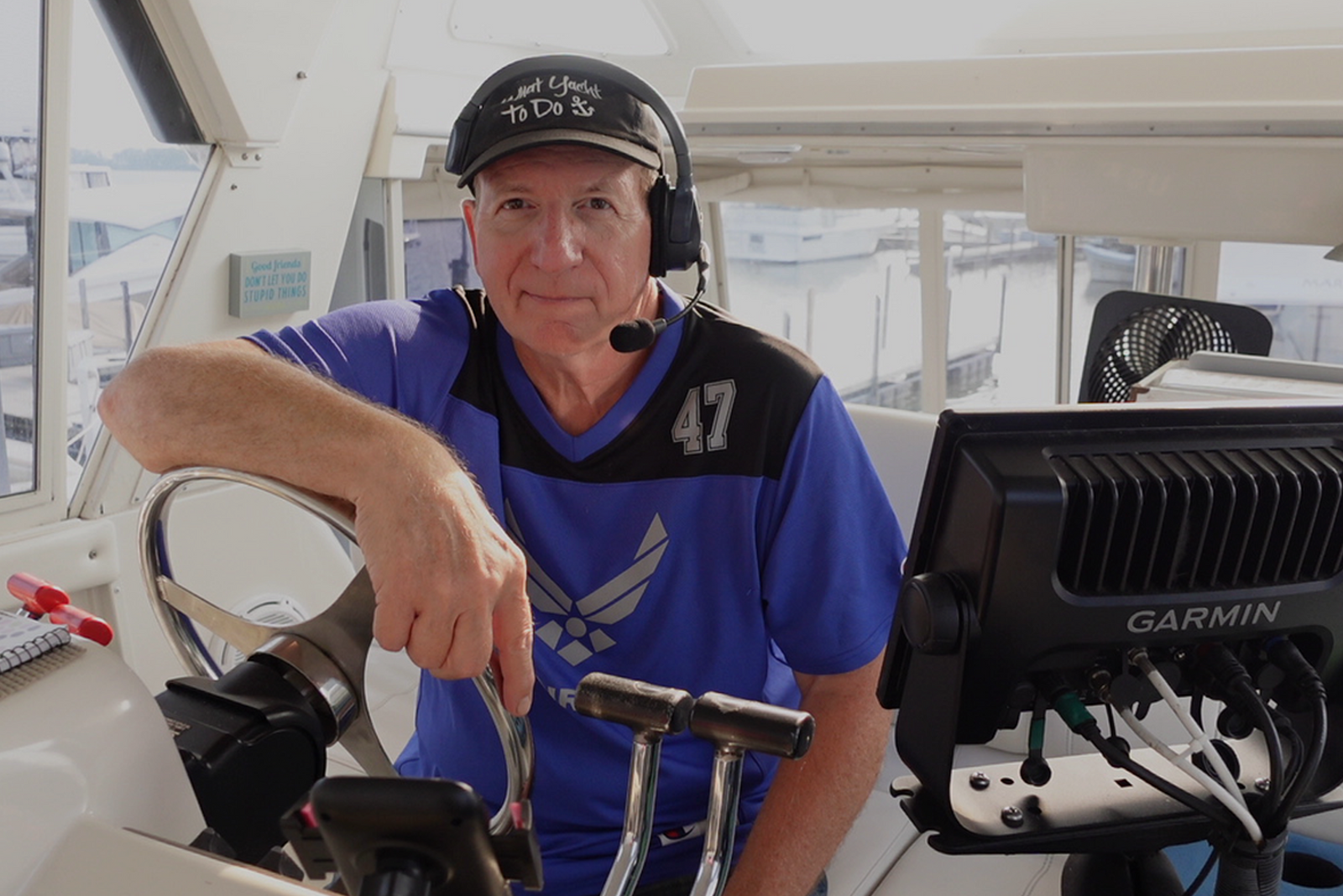

Discover how a retired airline pilot became obsessed with the Great Loop and built a thriving captain training business through Mariners Learning System.


Learn which substances the MMC drug test looks for, plus how masking agents and false positives factor in.


Discover the five most common mistakes mariners make on the captain’s license physical, plus a checklist for how to avoid them.
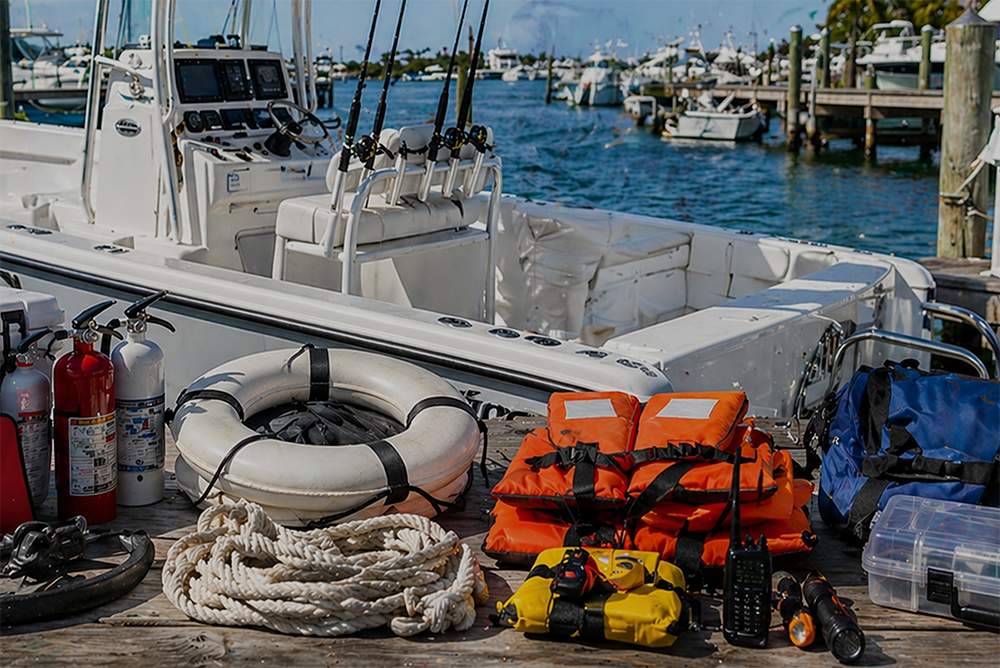

Discover why so many charter captains run out of money and how to plan every startup cost from your vessel purchase to guest-ready outfitting.

Learn how to build a charter business plan that covers pricing, expenses, and marketing so your captain’s license leads to lasting profit.


Transform how you talk about price with proven anchoring strategies and value-first framing that stops charter guests from shopping around.
Discover how charter captains use hybrid pricing models and seasonal adjustments to increase revenue and simplify bookings for every guest type.