

Meet Navi: Your 24/7 AI Instructor Inside the MLS Classroom
Unlock 24/7 access to Navi, an AI instructor trained on MLS course material, so you can ask questions, run practice quizzes, and nail your captain’s exam.


You’ve got your captain’s license, a boat, and the drive to build a business. But when you search online for “charter business ideas,” you find the same generic advice everywhere.
Successful charter businesses aren’t built on broad concepts. They’re built on specific services that match customer needs. In this blog post, we’ll break down six proven charter models that licensed captains use to generate consistent income, from sunrise fishing trips to scheduled water taxi routes.

Fishing charters are one of the most established ways to monetize your captain’s license. These trips appeal to everyone from vacationing families to serious anglers, and they can run year-round in the right markets.
As a fishing charter captain, you don’t just drive to a spot and drop lines. You select bait, read conditions, manage expectations, and keep spirits high when fish aren’t biting. You handle gear, teach technique, and create photo moments that become vacation highlights.
The best fishing charter captains build repeat business over decades. They know their waters intimately and adjust their approach based on who’s aboard: patient instruction for kids, technical guidance for experienced anglers, or simple relaxation for tourists who just want to be on the water.
This model works best if you enjoy early mornings, hands-on work, and the satisfaction of putting clients on fish. You’ll need patience for teaching, stamina for long days, and commitment to maintaining gear and cleaning up after every trip.
Sightseeing and eco-tours attract guests who want to experience nature without the pressure of catching anything. These trips draw families, seniors, school groups, and tourists looking for a safe, engaging way to explore local waters.
Your role changes from fish-finder to educator and storyteller. Some captains recite scripted narration about local history and wildlife. Others provide casual commentary based on what appears that day.
Either way, your personality and knowledge turn a simple boat ride into a memorable experience.
These tours have broad market appeal:
Success in this niche requires interest in your local ecosystem, comfort speaking to groups, and the ability to adapt your presentation to different audiences. You’re creating an experience that competes with museums, walking tours, and other activities for tourists.
Some charters focus entirely on atmosphere and emotion. Sunset cruises, proposal trips, anniversary celebrations, and birthday parties fall into this category. Your value comes from setting the mood, managing details, and helping create lasting memories.
These trips are highly visual and emotional. Many of your guests have never been on a small boat before. They need to feel safe, special, and celebrated.
While trips are often just one to two hours, they command premium prices because of their emotional significance.
The work requires attention to ambiance and service. You coordinate with clients about music preferences, help with surprise proposals, keep the champagne cold, and capture photos at the perfect moment. You’re part captain, part event coordinator, and part photographer.
This model suits captains who enjoy hospitality, work well in emotional situations, and appreciate the flexibility of evening and weekend scheduling. You’ll see more proposals, tears of joy, and family-oriented celebrations than any other charter type.
Many boat owners need help learning their vessels. Instruction-based charters fill this gap by teaching docking, anchoring, navigation, and boat handling on the water, often using the client’s own boat.
Your value comes through patience, clear communication, and structured teaching. Most clients are nervous new boaters who’ve realized that owning a boat and operating it safely are two different beasts. They need someone who can explain, demonstrate, and guide them through repeated practice without judgment.
These trips often book during weekdays and pay hourly rates compared to other professional instruction. Clients often schedule multiple sessions as they build confidence with different skills.
The model offers low overhead since you often use client vessels. It works best for calm, patient captains who enjoy helping others become safer, more confident boaters. You’re not entertaining; you’re empowering.
Water taxis provide practical transportation between waterfront locations. These services thrive in areas with limited bridges, heavy traffic, or popular waterfront destinations. They’re less about tourism and more about utility.
Passengers might include resort guests heading to dinner, contractors reaching island job sites, wedding parties moving between venues, or locals avoiding traffic. Trips are short, frequent, and based on efficiency rather than experience.
Success requires punctuality, organization, and a vessel suited for quick boarding. You’re running a tight schedule, managing capacity, and focusing on safe, timely transport.
Some operators run fixed routes like a bus service. Others operate on demand, like a marine rideshare.
This model suits captains who prefer logistics over hospitality, enjoy staying busy with back-to-back trips, and operate in areas with transport demand.
Beyond traditional categories, creative captains develop unique services that match local opportunities. These might combine elements from other charter types or serve new markets.
Popular hybrid services include:
Some captains partner with local businesses: wineries, restaurants, wedding planners, fitness studios, etc.
These services often take longer to market but face less direct competition. Success comes from identifying unmet local demand and creating experiences that don’t exist elsewhere in your market.
The model rewards creativity, partnerships, and willingness to test new concepts. You’re not following a template; you’re creating one.

Captain Marcus launched his charter business in Clearwater with a 24-foot center console.
Initially, he tried offering everything: fishing, tours, sunset cruises, and even water taxi service. He spread himself thin buying different equipment, advertising to different markets, and trying to be everything to everyone.
After six months of mediocre bookings, he analyzed his numbers. His sunset cruises consistently sold out, while fishing trips struggled against established competition. Guests raved about his storytelling and local knowledge during evening trips, but seemed disappointed when his fishing charters produced average catches.
Marcus pivoted entirely to sunset experiences. He invested in comfortable seating, a quality sound system, and partnered with a local wine shop for specialty packages.
Within a year, he was booked solid for sunset cruises throughout the season, charging premium prices, and working with five local hotels that recommended his service exclusively. During peak summer months, he was often turning away bookings due to demand.
By focusing on one service he could deliver well, he built a sustainable business that matched his strengths.
Building a charter business starts with choosing the right service model. The captains who succeed aren’t necessarily the ones with the newest boats or biggest marketing budgets. They’re the ones who picked a niche that matched their skills, their vessel, their location, and their personality.
Take time to evaluate what type of service energizes you rather than drains you. Your business will reflect your enthusiasm, and customers will notice the difference between a captain who loves what they do and one who’s just going through the motions.
Ask a question, share an experience, or add a helpful tip related to this article. Comments may appear after review to prevent spam.
Unlock 24/7 access to Navi, an AI instructor trained on MLS course material, so you can ask questions, run practice quizzes, and nail your captain’s exam.


Learn what questions to ask and how to prepare for a captain’s license drug test to ensure you avoid the most common application delays.
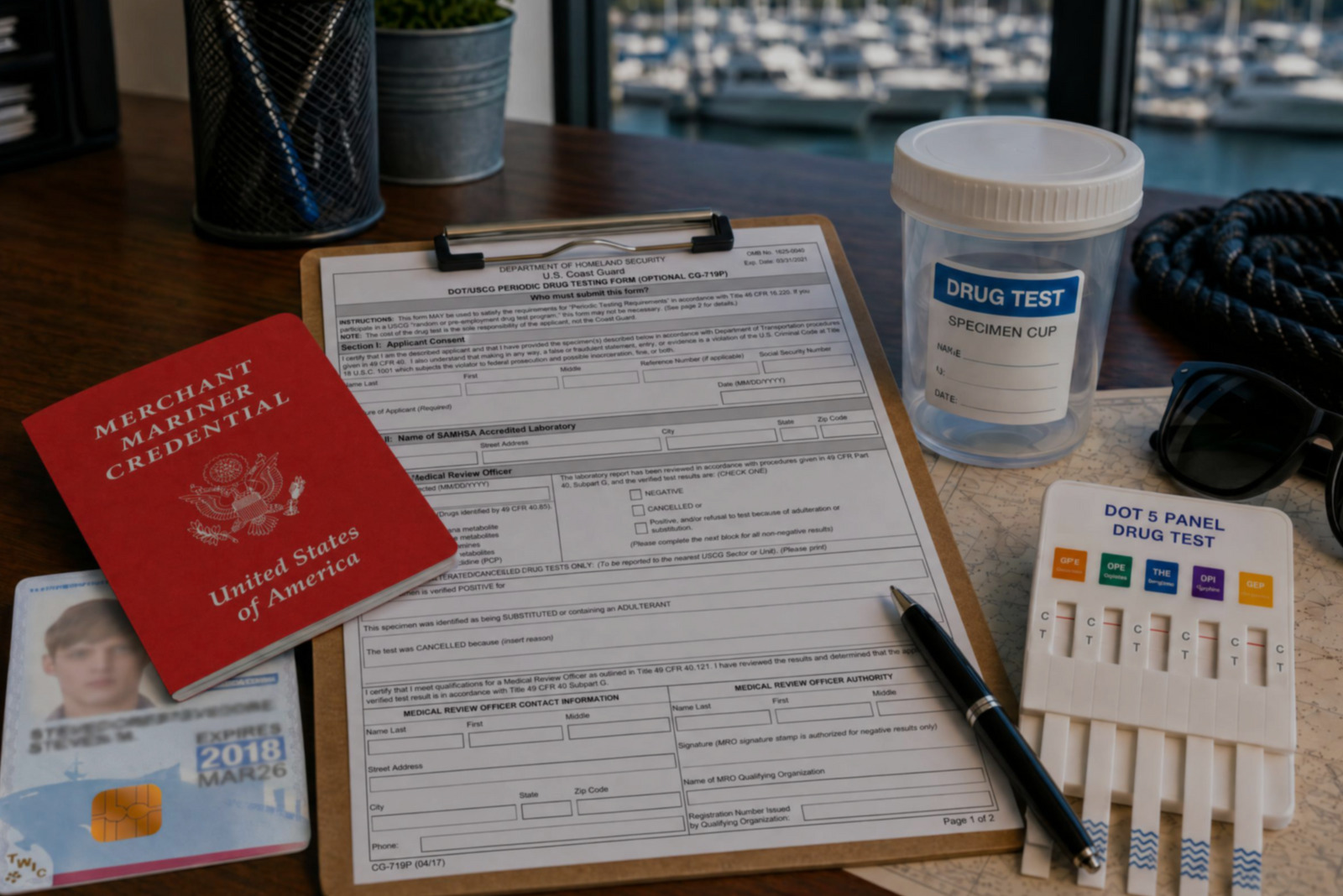

Discover the three types of drug tests working captains must submit to even after they’ve met the initial USCG drug testing requirements for their license.
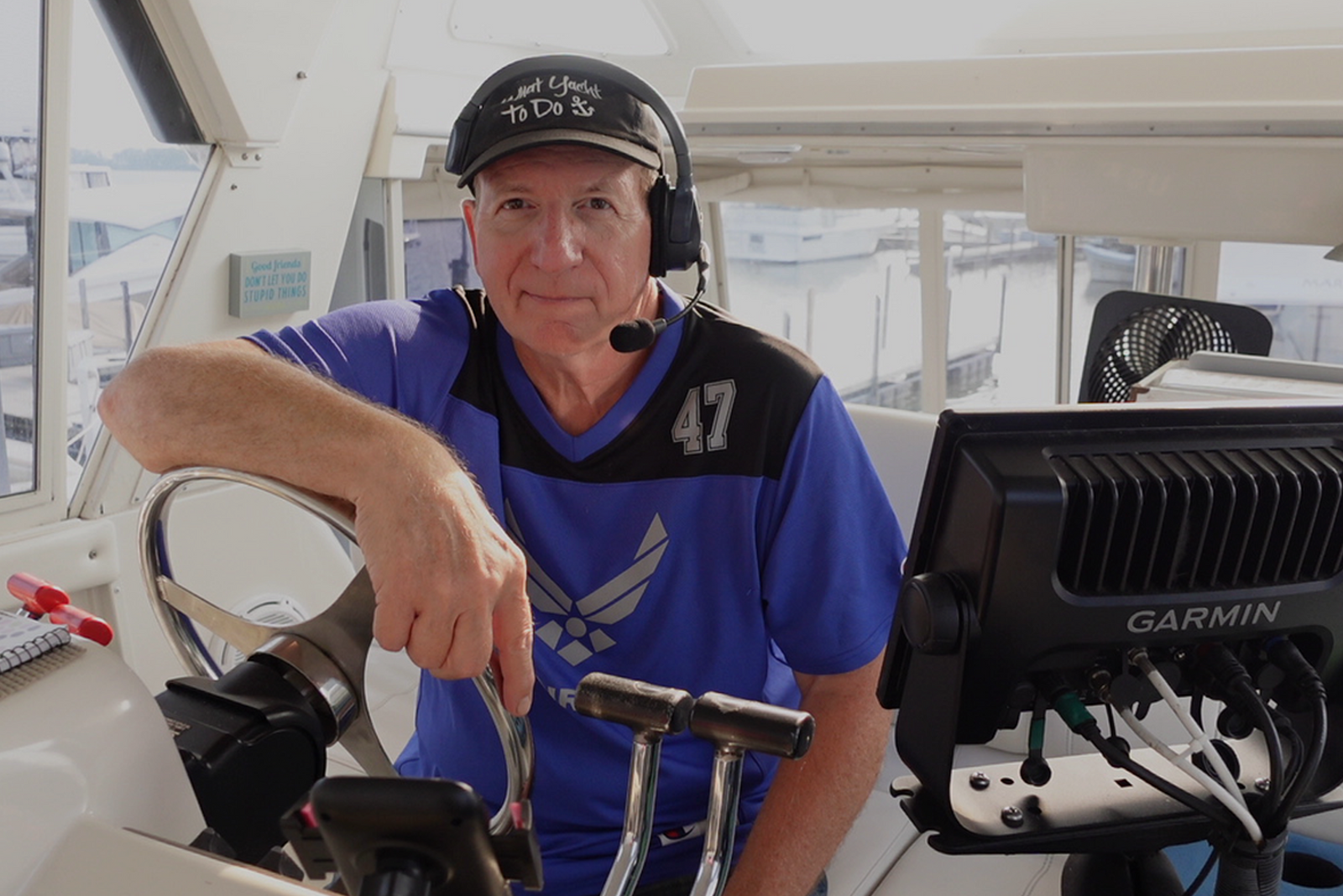

Discover how a retired airline pilot became obsessed with the Great Loop and built a thriving captain training business through Mariners Learning System.


Learn which substances the MMC drug test looks for, plus how masking agents and false positives factor in.


Discover the five most common mistakes mariners make on the captain’s license physical, plus a checklist for how to avoid them.
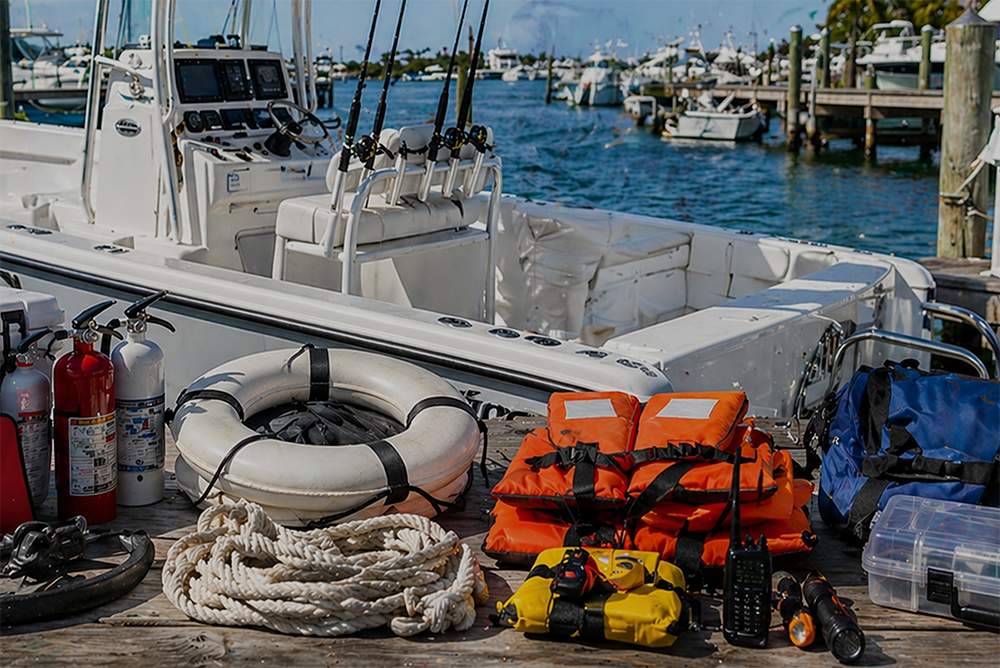

Discover why so many charter captains run out of money and how to plan every startup cost from your vessel purchase to guest-ready outfitting.

Learn how to build a charter business plan that covers pricing, expenses, and marketing so your captain’s license leads to lasting profit.

Transform how you talk about price with proven anchoring strategies and value-first framing that stops charter guests from shopping around.


Discover how charter captains use hybrid pricing models and seasonal adjustments to increase revenue and simplify bookings for every guest type.