

Meet Navi: Your 24/7 AI Instructor Inside the MLS Classroom
Unlock 24/7 access to Navi, an AI instructor trained on MLS course material, so you can ask questions, run practice quizzes, and nail your captain’s exam.


If you’re working toward your USCG captain’s license, sea time is the largest and most time-consuming requirement you’ll need to clear.
I get a lot of questions from mariners about what counts, how to document it, and where people get tripped up.
Below, I’ll walk through the captain’s license sea time FAQs I hear most often.
The baseline requirement for earning your captain’s license is straightforward:
You’ll document your time on the Coast Guard’s sea service form, which they’ve set up like a calendar. Twelve “month” columns line the top, with five “year” rows beneath. In each slot, you’ll estimate your sea time to the best of your ability.
It’s important to be as accurate as possible here. Gathering signatures early and keeping a logbook can help. While perfection isn’t expected, the Coast Guard values honesty highly. If they spot inconsistencies in your reported sea time — like days on a lake they know was frozen that month — they’ll delay or even reject your application.

Let’s look at the top frequently asked questions about captain’s license sea time:
Yes. The vast majority of people earn their captain’s license sea time on recreational vessels.
If it’s your boat, you can sign off on your own time. If it’s a friend’s or family member’s boat, they’ll need to sign off on your time. And your experience counts regardless of whether you’re on the water alone or with passengers.
Absolutely. Your sea time can be on one body of water or many, and across multiple boats.
Where you’ve boated influences which license authority you qualify for (like Inland vs. Near Coastal), not whether your days count. If you’re going for a Master license in a specific tonnage, you’ll need to ensure you have enough time on the right size vessel.
Yes, boating in international waters can count toward your captain’s license sea time. Again, if this was on your own boat, you can sign off on your time. If it was on someone else’s boat — say, a bareboat charter in the BVIs — have the company or boat owner provide a letter or sign the form.
The minimum age for earning captain’s license sea time is 16, so you can count days all the way back to your 16th birthday. The complication with older time, though, is that it can be hard to verify.
As years go by, people move away or pass on, and boats change hands. In these cases, if you don’t already have signed certification of your sea time and can’t get it, the time likely won’t count.

In the Coast Guard’s eyes, a “day” of sea time means being underway for four hours or more. You can only claim one day per 24-hour period (even if you were out for eight hours), though back-to-back overnight runs that cross midnight might yield two days.
Yes, with the right signatures. Time on club boats or rentals can count, and bareboat charters count as well. Just make sure the owner or charter company signs off your captain’s license sea time on the form or via a letter.
No, and this is one of the biggest myths surrounding captain’s license sea time.
If you own the vessel, you can sign off on your time. If you use someone else’s boat, the owner (or their representative, e.g., a charter company) signs. The signer does not need to be a licensed captain.
Pro Tip: Fill out the form yourself first (leaving the signature blank) so all the boat owner has to do is sign the paperwork.
Some maritime military service can count, but with certain caveats.
The Coast Guard commonly credits about 60% of qualifying military sea service — but the keyword here is “qualifying.” Specifically, they’re looking at what duties you performed, not just whether you were physically on a ship. Navigational watchstanding and vessel operations typically count; unrelated roles may not.
You’ll also need to provide your official transcripts (not just a DD-214) to the Coast Guard. We recommend not waiting until the last minute to request these, as it typically takes some time to receive them.
To qualify for an OUPV Near Coastal license, you need at least 90 days operating beyond the boundary line. If all your time is on bays, rivers, and sounds, you’ll likely be issued an Inland license — which is perfect if that’s where you operate.
If 90 days of your “inland” time is on the Great Lakes, however, the Coast Guard will count those toward a Near Coastal license.
For a Master Near Coastal license, the requirement expands from 90 to 360 days.
Remember, your captain’s license sea time doesn’t have to come from commercial work, big boats, or crowded decks, though it certainly can. Recreational days, solo days, Great Lakes days, and international days can all add up, provided you document them properly.
Make sure you get the basics right — 360 total days, 90 recent, 4 hours per day, necessary signatures, clean paperwork — and you’ll keep your application moving without surprises.
The Coast Guard isn’t out to get you. They simply want to see evidence of your boating experience — and of your honesty about getting it.

Ask a question, share an experience, or add a helpful tip related to this article. Comments may appear after review to prevent spam.
Unlock 24/7 access to Navi, an AI instructor trained on MLS course material, so you can ask questions, run practice quizzes, and nail your captain’s exam.


Learn what questions to ask and how to prepare for a captain’s license drug test to ensure you avoid the most common application delays.
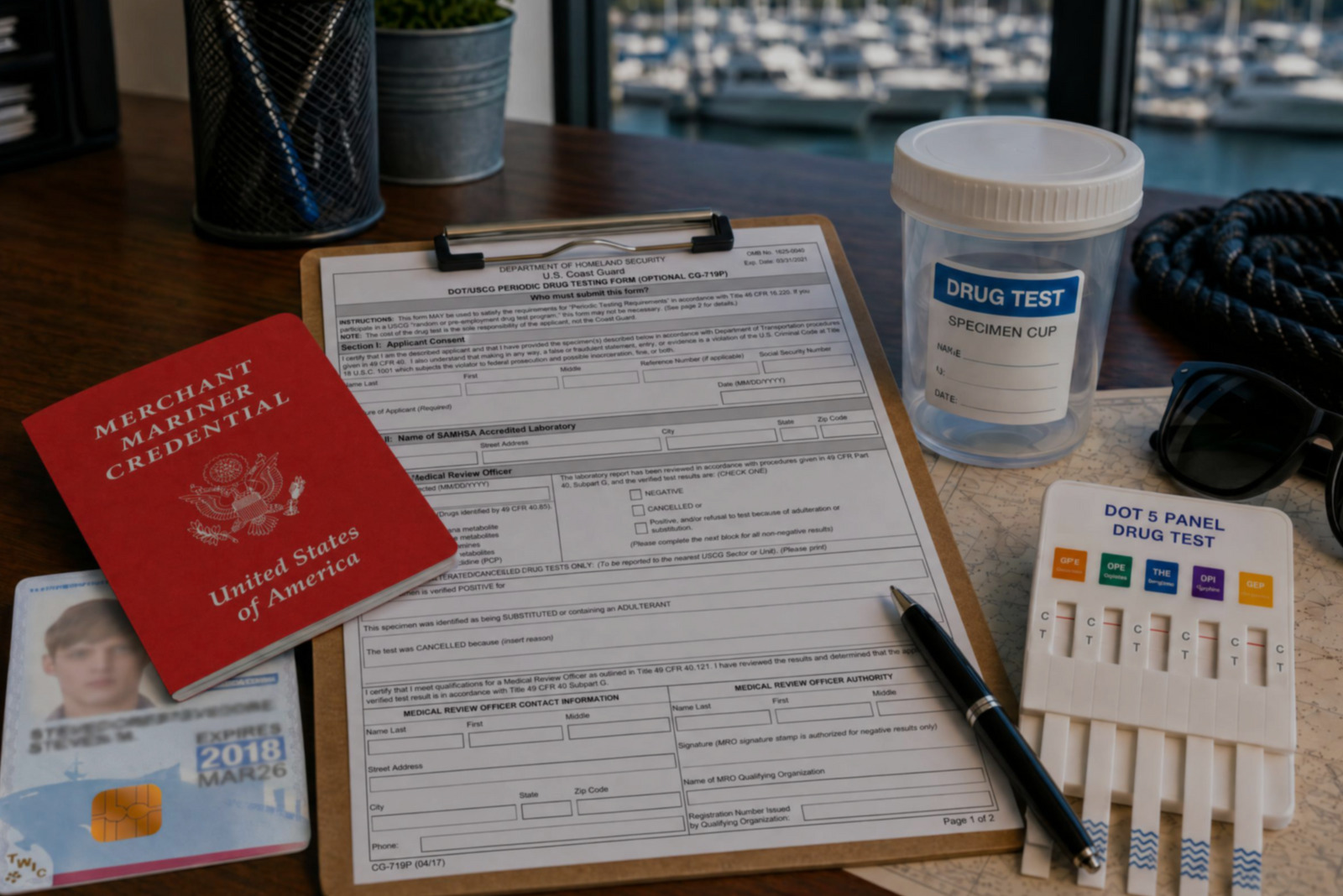

Discover the three types of drug tests working captains must submit to even after they’ve met the initial USCG drug testing requirements for their license.
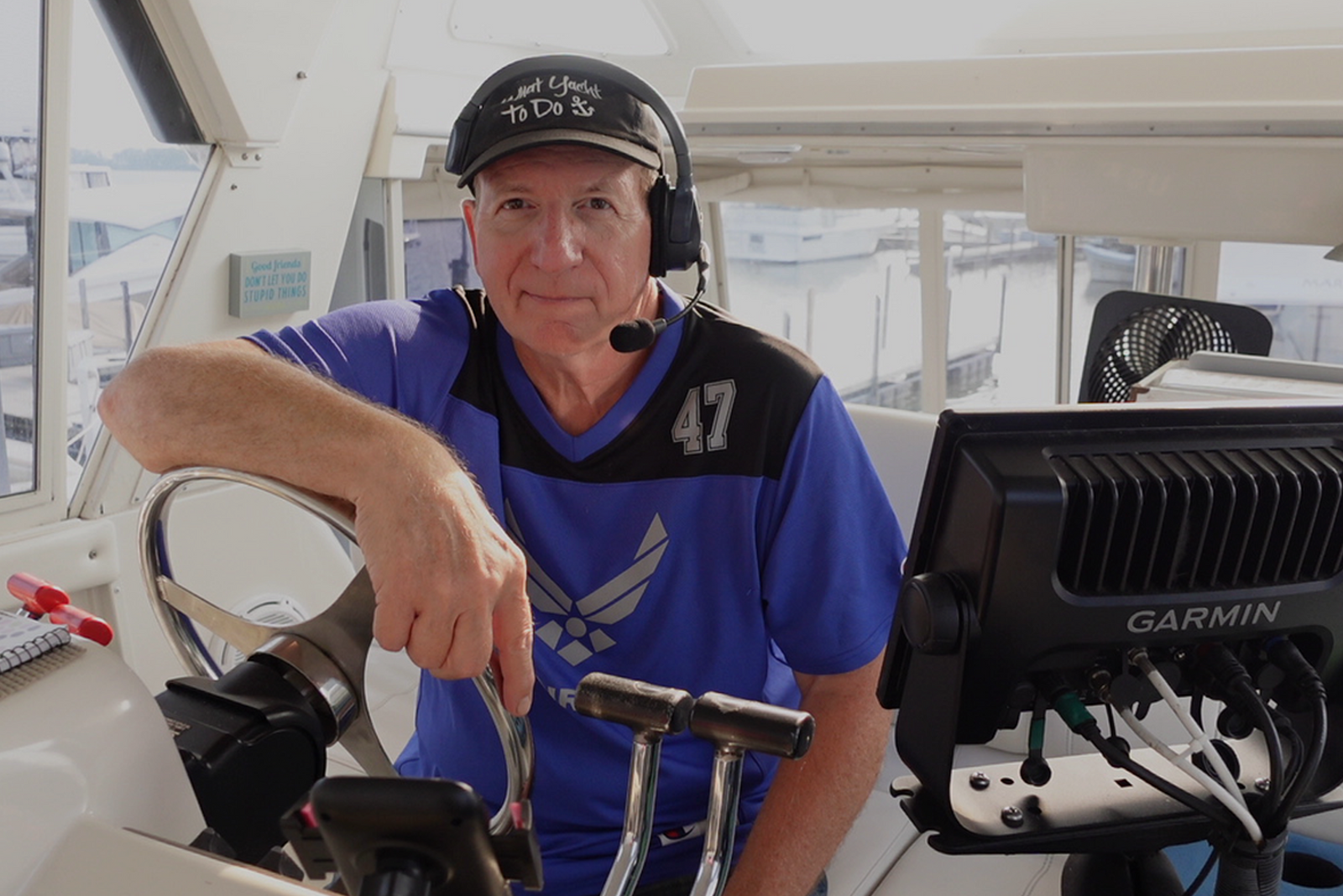

Discover how a retired airline pilot became obsessed with the Great Loop and built a thriving captain training business through Mariners Learning System.


Learn which substances the MMC drug test looks for, plus how masking agents and false positives factor in.


Discover the five most common mistakes mariners make on the captain’s license physical, plus a checklist for how to avoid them.
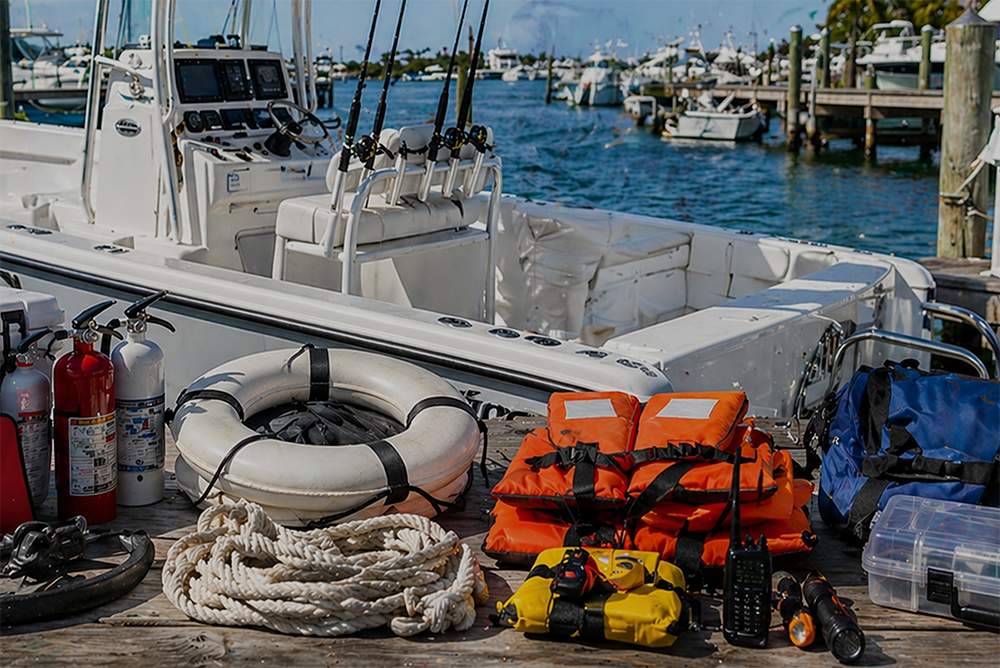

Discover why so many charter captains run out of money and how to plan every startup cost from your vessel purchase to guest-ready outfitting.

Learn how to build a charter business plan that covers pricing, expenses, and marketing so your captain’s license leads to lasting profit.

Transform how you talk about price with proven anchoring strategies and value-first framing that stops charter guests from shopping around.

Discover how charter captains use hybrid pricing models and seasonal adjustments to increase revenue and simplify bookings for every guest type.