

Meet Navi: Your 24/7 AI Instructor Inside the MLS Classroom
Unlock 24/7 access to Navi, an AI instructor trained on MLS course material, so you can ask questions, run practice quizzes, and nail your captain’s exam.


You’re answering the same booking question for the third time today. Meanwhile, your fuel receipts are scattered across the truck, and you still haven’t fixed that nav light that broke last week.
Most captains start out this way: focused on the next trip, not the next level. But there’s a difference between running a boat and running a business. One keeps you busy; the other builds your future.
Every minute you spend in your marine business falls into two categories.
Working in the business means handling daily operations: cleaning the boat, answering client calls, refueling between trips, managing gear, etc. These tasks keep the operation moving, but they don’t help it grow.
Working on the business means building systems that make operations easier: creating booking templates, setting up automated confirmations, planning maintenance schedules, and analyzing which trips actually make money.
Both matter, but if you spend all your time working in the business, you’ll hit a ceiling. You’re constantly reacting instead of building.
Start by dedicating one weekly hour to stopping tasks and asking questions: What would make this easier? More repeatable? More profitable?
Being the owner doesn’t mean doing everything yourself. It means taking responsibility for how things get done.
Whether you’re solo or managing a crew, you own:
This ownership shows up in specific questions: Are your margins high enough to survive slow weeks? Do you have a follow-up process for customers? Is maintenance proactive or reactive? Are you spending time on $100/hour decisions or $10/hour tasks?
Captains who stop thinking like employees and start thinking like owners don’t just run trips. They run systems.

The best marine entrepreneurs exhibit behaviors that set them apart from everyone else at the dock.

They think ahead. No last-minute scrambles for ice or gear. They plan bookings, weather windows, and maintenance weeks in advance.
They track performance. They know which trips generate profit, which ads bring customers, and which services waste time.
They systematize everything. Checklists for boat prep, templates for customer emails, standard procedures for common situations, etc.
They delegate and/or automate. They get help where they need it, freeing themselves for decisions only they can make.
They protect their reputation. They respond to reviews, manage their online presence, and treat every interaction as an opportunity to build their brand.
The ownership mindset shows up in small moments, not just business plans:
Daily ownership means identifying problems before they become expensive, documenting lessons and applying them, and staying consistent even when nobody’s watching.
Your most limited resource isn’t money. It’s time.
Every repetitive task you handle manually is an opportunity for a system. Answering the same question, restocking the same supplies, writing the same message: these are time thieves.
If you do something three times in a week, document it once. That becomes a template, checklist, or automated process. Even 30 minutes of system-building weekly returns hours over months.
Track your time for one week, and note every task that takes more than 15 minutes. Circle the ones you do repeatedly. Those are your system-building priorities.
Captain James bought a 24-foot center console and started running inshore fishing trips out of Morehead City.
His first season was chaotic. He’d forget to buy ice, double-book Saturdays, and spend hours each night answering texts about the same questions: What should we bring? Where do we meet? What if it rains?
Year two looked different. James created a morning prep checklist that lived on his phone. He switched to an online booking calendar that blocked time automatically and wrote ten standard responses for common questions and saved them as phone shortcuts. He spent Sunday evenings planning the week ahead instead of scrambling each morning.
By year three, James had systematized nearly everything. He hired a part-time mate to handle boat prep using his documented procedures and added a second boat to his operation. Now, he works fewer hours than in year one but makes three times the revenue.
The difference? He stopped thinking like a deckhand and started thinking like an owner.
Take 10 minutes today to identify one recurring task that eats up your time. Maybe it’s answering the same question, prepping the same gear, or handling the same situation.
Write down how you handle it now. Then ask: How could I do this once instead of weekly?
That single system might save you 30 minutes a week. Over a season, that’s 20 hours: enough time to add more trips, raise your prices, or actually enjoy a day off.
The difference between captains who struggle and captains who succeed isn’t skill or luck. It’s mindset. Start thinking like an owner today and watch your business thrive.
Ask a question, share an experience, or add a helpful tip related to this article. Comments may appear after review to prevent spam.
Unlock 24/7 access to Navi, an AI instructor trained on MLS course material, so you can ask questions, run practice quizzes, and nail your captain’s exam.


Learn what questions to ask and how to prepare for a captain’s license drug test to ensure you avoid the most common application delays.
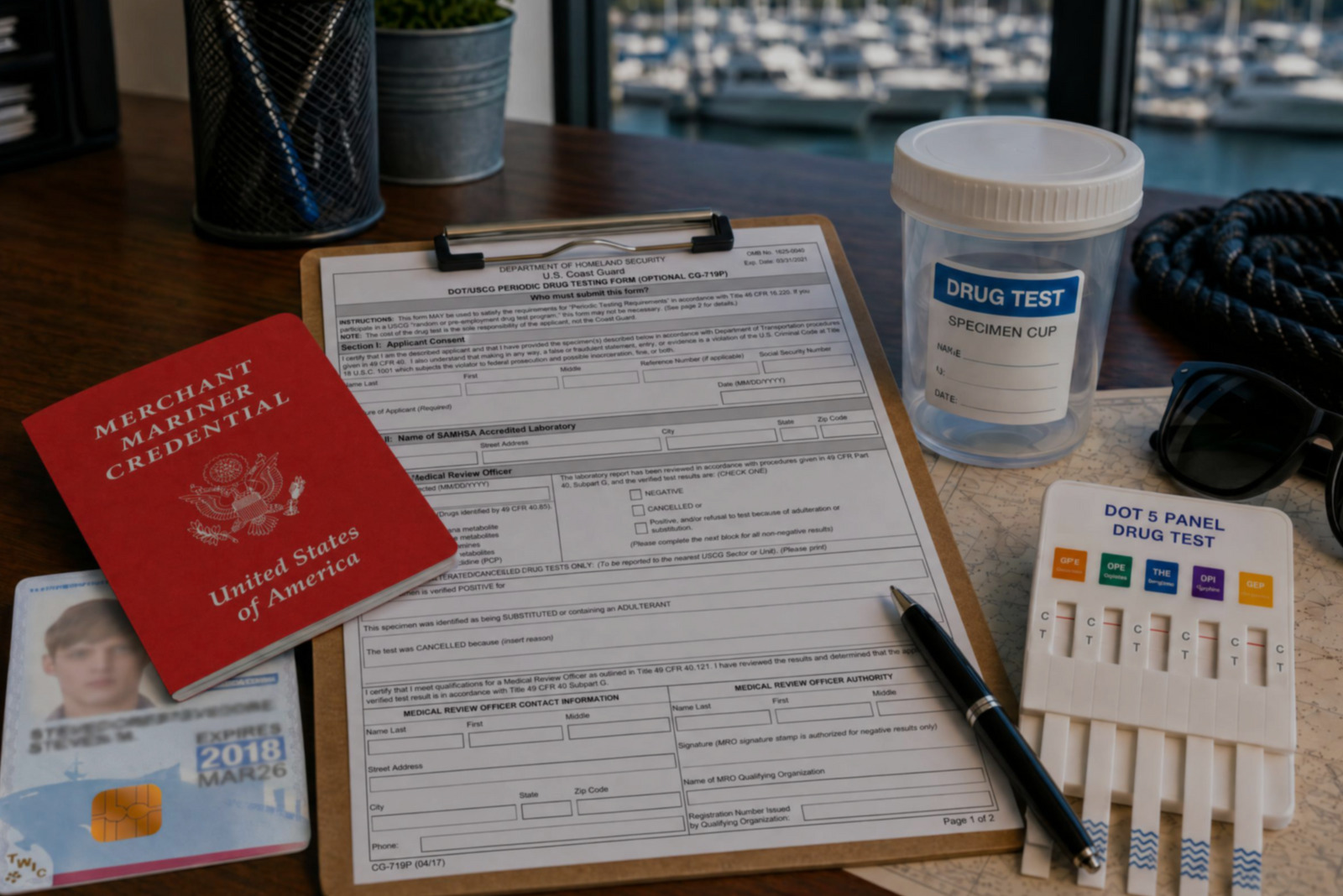

Discover the three types of drug tests working captains must submit to even after they’ve met the initial USCG drug testing requirements for their license.
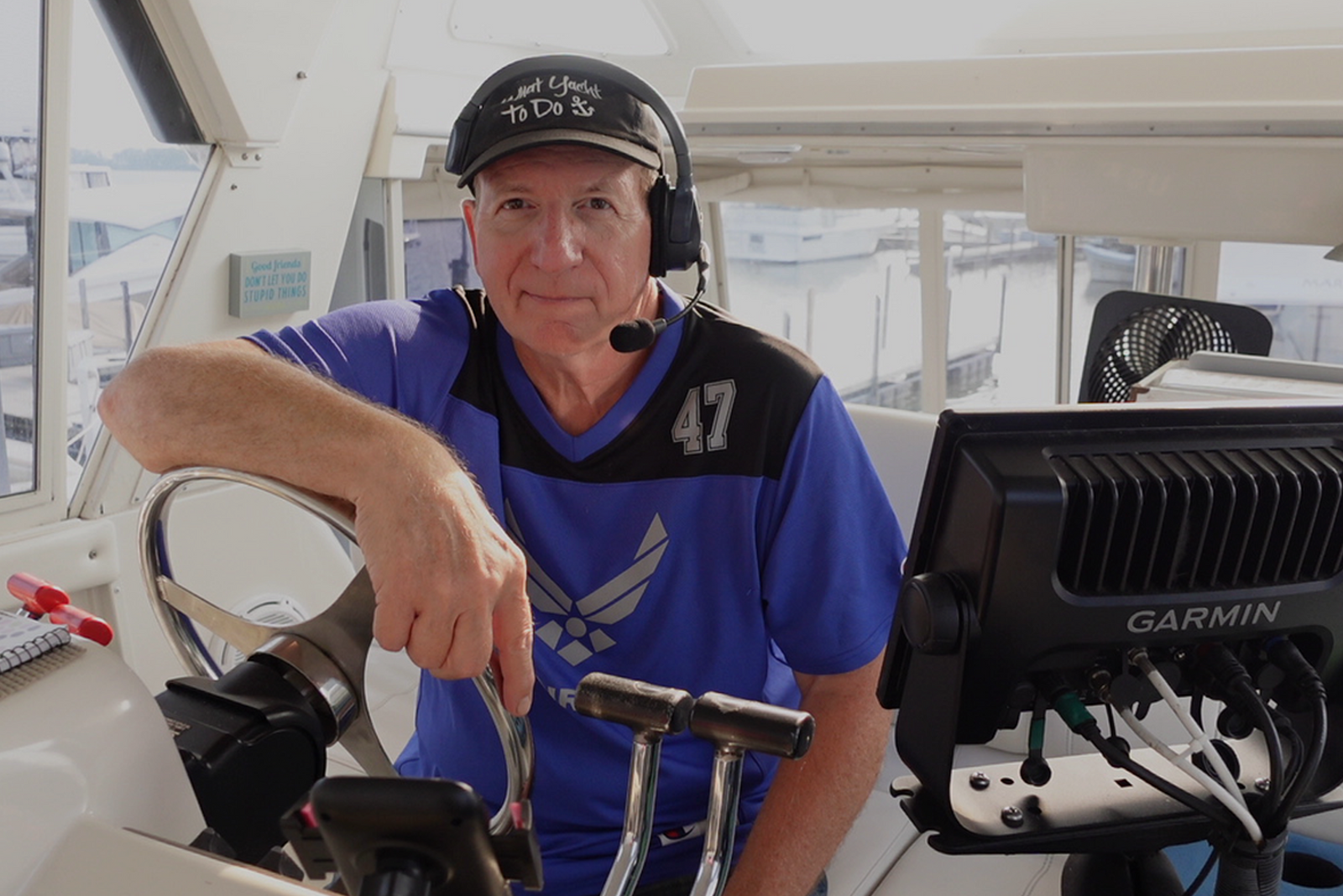

Discover how a retired airline pilot became obsessed with the Great Loop and built a thriving captain training business through Mariners Learning System.


Learn which substances the MMC drug test looks for, plus how masking agents and false positives factor in.


Discover the five most common mistakes mariners make on the captain’s license physical, plus a checklist for how to avoid them.
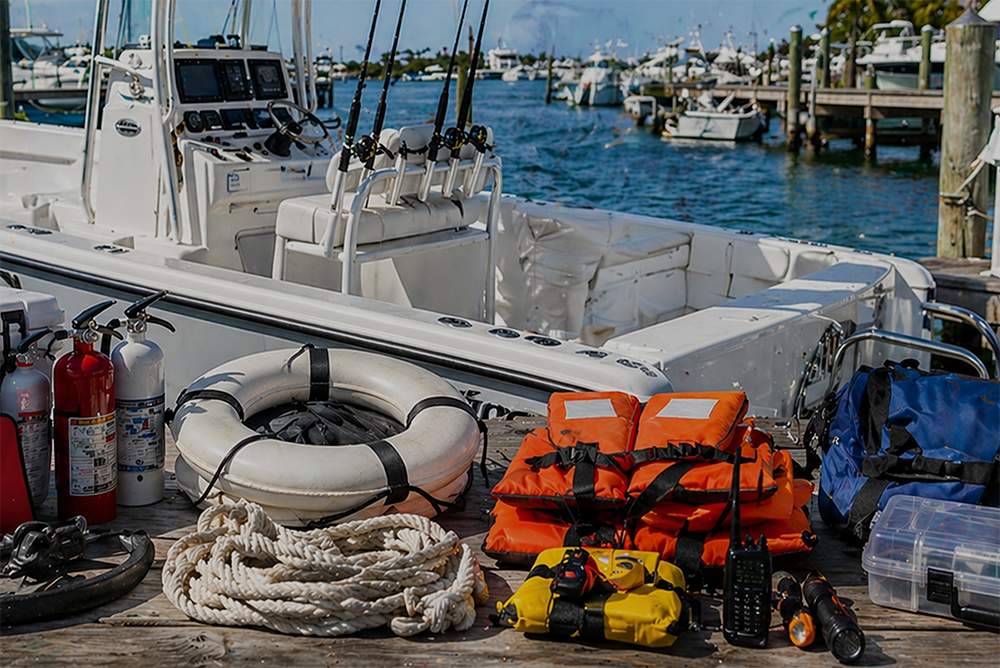

Discover why so many charter captains run out of money and how to plan every startup cost from your vessel purchase to guest-ready outfitting.

Learn how to build a charter business plan that covers pricing, expenses, and marketing so your captain’s license leads to lasting profit.

Transform how you talk about price with proven anchoring strategies and value-first framing that stops charter guests from shopping around.


Discover how charter captains use hybrid pricing models and seasonal adjustments to increase revenue and simplify bookings for every guest type.