

Meet Navi: Your 24/7 AI Instructor Inside the MLS Classroom
Unlock 24/7 access to Navi, an AI instructor trained on MLS course material, so you can ask questions, run practice quizzes, and nail your captain’s exam.

Your docking was flawless. Your navigation was perfect. But the family who chartered your boat left a two-star review because they “felt rushed and confused.”
Technical skills get you licensed, but communication, planning, and leadership get you booked, tipped, and recommended. The difference between good captains and great captains isn’t how they handle the helm. It’s how they handle people.

Every word you speak distinguishes your brand and authority on the water.
Great captains communicate with three qualities:
The important communication moments happen at welcome and greeting, during safety explanations, when sharing the trip plan, while handling questions, and when responding to unexpected changes.
Practice your welcome and safety talk out loud until it flows naturally. Record yourself if you need to, then adjust the tone to match your brand: professional, warm, playful, or a combination.
The best captains don’t just show up and figure it out. They plan because structure reduces stress, and predictability builds trust.
Professional planning includes:
The captain still hosing down the deck as guests board comes off as amateur. The one who’s ready and welcoming looks worth the premium price.
Leadership isn’t control. It’s presence. It’s how you speak, how you act, and how you handle responsibility when trips don’t go as planned.
Leadership matters most when weather forces route changes, passengers become nervous, sick, or difficult, equipment fails unexpectedly, children (or adults!) won’t follow safety rules, or customers push boundaries.
Remember, you set the tone for every trip. You make clear decisions when conditions change. You take responsibility for the experience. You keep people calm and informed. You act in ways that build confidence.
Passengers don’t expect perfection. They expect you to handle imperfection professionally.
Most problems don’t start on the water. When expectations are unclear, they start before the trip.
When customers don’t know what to expect, they arrive late or at the wrong location, bring extra people without asking, assume weather cancellations mean full refunds, and expect services you don’t provide.
Set expectations through confirmation emails with clear bullet points, FAQ sections on your website, text message reminders the night before, and verbal recaps at the dock. Written clarity prevents conflicts and improves each guest’s experience.

Captain Jennifer operates a 28-foot catamaran in San Francisco Bay.
Her first year was rough. She’d forget to mention the cold wind, and passengers would show up in shorts, then complain about the weather. Her safety briefings were different every time, which confused some guests and bored others. She averaged 3.8 stars on review sites and struggled to get repeat bookings.
Her operation changed during year two. She:
Her reviews jumped to 4.9 stars. Bookings doubled. Now she runs one of the most requested sailing experiences in the bay, with most of her summer booked by April.
Think about your last difficult trip. What went wrong?
Now trace it backward. Could better communication have prevented it? Would planning have helped? Did leadership in the moment make it better or worse?
Pick one area: communication, planning, or leadership. Improve it this week. Script your safety briefing. Create a prep checklist. Write a customer expectation email.
Soft skills multiply the value of your technical abilities. Master them, and watch how your business changes from good to exceptional.
Ask a question, share an experience, or add a helpful tip related to this article. Comments may appear after review to prevent spam.
Unlock 24/7 access to Navi, an AI instructor trained on MLS course material, so you can ask questions, run practice quizzes, and nail your captain’s exam.


Learn what questions to ask and how to prepare for a captain’s license drug test to ensure you avoid the most common application delays.
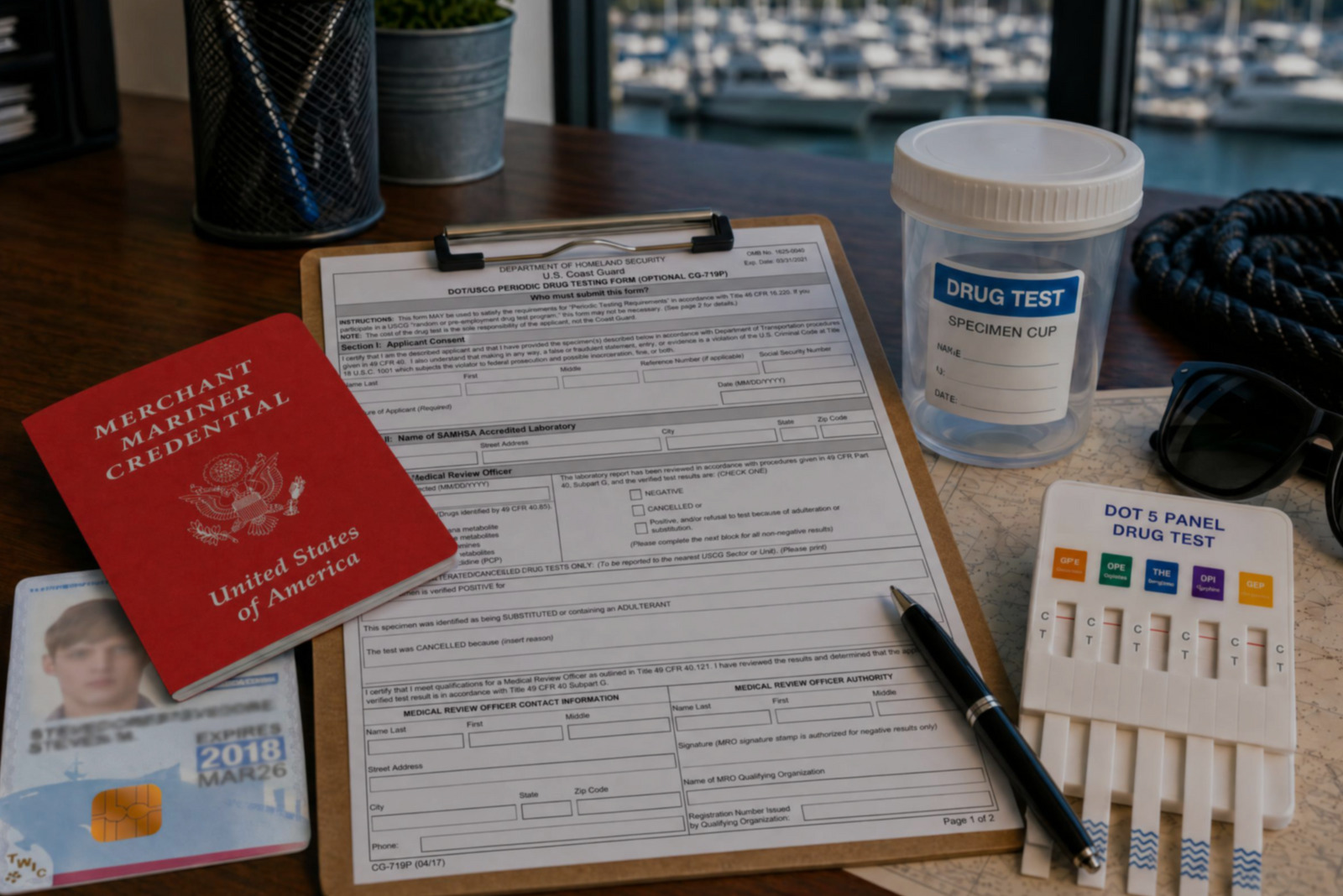

Discover the three types of drug tests working captains must submit to even after they’ve met the initial USCG drug testing requirements for their license.
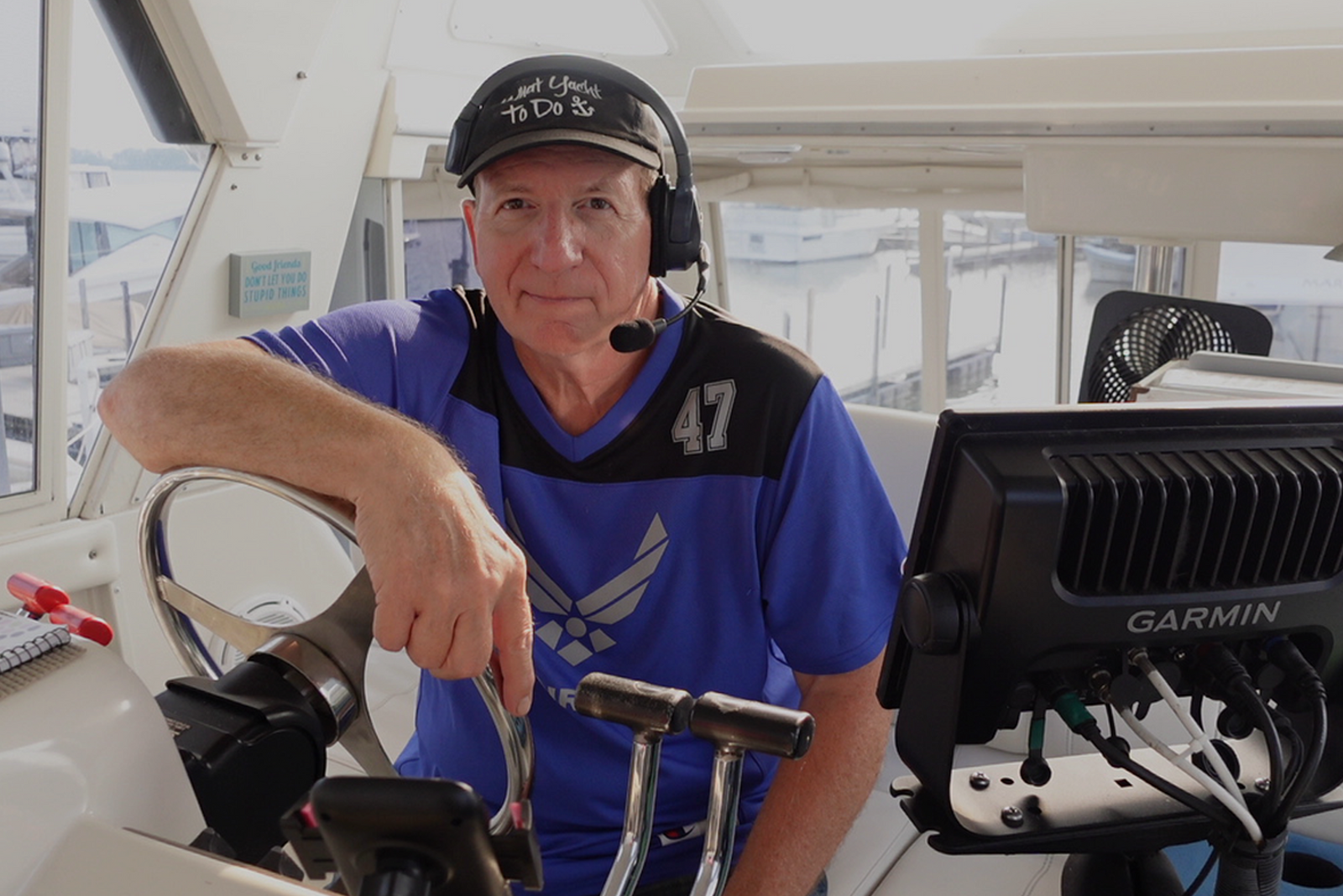

Discover how a retired airline pilot became obsessed with the Great Loop and built a thriving captain training business through Mariners Learning System.


Learn which substances the MMC drug test looks for, plus how masking agents and false positives factor in.


Discover the five most common mistakes mariners make on the captain’s license physical, plus a checklist for how to avoid them.

Discover why so many charter captains run out of money and how to plan every startup cost from your vessel purchase to guest-ready outfitting.

Learn how to build a charter business plan that covers pricing, expenses, and marketing so your captain’s license leads to lasting profit.

Transform how you talk about price with proven anchoring strategies and value-first framing that stops charter guests from shopping around.


Discover how charter captains use hybrid pricing models and seasonal adjustments to increase revenue and simplify bookings for every guest type.