

Overview of the 25/50/100 Ton Master’s License
The 25/50/100 Ton Master’s license is a high-level USCG captain’s license. It lets you run inspected vessels that carry seven or more paying passengers, and it includes full OUPV/Six-Pack authority. Your tonnage and route depend on the sea service you document.
Plenty of capable boaters skip the Master’s license because they assume it’s only for big commercial ships. That’s a mistake we see often. If you ever plan to carry more than six paying passengers, or run an inspected vessel like a dive boat or a harbor tour, the Master’s is the credential that makes it legal.
We built our course and exam around what you’ll do on the water, not test memorization. Here’s how the license works and how to tell which version you qualify for.
What the 25/50/100 Ton Master’s License Lets You Do
The Master’s license is the top captain’s credential the U.S. Coast Guard (USCG) issues to recreational and commercial mariners. It clears you to operate inspected vessels carrying seven or more paying passengers, and it carries the same authority as an OUPV/Six-Pack for up to six paying passengers on uninspected vessels, both power and sail. Near Coastal versions reach up to 200 miles offshore.
A 25/50/100 Ton Master’s license is what lets you run inspected vessels carrying more than six paying passengers, which an OUPV/Six-Pack can’t. You don’t have to earn a Six-Pack first. If you qualify, you can apply for your Master’s.
Master’s License vs. OUPV/Six-Pack: How They Compare
Both credentials come from the same USCG system, and our course material overlaps heavily, so the choice comes down to passengers, vessel type, and how far offshore you run. The OUPV/Six-Pack caps you at six paying passengers on uninspected vessels. The Master’s adds inspected vessels and a higher passenger count.
The Master’s license outranks the OUPV/Six-Pack on every axis that matters: passengers, vessel type, and offshore range.
|
Feature |
OUPV/Six-Pack |
25/50/100 Ton Master’s |
|
Paying Passengers |
Up to 6 |
7 or more (also covers 6 or fewer) |
|
Vessel Type |
Uninspected only |
Inspected and uninspected |
|
Max Vessel Size |
Up to 100 GRT |
Uninspected up to 100 GRT; inspected size set by your tonnage |
|
Offshore Range (Near Coastal) |
Up to 100 miles |
Up to 200 miles |
|
Citizenship |
U.S. citizen, with a narrow carve-out for lawful permanent residents on undocumented vessels |
U.S. citizen required |
|
Sea Time (Inland) |
360 days |
360 days |
|
Sea Time (Near Coastal) |
360 days, 90 beyond the boundary line |
720 days, 360 in near-coastal waters beyond the boundary line |
GRT means gross registered tons, a measure of a vessel’s enclosed volume, not its weight. Citizenship rules sit in a federal regulation, 46 CFR 10.221.
How the Coast Guard Decides Your Tonnage
Your tonnage, 25, 50, or 100 tons, depends on the size of the vessels you’ve actually served on, not on the boat you plan to run next. The Coast Guard reviews your sea service form and bases the license on that record. Both the amount of time and the gross tonnage of those vessels matter.
The Coast Guard sets the tonnage on your Master’s license from the documented sea service you submit on Form CG-719S. As a rough rule of thumb, time logged on larger vessels supports a higher tonnage: time on small vessels tends toward the 25-Ton, while time on heavier vessels can support the 50-Ton or 100-Ton.
Most applicants start with the 25-Ton. (The tonnage you are issued influences the inspected vessels you can operate; you can still operate uninspected vessels up to 100 GRT.) The Coast Guard reads your entire sea service record and applies its own tonnage formula, so the only way to know your tonnage for certain is to have the National Maritime Center evaluate your sea service.
Can I get a 25-Ton Master if I don’t have time on a 25-ton vessel?
Yes. Your tonnage comes from the size of the vessels you’ve served on, not from owning or running a 25-ton boat, so you can earn a 25-Ton Master’s without time on a vessel that exact size. For the precise vessel limits that count toward your time, check with the National Maritime Center.
If you meet the boating experience requirements for the OUPV, at a minimum, you will get a 25-Ton Master’s.
Inland, Great Lakes, and Near Coastal Routes
The Master’s license also carries a route, which sets where you can work commercially. The Coast Guard issues it for the Great Lakes, inland waterways, or Near Coastal waters out to 200 miles offshore. Where you earned your sea time drives which route you qualify for.
Route and tonnage are separate parts of the same Master’s license, and each depends on the sea time you can prove. A Master Inland needs 360 days of service. A Master Near Coastal needs 720 days, with 360 of those in near-coastal waters.

What Counts as an Inspected Vessel
Inspected vessels meet specific safety and construction standards set by the Coast Guard, and they require a Master’s license to operate. The Coast Guard inspects these boats and issues a Certificate of Inspection (COI) confirming the vessel meets the rules for its intended use. Carrying seven or more paying passengers almost always puts you on an inspected vessel.
Most boats are built with this COI in mind. A common question we hear is, “Can I get my recreational boat inspected?” This can be a very lengthy and costly process, so most people sell their boat to purchase an inspected one or add a second one to their fleet.
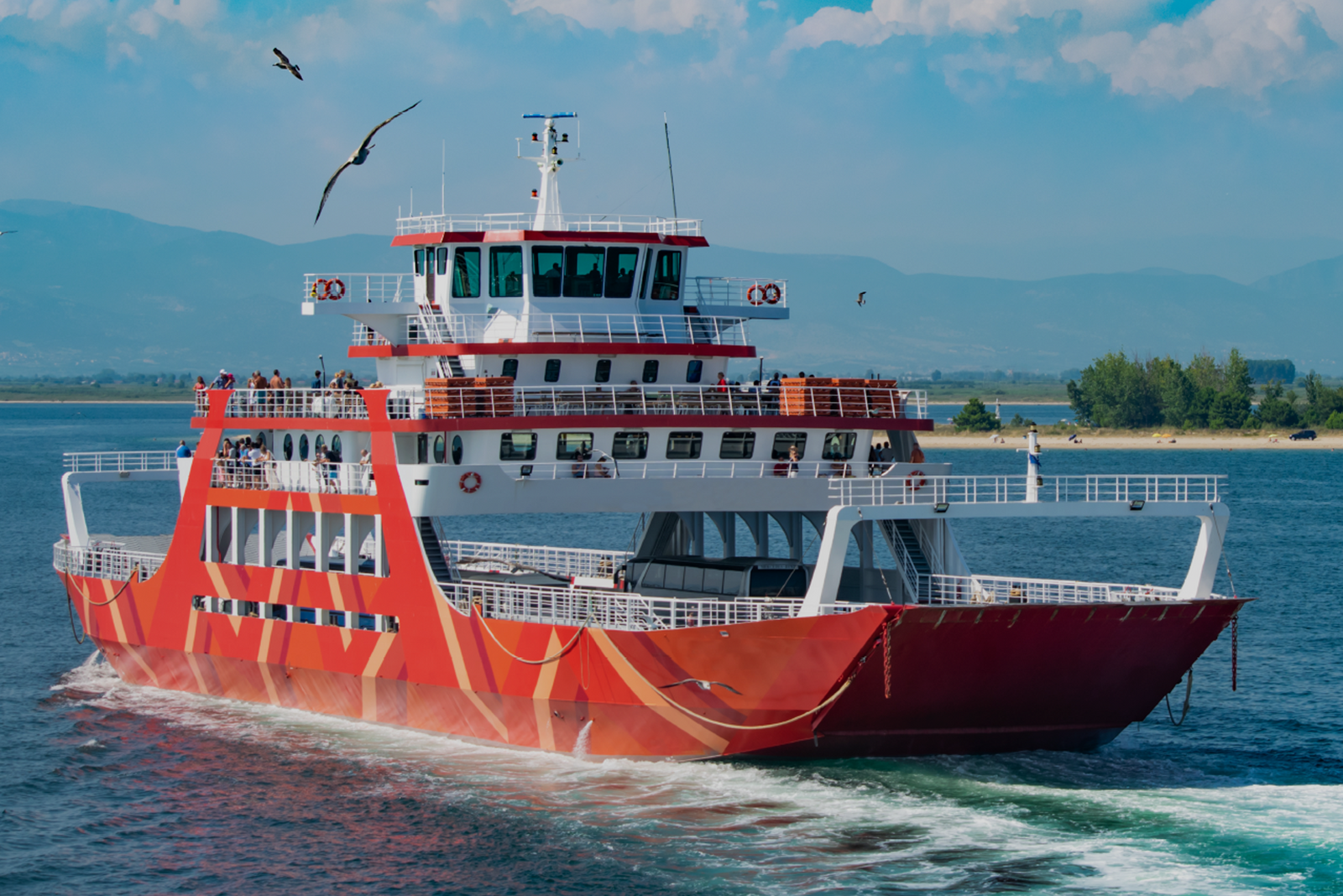
Running an inspected vessel is the line that separates a Master’s license from a Six-Pack, and it opens up work you can’t legally take with an OUPV. Common examples include:
- Ferry boats
- Harbor tour boats
- Sailing schooners
- Dive boats
- Whale-watching boats
Each of those is a job you can take on with a captain’s license once you hold the right credential.
How to Upgrade Your Tonnage or Route
You can raise your tonnage or change your route later as you log more time on larger vessels or in new waters. Increasing tonnage within the same scope, say 50-Ton to 100-Ton Master Inland, carries no written exam. Changing scope, like Inland to Near Coastal, does add a written requirement.
Upgrading a Master’s license is mostly a sea service question, so the Master requirements you document decide what you qualify for. For example, moving from a 50-Ton to a 100-Ton Master Inland generally means documenting more service on larger vessels, and a Near Coastal upgrade asks for more time still. The exact day-and-tonnage thresholds change with your route and history, so confirm your specific figures with the National Maritime Center before you apply, because the Coast Guard makes the final call.
Do I have to take the Six-Pack exam before the Master’s?
No. The Coast Guard doesn’t require a Six-Pack first. If your sea time qualifies you, you can apply directly for the Master’s.
Endorsements You Can Add to a Master’s License
Two endorsements attach to a Master’s license and widen what you can legally do. The Auxiliary Sailing Endorsement clears you to inspected sailing vessels (the OUPV allows you to operate uninspected sailing vessels) for hire. The Assistance Towing Endorsement clears you for paid towing work, like helping a disabled boat.
You can attach an Assistance Towing Endorsement or an Auxiliary Sailing Endorsement to a Master’s license to match the work you want. Pick the endorsement that fits your plans on the water.
Is the Master’s License Recognized Internationally?
The Master’s license carries authority you can use in international waters, with one firm condition. You must start and end the trip within United States waters, with the same paying passengers aboard the whole way. Other countries may require their own credentials on top of yours.
A Master’s license travels internationally, but the type of license you hold still has to start and end each trip in U.S. waters with the same passengers. Contact any country you plan to operate in to check what else they require.

Frequently Asked Questions About the 25/50/100 Ton Master’s License
How big is a 25-, 50-, or 100-ton vessel?
Tonnage tracks volume, not length, so these are rough guides. A 25-ton vessel usually runs 40 to 65 feet. A 50-ton vessel runs 50 to 70 feet, and a 100-ton vessel is generally 65 feet or more. For a step-by-step path, see our guide on how to get your Master’s license.
Can a non-citizen earn a Master’s license?
No. The 25/50/100 Ton Master’s license requires U.S. citizenship under 46 CFR 10.221.
How long does the Master’s course take?
We offer an 81-hour prescribed course, but because it is self-paced, most students report finishing in about 50–55 hours. You set your own schedule, so the calendar time is up to you. If you need more room, a course extension keeps your access open.
The Bottom Line on the Master’s License
Don’t let the word “Master” scare you off. If your plans involve more than six paying passengers or an inspected vessel, the 25/50/100 Ton Master’s license is the credential that makes that work legal, and your documented experience decides the rest. The Coast Guard sets your tonnage and route from your sea service, so the smartest move is to document your time well and apply for what you’ve earned.
Ready to start? See the 25/50/100-Ton Master Captain’s License course, or become a licensed captain with a clear plan in hand. If you have questions about tonnage, routes, or any other part of the application process, the team at Mariners Learning System is here to help. We’ve guided more than 200,000 students through this process, and we’re not going to let paperwork be the reason you don’t get your license.
Leave a Comment
Comments will be approved before showing up.