

Meet Navi: Your 24/7 AI Instructor Inside the MLS Classroom
Unlock 24/7 access to Navi, an AI instructor trained on MLS course material, so you can ask questions, run practice quizzes, and nail your captain’s exam.


Say you’re thinking of getting your Master captain’s license, or upgrading from your Six-Pack. You look at the options and see the 25-, 50-, and 100-ton Master’s licenses listed.
What on earth do those designations mean? How do you qualify for them? Do you have to work up through the stages? How big is a 25-ton vessel anyway? Or a 50, or a 100?
Frankly, Master captain’s license requirements can seem confusing at first glance, but they don’t have to be. Let’s break down the crucial distinctions of a Master’s license, how tonnage plays a role, and what that tonnage looks like in the real world.
If you’re looking into captain’s licenses for the first time, you may wonder whether you should pursue an OUPV/Six-Pack license or a Master captain’s license. Requirements for both are outlined by the U.S. Coast Guard primarily with safety in mind — that of your passengers and other boats on the water.
An OUPV/Six-Pack license authorizes you to operate uninspected vessels carrying up to six paying passengers plus one crew member. The main limitation with this license is passenger count versus size, and it works for vessels up to 100 gross tons.
A Master’s license flips this limitation, restricting vessel tonnage instead of passenger numbers. A Master’s license allows you to carry as many passengers as an inspected vessel’s Certificate of Inspection permits.
With a Master’s license, you can operate both inspected and uninspected vessels (within the six-passenger limit for the latter), making it the more versatile credential for commercial operations.
I always advise mariners to aim for the highest-level license they qualify for, even if they don’t plan on using it commercially. That was the advice given to me, and within a week of becoming a captain, I got an unforeseen job I couldn’t have taken on without my Master’s.
When people hear “25-ton vessel” or “100-ton boat,” they often think in terms of weight. But vessel tonnage is actually based on internal volume and overall capacity, not how much a boat weighs.
Tonnage calculations include factors like construction materials, design, and configuration, which is why two boats of similar length might have different tonnage ratings. Still, some typical ranges can give you a real-world idea of what the different tonnage ratings looks like:
A 25-ton vessel typically ranges from 40 to 65 feet in length. These might include larger sportfishing boats, small tour vessels, or substantial pleasure craft.
Examples could include a 45-foot charter fishing boat or a 50-foot dinner cruise vessel operating in protected waters.
A 50-ton boat generally falls between 50 and 70 feet long. You’re looking at substantial commercial vessels like larger tour boats, small ferries, or significant charter operations.
Think of vessels like whale watching boats that carry 20–40 passengers or harbor tour boats operating in busy metropolitan ports.
A 100-ton vessel typically starts around 65 feet, but can be much larger. These are serious commercial operations like large ferries, big dinner cruise ships, or major tour vessels.
These boats often carry dozens of passengers and require substantial crew and safety equipment to operate legally.

Many Master captain’s license requirements are exactly the same as the OUPV/Six-Pack requirements, but they get specific regarding tonnage and experience.
For a Master’s-level license, the Coast Guard evaluates your sea time to determine which license you qualify for based on your vessel experience. The tonnage designation of each license represents an upper limit. So, if you’ve spent much of your sea time on a 40-ton vessel, you’ll likely qualify for the 50-ton Master’s license.
You don’t need to progress through each level sequentially. Even those who’ve never had a Six-Pack license before can qualify for a 100-ton license straight away if they meet the specific Master captain’s license requirements.

For Inland and Great Lakes Master captain’s licenses, you’ll need to meet one of the following sea time requirements:
And for the Near Coastal 25-ton Master’s license requirements:
For Inland and Great Lakes 50-ton Master’s license requirements, you’ll need either:
Near Coastal 50-ton Master’s licenses demand either:
For Inland and Great Lakes 100-ton Master’s licenses, you need either:
Near Coastal 100-ton Master’s license requirements require either:
While most of the Master captain’s license requirements mirror those of the OUPV/Six-Pack license, there are a few distinctions:
All other requirements remain the same as OUPV licenses: physical exam, drug test, TWIC card, CPR/First Aid certification, and 90 days of your sea time completed within the last seven years for recency.
Understanding Master captain’s license requirements is critical if you’re serious about operating commercial vessels with more than six passengers. And remember: With the right documentation and training, you can apply for the highest tonnage license you qualify for right out of the gate.
Whether you’re shooting for a 25-, 50-, or 100-ton license, knowing how big a 25-ton vessel is, what qualifies as a 50-ton boat, and how your sea time aligns with each level will set you up for success.
If you’re ready to make the jump from recreational boating or Six-Pack captain to licensed Master, take a look at Mariners Learning System’s Coast Guard-approved courses. Our carefully crafted modules, study materials, and expert one-on-one support provide everything you need to pass the test and move forward with confidence.
Ask a question, share an experience, or add a helpful tip related to this article. Comments may appear after review to prevent spam.
Unlock 24/7 access to Navi, an AI instructor trained on MLS course material, so you can ask questions, run practice quizzes, and nail your captain’s exam.


Learn what questions to ask and how to prepare for a captain’s license drug test to ensure you avoid the most common application delays.
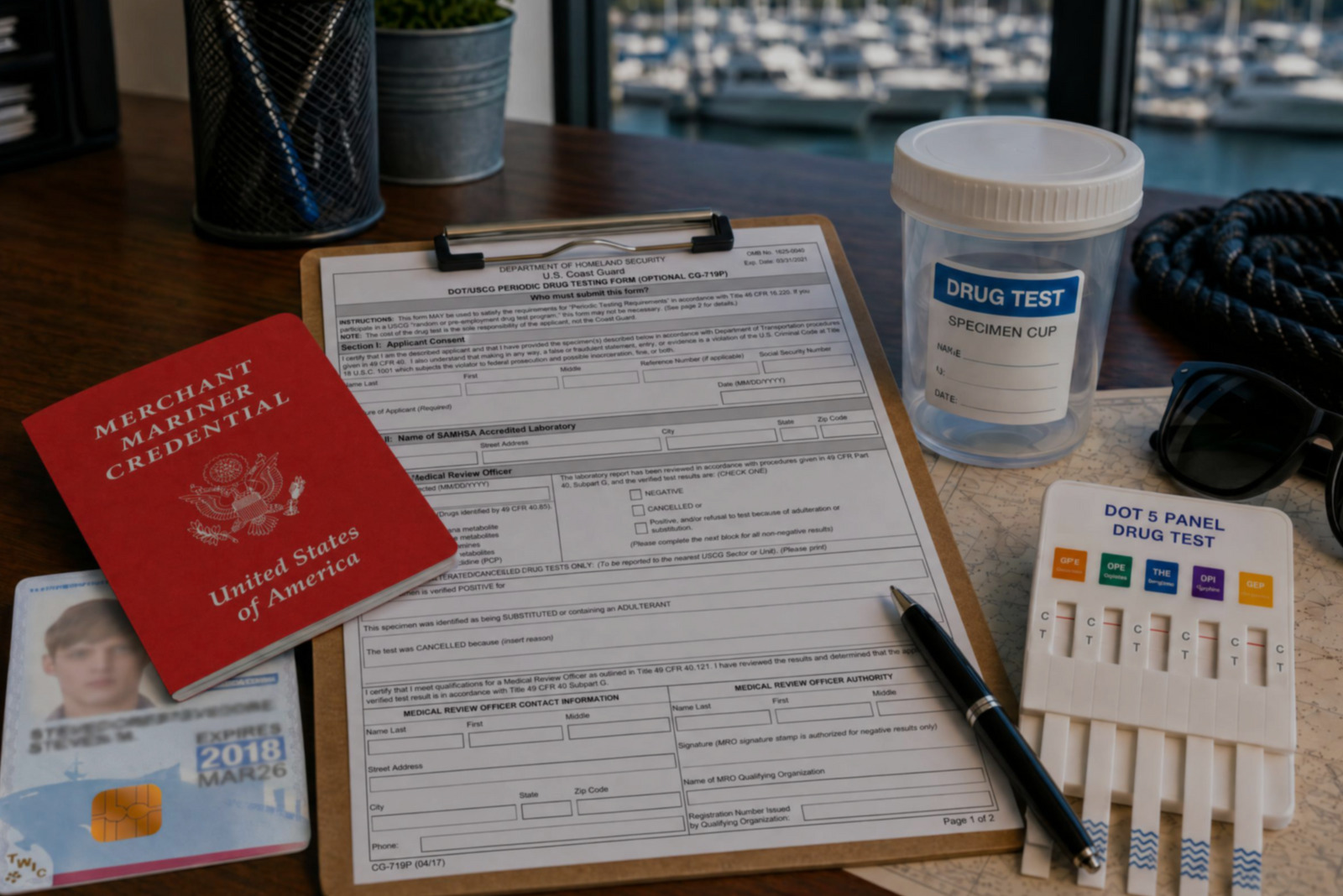

Discover the three types of drug tests working captains must submit to even after they’ve met the initial USCG drug testing requirements for their license.
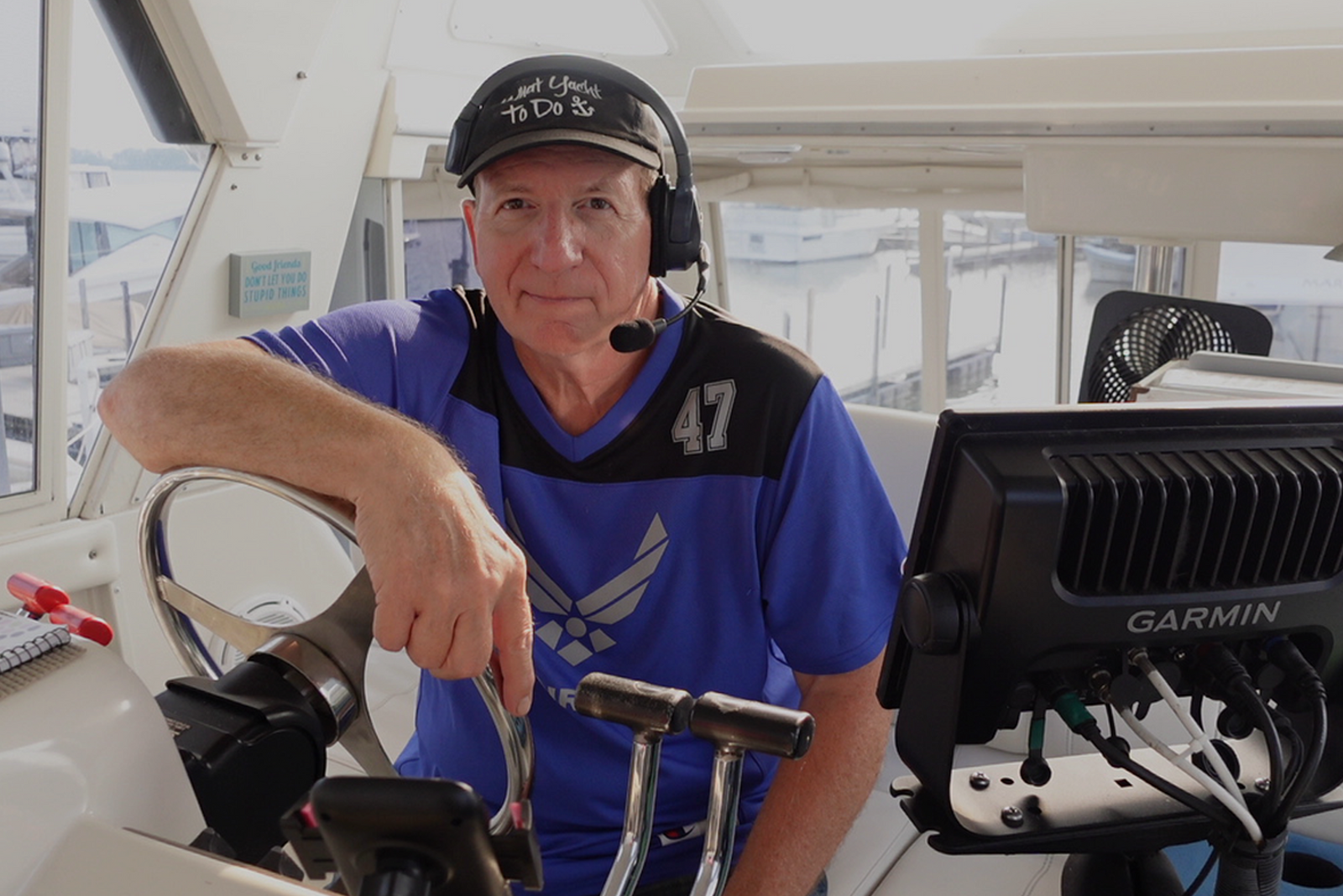

Discover how a retired airline pilot became obsessed with the Great Loop and built a thriving captain training business through Mariners Learning System.


Learn which substances the MMC drug test looks for, plus how masking agents and false positives factor in.


Discover the five most common mistakes mariners make on the captain’s license physical, plus a checklist for how to avoid them.
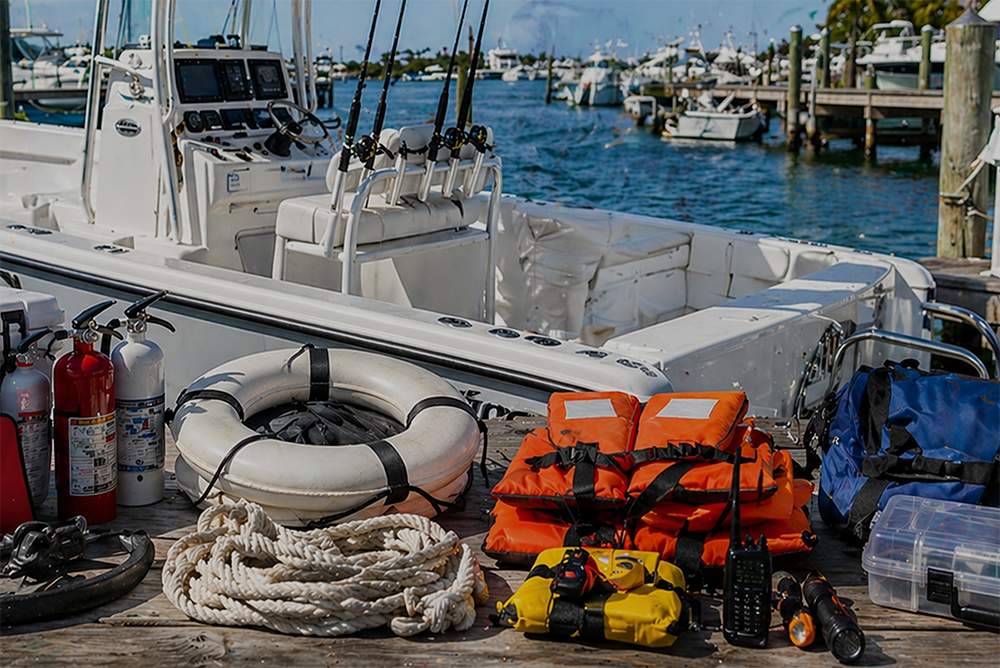

Discover why so many charter captains run out of money and how to plan every startup cost from your vessel purchase to guest-ready outfitting.

Learn how to build a charter business plan that covers pricing, expenses, and marketing so your captain’s license leads to lasting profit.

Transform how you talk about price with proven anchoring strategies and value-first framing that stops charter guests from shopping around.

Discover how charter captains use hybrid pricing models and seasonal adjustments to increase revenue and simplify bookings for every guest type.