

Meet Navi: Your 24/7 AI Instructor Inside the MLS Classroom
Unlock 24/7 access to Navi, an AI instructor trained on MLS course material, so you can ask questions, run practice quizzes, and nail your captain’s exam.
One worry that keeps some aspiring captains from pursuing their license is a previous conviction on their record.
It’s a fair concern, and I understand why people worry about it.
So, can you get a captain’s license with a felony conviction? What about a misdemeanor? What about more than one?
Here’s the good news: A past conviction does not mean the Coast Guard will automatically reject your captain’s license application, BUT honesty is absolutely critical to the process.
Let me share a story that illustrates why transparency matters so much.
I once had a father and son take one of our courses together. The father had a felony conviction from his younger days, but when he filled out his Coast Guard application, he answered “no” to the question about past convictions.
Why? Because when he was younger, he’d been charged with a drug-related felony. The judge told him that if he stayed out of trouble for three years, they would expunge his record. So when he saw the question on the application, he figured his clean slate meant he could answer “no.”
Here’s the critical part: The Coast Guard wasn’t asking whether his record was expunged. They were asking whether a conviction had ever occurred.
I get where this could be confusing. Expungements can mean that you’re not required to disclose a conviction in many circumstances and that it won’t show up on public background checks. But a federal entity — like the U.S. Coast Guard — absolutely will see that conviction, and you must disclose it.
In this student’s case, the Coast Guard denied his license. When he called me asking if I had any connections to fix the problem, I had to tell him I didn’t. If the Coast Guard denies an application, there isn’t anything I can do about it.
The takeaway here is that this student wasn’t delayed in getting his license because of the felony itself. He was delayed (significantly) because he wasn’t fully transparent when answering the application question.
The Coast Guard is very specific about what qualifies as a conviction. According to their definition, a conviction includes any situation where you:
Even if your record was later expunged, the Coast Guard considers it a conviction unless the expungement was based on proving the court’s original sentence was in error. An expungement means that conviction won’t follow you around in civilian life; it doesn’t mean the conviction disappears from the Coast Guard’s perspective.
When the Coast Guard asks about past convictions on your application, assume they already know the answers. The background check that’s part of your captain’s license requirements will reveal this information anyway.

The Coast Guard isn’t looking to punish people for one mistake from decades ago. They’re looking for patterns that might indicate a safety risk.
Let me give you an example. Say I got busted for a DUI when I was 18 years old. I’m 65 now, and it hasn’t happened since. That single incident from nearly 50 years ago isn’t going to prevent me from getting my license.
But if I got a DUI at 18, another at 28, and another at 38 — that’s a problem. The Coast Guard will look at that pattern and see a concerning trend.
The same principle applies to felony situations. A single felony conviction from your youth, disclosed honestly, probably won’t stand in your way. But multiple convictions or a recent pattern of offenses will raise red flags.
The Coast Guard uses specific guidelines to evaluate past offenses. These tables set out minimum and maximum assessment periods that affect when your license application can be processed after a conviction.
Keep in mind that these are guidelines, not absolute rules. The assessment period may vary depending on the nature and number of your convictions.
When you submit your paperwork, include any court documents about the offense, financial penalties, or sentences you served. Full disclosure with supporting documentation shows the Coast Guard you’re being transparent and taking the process seriously.
This applies whether you’re pursuing your Six-Pack license or a Master captain’s license.

If you’re wondering can I get a captain’s license with a felony or misdemeanor conviction, here’s my advice:
If you’re interested in a captain’s license and have a past felony or misdemeanor conviction, I can’t stress this enough: Be honest on your application. Disclose all convictions to the best of your ability, and let the Coast Guard follow up with questions if they need more information.
Yes, a past conviction could delay your application or require additional documentation. But submitting a fraudulent application by hiding a conviction creates a much bigger problem — and one that’s far harder to fix.
The Coast Guard takes trust seriously. They’re not playing “gotcha” or trying to prevent good people from becoming captains. But they are ensuring that every captain who operates commercially demonstrates a high standard of integrity and responsibility.
If you’re ready to pursue your captain’s license and you’re concerned about past convictions, don’t let fear stop you. Get the facts, be honest, and take the first step.
The Coast Guard wants to work with people who demonstrate integrity — and that starts with telling the truth.
Ask a question, share an experience, or add a helpful tip related to this article. Comments may appear after review to prevent spam.
Unlock 24/7 access to Navi, an AI instructor trained on MLS course material, so you can ask questions, run practice quizzes, and nail your captain’s exam.


Learn what questions to ask and how to prepare for a captain’s license drug test to ensure you avoid the most common application delays.
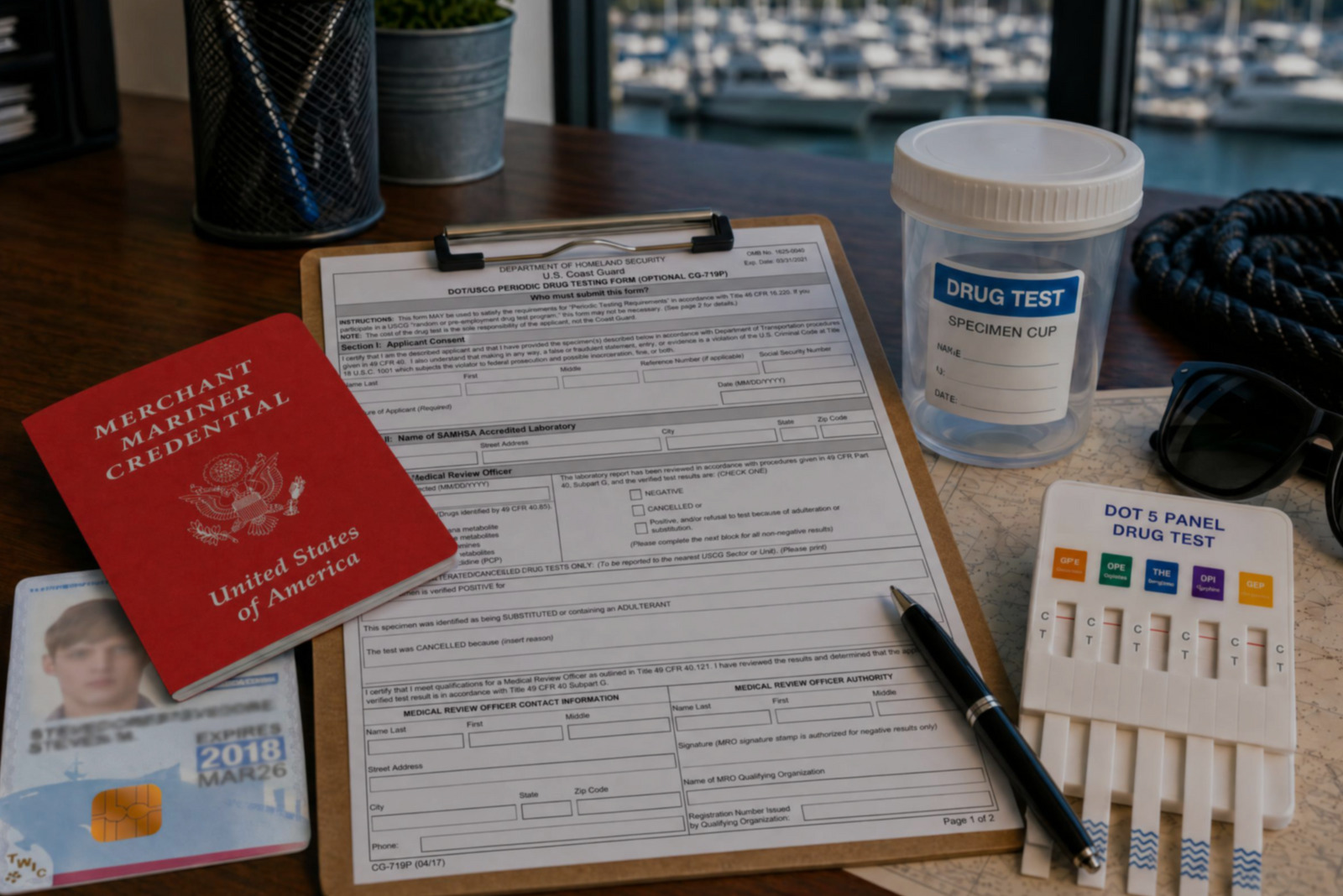

Discover the three types of drug tests working captains must submit to even after they’ve met the initial USCG drug testing requirements for their license.


Discover how a retired airline pilot became obsessed with the Great Loop and built a thriving captain training business through Mariners Learning System.


Learn which substances the MMC drug test looks for, plus how masking agents and false positives factor in.


Discover the five most common mistakes mariners make on the captain’s license physical, plus a checklist for how to avoid them.
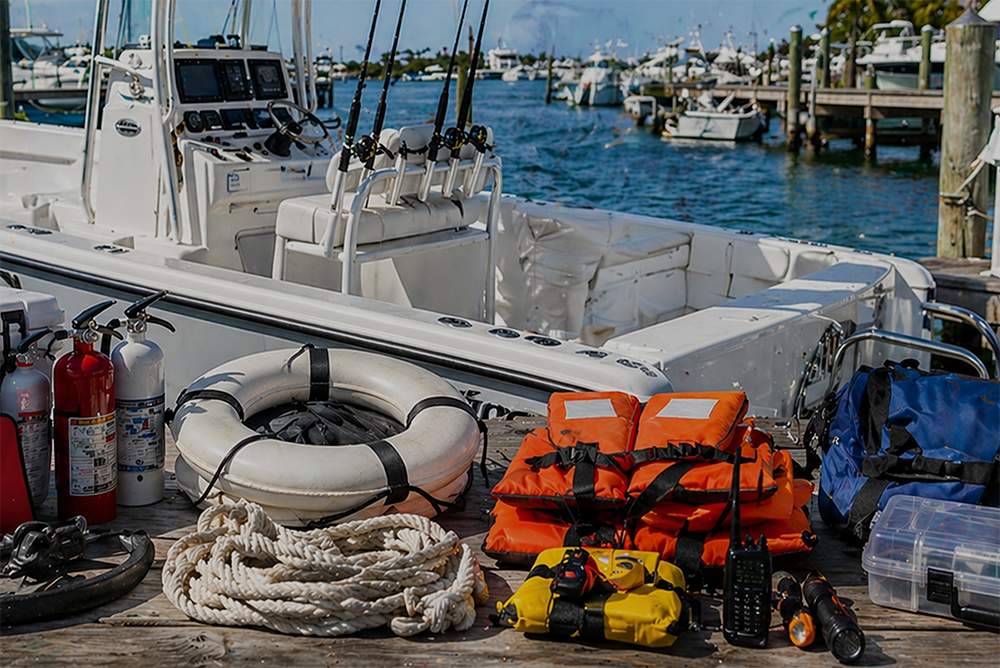

Discover why so many charter captains run out of money and how to plan every startup cost from your vessel purchase to guest-ready outfitting.


Learn how to build a charter business plan that covers pricing, expenses, and marketing so your captain’s license leads to lasting profit.


Transform how you talk about price with proven anchoring strategies and value-first framing that stops charter guests from shopping around.


Discover how charter captains use hybrid pricing models and seasonal adjustments to increase revenue and simplify bookings for every guest type.