

Meet Navi: Your 24/7 AI Instructor Inside the MLS Classroom
Unlock 24/7 access to Navi, an AI instructor trained on MLS course material, so you can ask questions, run practice quizzes, and nail your captain’s exam.

One of the most important decisions you’ll make as an aspiring professional mariner is choosing the right captain’s license type for your career goals. I learned this lesson early in my career, and it’s shaped how I advise students at Mariners Learning System ever since.
Here’s the truth: Your license isn’t just a piece of paper. It’s a key that opens specific doors in the maritime industry. So let’s talk about matching that key to the doors you actually want to open.

Before we dive into specific careers, let’s make sure everyone’s clear about the fundamental differences between the two primary captain’s license types available through the Coast Guard.
The OUPV/Six-Pack license allows you to take up to six paying passengers and one crew member out on an uninspected vessel, which is most of your recreational boats out there. It’s good for both power and sail vessels, which gives you flexibility right out of the gate.
This license is ideal for small operations where you’re providing personalized, intimate experiences. Think small fishing charters, private sailing instruction, and boutique eco tours.
The Master’s license is the higher credential, allowing you to take more than six paying passengers out on inspected vessels (boats with a Certificate of Inspection).
Beyond the increased passenger capacity, a Master’s license provides you with enhanced professional credibility. If two people are competing for the same sailing job, for example, my experience has been that the person with the Master’s license will likely win out over the person with the Six-Pack.
Let’s walk through some real-world examples of how different captain’s license types align with various maritime careers:
A Six-Pack license is excellent for running small fishing charters, intimate sailing tours, and other personalized experiences. You might even use your license to do real estate showings, taking clients by boat to view waterfront properties. In the summer, when visitor traffic was high, I could get to three or four properties by boat in 15 or 20 minutes instead of spending an hour or two by car. The realtors couldn’t have been happier.
With a Master’s license, you open up opportunities for head boats, overnight fishing trips, water taxi services, and larger harbor tours. When talking about fishing, especially overnight tuna trips, you’ll typically need more than six paying passengers because of the economics of this type of operation.
I’ve done a lot of teaching over the years. For example, I used to run four-day live-aboard courses on my boat. Three couples would come aboard, and we’d travel from Barnegat Bay to Atlantic City, then down to Cape May, and up into the Chesapeake. I was doing $60,000 to $70,000 a summer doing that, and it was a really great way of sharing my love for the water.
In that case, even though I had my Master’s, a Six-Pack license would have sufficed just fine.
Teaching operations like sailing schools and camps, however, often prefer instructors with a Master-level license because it demonstrates a higher level of expertise. And of course if students are comparing two offers, even for private lessons, having a Master’s credential gives you a competitive edge.
Whale watching tours, wildlife expeditions, island hopping tours, and harbor cruises are all fantastic opportunities. Most of the sailing tours or harbor tours in popular ports on the East and West coasts take more than six paying passengers, though more personalized, premium, private tours might work for a Six-Pack captain.
Water taxis require a Master’s license, as do ferry boats and most commercial dive boat operations. In situations like this where you’re competing with other Master captains, I’ve found that being personable and sharing local knowledge go a long way. Try sharing stories about the area or local dinner recommendations to help build a loyal client base.
Beyond choosing the right type of captain’s license, you also have endorsement options to match to your career ambitions.
To be clear, a Towing Endorsement doesn’t qualify you for tugboat work. You’re not moving barges or pushing large ships. Rather, this endorsement lets you operate as the AAA of the waterways.
Both Six-Pack and Master’s license holders can earn the endorsement and engage in assistance towing for a fee. This means you can work with a service like BoatUS to help vessels that have run aground or are disabled, out of fuel, or malfunctioning.
Earning a Towing Endorsement requires completing a relatively simple program either in person or online.
A Six-Pack license covers both power and sail on uninspected vessels. So why get a Sailing Endorsement? You’ll need it (on a Master’s license) if you plan to take seven or more passengers out on an inspected sailing vessel.
To earn a Sailing Endorsement, you’ll need to have 50% of your sea time on a sailboat (a minimum of 180 days). So if you’re a powerboater looking for an endorsement but don’t have significant sailing experience, you won’t qualify even if you take the course.
The number one piece of advice I give to all my students is to go for the highest-level license you can qualify for.
I got this advice just before pursuing my license, and I’m glad I did. I earned a Master’s license and both a Sailing and Towing Endorsement — but I’ve never once used my license at the Master’s level or either endorsement. So why am I happy I got them? Collectively, all of those credentials on my resume and on my license have served me very, very well.
Not a month after getting my Master’s license, I bumped into a family who wanted a captain to transport their yacht for them. I’d had no intention of looking for that kind of work, but I accepted the job. And even though I didn’t legally need a Master’s to move that boat, the owners’ insurance company wouldn’t have covered me if I hadn’t had it.
Starting from that one job, I earned over $100,000 in my first year with a license, which I couldn’t have done without a Master’s.
I’m sometimes asked about the price difference between a Six-Pack and a Master’s course. It’s about $200 — a relatively small hurdle considering the overall investment of both time and money you make to become a captain.
Even if you don’t plan to use all the capabilities of a higher license, having it on your resume gives you a competitive advantage in the job market. It shows professionalism and opens doors for opportunities you might not even be considering right now.

Absolutely. You can start with a Six-Pack without getting locked into small charters forever. Mariners even offers a Coast Guard-approved course captains can take to upgrade from a Six-Pack to a Master’s license. Of course, you’ll also have to meet the sea time minimums and all other requirements specific to a Master’s license.
Choosing the right captain’s license type comes down to understanding where you want to go in your maritime career. Whether you’re drawn to intimate fishing charters or large-scale tourism operations, there’s a license path that fits your goals.
Remember that your license is more than just legal permission to operate commercially; it’s professional credibility that opens doors and creates opportunities. So get the highest-level license you qualify for.
Trust me on this one. I’ve been where you are, and I’ve seen thousands of students chart their course through Mariners Learning System. The ones who aim high don’t regret it.
Ask a question, share an experience, or add a helpful tip related to this article. Comments may appear after review to prevent spam.
Unlock 24/7 access to Navi, an AI instructor trained on MLS course material, so you can ask questions, run practice quizzes, and nail your captain’s exam.


Learn what questions to ask and how to prepare for a captain’s license drug test to ensure you avoid the most common application delays.
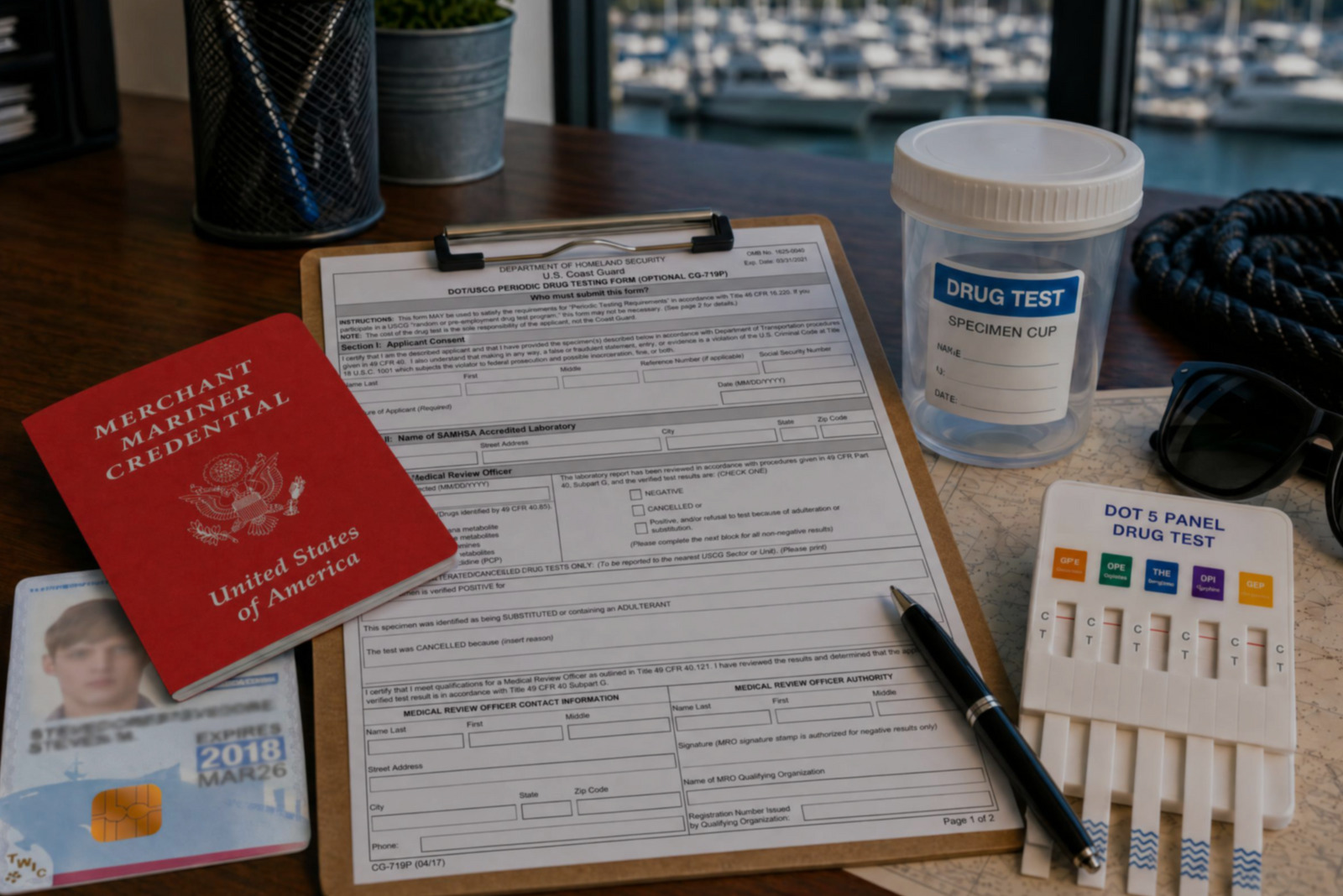

Discover the three types of drug tests working captains must submit to even after they’ve met the initial USCG drug testing requirements for their license.
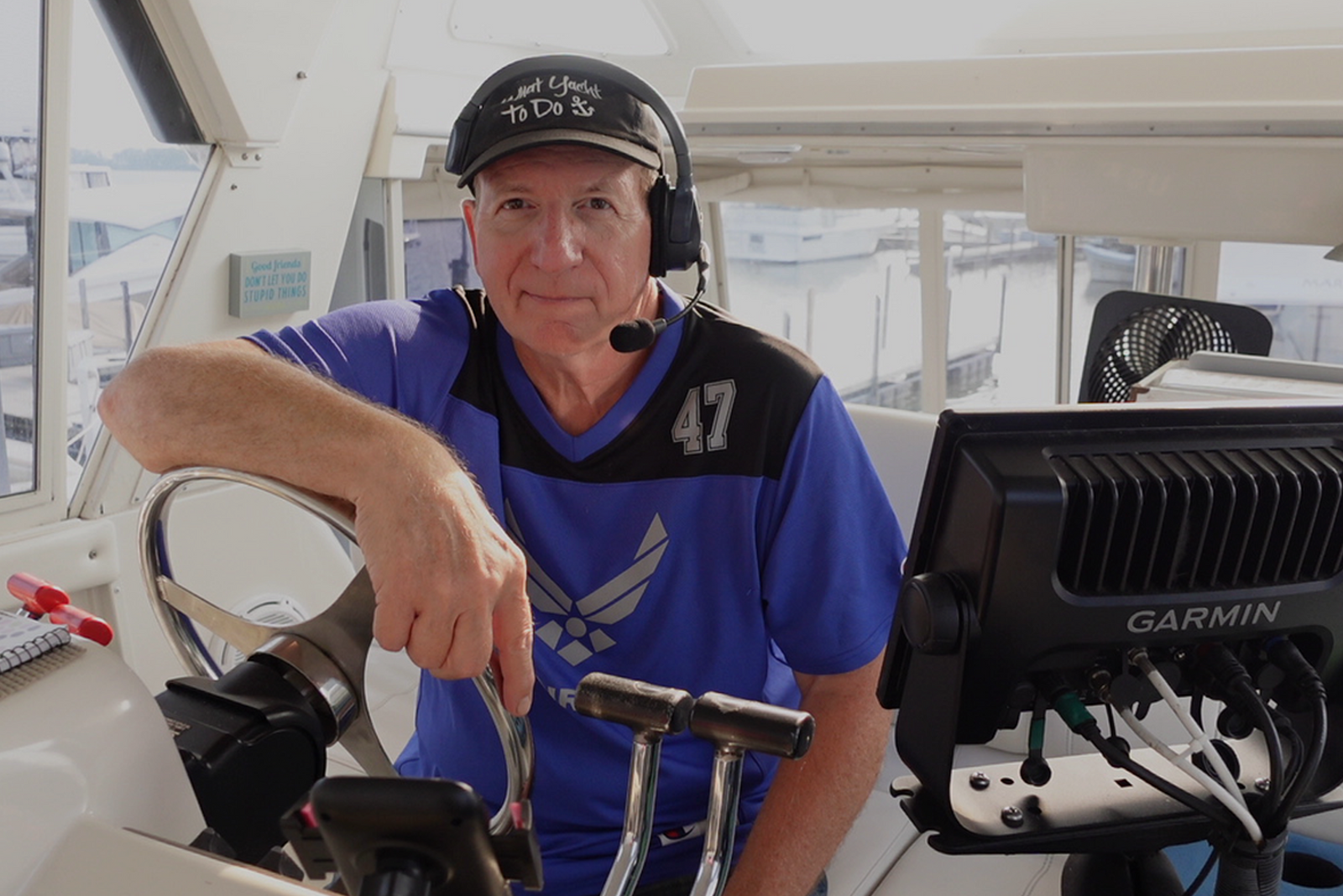

Discover how a retired airline pilot became obsessed with the Great Loop and built a thriving captain training business through Mariners Learning System.


Learn which substances the MMC drug test looks for, plus how masking agents and false positives factor in.


Discover the five most common mistakes mariners make on the captain’s license physical, plus a checklist for how to avoid them.
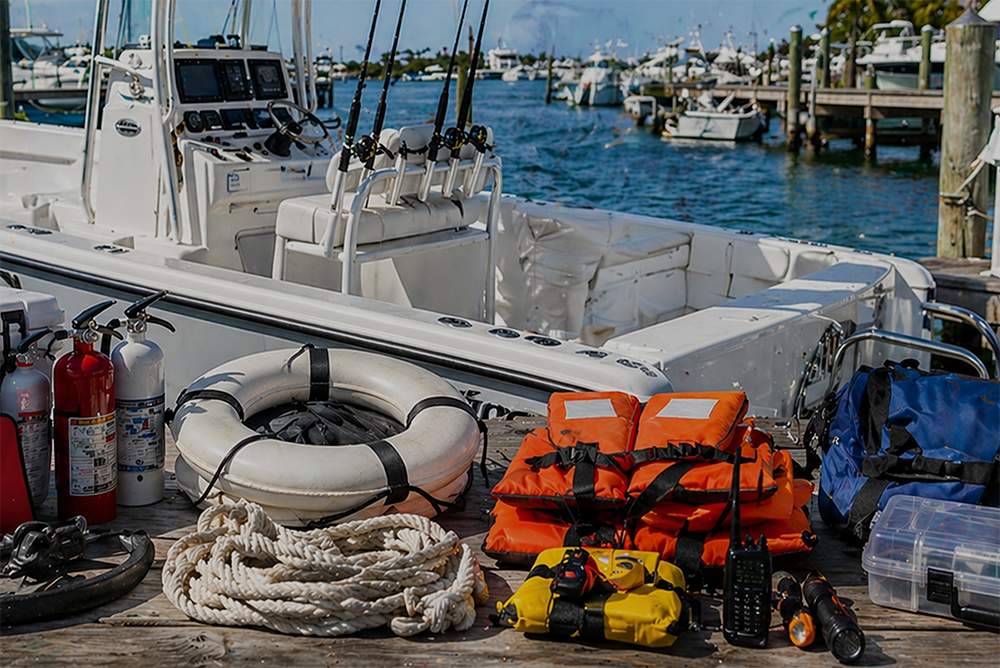

Discover why so many charter captains run out of money and how to plan every startup cost from your vessel purchase to guest-ready outfitting.

Learn how to build a charter business plan that covers pricing, expenses, and marketing so your captain’s license leads to lasting profit.

Transform how you talk about price with proven anchoring strategies and value-first framing that stops charter guests from shopping around.

Discover how charter captains use hybrid pricing models and seasonal adjustments to increase revenue and simplify bookings for every guest type.