

Meet Navi: Your 24/7 AI Instructor Inside the MLS Classroom
Unlock 24/7 access to Navi, an AI instructor trained on MLS course material, so you can ask questions, run practice quizzes, and nail your captain’s exam.


After teaching thousands of aspiring captains over the years, I’ve noticed a common point of confusion during conversations before someone commits to getting their license: captain’s license cost.
Most people fall into one of two camps when it comes to captain’s license cost. Either they think it’s completely free — just a few forms to fill out — or they assume it’ll demand thousands of dollars and endless red tape.
The truth? It’s neither.
Getting your captain’s license is a reasonable investment that pays dividends in knowledge, safety, and opportunity. But, like any worthwhile investment, it’s wise to understand exactly what you’re getting into financially.
Let’s break down the real costs of getting a captain’s license so you know what to expect, what to watch for, and how to plan smart from the start.

When people ask, how much does it cost to get your captain’s license, I always start with the non-negotiable costs — the fees and requirements you’ll have regardless of which school you choose or which license type you pursue:

The Coast Guard charges $145 total in fees for your captain’s license: a $100 application fee plus a $45 issuance fee. This covers the actual credentialing process and the physical license itself.
You’ll need a DOT-approved physical examination, which typically runs around $150 without insurance. If you have health insurance, you’ll likely just pay your standard deductible.
The captain’s license drug test is separate from the physical and usually costs anywhere from $75–95, depending on the lab you use. You must take the DOT-approved 5-panel drug test from a Coast Guard-approved facility, so make sure to verify this with the facility you choose before scheduling.
Adult CPR and Basic First Aid certification is required, and costs vary depending on where you get it. Expect to pay around $65, though some community hospitals, fire departments, and first aid squads may offer these courses at lower rates, or even for free.
Your Transportation Worker Identification Credential, also called your TWIC card, serves as your maritime background check and costs $125 through the TSA. This card is valid for five years, so you won’t need to renew it every time you renew your license.
Captain’s license courses are where costs start to vary significantly based on your goals and which license you’re pursuing. Since I can’t speak for every school, I’ll share the costs associated with Mariners Learning System courses:
Our OUPV/Six-Pack course costs $695 and includes everything you need: unlimited access to video, audio, and e-book materials for 12 months; the Coast Guard-approved exam; training charts; and even a carrying bag.
This license allows you to take up to six paying passengers out on an uninspected vessel, making it perfect for fishing charters, eco-tours, and other smaller-scale commercial operations.
Our Master’s course runs $895 and opens the door for both small- and larger-scale business endeavors. With this license, you can operate inspected vessels carrying more than six passengers, which means larger tour boats, dinner cruises, and ferry operations.
I always advise mariners to get the highest-level license they qualify for. The cost difference is minimal compared to the potential upside, and you never know when a new opportunity will arise.
If you already have a Six-Pack and want to upgrade to a Master license, our upgrade course costs $375, a significant savings over starting from scratch.
After two decades in this business, I’ve seen too many aspiring captains get blindsided by unexpected expenses. Here’s what to watch out for:
Many schools advertise low course prices but hit you with an additional fee for the test itself — a cost they didn’t make clear up front. This happened to me when I was pursuing my own captain’s license, which is why I always try to help other mariners avoid the same experience.
These surprise fees can range from $95 to several hundred dollars. At Mariners Learning System, the exam is included in your course fee. No surprises, no additional charges when it’s time to test.
Mariners Learning System operates online, but if you’re taking an in-person course that requires travel, remember to factor in costs for transportation, lodging, and meals. This is one reason online courses have become so popular — you can learn from anywhere without additional travel expenses.
Getting your captain’s license is just the beginning. Every five years, you’ll need to renew, and the cost depends on how active you’ve been on the water:
If you’ve logged 360 days of boating experience over the past five years, renewal is straightforward. You’ll simply pay $95 in Coast Guard fees, get an up-to-date physical ($150 or insurance deductible), and take another DOT- and USCG-approved drug test ($75–95).
If you haven’t maintained the required sea time during the last five years, the Coast Guard allows you to take a Deck License Renewal course. Our course costs $250. You’ll still pay the $95 renewal fee, and you’ll need an updated physical exam and drug test.
If there’s one thing I hate to hear, it’s this: I lost track of time and let my license lapse. If your captain’s license expires and the grace period passes, even by one day, the Coast Guard treats it like you never had a license at all. You have to start completely over — new course, new exam, new everything.
It’s a costly mistake both in terms of money and morale, so mark your calendar, set all the alerts, and do whatever you need to make sure you renew your license before it expires.
For someone serious about getting their captain’s license, here’s my advice on approaching the financial commitment strategically:
Plan for approximately $1,000–1,200 for your initial licensing if you’re going the Six-Pack route, or $1,200–1,400 for a Master license. This covers all the essentials without any surprise fees.
At Mariners, we understand this is a significant investment. Our payment system provides an option to spread course cost out over several interest-free installments, making it more manageable for many people’s budgets.
Getting your captain’s license has no downsides, but it does have upsides:
Captain’s license cost isn’t just about the money you spend, but the value you receive. You’re investing in comprehensive maritime education, enhanced safety knowledge, and credentials that open doors to opportunities you might never have imagined.
Whether you plan to use your license commercially or simply want to be the most competent boater you can be, the investment pays dividends in confidence, knowledge, and capability.
Ready to chart your course toward becoming a licensed captain? Explore our Coast Guard-approved courses to see what might be right for you.
Ask a question, share an experience, or add a helpful tip related to this article. Comments may appear after review to prevent spam.
Unlock 24/7 access to Navi, an AI instructor trained on MLS course material, so you can ask questions, run practice quizzes, and nail your captain’s exam.


Learn what questions to ask and how to prepare for a captain’s license drug test to ensure you avoid the most common application delays.
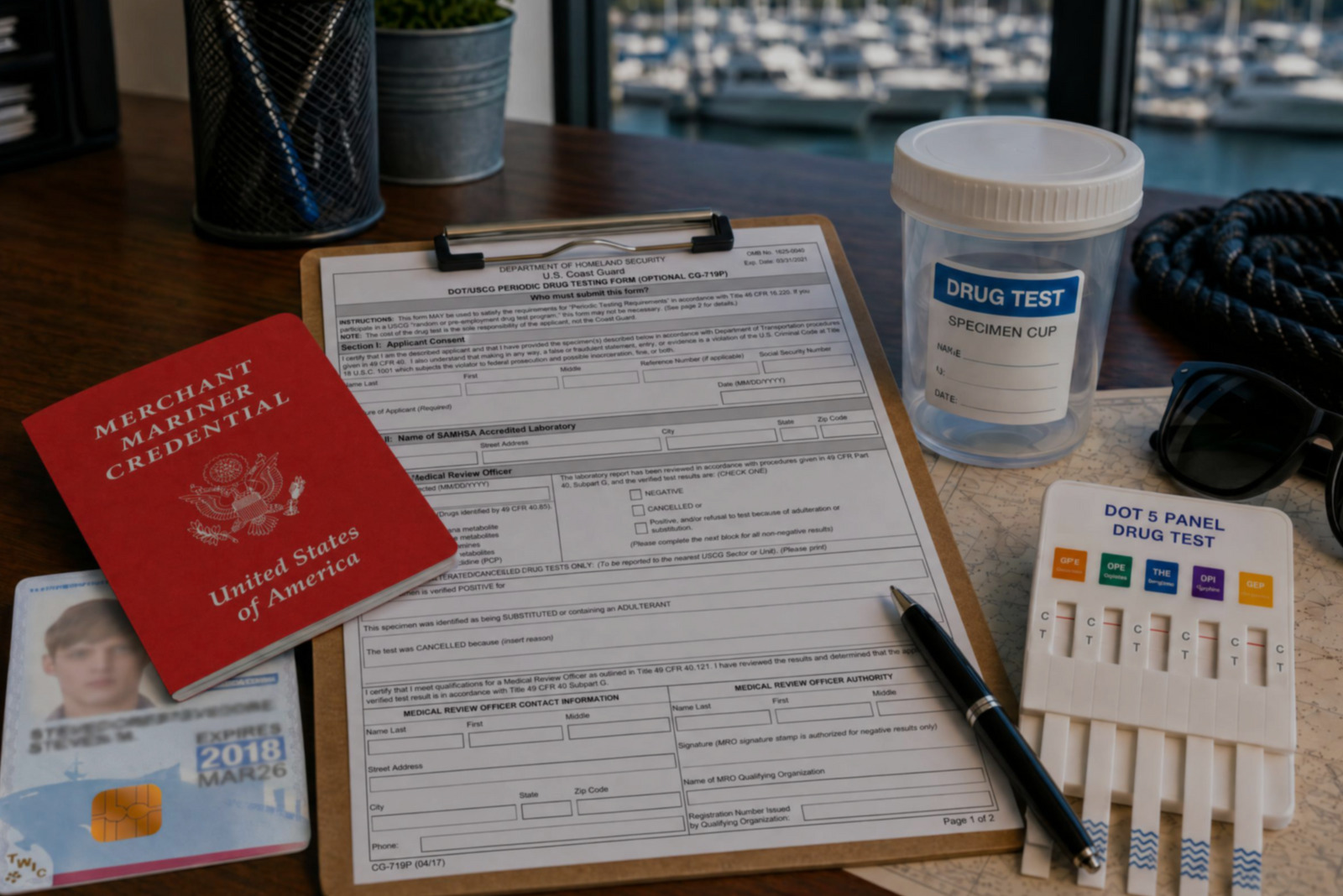

Discover the three types of drug tests working captains must submit to even after they’ve met the initial USCG drug testing requirements for their license.
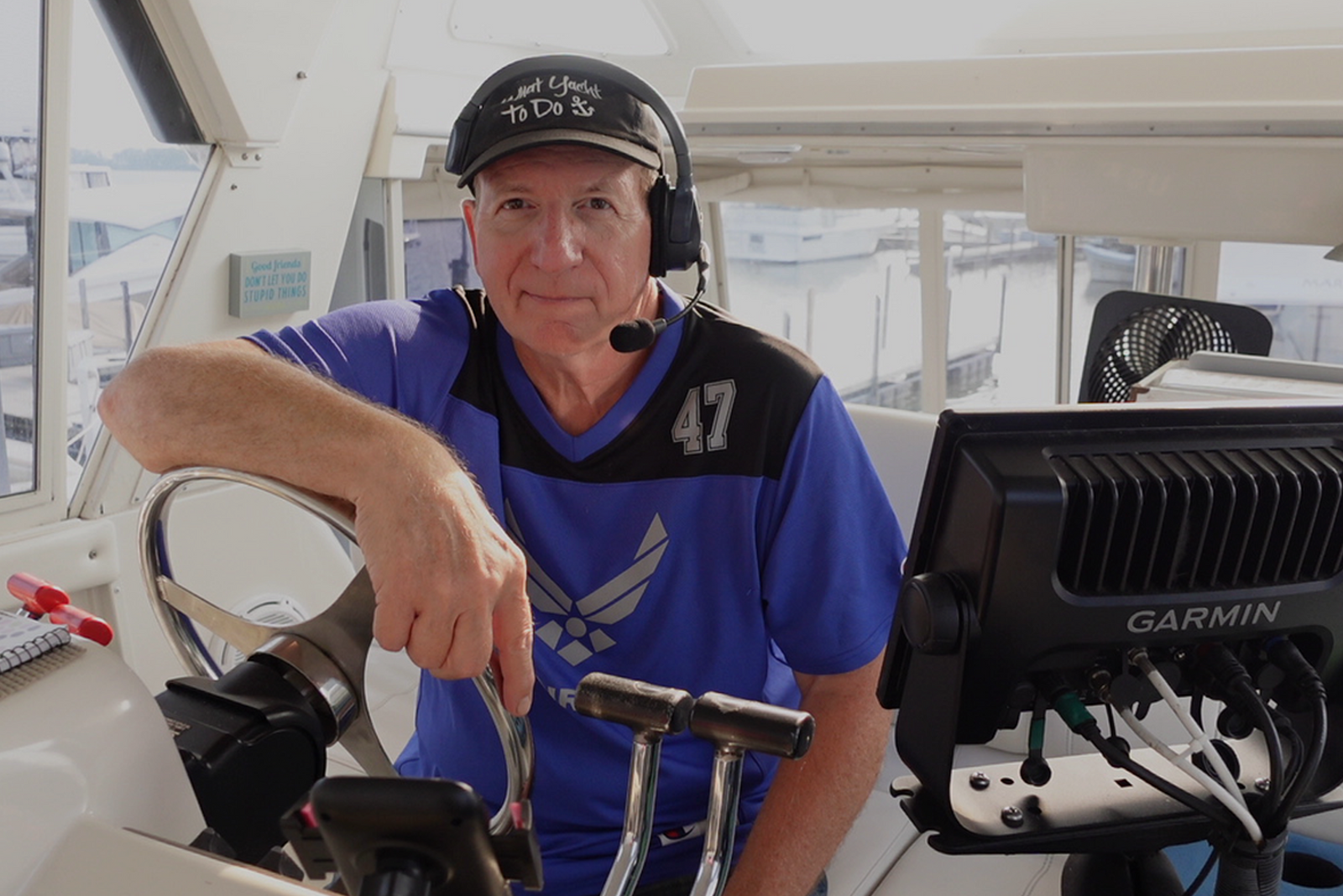

Discover how a retired airline pilot became obsessed with the Great Loop and built a thriving captain training business through Mariners Learning System.


Learn which substances the MMC drug test looks for, plus how masking agents and false positives factor in.


Discover the five most common mistakes mariners make on the captain’s license physical, plus a checklist for how to avoid them.
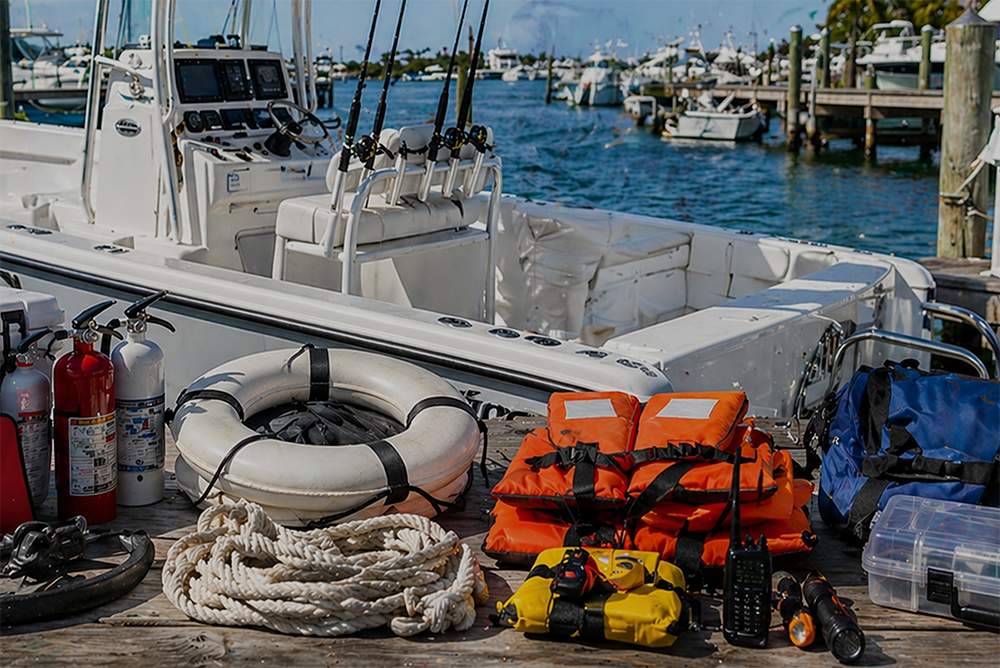

Discover why so many charter captains run out of money and how to plan every startup cost from your vessel purchase to guest-ready outfitting.

Learn how to build a charter business plan that covers pricing, expenses, and marketing so your captain’s license leads to lasting profit.


Transform how you talk about price with proven anchoring strategies and value-first framing that stops charter guests from shopping around.

Discover how charter captains use hybrid pricing models and seasonal adjustments to increase revenue and simplify bookings for every guest type.