

Meet Navi: Your 24/7 AI Instructor Inside the MLS Classroom
Unlock 24/7 access to Navi, an AI instructor trained on MLS course material, so you can ask questions, run practice quizzes, and nail your captain’s exam.


If you served in the Navy, Coast Guard, or another branch of the military and are now looking to earn your captain’s license, you’re probably wondering, Can I use my military experience toward the sea time requirements?
The short answer is: maybe — but it’s complicated.
Understanding how to use military experience as sea service requires knowing what types of duties qualify, how to prove your time, and what pitfalls to avoid.
I’m a Navy guy, so naturally I looked into using my Navy experience as sea service time for my captain’s license. I served on the aircraft carrier USS Midway, and we were deployed most of the time — always at sea on one of the forward-most deployed vessels in the fleet.
You’d think all that sea time would count toward my captain’s license, right? Wrong.
Even though I spent countless days underway, I was an electronics technician fixing jets on the flight deck. I didn’t participate in the actual running of the vessel. Instead, I was what they called an “Airedale,” part of a squadron rather than a ship’s company.
The Coast Guard doesn’t count that time toward a Merchant Mariner Credential. Despite being at sea almost constantly, none of my military experience qualified because I wasn’t involved in navigational duties or vessel operations.

I learned an important lesson regarding military sea time: It’s not just about being on the water. It’s about what you’re doing while you’re there.
To use your military experience as sea service, your duties must directly relate to the operation and navigation of the vessel. Jobs that typically qualify include:
Jobs that typically don’t qualify include:

Even if your military duties qualify, the Coast Guard only credits 60% of your military sea service time toward your captain’s license. This means if you spent 100 days at sea in a qualifying role, you’d only receive credit for 60 days.
This percentage reduction applies across all military branches, whether you served in the Navy, Air Force, or even the Coast Guard itself.
So if you’re banking on military time to hit your 360 days of sea service for an OUPV/Six-Pack or Master’s license, keep this reduced credit in mind.
If you’re confident in your military experience and decide you’d like to use it as part of your sea time, then you’ll need to submit the appropriate documentation to the Coast Guard.
Your DD-214 doesn’t cut it as proof of qualifying sea service. Instead, you’ll need to request your official military transcripts detailing your specific duties, assignments, and time spent in qualifying positions. These transcripts provide the detailed job descriptions and duty assignments the Coast Guard needs to evaluate your experience.
If you have questions about whether your specific military experience qualifies, you’re welcome to contact Mariners Learning System to talk, or you can reach out to the National Maritime Center directly. But here’s a crucial tip: If you speak with the National Maritime Center by phone, always ask them to send you written confirmation of what they tell you.
Don’t rely on verbal assurances; get everything in writing with a date, name, and preferably a reference to the relevant Code of Federal Regulation. This documentation helps if you run into a problem with your sea time being rejected later.
The Coast Guard offers some genuine benefits for military personnel pursuing captain’s licenses.
For active military, certain reservists, and recently separated veterans (within 180 days), the Coast Guard now waives application fees for captain’s licenses. This applies regardless of whether you use your military experience as sea time, though you still have to provide relevant documentation to qualify for this benefit.
If you’re using your military experience as sea time, the Coast Guard offers a significant perk to veterans that not everyone knows about.
In general, the Coast Guard requires 90 days of sea time within the last seven years to establish what they call “recency.” However, they extend the recency requirement to seven years for military experience (with additional tonnage and horsepower specifications).
Veterans still sometimes run into trouble with recency if their duties or vessel tonnage don’t qualify or if their sea time is older than they realize.
Getting your military time to qualify as sea service may be possible, but it’s also complicated, time-consuming, and full of potential pitfalls.
The process involves:
If you want to take on this challenge, more power to you! But I often recommend that veterans accumulate their sea time separately, especially if you have easy access to a boat.
This approach could save you a world of headache, create a more straightforward application for processing, and qualify you just as well as trying to use military experience.
Understanding how to use military experience as sea service requires careful evaluation of your specific military role, the complexity of the application process, and your other options for accumulating sea time.
If you have substantial qualifying military sea time and limited civilian boating experience, it might be worth pursuing. But if you can reasonably accumulate 360 days of civilian sea time, that’s often the simpler path.
Remember, the Coast Guard doesn’t give bonus points for military service when issuing credentials. Time on a military vessel isn’t considered more valuable than time on your personal boat.
If you do decide to pursue military sea service credit, talk with the Coast Guard, get everything in writing, and be prepared for potential hiccups in the application process. Military service can be a stepping stone to your captain’s license — you just need to approach it with eyes wide open.
If you have questions or need help getting started, we’re happy to speak with you.
Ask a question, share an experience, or add a helpful tip related to this article. Comments may appear after review to prevent spam.
Unlock 24/7 access to Navi, an AI instructor trained on MLS course material, so you can ask questions, run practice quizzes, and nail your captain’s exam.


Learn what questions to ask and how to prepare for a captain’s license drug test to ensure you avoid the most common application delays.
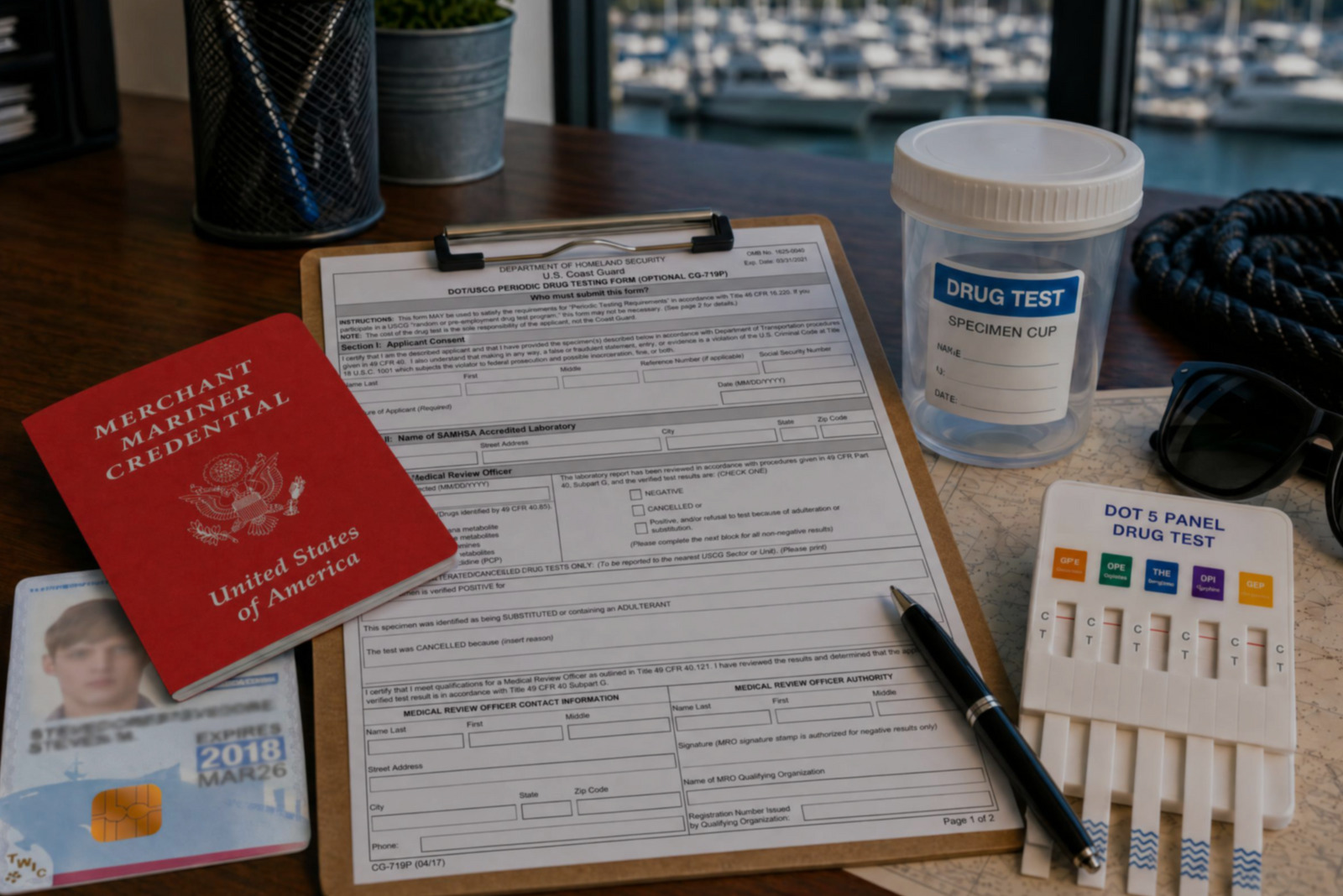

Discover the three types of drug tests working captains must submit to even after they’ve met the initial USCG drug testing requirements for their license.
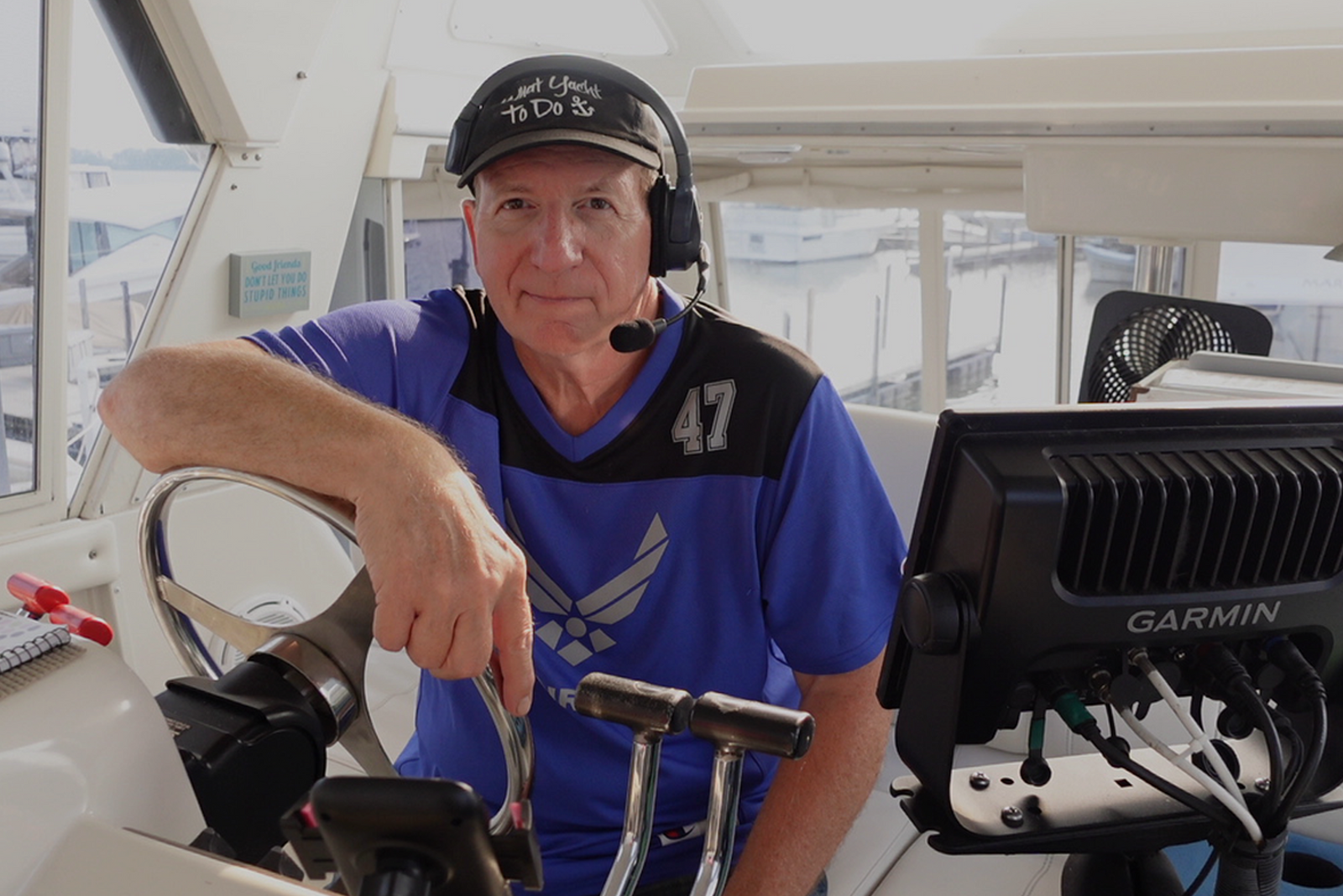

Discover how a retired airline pilot became obsessed with the Great Loop and built a thriving captain training business through Mariners Learning System.


Learn which substances the MMC drug test looks for, plus how masking agents and false positives factor in.


Discover the five most common mistakes mariners make on the captain’s license physical, plus a checklist for how to avoid them.
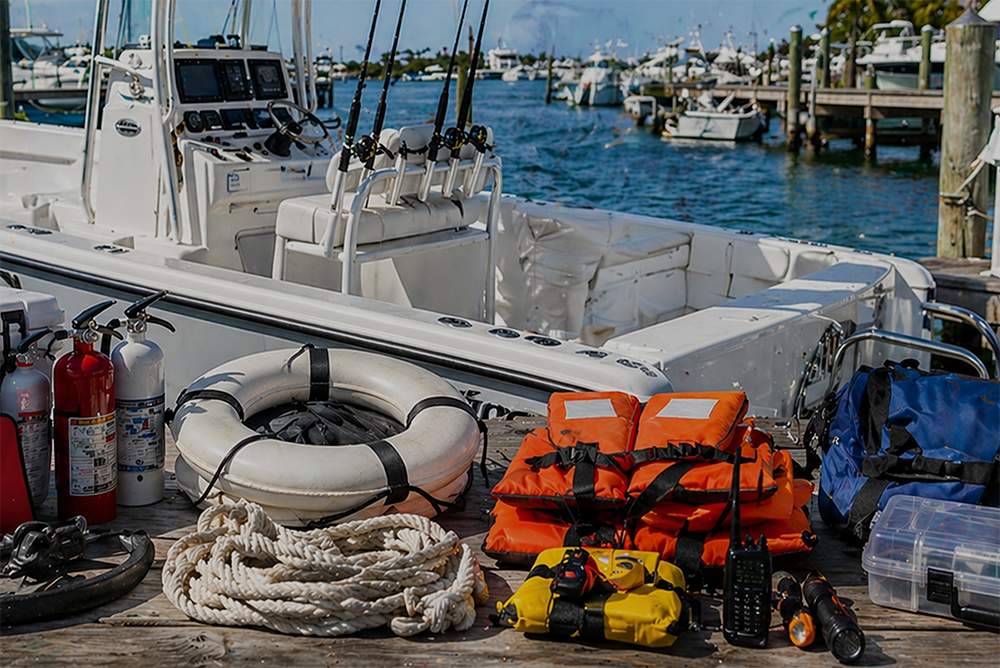

Discover why so many charter captains run out of money and how to plan every startup cost from your vessel purchase to guest-ready outfitting.

Learn how to build a charter business plan that covers pricing, expenses, and marketing so your captain’s license leads to lasting profit.

Transform how you talk about price with proven anchoring strategies and value-first framing that stops charter guests from shopping around.

Discover how charter captains use hybrid pricing models and seasonal adjustments to increase revenue and simplify bookings for every guest type.