

Meet Navi: Your 24/7 AI Instructor Inside the MLS Classroom
Unlock 24/7 access to Navi, an AI instructor trained on MLS course material, so you can ask questions, run practice quizzes, and nail your captain’s exam.


I’ve had a lot of conversations with aspiring captains over the years, and one frequent concern I hear is this:
“Will this medical issue prevent me from getting my license?”
It’s a fair question — and a fear that holds many people back from even trying. But the Coast Guard’s guidelines around captain’s license medical disqualifiers aren’t meant to filter out all but 20-year-old athletes. They simply ensure that any licensed captain is capable of safely operating their vessel and protecting the lives of the people on board.
So before you talk yourself out of your dream, let’s walk through what the Coast Guard really looks for when it comes to medical fitness, what might lead to captain’s license disqualification, and how you can prepare.
After working with thousands of students, I’ve learned that nearly everyone has something in their health history that worries them. But not every medical concern is a roadblock to getting your license; some are just speed bumps, and others are no problem at all.
If you’re interested in pursuing a captain’s license but are concerned that health issues could present a problem, I recommend taking the required physical ahead of time, before you invest in a course. While some medical issues are true disqualifiers, many simply require additional assessment and proof of management to meet Coast Guard requirements.
By getting your physical first, you find out whether you have an actual medical disqualifier before committing to the full licensing process. Plus, you may discover ways to improve your condition to the point that you can move forward with licensing in the future.
The cost of a physical is relatively small in comparison to the total cost of a captain’s license, so this approach is usually worthwhile even if you have to repeat the exam closer to application time.

Let’s look at a few of the most frequently asked-about health concerns and how they play into the Coast Guard’s decision-making process.
Cardiovascular issues are among the most serious potential captain’s license medical disqualifiers, and understandably so. The Coast Guard’s primary concern is preventing a heart attack or cardiac emergency while you’re responsible for the lives of passengers.
That said, cardiovascular issues aren’t automatic captain’s license disqualifiers. If you’ve had a procedure like bypass surgery or stent placement, however, the Coast Guard typically wants to see you go 18 months without needing further procedures. They may also require a stress test and a letter from your cardiologist clearing you for maritime duties.
The key with cardiovascular issues is demonstrating that your condition is stable, well-managed, and unlikely to cause sudden incapacitation on the water.
Both type 1 and type 2 diabetes fall into the category of conditions that require careful evaluation rather than automatic disqualification. The Coast Guard’s main concern here is insulin shock — a dangerous situation when you’re responsible for others’ lives.
They’ll want to see A1C levels below 8 and documentation that you’re managing your condition under proper medical supervision. The goal is proving you can maintain stable blood sugar levels during the physical and mental demands of captaining a vessel.

Medication is where things get more complex, and it’s one of the most common areas of confusion regarding captain’s license medical disqualifiers.
The Coast Guard evaluates medications based on whether they could impair your ability to safely operate a vessel. Anything that affects thought processes, reaction time, or alertness is problematic.
Opioids like OxyContin, fentanyl, and Percocet are significant concerns because they slow reaction time and impair judgment. Even if these medications are legally prescribed and perfectly legitimate, they’re typically considered at least temporary disqualifiers.
In my own case, I developed back issues after earning my captain’s license that required serious, but temporary, pain medication. Fortunately, the Coast Guard recognizes situations like this arise and provides an option to put your license into continuity, meaning you keep your license but can’t use it.
That’s what I did, and when the back issues resolved, I was able to take my license out of continuity and resume working.
Many other common medications, like statins, thyroid hormones, and blood pressure medicine, generally aren’t issues because they don’t impact cognitive function or reaction time.
Marijuana gets special attention since it catches many people off guard.
Even if marijuana is legal in your state and prescribed by a doctor, it remains illegal at a federal level. Since captain’s licenses are issued federally, any marijuana use is considered a captain’s license disqualification.
I’ve seen students fail their drug tests after taking “just one gummy,” thinking their medical marijuana card would protect them. It doesn’t. They then had to wait a full year before reapplying, so keep this in mind.
Vision is, of course, crucial for navigating your vessel and spotting important signals or safety hazards. Consequently, many people worry that nearsightedness or color blindness are automatic captain’s license medical disqualifiers.
They aren’t — necessarily.
The Coast Guard’s general vision requirements are:
Wearing glasses or contacts is perfectly fine. Just make sure your correction brings you into range, and always carry a backup pair on board.
As far as color vision, the Coast Guard evaluates each applicant on a case-by-case basis. If your color blindness is severe, you may receive restrictions — for example, not operating at night — but still get your license.
Hearing is just as important as vision when you’re responsible for lives on the water. Like vision impairment, however, hearing impairment isn’t an automatic captain’s license disqualification.
Here’s what the Coast Guard expects:
Hearing aids are acceptable as long as they bring you within those ranges, and you’ll be expected to wear them while working.
As mentioned, the Coast Guard does grant waivers on a case-by-case basis for some conditions that would otherwise be disqualifying. If you can show that your condition is stable, well-managed, and doesn’t compromise safety, you may still qualify for your captain’s license.
To get a waiver, you’ll usually need:
But there’s a responsibility that comes with a waiver: You must immediately report any changes in your condition. Failure to do so can put your license at risk — and worse, it could endanger lives.
When considering waivers, the Coast Guard makes important distinctions between temporary and permanent medical conditions. They consider three main factors in their evaluation:
Sleep apnea, for example, is a persistent condition that can cause significant drowsiness and affect safe boating operation. However, sleep apnea is usually quite treatable, so applicants who demonstrate good management of their condition are often approved for their captain’s licenses.
Anxiety and depression are a little trickier. These conditions may be temporary and treatable with medication, leading to a waiver, but a significant history of mental health issues or a worsening illness may lead to disqualification.
Don’t let medical worries prevent you from moving toward your maritime dreams. The Coast Guard’s captain’s license medical disqualifiers exist to ensure safety, not to exclude people unnecessarily. The key is approaching the process with complete honesty and realistic expectations.
So, take that physical and get the facts. It’s better to get concrete information now rather than let fear hold you back indefinitely.
If you have questions about a specific condition, contact the National Maritime Center directly. The Coast Guard itself is the ultimate authority in determining whether an ailment is an issue, so they’ll be able to provide you with the most accurate information and guidance.
You might discover that your condition isn’t as problematic as you thought. But even if it does create challenges, you’ll know exactly what you’re dealing with and can explore your options.
Ask a question, share an experience, or add a helpful tip related to this article. Comments may appear after review to prevent spam.
Unlock 24/7 access to Navi, an AI instructor trained on MLS course material, so you can ask questions, run practice quizzes, and nail your captain’s exam.


Learn what questions to ask and how to prepare for a captain’s license drug test to ensure you avoid the most common application delays.
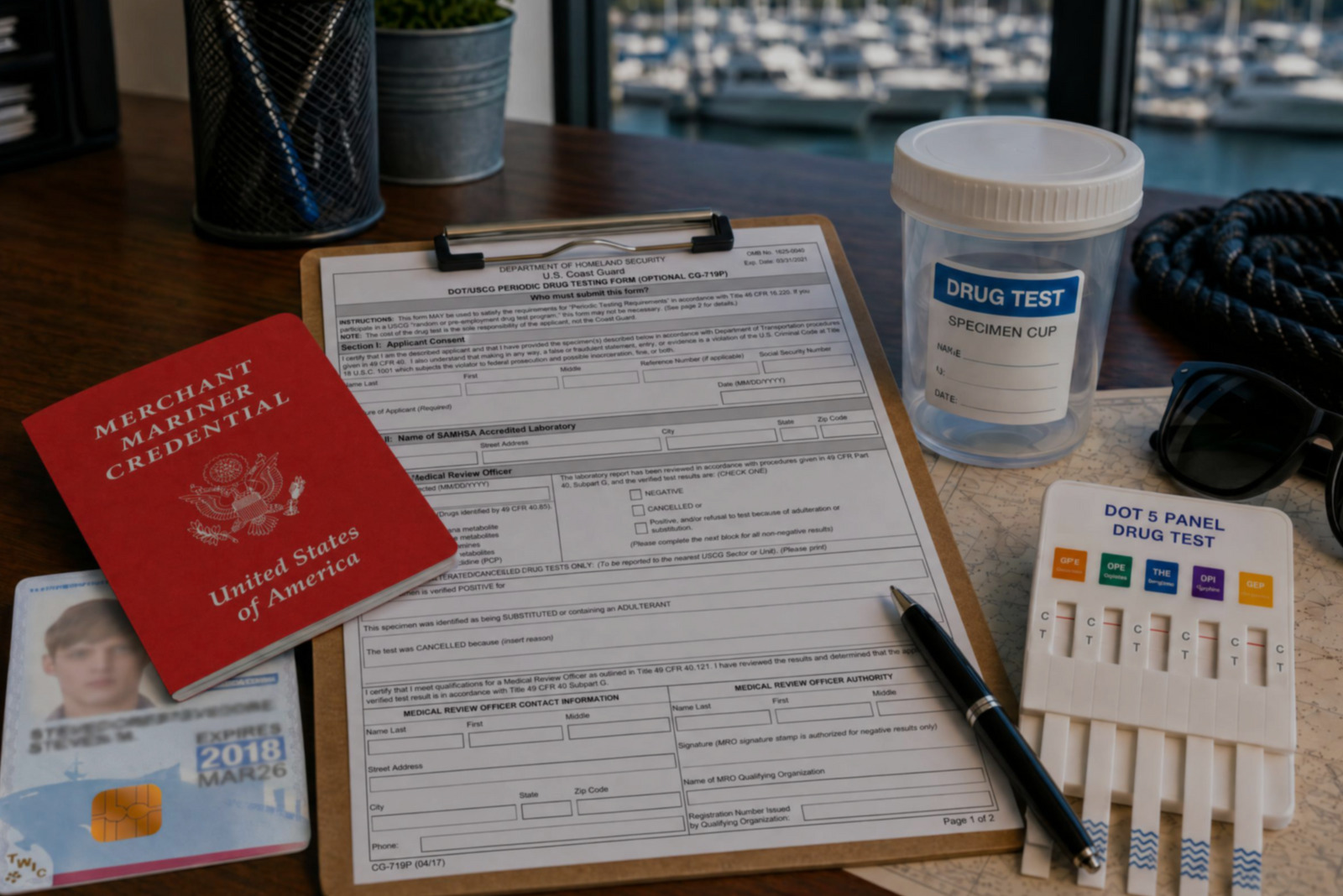

Discover the three types of drug tests working captains must submit to even after they’ve met the initial USCG drug testing requirements for their license.
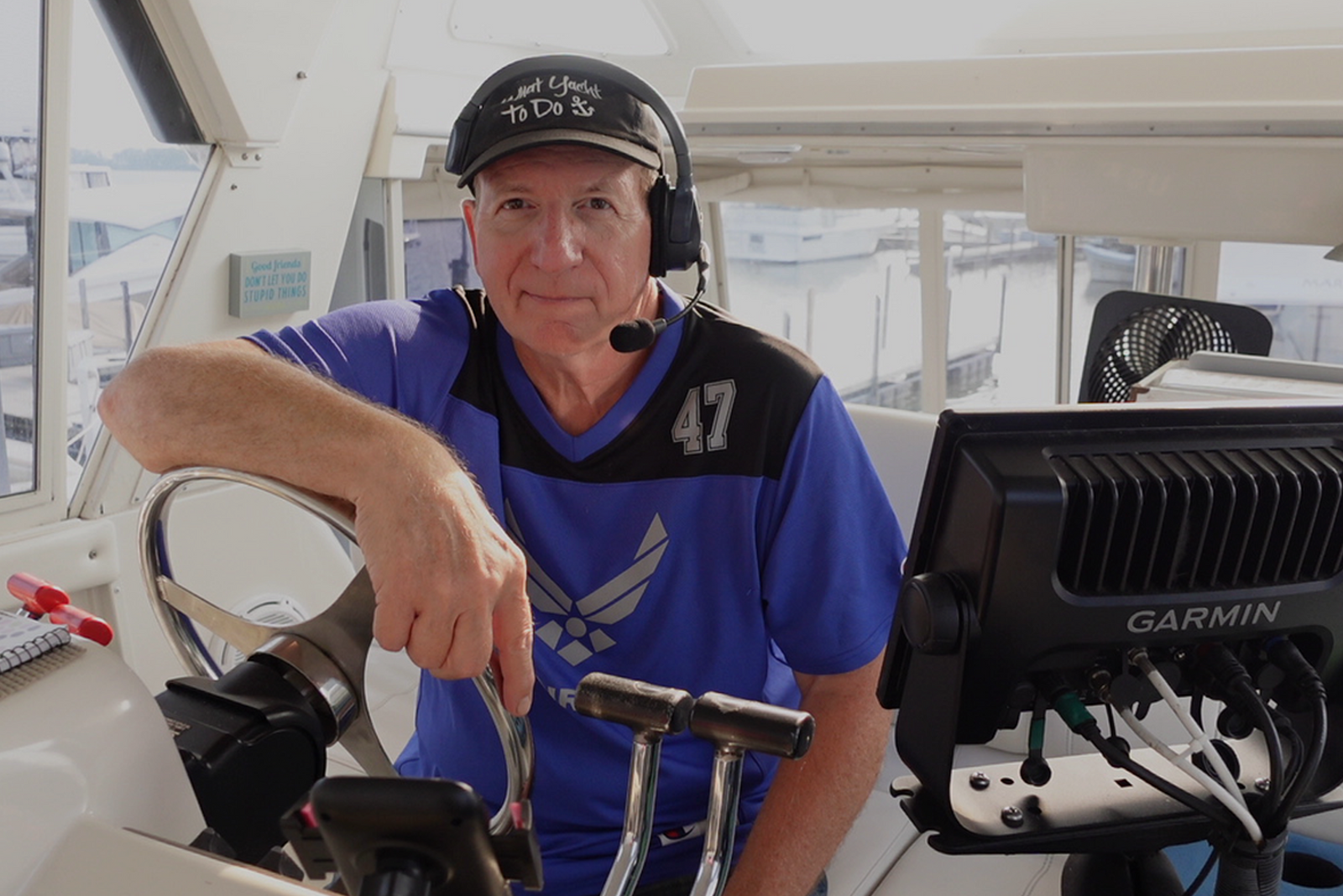

Discover how a retired airline pilot became obsessed with the Great Loop and built a thriving captain training business through Mariners Learning System.


Learn which substances the MMC drug test looks for, plus how masking agents and false positives factor in.


Discover the five most common mistakes mariners make on the captain’s license physical, plus a checklist for how to avoid them.
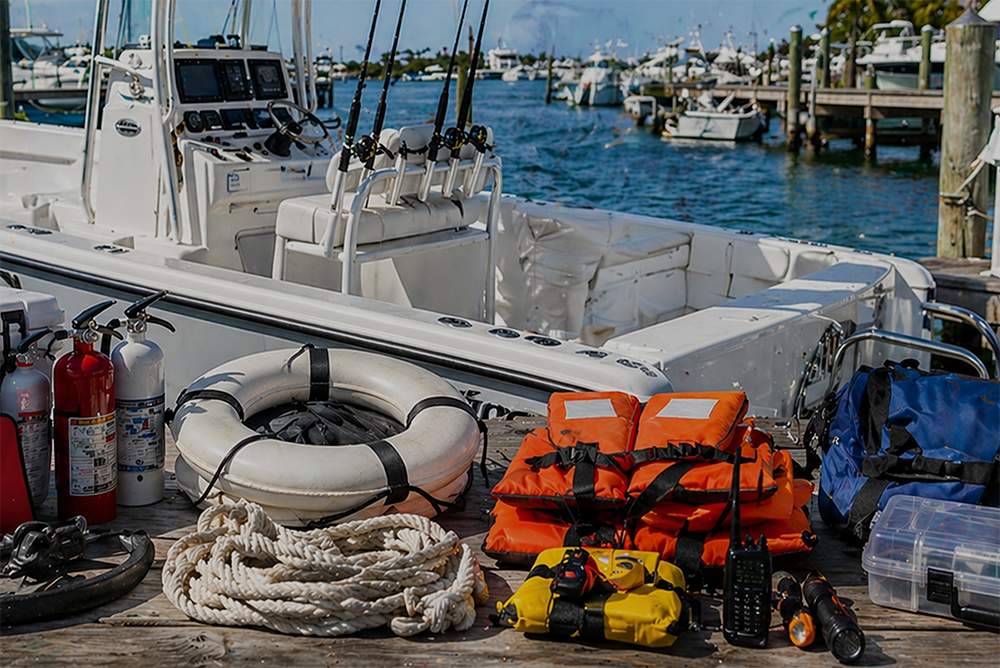

Discover why so many charter captains run out of money and how to plan every startup cost from your vessel purchase to guest-ready outfitting.

Learn how to build a charter business plan that covers pricing, expenses, and marketing so your captain’s license leads to lasting profit.

Transform how you talk about price with proven anchoring strategies and value-first framing that stops charter guests from shopping around.


Discover how charter captains use hybrid pricing models and seasonal adjustments to increase revenue and simplify bookings for every guest type.