

Meet Navi: Your 24/7 AI Instructor Inside the MLS Classroom
Unlock 24/7 access to Navi, an AI instructor trained on MLS course material, so you can ask questions, run practice quizzes, and nail your captain’s exam.


Your Coast Guard license is valid. Your boat passes every safety inspection. Your insurance is paid up.
Then the harbormaster arrives with a cease and desist order.
This happens to licensed captains every season: They follow federal regulations perfectly but miss the state, local, and private rules that govern commercial operations. One overlooked permit or marina restriction can end your season before it starts.
In this blog post, we’ll explain the regulatory layers that determine whether you can actually run a charter business.

Running a charter business means navigating four distinct regulatory levels, each with its own focus and enforcement power.
Federal oversight through the Coast Guard provides your baseline. Your license must match your operation, whether OUPV or Master. Uninspected vessels are limited to six paying passengers. Inspected vessels need valid COIs.
You must enroll in drug testing programs and maintain required safety equipment. These rules apply everywhere, regardless of location or charter type.
State oversight varies but often proves more complex than federal requirements. States:
Local and municipal oversight catches most captains off guard:
Private and contractual oversight comes from non-government entities:
These private rules carry real consequences: loss of dockage, platform delisting, or partnership termination.
Platforms like GetMyBoat, Boatsetter, and FishingBooker can delist your operation instantly for permit violations, insurance lapses, or customer complaints about unlicensed activities. Unlike government agencies that follow lengthy enforcement processes, these platforms remove listings immediately when violations are discovered.
If you depend on online bookings, losing platform access can end your season overnight. Reinstatement often takes weeks or months, if it’s granted at all.
Your chosen niche determines which regulations apply outside basic captain’s license requirements. For instance, fishing charters seem straightforward but involve multiple regulatory bodies.
Beyond your USCG credential, you’ll likely need a state fishing guide license, even though you’re not personally fishing. Your vessel needs commercial registration in most states.
You must file catch reports monthly or face fines. Some states require reef fish endorsements or species-specific permits. Many public ramps prohibit commercial launching, forcing you to find private access.
Each state adds its own layer of complexity:
Sunset and celebration cruises face different challenges, particularly around alcohol. Even BYOB trips fall under local open container laws. Some cities require alcohol service certification for the captain, even when not selling drinks.
Meanwhile, amplified music might be banned after certain hours, and docks might prohibit evening commercial operations. What seems like a simple sunset cruise can violate multiple local ordinances you never knew existed.
Eco tours and wildlife watching trips enter another regulatory realm entirely. Federal agencies like NOAA enforce strict approach distances for marine mammals. You might need an interpretive guide certification for operations in certain parks.
Protected areas have boundaries that change seasonally for nesting or migration. Marketing “close encounters” without knowing minimum distance requirements can cost you major fines.
Marine sanctuaries add more complexity. Some allow commercial operations with permits; others ban them entirely.
Rules change based on species present, time of year, and specific locations within the sanctuary. What’s legal in one part of your operating area might be prohibited a mile away.
State wildlife agencies layer additional requirements. They might require wildlife viewing permits separate from your captain’s license.
Some states mandate specific training for guides discussing protected species. Others limit the number of vessels that can operate in sensitive areas simultaneously.
Water taxi services face the most complex regulatory environment. Cities treat them like public transportation, not recreational charters.
You’ll need city-issued permits, which may be limited in number. Some cities auction these permits for thousands of dollars. Others require franchise agreements with performance standards.
Route restrictions determine where you can pick up and drop off passengers. Manifest reporting might be required for homeland security. Dock assignments could be controlled by port authorities.
Your vessel might need to meet ADA accessibility standards. Insurance requirements often exceed standard charter coverage by significant amounts.
Many captains assume they can simply start shuttling people between waterfront restaurants. In reality, most cities strictly regulate commercial dock use, passenger loading zones, and water taxi operations to prevent congestion and ensure safety.
Insurance companies assess risk differently for each charter type, and coverage must match your actual operation:
Your insurance must specifically cover your charter activity, not just your vessel. Many captains discover their “commercial” policy only covers delivery or movement, not passengers for hire. Others find exclusions for certain activities like swimming, paddleboarding, or alcohol consumption.
One claim denial can end your business, so verify coverage details in writing and confirm passenger activities are covered. Understand exclusions and limitations, and never assume coverage.
Your marina or dock can shut you down faster than any government agency. These private entities control access to the water, and their rules often prove more restrictive than public regulations.
Many marinas prohibit any commercial operations from their docks. Others allow fishing charters but ban party boats. Some permit morning operations but not evening trips. Noise restrictions might prohibit music or celebration charters. Even your business signage might violate marina regulations.
Dock agreements often include unexpected restrictions. You might be prohibited from advertising your slip location. Guest parking might be limited or unavailable.
Loading passengers might be restricted to certain areas or times. Your lease might require additional insurance naming the marina as co-insured.
Public docks seem like alternatives, but cities often restrict or prohibit commercial use. Those that allow it might charge daily or annual fees. Some require proof of insurance, business licenses, and operating agreements. Plus, competition for commercial dock space can be fierce in popular areas.
Captain Tony launched his water taxi service in a busy Florida harbor town.
He held a Master license, registered his vessel commercially with the state, and carried a million dollars in liability insurance. He advertised convenient transport between waterfront restaurants and hotels, picking up customers at various docks around the harbor.
Three weeks into operation, multiple authorities converged:
His insurance company then informed him his policy covered charter operations but specifically excluded scheduled transportation services. If any incident had occurred, he would have been personally liable despite paying for coverage he thought was comprehensive.
Tony spent the next six months obtaining proper permits, negotiating dock agreements, finding a marina that allowed commercial operations, and switching to the appropriate insurance. The legal fees, fines, and lost revenue during the shutdown cost over $15,000.
He now operates successfully, but learned the hard way that Coast Guard compliance is just the beginning of regulatory requirements.
Professional charter captains don’t just follow the rules. They master them.
This means researching requirements before launching, not after receiving violations. It means building relationships with harbormasters, city officials, and marina managers. It means maintaining a compliance binder with every license, permit, and insurance document readily available.
The captains who succeed long-term treat regulatory compliance as part of their professional identity. They know that one violation can destroy years of reputation-building. They understand that proper permits and insurance protect their business investment.
Most importantly, they recognize that compliance creates a competitive advantage by eliminating operators who cut corners.
Before you print business cards or launch a website, map out every regulatory requirement for your specific niche, location, and operation. The time you invest in proper compliance pays dividends in sustainable, profitable operations.

Ask a question, share an experience, or add a helpful tip related to this article. Comments may appear after review to prevent spam.
Unlock 24/7 access to Navi, an AI instructor trained on MLS course material, so you can ask questions, run practice quizzes, and nail your captain’s exam.


Learn what questions to ask and how to prepare for a captain’s license drug test to ensure you avoid the most common application delays.
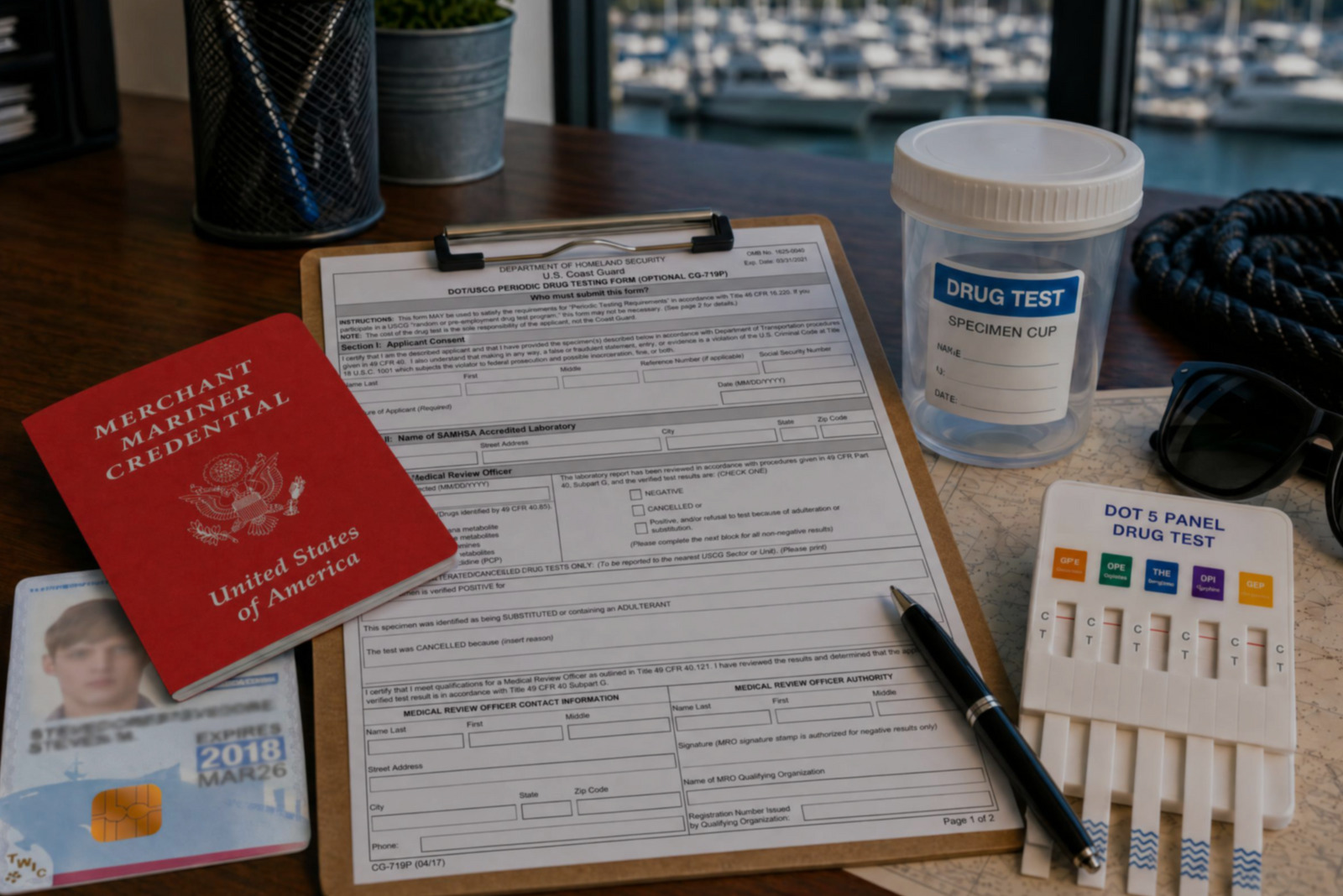

Discover the three types of drug tests working captains must submit to even after they’ve met the initial USCG drug testing requirements for their license.
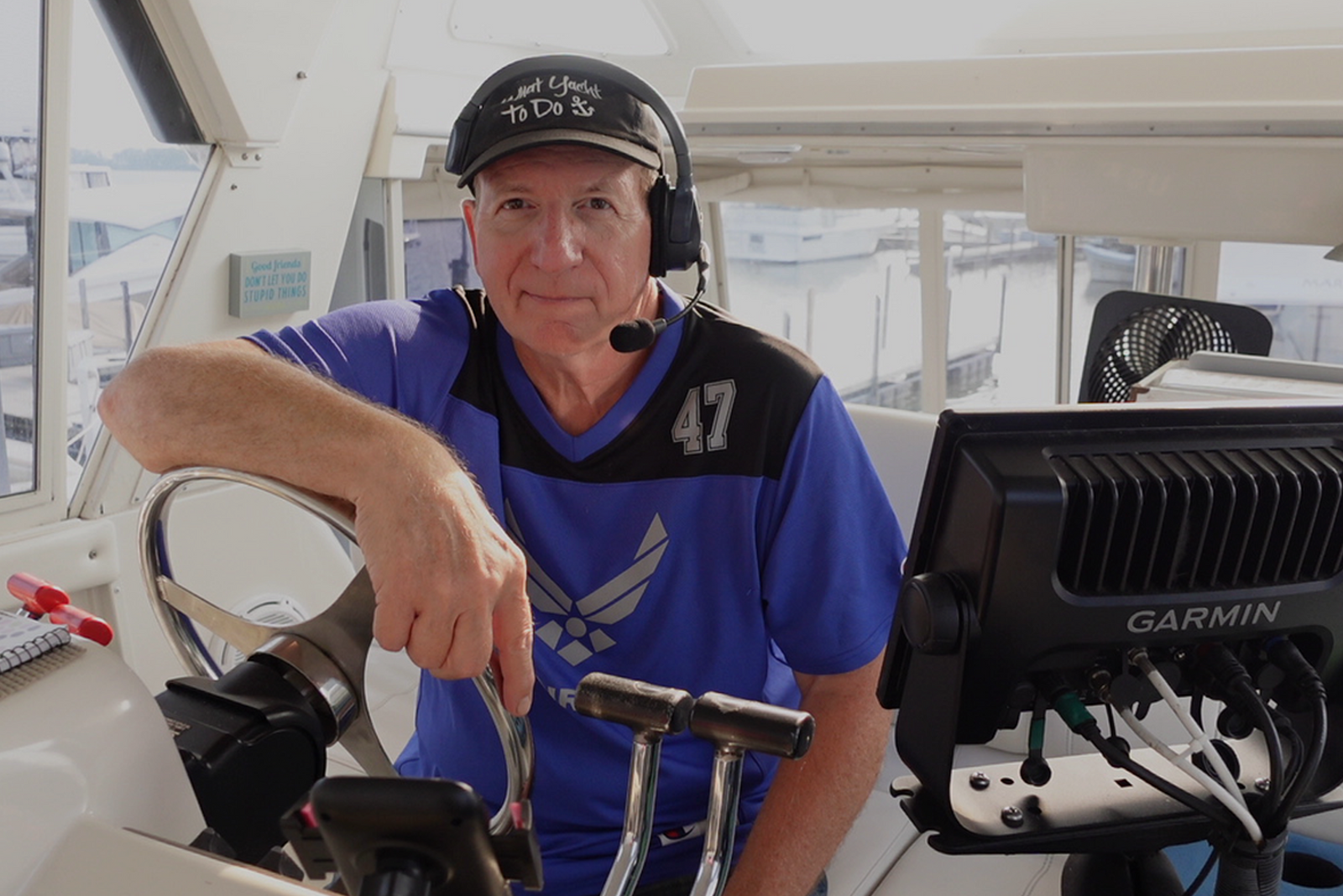

Discover how a retired airline pilot became obsessed with the Great Loop and built a thriving captain training business through Mariners Learning System.


Learn which substances the MMC drug test looks for, plus how masking agents and false positives factor in.


Discover the five most common mistakes mariners make on the captain’s license physical, plus a checklist for how to avoid them.
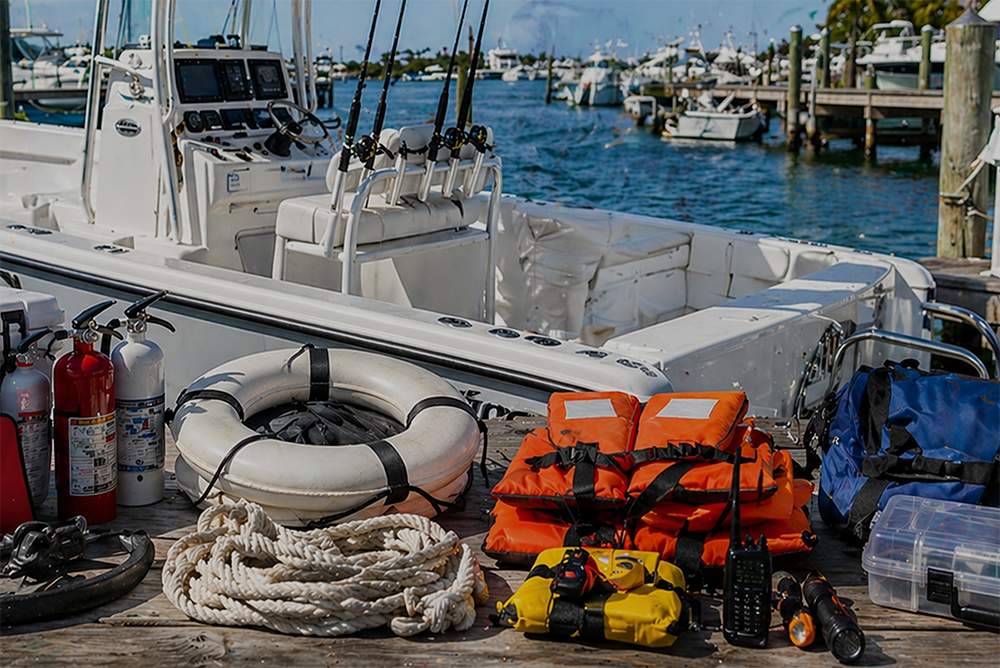

Discover why so many charter captains run out of money and how to plan every startup cost from your vessel purchase to guest-ready outfitting.


Learn how to build a charter business plan that covers pricing, expenses, and marketing so your captain’s license leads to lasting profit.


Transform how you talk about price with proven anchoring strategies and value-first framing that stops charter guests from shopping around.


Discover how charter captains use hybrid pricing models and seasonal adjustments to increase revenue and simplify bookings for every guest type.