

Meet Navi: Your 24/7 AI Instructor Inside the MLS Classroom
Unlock 24/7 access to Navi, an AI instructor trained on MLS course material, so you can ask questions, run practice quizzes, and nail your captain’s exam.
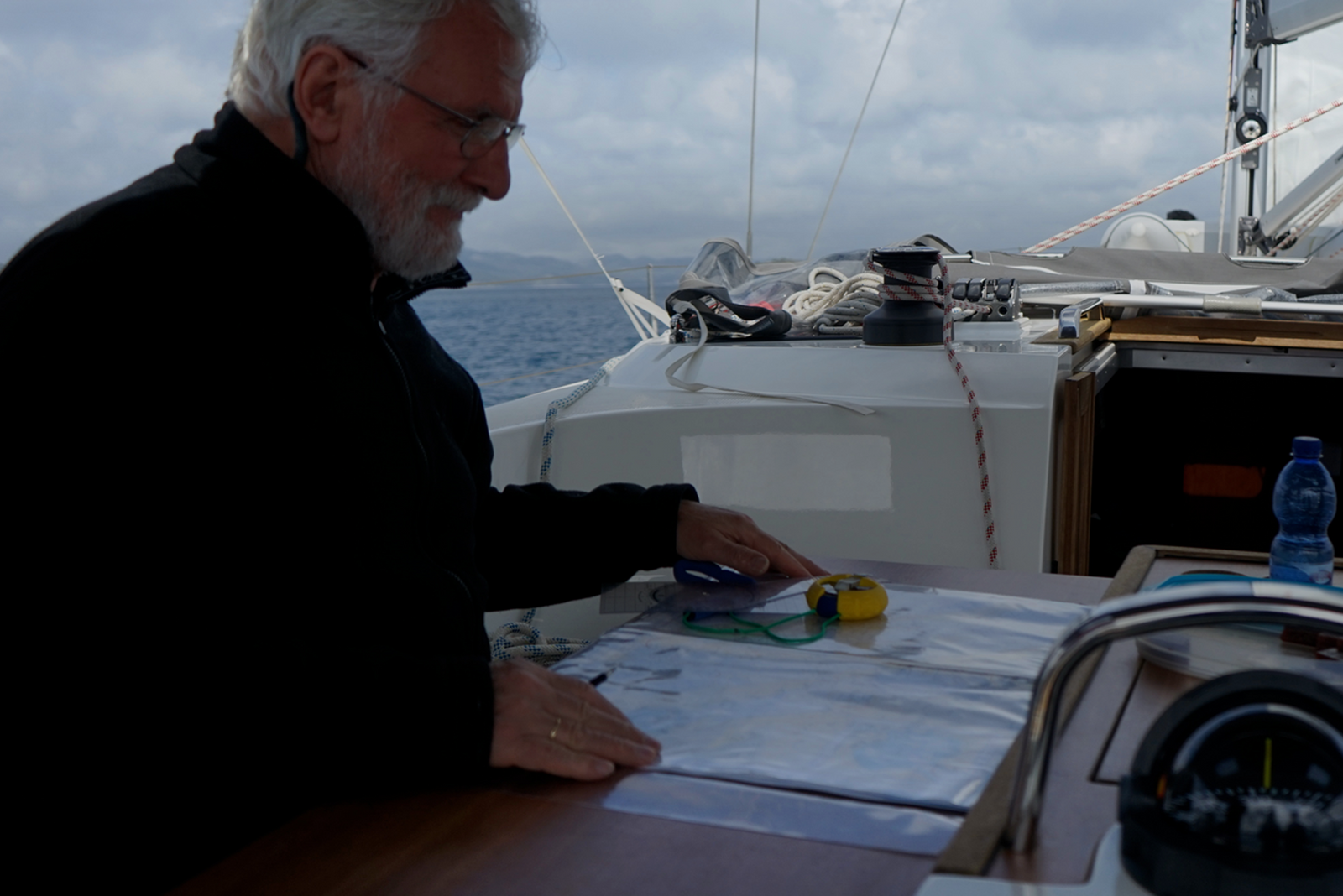

You’ve picked the perfect boat and gotten your captain’s license. Then you realize you have no idea where to take paying customer.
This happens to new captains every season. They focus so intently on getting licensed and buying equipment that they forget to answer the most basic question: Where will you actually run your trips? Your route defines your customer satisfaction, fuel costs, safety risks, and repeat bookings.
Whether you’re planning fishing charters, sunset cruises, or water taxi service, choosing the right waters makes the difference between struggling and thriving.
Before you book a single customer, evaluate your waters like a business owner, not just a boater. That scenic spot you love to anchor might be terrible for commercial operations.
Start by asking practical questions. Can you reach interesting areas within an hour? Most guests expect to see worthwhile sights without spending half their trip in transit. A dolphin-watching tour that takes 45 minutes to reach dolphins won’t get good reviews.
Consider your vessel’s capabilities. A shallow-draft bay boat opens up skinny water routes that deep-V hulls can’t access. But that same bay boat might pound uncomfortably in an afternoon chop.
Match your boat to the conditions you’ll face regularly. Captain Mike learned this lesson the hard way when he launched his business. His 22-foot center console handles the protected waters of Charleston Harbor beautifully but gets wet and uncomfortable when crossing to barrier islands.
After several complaints about spray and rough rides, he adjusted his routes to stay in calmer zones. His reviews immediately improved, and bookings increased.
Customers expect consistency. They book a two-hour sunset cruise and expect it to last two hours, follow a pleasant route, and deliver what you promised. You need routes you can run confidently in different conditions.
Your primary route must include clear start and end points that are legally accessible for commercial use. Many captains learn that their favorite public dock prohibits charter pickups without permits, often after receiving a citation or warning.
Build in flexibility from the start. Know where you can extend the trip if guests are having fun or cut it short if the weather changes.
Captain Sarah developed this approach through experience. She always identifies her “decision point” where she can loop back early or continue based on conditions. This flexibility has saved countless trips from weather changes or passenger issues.
The best routes have natural highlights spread throughout. Instead of rushing to one scenic spot, plan multiple points of interest. This keeps guests engaged and gives you talking points during transitions.
Your pickup location leaves a first impression. A sketchy dock with no parking tells customers you’re unprofessional before they even board.
Look for docks with adequate parking and clear signage. Guests shouldn’t wonder where to meet you. Check whether commercial operations require fees or special agreements.
Some marinas welcome charter operators, while others ban them completely. Research these policies before advertising pickup locations.
Consider dock height at different tides. A dock that works perfectly at high tide might leave elderly guests struggling to board at low water. Factor in how you’ll help passengers with mobility challenges.
Captain Joe learned the importance of dock selection when he chose a free public ramp for pickups. The lack of dedicated parking created chaos on weekends, and guests complained about walking through mud at low tide.
He eventually switched to a marina that charged $200 monthly but provided covered waiting areas and consistent boarding conditions. His bookings increased enough to cover the cost within two weeks.

Even perfect routes fail if you ignore practical logistics:
An embarrassing incident taught Captain Amy about bridge timing. She once trapped her sunset cruise customers for 30 minutes while waiting for an unexpected bridge closure. The resulting poor reviews hurt her reputation. Now she checks bridge schedules before every trip and builds buffer time into her routes.
Think beyond just getting from point A to point B. Your route should tell a story and create moments worth photographing.
Plan your approach to minimize spray and sun glare. Nobody enjoys salt spray in their face for 30 minutes. Position the boat so guests stay comfortable and can see highlights without squinting into the sun.
Create natural pause points where guests can take photos, ask questions, or simply enjoy the moment. These breaks also give you flexibility to adjust timing without seeming rushed.
Consider the return trip carefully. Guests are often tired, possibly sunburned, and ready to dock smoothly. Avoid routing that forces you to fight the current or wind when everyone just wants to be comfortable.
Smart captains learn their local weather patterns and plan accordingly. Morning trips might feature calm conditions, while afternoons bring predictable wind and chop.
Take Captain Tom, for instance, who operates on the Gulf Coast, where summer conditions follow strict patterns. He discovered that thunderstorms build reliably after 2 p.m. from June through September.
He now schedules all tours before noon during the summer months. In winter, he shifts to afternoon trips when morning temperatures are too cold for comfort.
Track patterns over time. Keep detailed notes about wind direction, tide effects, and seasonal changes. After one season, you’ll predict conditions better than most weather apps.
Some routes work beautifully in certain seasons but become impossible in others. Beach landings that delight summer tourists might be inaccessible during winter swells. Build your business around reliable conditions, not wishful thinking.

Never run a paying charter on an untested route. Take friends or family on practice runs during different tides and weather conditions. Time each segment carefully and take note of problem areas.
Document fuel consumption at various speeds. You might learn that reducing speed from 25 to 20 knots saves a ton of fuel without affecting the duration of the trip.
Pay attention to where guests naturally gather, take photos, or lose interest. These observations will help you refine your timing and narration.
Captain Noah noticed guests always photographed a particular lighthouse at the same angle. He started slowing down at that exact spot and sharing the lighthouse’s construction history. His tips increased noticeably after this small adjustment.
Update your routes based on your experience. That shortcut through the marsh might save time but leave everyone covered in bugs, and the scenic loop past expensive homes may earn you more tips than the industrial waterfront route.
Your charter route is more than lines on a chart. It’s the foundation of your customer experience and business success. Invest time in planning, testing, and refining routes that showcase your local waters while keeping guests safe and comfortable.
The captains who succeed aren’t the ones with the biggest boats or the most experience. They’re the ones who know their waters, plan thoughtfully, and consistently deliver what they promise. Start with one well-tested route and build your reputation from there.
Ask a question, share an experience, or add a helpful tip related to this article. Comments may appear after review to prevent spam.
Unlock 24/7 access to Navi, an AI instructor trained on MLS course material, so you can ask questions, run practice quizzes, and nail your captain’s exam.


Learn what questions to ask and how to prepare for a captain’s license drug test to ensure you avoid the most common application delays.
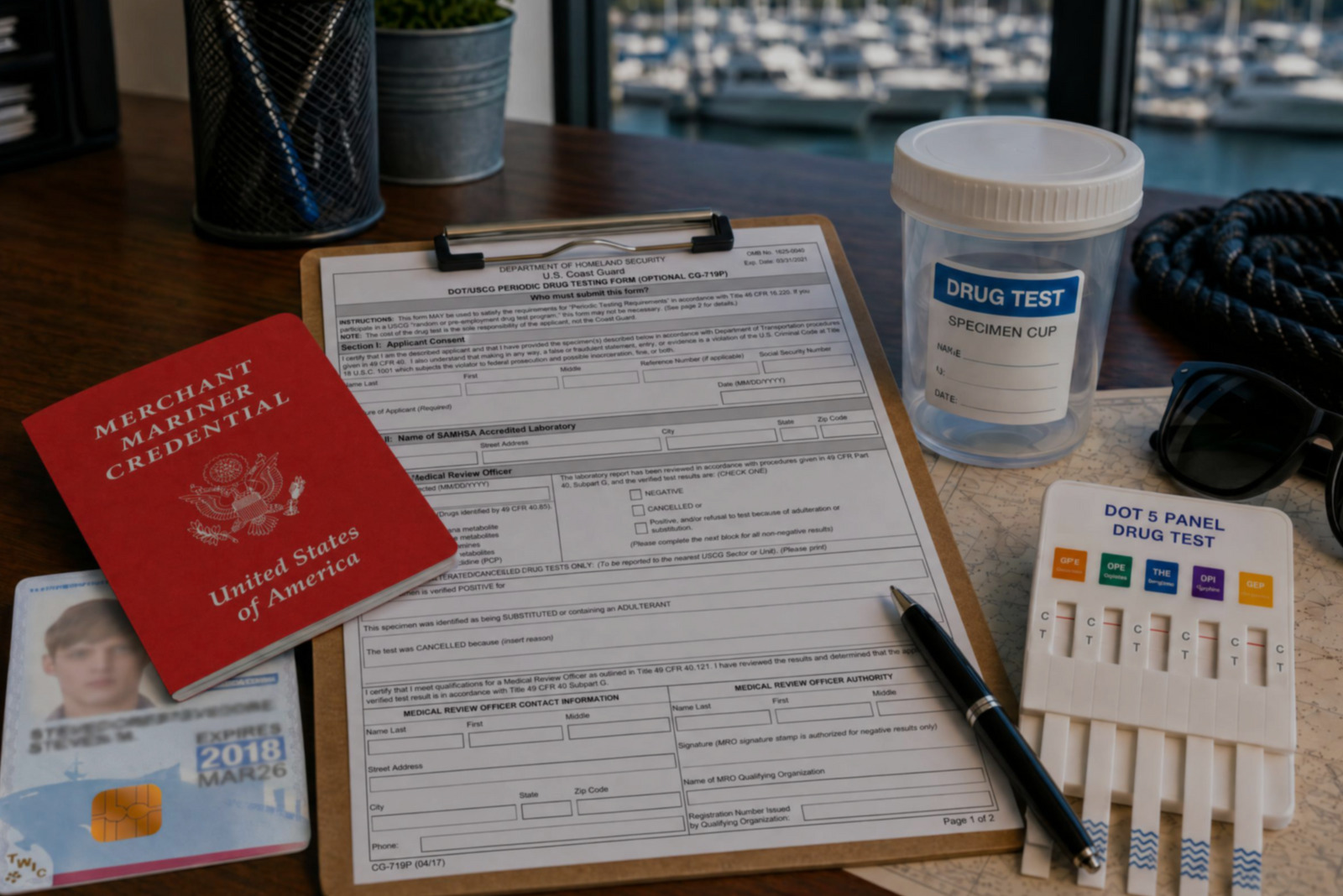

Discover the three types of drug tests working captains must submit to even after they’ve met the initial USCG drug testing requirements for their license.
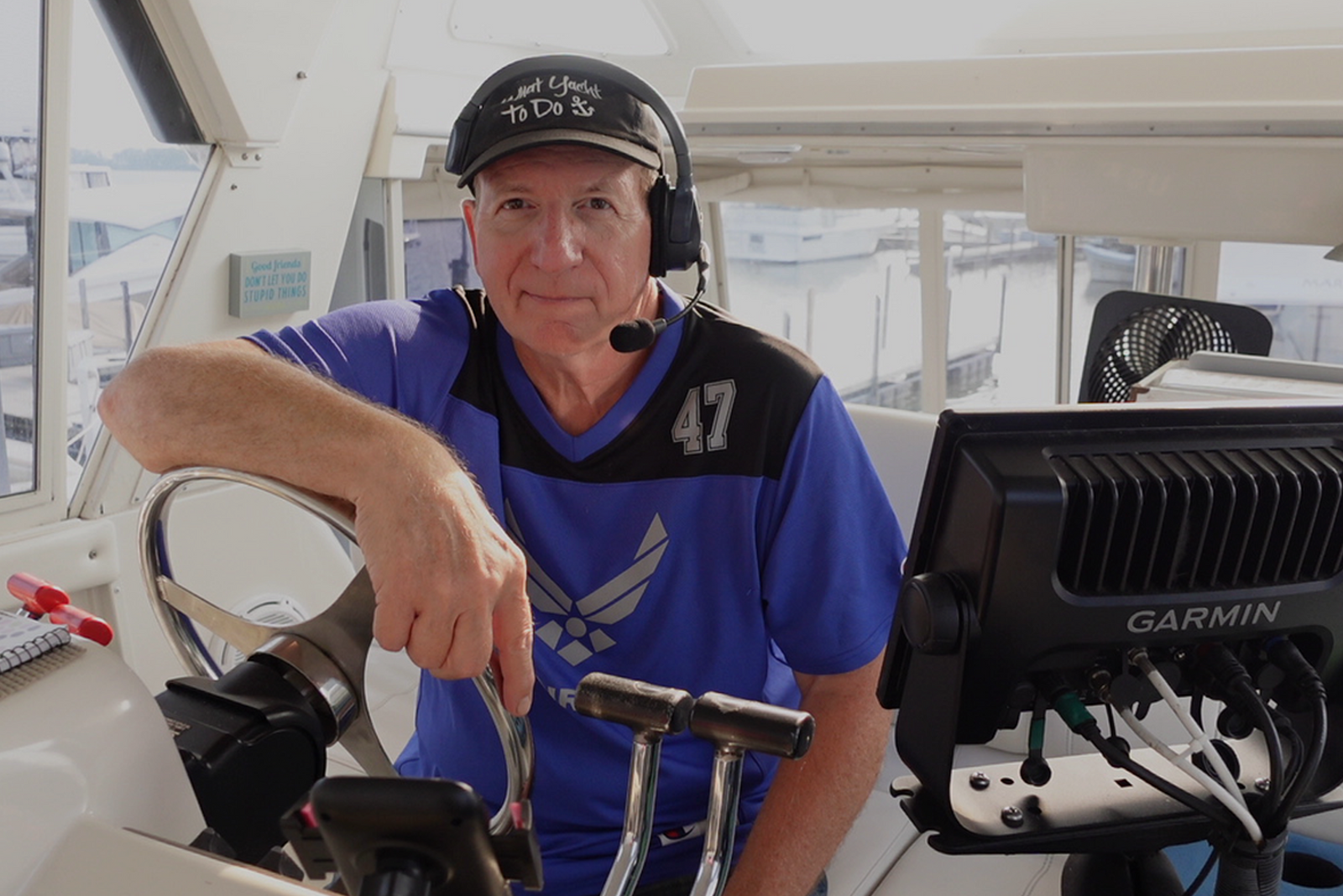

Discover how a retired airline pilot became obsessed with the Great Loop and built a thriving captain training business through Mariners Learning System.


Learn which substances the MMC drug test looks for, plus how masking agents and false positives factor in.


Discover the five most common mistakes mariners make on the captain’s license physical, plus a checklist for how to avoid them.
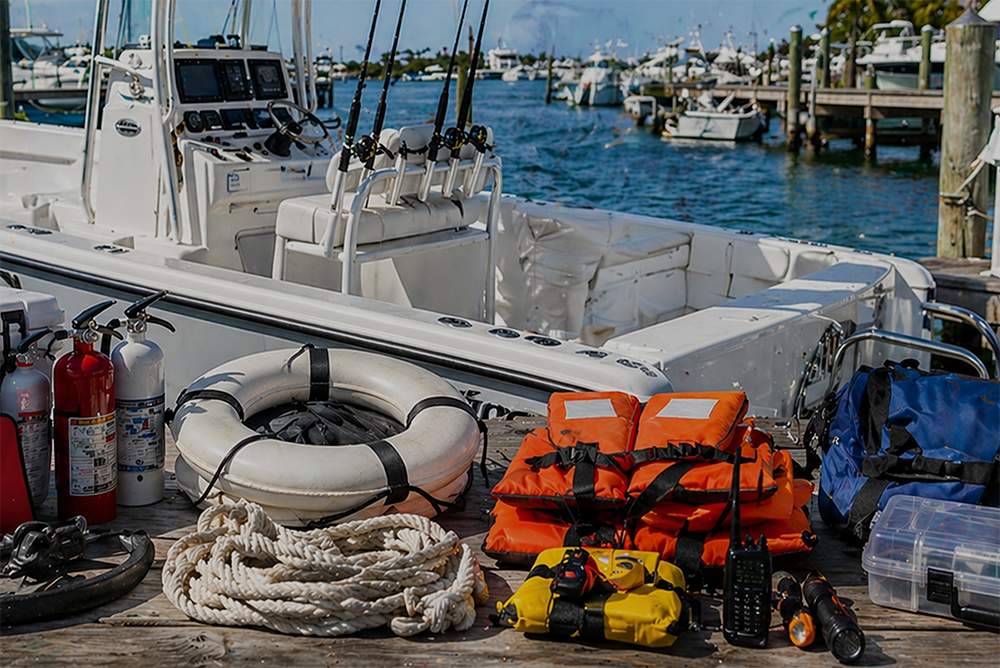

Discover why so many charter captains run out of money and how to plan every startup cost from your vessel purchase to guest-ready outfitting.

Learn how to build a charter business plan that covers pricing, expenses, and marketing so your captain’s license leads to lasting profit.

Transform how you talk about price with proven anchoring strategies and value-first framing that stops charter guests from shopping around.

Discover how charter captains use hybrid pricing models and seasonal adjustments to increase revenue and simplify bookings for every guest type.