

Meet Navi: Your 24/7 AI Instructor Inside the MLS Classroom
Unlock 24/7 access to Navi, an AI instructor trained on MLS course material, so you can ask questions, run practice quizzes, and nail your captain’s exam.
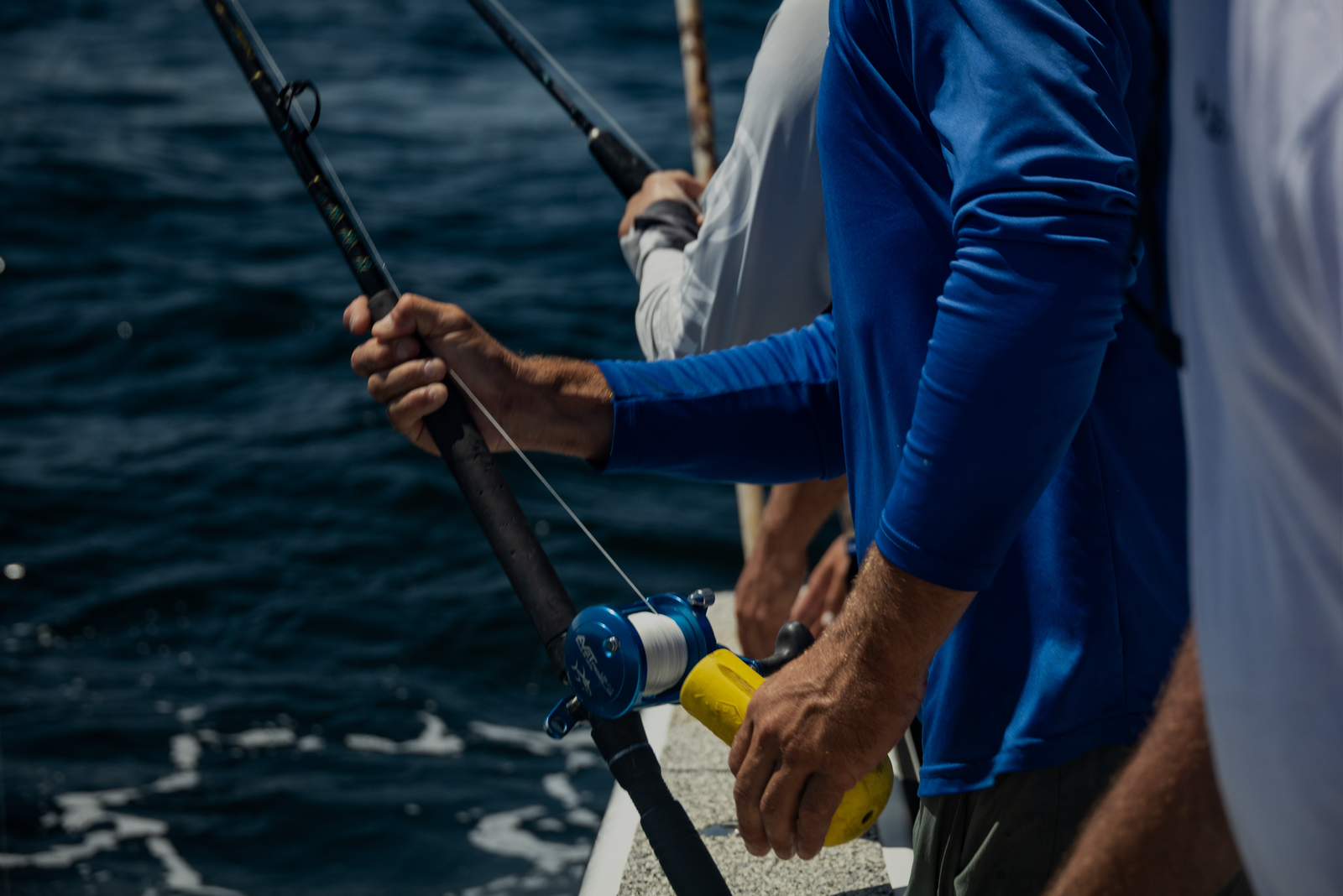

You spent months earning your captain’s license. You bought or leased a boat. Now you’re staring at your business cards, wondering why bookings aren’t flowing in.
Having the credentials and equipment doesn’t guarantee success. The captains who build thriving businesses match their service to their strengths, their vessel’s capabilities, and their local market reality.
This blog post will show you how to find the alignment between who you are, what you have, and what your market actually needs.
Most charter captains are owner-operators, meaning they own the vessel, hold the license, and run the trips themselves. Unlike larger tour companies with hired captains and fleet managers, owner-operators wear every hat: captain, salesperson, maintenance crew, and customer service representative.
This model gives you complete control over your schedule, pricing, and service quality. You keep all the revenue but also handle all the responsibilities.
When something breaks, you fix it. When a customer complains, you address it. When bad weather cancels a trip, you manage the rebooking.
As an owner-operator, your personality becomes part of the product. Customers aren’t just buying a boat ride. They’re buying time with you. Your knowledge, communication style, and energy level affect their experience and your reviews.
That’s why matching your skills to your service matters. A naturally quiet, technical person might excel at instruction but struggle with high-energy group tours. An outgoing storyteller might thrive leading eco tours but feel drained by repetitive water taxi runs.
As an owner-operator, you can’t hide behind corporate policies or delegate difficult customers. You are the business, which makes choosing the right niche important for long-term success and satisfaction.
Your location determines more about your charter business than any other factor. The same service that thrives in the Florida Keys might fail completely on a Midwest lake.
Consider what type of water you operate in:
Each environment suits different charter types and attracts different customers.
Think about your harbor’s infrastructure and culture:
Some locations have thriving charter communities with established customer expectations. Others require you to educate the market about what’s possible.
The Florida Keys support fishing, snorkeling, eco tours, and sunset cruises with year-round demand and heavy competition. Success requires differentiation through specialized service or exceptional quality.
For instance, the Finger Lakes in New York offer calm waters perfect for family trips, wine tours, or instruction, but with strongly seasonal demand.
Seattle’s weather-dependent market favors flexible scheduling and covered vessels, with water taxi and harbor tours performing well during limited sunny months.
Midwest inland lakes excel for instruction, celebration charters, and seasonal fishing, though they’re limited by weather and boat ramp access.
Your location is your market foundation. Work with what exists rather than fighting to create demand that isn’t there.
Your personality shapes your business more than any marketing strategy. The owner-operator model means you’re the product as much as the boat ride.
Some captains love teaching. They explain concepts clearly, demonstrate patiently, and find satisfaction watching others gain confidence. These captains excel at instruction-based charters.
Others are natural entertainers who keep groups engaged with stories, humor, and energy. They thrive leading tours or celebration charters.
Consider whether you prefer working with individuals or groups. Some captains enjoy couples’ sunset cruises or one-on-one instruction. Others prefer the energy of larger groups and busy schedules.
Neither is right nor wrong, but matching your preference to your service prevents burnout.
Think about your optimal schedule:
Your technical skills matter, too. Deep knowledge of local fishing grounds, wildlife behavior, or maritime history becomes your competitive advantage in relevant niches.
Mechanical aptitude is helpful for fishing charters that require gear maintenance. Teaching ability drives instruction services. Social awareness enhances celebration charters.
The best marketing can’t overcome vessel limitations. Your boat’s characteristics define what services you can credibly offer.
A center console excels for fishing and instruction with its open deck, accessibility, and utility, but that same openness might feel too exposed for luxury sunset cruises.
A pontoon boat creates the perfect conditions for calm-water family trips and parties with its stability and space, but it won’t work for offshore fishing or rough conditions.
Sailboats invite intimate, slow-paced experiences ideal for couples’ trips or hands-on learning, though they limit your service area and scheduling flexibility.
Work boats and skiffs handle delivery, water taxi, and functional transport well, but might not attract tourists seeking comfortable recreation.
Consider practical limitations:
These details determine whether a service is feasible or frustrating.
Your boat’s appearance matters, too. A clean, well-maintained vessel works for any service. But certain niches demand more.
For instance, sunset cruise guests expect comfort and ambiance. Corporate groups notice professional presentation. Instagram-conscious tourists want photogenic settings.
Match your vessel’s personality to your target market’s expectations.
Good business ideas fail without customer demand. Before committing to a niche, verify whether people will actually pay for your service.
Research existing operators in your area. Are similar services thriving or struggling? If multiple operators run similar trips, demand likely exists, though you’ll need differentiation. If nobody offers your proposed service, determine whether that’s an opportunity or a warning.
Talk to potential customers, not just other captains. Visit hotels, marinas, and tourist centers. Ask what water-based activities guests request. Notice what questions people post in local Facebook groups. Pay attention to seasonal patterns and visitor demographics.
Consider practical market factors:
Test demand before you fully commit to one idea. Run a few trial trips for friends or discounted customers. Post in local groups to gauge interest. Partner with established businesses for referrals.
Market validation beats assumption every time.

Your chosen niche might require permits, insurance, or certifications beyond your captain’s license. These requirements vary by location and service type:
Insurance companies view different charter types differently. A basic fishing charter might get standard coverage, while a booze cruise requires additional liability protection. Instruction services need errors and omissions coverage. Water taxis might need commercial auto-style policies.
Don’t assume your USCG license covers everything. Research state, county, and city requirements before advertising services. Check marina rules about commercial operations. Verify insurance coverage matches your actual service, not just vessel ownership.
Captain Jennifer owned a 28-foot deck boat and held an OUPV license operating from a Lake Michigan harbor town. She initially planned to run fishing charters like other local captains, despite having minimal fishing experience.
After struggling through a season of mediocre catches and disappointed customers, she evaluated her true strengths. Jennifer was a natural teacher who spent 20 years in corporate training before retiring early. Her boat, with its walk-through windshield and stable platform, was better suited for instruction than fishing.
The local market included hundreds of new boat owners from Chicago who kept vessels at nearby marinas but rarely used them because of confidence issues.
Jennifer pivoted to offering “Captain for a Day” instruction services. She taught nervous boat owners how to dock, anchor, read weather, and handle their own vessels confidently. Her corporate background helped her create structured lessons with clear objectives and takeaway materials.
Within two seasons, she was booked solid from May through September, charging $150 per hour for private instruction, with most clients booking multiple sessions.
By aligning her teaching skills, her vessel’s capabilities, and an underserved market need, she built a profitable business that felt more like sharing expertise than working.
The most successful charter businesses live at the intersection of captain skills, vessel capabilities, and market demand. When these three elements align, work feels natural, marketing becomes easier, and customers sense authenticity.
Stop trying to copy what works elsewhere. Instead, honestly assess your strengths, acknowledge your vessel’s limitations, and research your local market’s needs. The right niche might not be the most obvious or exciting option, but it’s the one you can deliver consistently with confidence and satisfaction.

Ask a question, share an experience, or add a helpful tip related to this article. Comments may appear after review to prevent spam.
Unlock 24/7 access to Navi, an AI instructor trained on MLS course material, so you can ask questions, run practice quizzes, and nail your captain’s exam.


Learn what questions to ask and how to prepare for a captain’s license drug test to ensure you avoid the most common application delays.
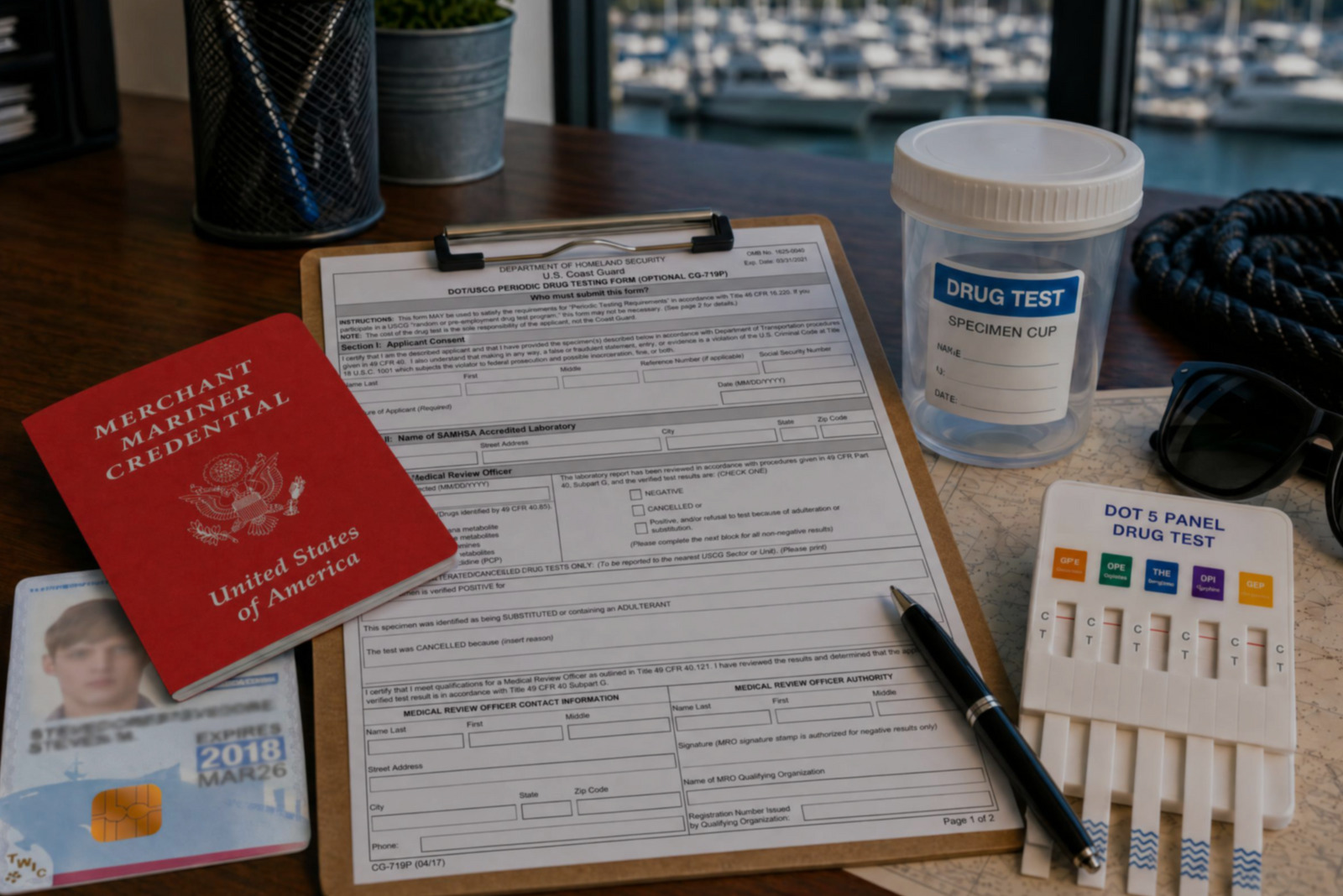

Discover the three types of drug tests working captains must submit to even after they’ve met the initial USCG drug testing requirements for their license.
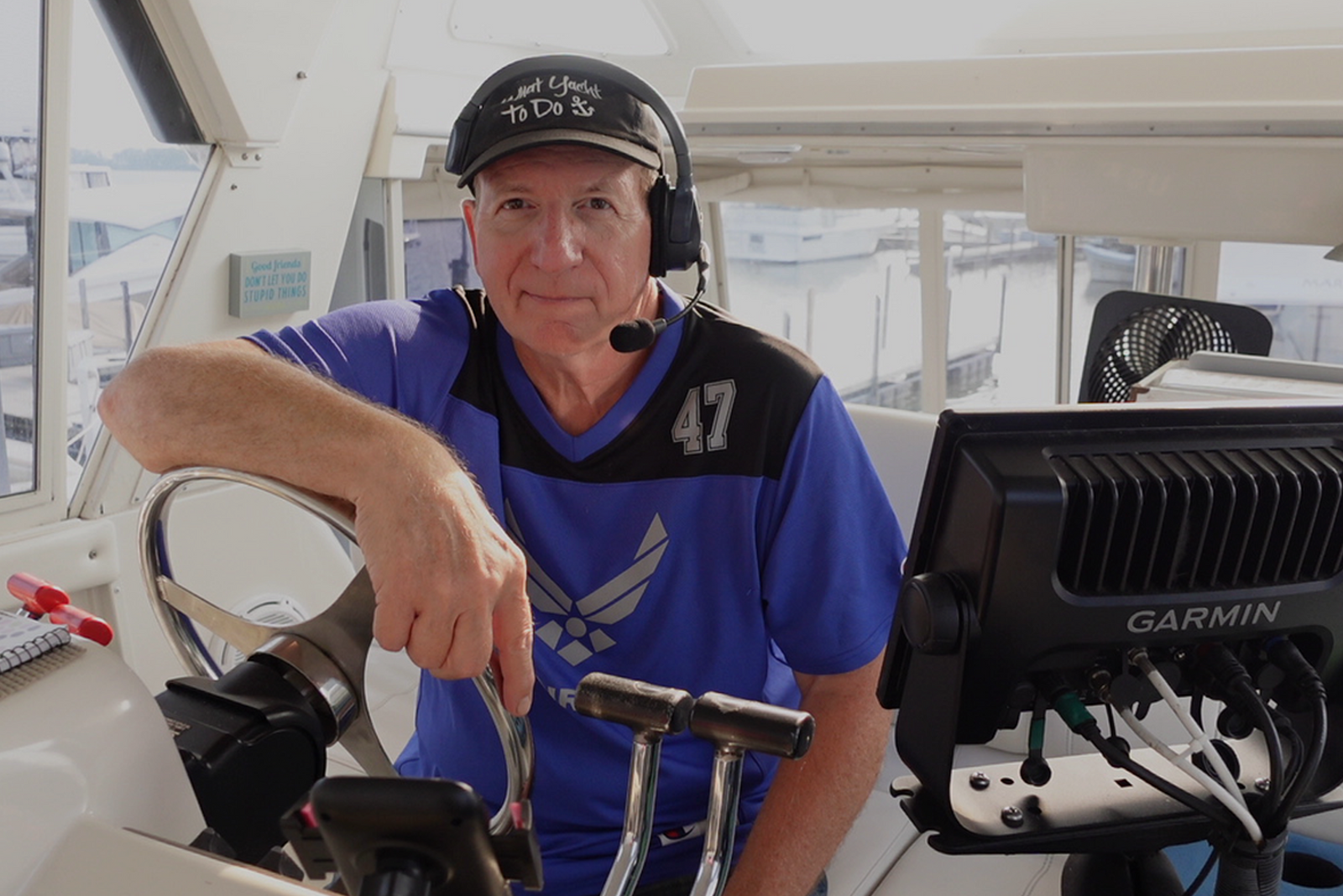

Discover how a retired airline pilot became obsessed with the Great Loop and built a thriving captain training business through Mariners Learning System.


Learn which substances the MMC drug test looks for, plus how masking agents and false positives factor in.


Discover the five most common mistakes mariners make on the captain’s license physical, plus a checklist for how to avoid them.
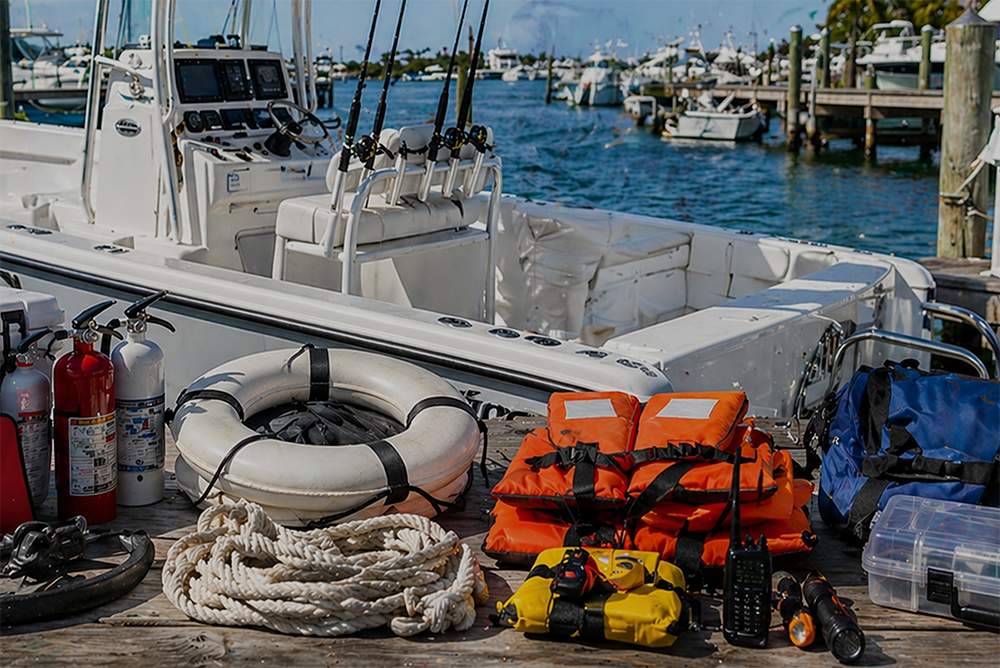

Discover why so many charter captains run out of money and how to plan every startup cost from your vessel purchase to guest-ready outfitting.

Learn how to build a charter business plan that covers pricing, expenses, and marketing so your captain’s license leads to lasting profit.

Transform how you talk about price with proven anchoring strategies and value-first framing that stops charter guests from shopping around.


Discover how charter captains use hybrid pricing models and seasonal adjustments to increase revenue and simplify bookings for every guest type.