

Meet Navi: Your 24/7 AI Instructor Inside the MLS Classroom
Unlock 24/7 access to Navi, an AI instructor trained on MLS course material, so you can ask questions, run practice quizzes, and nail your captain’s exam.


I love giving back on the water.
But if you’re donating time on a boat with passengers — even if it’s for charity — you almost certainly need a captain’s license.
That surprises a lot of well-meaning folks. The confusion usually comes down to one word: consideration.
You might think you’re in the clear because you aren’t charging a fee. But the Coast Guard looks at more than money. Anything of value exchanged for that boat ride qualifies as consideration and could get you into hot water.
Let’s look at how this plays out in real life — and why you usually need a captain’s license even for charity work.
Years ago, I donated time to a community church. They were teaching sailing to kids who came for Bible study, and their heart was in the right place.
I asked the head of the church, “Is the person on the boat with those kids a licensed captain?”
“No,” he said. “We don’t charge a fee, so we don’t need a license.”
I pressed: “Can anyone from the neighborhood just show up and go out on the boat?”
“No, it’s only for church members,” he said.
That last bit is the key. In the Coast Guard’s eyes, limiting rides to members is still consideration. Membership itself is a benefit exchanged for access. Technically, that makes the activity commercial. I told him plainly I wouldn’t run those trips without a licensed captain on board, and he joked that I was just trying to sell him a course.
A couple years later, I bumped into him at a pizza place. He said, “Bob, I wish I’d listened to you.”
He told me that during a standard capsize-and-right drill (a normal and fun part of learning on small boats), a child of course ended up in the water. She had her life jacket on, and safety protocols were followed. Still, her parent took the program to court. The operator was fined $100,000 for running a sailing school without a captain’s license.
The bottom line here: If you are on the boat and in charge, you need a captain’s license in most cases — even if you never collect a dollar.
Now, if instruction is delivered separately from the boat (think instructor on a dinghy with a megaphone) and not aboard the student vessel, a license may not be required. But if you’re physically on the vessel carrying participants, expect the license requirement to apply.
Remember, too, that signed waivers from passengers do not equal compliance. You don’t need permission from your passengers to operate the vessel; you need permission from the Coast Guard.
You don’t need to exchange cash on the dock for a trip to be “for hire.” Consideration can look like:
In each of these cases, someone is receiving value because of the voyage. That’s the trigger.

If you’re considering donating your time to captain a boat for charity, I commend your kindness and generosity. I also want to keep you from suffering for your good heart.
Here’s the principle I live by: If I’m on the boat and I’m responsible, I assume I need to be licensed. I’ve seen how quickly “I’m just helping” can turn into “I’m in court.”
Are there exceptions? Certainly. But living by this principle means you never gamble on whether your nuanced situation truly qualifies as one.
That church story lives rent-free in my mind for a reason. Good intentions don’t shield you from regulations written to keep people safe. If your charitable work includes carrying people on the water — especially if it’s limited to members, donors, clients, or auction winners — run it the right way: with a licensed captain on board.
Stay generous. Stay safe. And stay compliant.

Ask a question, share an experience, or add a helpful tip related to this article. Comments may appear after review to prevent spam.
Unlock 24/7 access to Navi, an AI instructor trained on MLS course material, so you can ask questions, run practice quizzes, and nail your captain’s exam.


Learn what questions to ask and how to prepare for a captain’s license drug test to ensure you avoid the most common application delays.
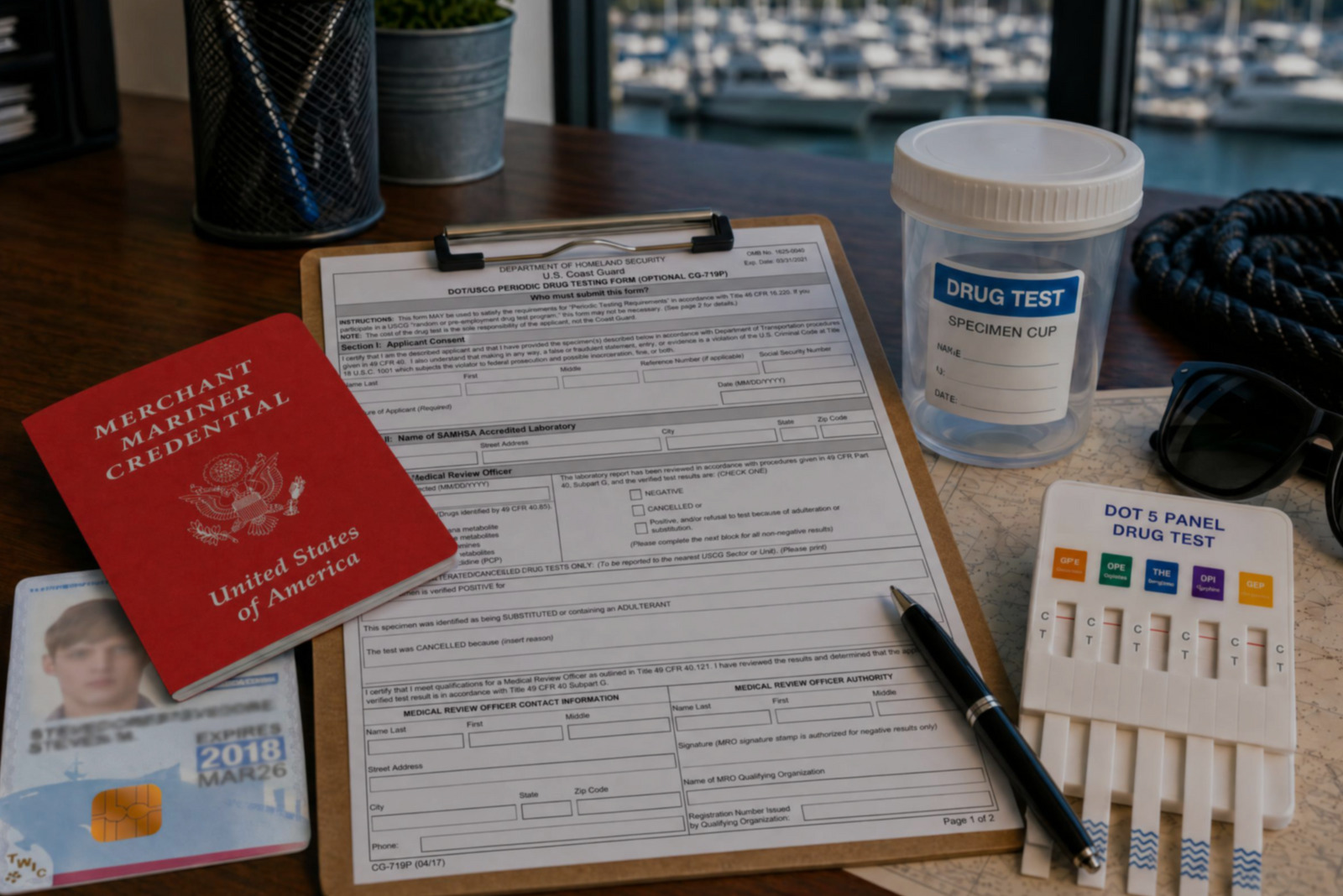

Discover the three types of drug tests working captains must submit to even after they’ve met the initial USCG drug testing requirements for their license.
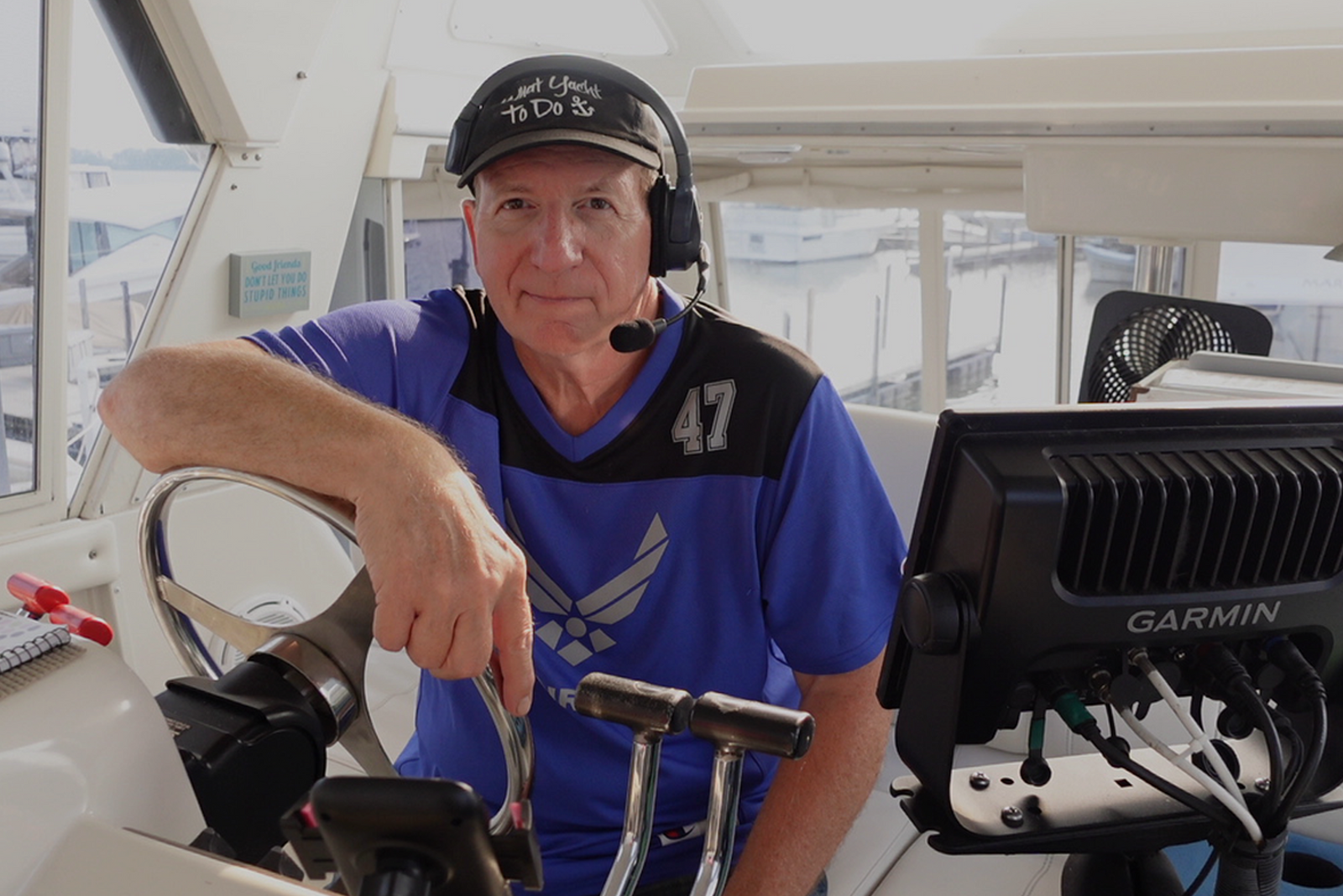

Discover how a retired airline pilot became obsessed with the Great Loop and built a thriving captain training business through Mariners Learning System.


Learn which substances the MMC drug test looks for, plus how masking agents and false positives factor in.


Discover the five most common mistakes mariners make on the captain’s license physical, plus a checklist for how to avoid them.
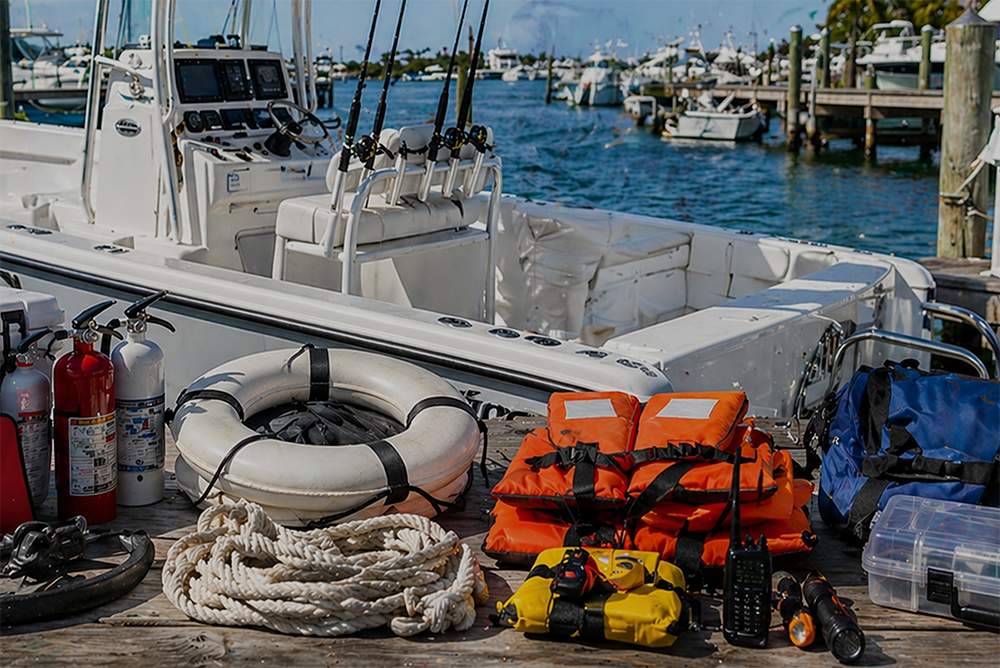

Discover why so many charter captains run out of money and how to plan every startup cost from your vessel purchase to guest-ready outfitting.

Learn how to build a charter business plan that covers pricing, expenses, and marketing so your captain’s license leads to lasting profit.

Transform how you talk about price with proven anchoring strategies and value-first framing that stops charter guests from shopping around.

Discover how charter captains use hybrid pricing models and seasonal adjustments to increase revenue and simplify bookings for every guest type.