

Meet Navi: Your 24/7 AI Instructor Inside the MLS Classroom
Unlock 24/7 access to Navi, an AI instructor trained on MLS course material, so you can ask questions, run practice quizzes, and nail your captain’s exam.


Picture this: You’ve told your customer you can only bring six people out on your charter, but they show up at the dock with seven.
Since your OUPV/Six-Pack license only allows six paying passengers, the extra person volunteers to be your “crew member” for the day. Problem solved, right?
Wrong.
This scenario plays out more often than you’d think, and it’s landed plenty of captains in hot water with the Coast Guard. The distinction between passengers and crew members isn’t just paperwork — it’s an important legal requirement that can make or break your charter operation.
Let’s talk OUPV/Six-Pack license limits, passengers vs. crew members, and what to know to stay out of trouble.
Your OUPV/Six-Pack license allows you to carry six paying passengers plus one crew member. That’s it. The crew member doesn’t count toward your six-passenger limit, but only if they truly qualify as crew under Coast Guard regulations.
The key word here is “qualify.” You can’t just designate someone as crew — as in the scenario above — to get around passenger limits. The Coast Guard has specific requirements that determine whether someone is legally considered a crew member.
According to Coast Guard regulations, a crew member is any person engaged in any capacity aboard a vessel besides the master. The master is the captain responsible for running the boat, and the passengers are simply along for the ride.
Crew members perform duties that support the operation or safety of the boat, and they may be paid or unpaid. It’s their role, not their pay, that matters.
Here’s where this gets captains into trouble. Maybe you have more passengers than your OUPV/Six-Pack license allows and the Coast Guard pulls you over. A passenger has been baiting hooks, giving guided tours, or assisting with docking, so you claim them as crew.
Legally, however, every crew member must be enrolled in a USCG random drug testing program, also called a consortium. No drug testing enrollment means they can’t be classified as crew, regardless of what duties they perform.
When questioned by the Coast Guard, your “crew member” is absolutely going to tell the truth. Now you haven’t just broken the rules — you’ve been caught lying about it, too.
So my advice is always this: If seven people appear at the dock, then one person stays back and you take six out. If no one is willing to stay back, then no one gets on the boat.
This way, you’ll never even be tempted to lie to the Coast Guard.

The Coast Guard isn’t the only entity concerned with passenger and crew member classifications. Insurance companies often have their own requirements that go beyond Coast Guard regulations.
For instance, you aren’t required by the Coast Guard to have a captain’s license unless you’re taking out paying passengers. Depending on the size of your boat, however, your insurance company might tell you that regardless of Coast Guard requirements, you need to be a licensed captain or have one aboard to maintain coverage.
This adds another layer of complexity to crew and passenger classifications, and it’s a very common scenario.
Mislabeling passengers as crew members, or vice versa, will result in violations and fines. As the captain, you’re responsible for knowing who’s a crew member vs. a passenger aboard your vessel.
You’re also responsible for ensuring crew members receive proper training and understand safety practices. You can’t just grab someone off the dock and assign them crew duties. That person needs to understand their responsibilities and be properly qualified.
Getting caught will cost you:
It’s simply not worth the risk.
Let’s say you and your spouse both have captain’s licenses. Can you both be captains on the same trip?
The answer: Only one of you is the captain (master) — the other is crew.
Only one person can be the master of a vessel at any given time. The other licensed captain becomes a crew member for that trip, even though they’re qualified to captain the vessel themselves.
Always document roles clearly for Coast Guard inspections and legal protection. In fact, I recommend documenting everything when you have paying passengers on your boat.
When I ran charters, I kept a detailed log for every trip, recording who was aboard as passengers, weather conditions, departure and return times, and any incidents that occurred. If someone acted up, got drunk, slipped and fell — anything good or bad — I documented it. This written record provided legal protection if questions arose later about what happened during a trip.
Keeping an active logbook isn’t required, but it demonstrates professionalism and provides crucial documentation for disputes or investigations.

Having your captain’s license opens incredible opportunities for turning your boating passion into something more. But operating under the OUPV/Six-Pack license comes with real responsibilities, including knowing your passenger and crew limits.
So don’t play games with definitions. One wrong classification could cost you thousands and put your license — and your livelihood — at risk.
If you’re serious about using your boat to earn an income, then go about it the right way: Get your captain’s license, keep your records tight, and know exactly who’s on your vessel and why.
If you’re frustrated by the six-passenger limit, you can always upgrade your OUPV/Six-Pack license to a Master captain’s license. Our upgrade course provides everything you need to qualify with confidence.
Ask a question, share an experience, or add a helpful tip related to this article. Comments may appear after review to prevent spam.
Unlock 24/7 access to Navi, an AI instructor trained on MLS course material, so you can ask questions, run practice quizzes, and nail your captain’s exam.


Learn what questions to ask and how to prepare for a captain’s license drug test to ensure you avoid the most common application delays.
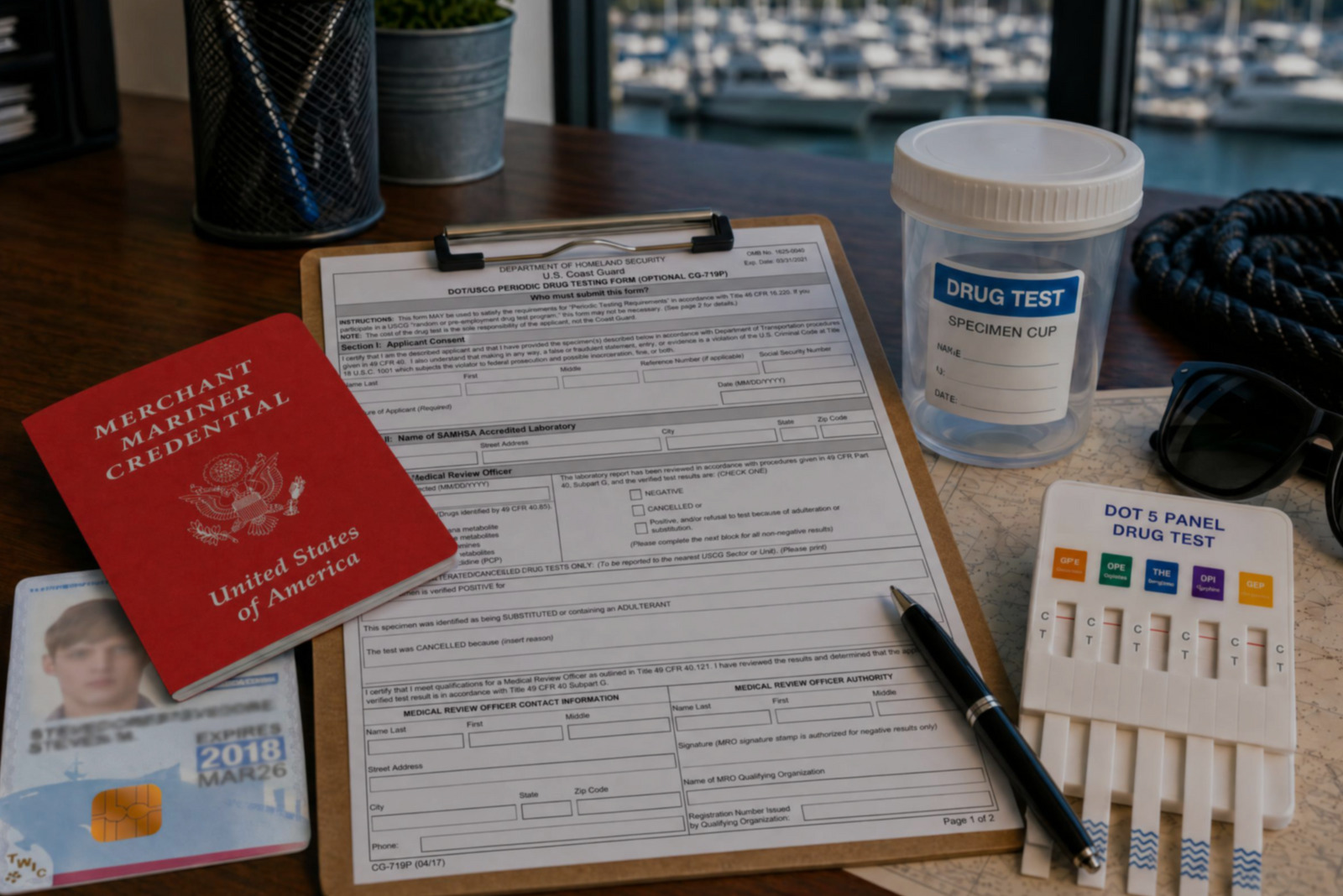

Discover the three types of drug tests working captains must submit to even after they’ve met the initial USCG drug testing requirements for their license.
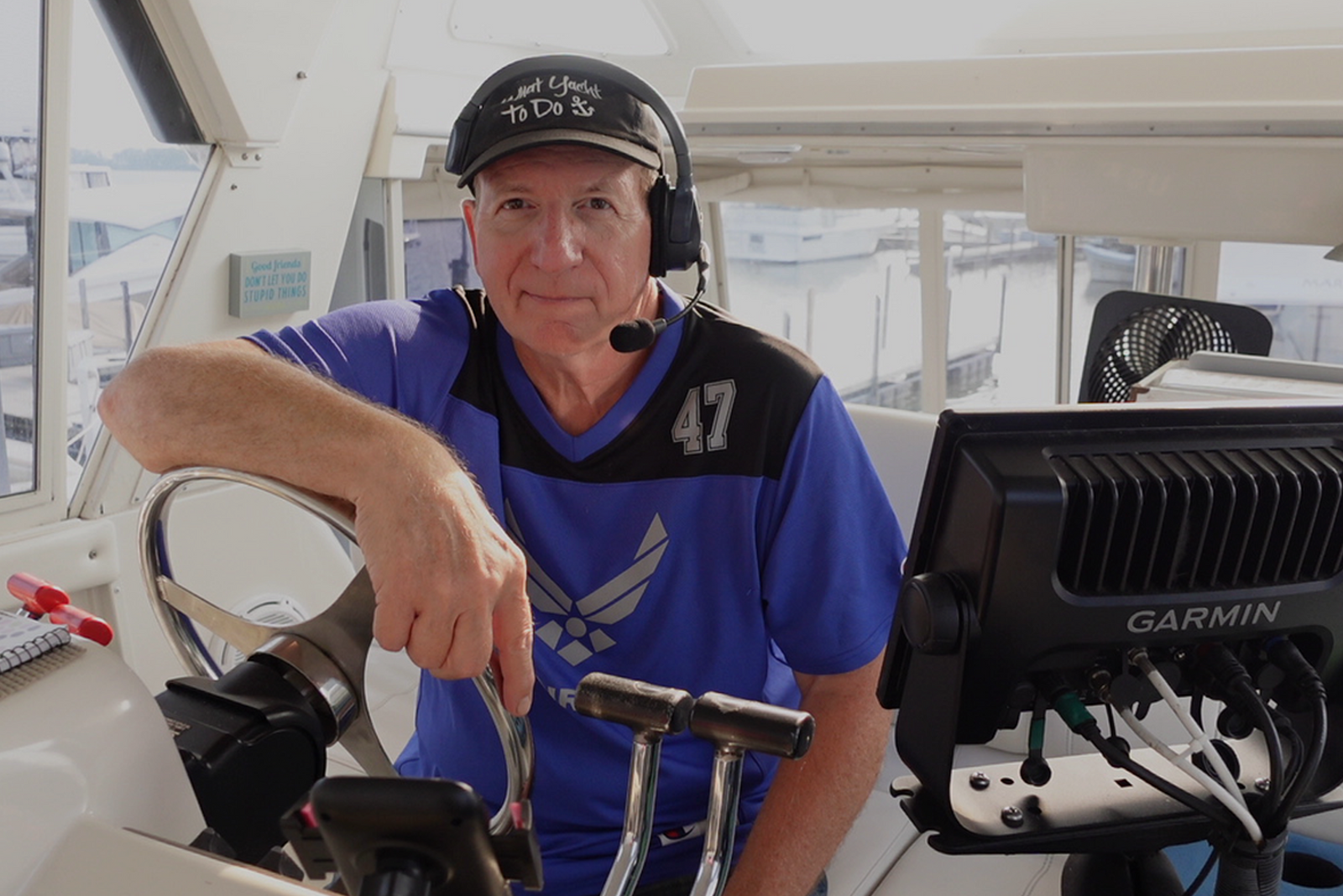

Discover how a retired airline pilot became obsessed with the Great Loop and built a thriving captain training business through Mariners Learning System.


Learn which substances the MMC drug test looks for, plus how masking agents and false positives factor in.


Discover the five most common mistakes mariners make on the captain’s license physical, plus a checklist for how to avoid them.
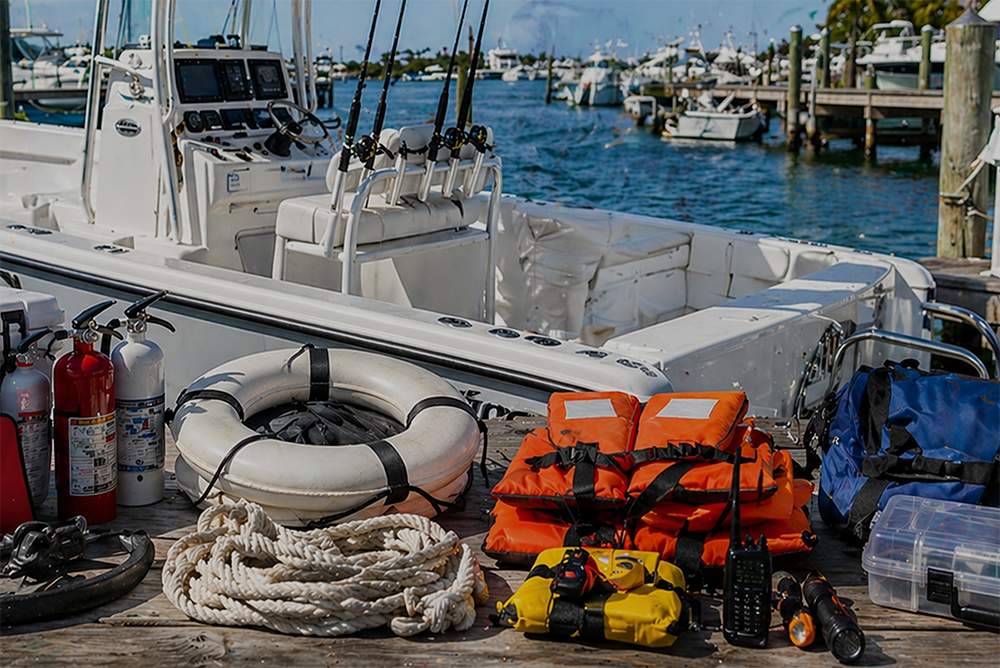

Discover why so many charter captains run out of money and how to plan every startup cost from your vessel purchase to guest-ready outfitting.

Learn how to build a charter business plan that covers pricing, expenses, and marketing so your captain’s license leads to lasting profit.

Transform how you talk about price with proven anchoring strategies and value-first framing that stops charter guests from shopping around.


Discover how charter captains use hybrid pricing models and seasonal adjustments to increase revenue and simplify bookings for every guest type.