

Meet Navi: Your 24/7 AI Instructor Inside the MLS Classroom
Unlock 24/7 access to Navi, an AI instructor trained on MLS course material, so you can ask questions, run practice quizzes, and nail your captain’s exam.


When most boaters think about taking passengers out for a day on the water, they think in terms of fun, friendship, and maybe a little help with gas money.
What they don’t think about is how easy it is to accidentally break federal maritime law — and how costly that mistake can be.
One of the most misunderstood areas of maritime law is the concept of “consideration.” The U.S. Coast Guard looks at consideration to determine whether a boating trip counts as a “for hire” operation. If it does, you need a captain’s license.
Trust me, you don’t want to find out the hard way that your casual weekend outing crossed a legal line.
Let me walk you through what consideration actually means in maritime law, how it’s defined, and how to avoid serious fines on the water.
In Coast Guard terms, “consideration” and “payment” are one and the same. But here’s where it gets tricky: Consideration includes more than just cash changing hands.
According to the Passenger Vessel Safety Act of 1993, consideration is any “economic benefit, inducement, right, or profit including pecuniary payment” given in return for a boating service. This includes money, goods, services, privileges, or anything of value. Even indirect benefits like business exposure or perks count as consideration.
If you’re receiving any form of benefit for taking people out on your boat, you’re operating “for hire” in the eyes of the Coast Guard. Once you fall under the “for hire” category, you must either have a captain’s license yourself or have a licensed captain on board your vessel.

Let’s look at some real-world examples that demonstrate just how broad the definition of consideration really is.
Say you’ve got a friend who owns a villa on a fancy golf course you’ve been wanting to visit. He offers to let you use it for the weekend if you’ll take him and his family out on your boat.
No money changes hands, but the Coast Guard absolutely sees this as consideration. Consequently, you’re operating for hire and must have a captain’s license.
Here’s one that surprises a lot of people. If friends ask for a fishing outing and offer to pay for the fuel, bait, food, and drinks, that’s also consideration. Even if they never hand you a dollar, when friends foot the bill for the trip you’re running, the Coast Guard views that as working for hire.
Similarly, let’s say a small business wants to sponsor an outing on your boat. Even if all they do is pay for the cost of materials (fuel, food, etc.), it’s still a commercial operation in the Coast Guard’s eyes. And that requires a captain’s license.
Even requiring donations or membership dues (like for a church group or club) is enough to trigger a violation if you don’t have your captain’s license.
I once spoke with a church group that ran a sailing program for kids. They weren’t charging money directly, but the only way to access the program was through church membership and a donation to the childcare program.
They thought they were operating within the law.
But when a kid fell overboard and got wet — nobody was hurt, thankfully — a parent took the group to court. And when the judge asked, Who was the licensed captain on board, no one could raise their hand.
The result was over $100,000 in Coast Guard fines.
Fortunately, there are many legitimate situations in which you can take people out on your boat without needing a captain’s license. The main issue is avoiding any type of economic benefit to yourself.
The Coast Guard has no problem with you taking family or friends out just for fun. As long as no one is paying or trading anything of value, and the trip is truly voluntary, you’re perfectly legal.
If you take three friends out on your boat and split the $100 fuel bill evenly at $25 apiece, that’s not consideration. You’re sharing the experience evenly, not benefiting financially from a service.
Believe it or not, you can invite strangers out on your boat without a captain’s license. If you’re heading out to fish and invite someone to join you with no expectation of compensation, that’s perfectly legal. As long as you don’t receive any economic benefit, no captain’s license is required.
Essentially, the key to legally carrying passengers without a captain’s license is this: No payments, no hidden benefits, no expectations, and no quid pro quo arrangements.
While the rules on what constitutes consideration in maritime law can be a little tricky, not knowing them won’t fly as an excuse for violations. In fact, that’s where things get expensive fast.
Once the Coast Guard determines you’re operating for hire without a license, the penalties are steep:
I know of a teacher who ran fishing charters — unlicensed — during summer break. When he got caught at the end of the season, he wasn’t only fined for that day’s incident. The Coast Guard could show he’d run over 30 charters that summer, and they fined him $5,000 for each.
In my experience, people usually get caught in one of two ways. First, if there’s a licensed captain at your dock who sees you running illegal charters, they might report you to the Coast Guard. Licensed captains have invested time and money in their credentials, and they don’t appreciate unfair (or unsafe) competition.
Second, people get caught because something unexpected happens. An accident, an incident, or a complaint brings Coast Guard attention to your operation. That’s when authorities start digging and uncover the truth.
The rules around consideration might seem complex, but the stakes are too high for guesswork. A $100,000 fine, losing your boat, and potential criminal charges aren’t worth the risk of operating without proper licensing.
If you’re receiving any form of economic benefit for taking people out on your boat — whether it’s cash, services, gifts, or even covered expenses — you need a captain’s license. The Coast Guard’s definition of consideration is broad for a reason; they want to ensure that anyone operating commercially has the training and qualifications to keep passengers safe on the water.
Don’t learn this lesson the hard way. Get your captain’s license through proper channels, understand the regulations, and protect yourself, your passengers, and your investment. The peace of mind alone is worth far more than the cost of doing things right.

Ask a question, share an experience, or add a helpful tip related to this article. Comments may appear after review to prevent spam.
Unlock 24/7 access to Navi, an AI instructor trained on MLS course material, so you can ask questions, run practice quizzes, and nail your captain’s exam.


Learn what questions to ask and how to prepare for a captain’s license drug test to ensure you avoid the most common application delays.
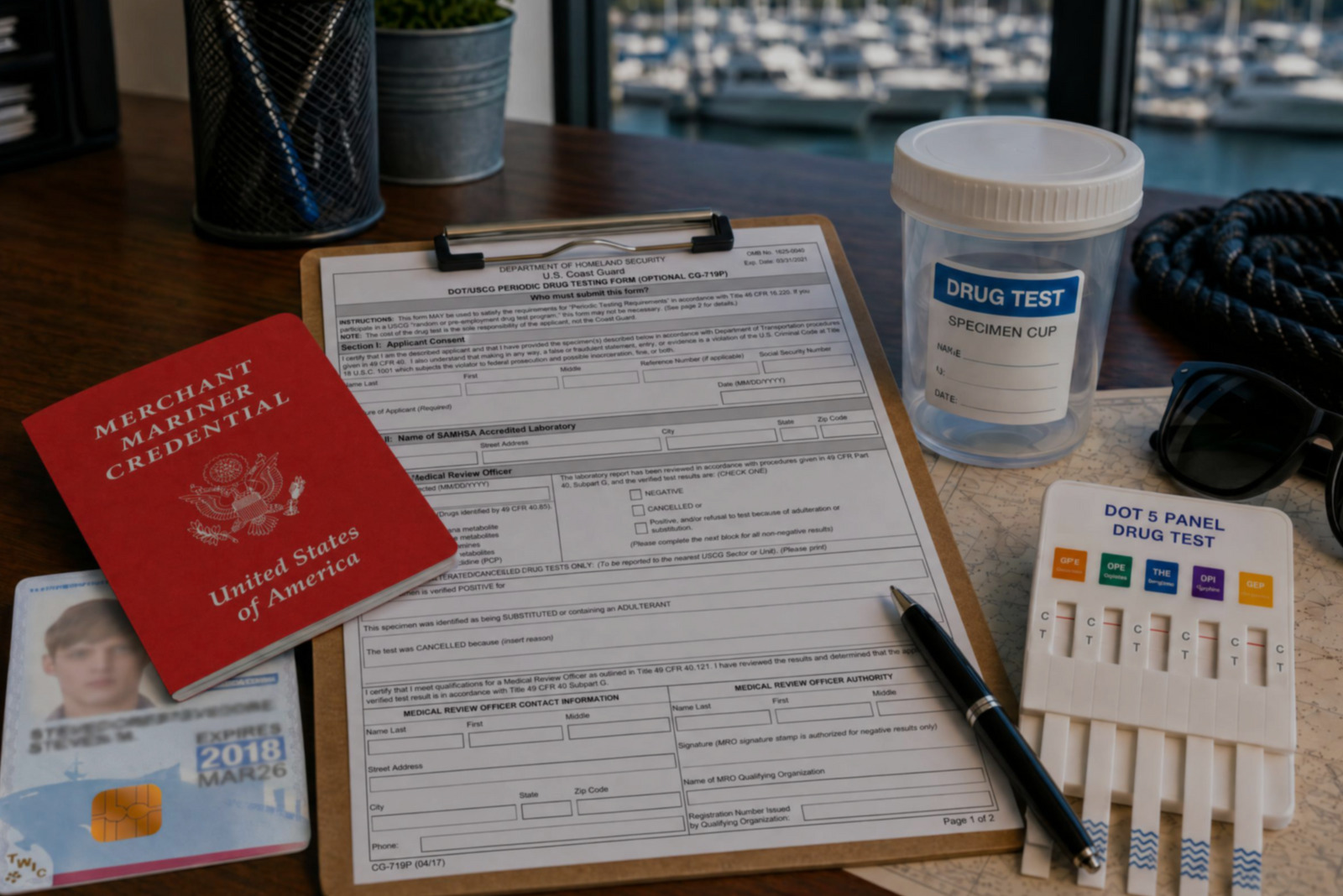

Discover the three types of drug tests working captains must submit to even after they’ve met the initial USCG drug testing requirements for their license.
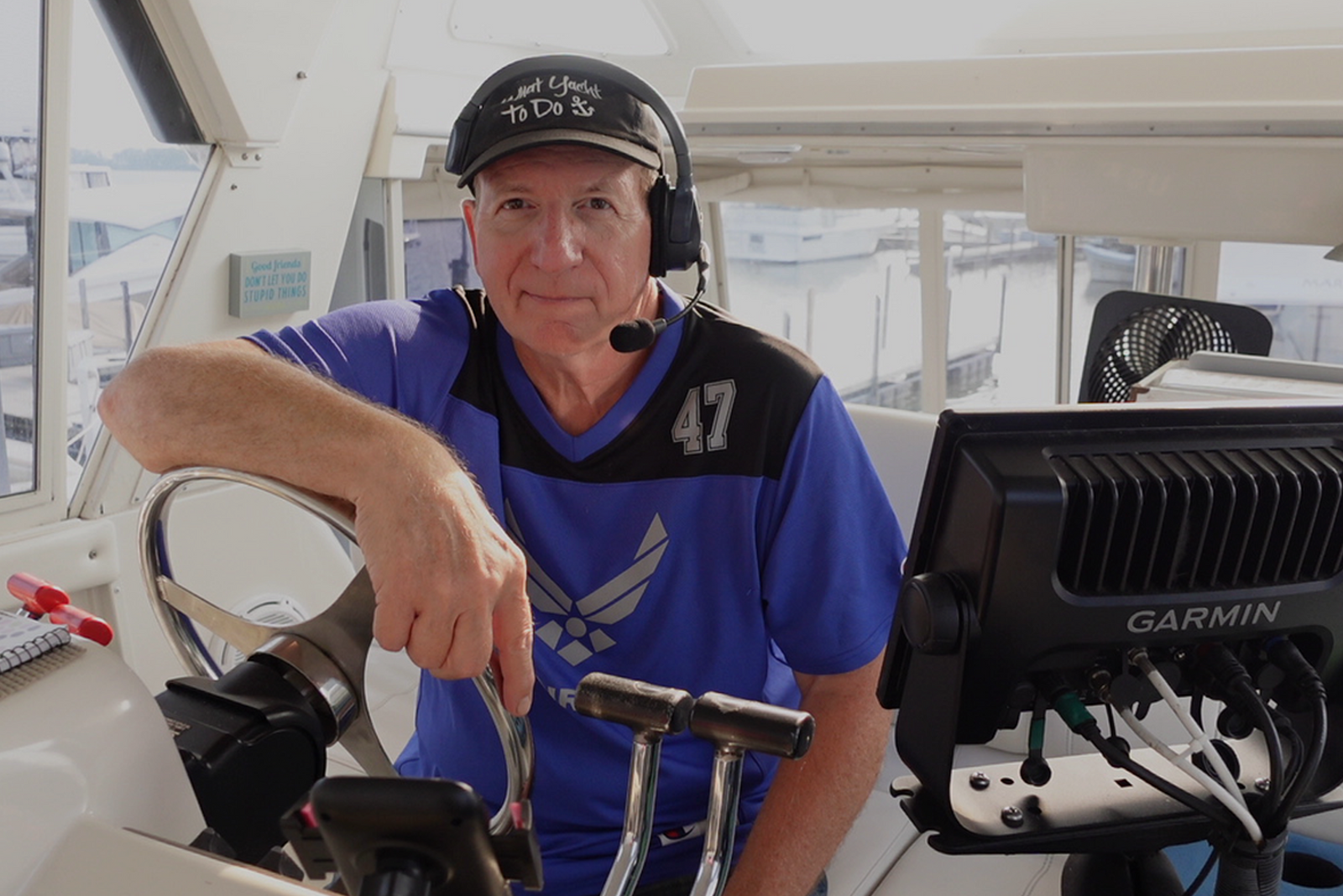

Discover how a retired airline pilot became obsessed with the Great Loop and built a thriving captain training business through Mariners Learning System.


Learn which substances the MMC drug test looks for, plus how masking agents and false positives factor in.


Discover the five most common mistakes mariners make on the captain’s license physical, plus a checklist for how to avoid them.
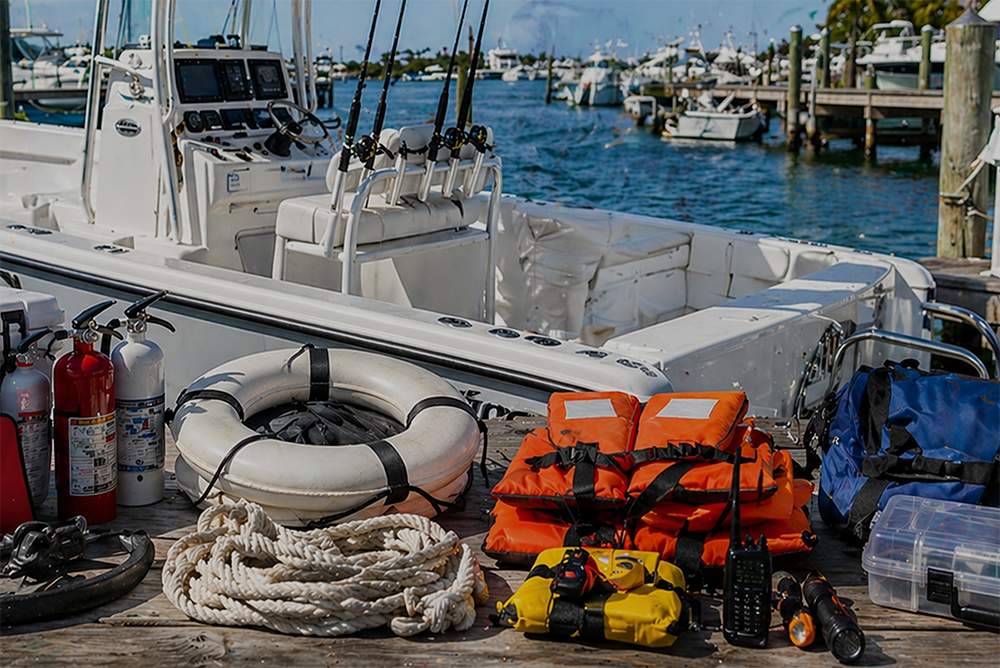

Discover why so many charter captains run out of money and how to plan every startup cost from your vessel purchase to guest-ready outfitting.

Learn how to build a charter business plan that covers pricing, expenses, and marketing so your captain’s license leads to lasting profit.


Transform how you talk about price with proven anchoring strategies and value-first framing that stops charter guests from shopping around.


Discover how charter captains use hybrid pricing models and seasonal adjustments to increase revenue and simplify bookings for every guest type.