

Meet Navi: Your 24/7 AI Instructor Inside the MLS Classroom
Unlock 24/7 access to Navi, an AI instructor trained on MLS course material, so you can ask questions, run practice quizzes, and nail your captain’s exam.
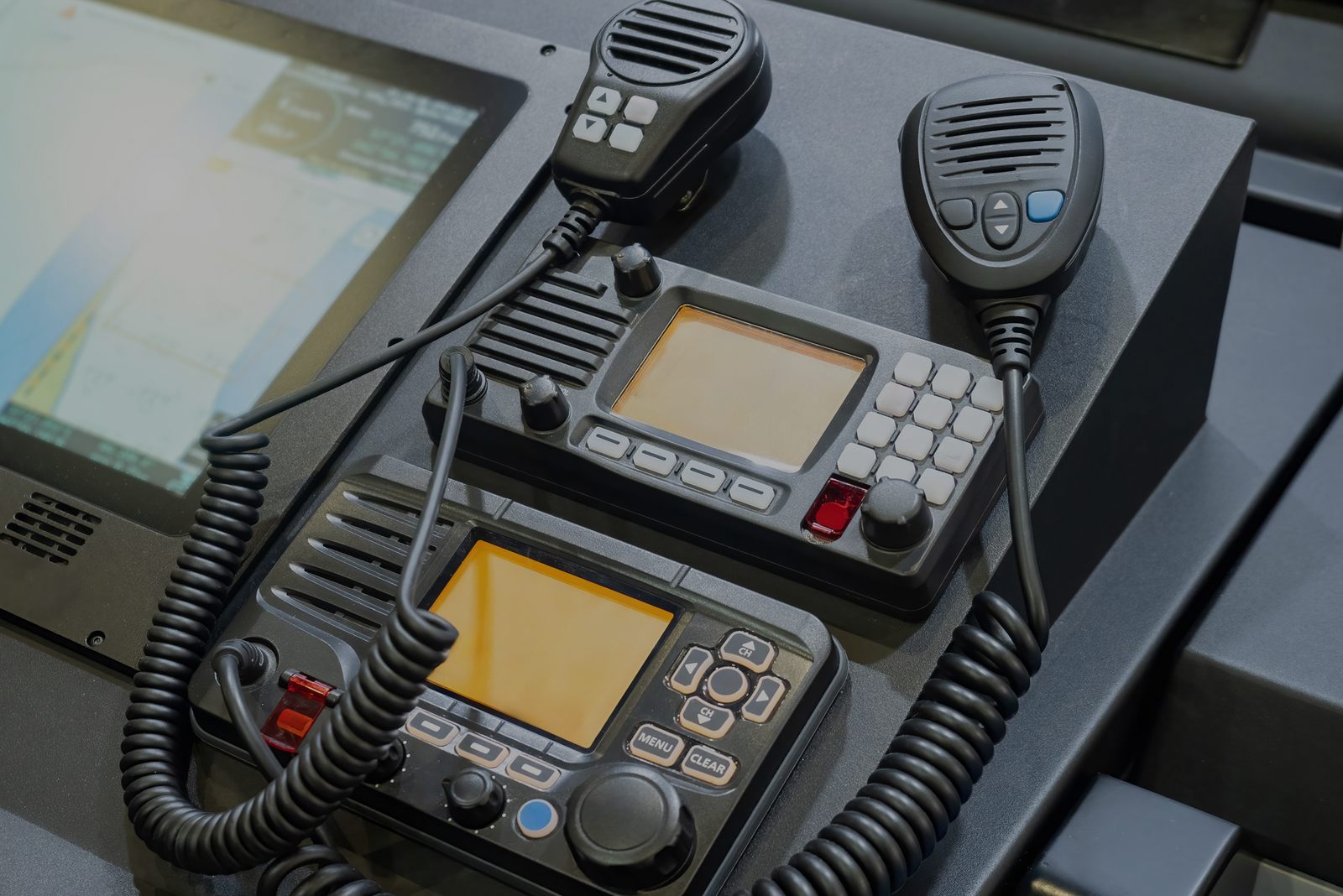

You need an FCC commercial radio operator license if you operate a marine radio on a vessel carrying more than six passengers for hire, using medium-frequency (MF) or high-frequency (HF) radio, sailing to foreign ports, or exceeding 300 gross tons. If you only use a VHF radio on domestic waters and don’t carry more than six passengers for hire, you’re exempt.
Most recreational boaters never need an FCC license. A VHF radio on a pleasure boat in U.S. waters doesn’t require one.
But the moment you earn your captain’s license and start carrying paying passengers, the rules change. If your vessel, your radio, or your route meets certain thresholds, the Federal Communications Commission (FCC) requires a commercial operator license before you touch the transmitter.
Here’s how to figure out whether you need one and what type to get.

The FCC requires a commercial radio operator license for operating specific types of radio stations aboard ships and aircraft. The licensing requirement for operating a radio and the requirement for maintaining or repairing one are separate rules, and each has its own set of triggers. You need a license to operate a ship radio station if the vessel carries more than six passengers for hire, the radio uses MF or HF frequencies, the ship sails to foreign ports, or the vessel exceeds 300 gross tons and is required by law to carry a radio for safety.
You also need one to operate aircraft radio stations, except those that only use VHF and don’t make foreign flights.
You don’t need a license to operate a VHF-only ship station that stays in domestic waters and doesn’t carry more than six paying passengers. You also don’t need one for EPIRBs, survival craft stations, or ship radar stations with fixed-tune magnetrons and external-only controls.
No. The Telecommunications Act of 1996 lets recreational boaters use a VHF marine radio, EPIRB, and marine radar without an FCC ship station license, as long as you stay in domestic waters and don’t fall into one of the categories above.
Maintenance and repair licensing has a separate, broader trigger. If you’re repairing or maintaining any ship radio, radar, coast station, or aircraft radio equipment, you need a commercial operator license, regardless of the vessel’s size or passenger count. This includes hand-carried portable units used to communicate on marine frequencies.
The only major exception is land-mobile equipment: police radios, fire department radios, CB radios, cellular systems, and satellite stations don’t require an FCC commercial operator license for repair or maintenance.
The FCC issues several types of commercial operator licenses. For mariners, the two most common are the Marine Radio Operator Permit (MROP) and the General Radiotelephone Operator License (GROL). Each type requires passing written element exams through a Commercial Operator License Examination Manager (COLEM), a testing organization authorized by the FCC.

FCC commercial operator licenses issued after March 25, 2008, are valid for the license holder’s lifetime and don’t need to be renewed. Before that date, the MP, RG, DM, and DB licenses all carried a five-year term. If yours expired before March 25, 2008, you need to have renewed it within the five-year grace period, or you’ll have to retake the exam for a new license.
Most OUPV/Six-Pack captains carrying six paying passengers for hire on domestic waters with VHF-only radio are exempt from the FCC operator license requirement. If you plan to carry more than six passengers, use HF radio, or sail internationally, you’ll need at least the MROP (MP). If you plan to maintain or repair any ship radio equipment, you’ll need the GROL (PG).
The process is straightforward. Pass the required element exams, and we’ll file your application with the FCC electronically on your behalf. You’ll need to be a legal U.S. resident or eligible for employment in the U.S. and able to send and receive spoken messages in English.
Once the FCC approves your application, they’ll email you. You’ll have 10 days to pay the $35 issuance fee and print your license through their online system. The FCC no longer mails paper licenses.
To get started, choose the FCC exam or course bundle that matches the license you’re pursuing. Complete the exam online, and we’ll handle the filing.
The FCC processes applications in batches. After we file on your behalf, you’ll receive an approval email once your batch is processed. You can print your license the day it’s approved or the day after.
Yes. If you’ve passed the required exams and hold a Proof of Passing Certificate, you can operate under the authority of the applied-for license for 90 days from the date the application was filed, as long as you haven’t had a license revoked or suspended.
No. A commercial FCC operator license doesn’t authorize amateur or General Mobile Radio Service (GMRS) operation, and a ham radio license doesn’t authorize commercial ship radio operation. They’re separate systems with separate exams.
No. Your captain’s license (Merchant Mariner Credential) comes from the U.S. Coast Guard (USCG) and authorizes you to operate a vessel commercially. An FCC license authorizes you to operate or maintain specific radio equipment. They’re issued by different agencies for different purposes. Many commercial captains hold both.
Most captains with an OUPV/Six-Pack license on domestic waters with VHF radio don’t need an FCC license, but the exceptions matter. If you’re planning to expand to larger vessels, foreign routes, or HF radio, get the right FCC license before you operate. It’s a one-time exam and a lifetime credential.
To learn more about FCC licensing, find a course that’s right for you with Mariners Learning System. From the Marine Radio Operator Permit to the full GMDSS suite, we detail everything you need to know to stay licensed and legal on the water.
This article provides general guidance about FCC commercial radio operator licensing for mariners. FCC rules can change. For the most current information, contact the FCC at (877) 480-3201 or visit fcc.gov. Reviewed for accuracy against current FCC guidance by the Mariners Learning System team.
Ask a question, share an experience, or add a helpful tip related to this article. Comments may appear after review to prevent spam.
Unlock 24/7 access to Navi, an AI instructor trained on MLS course material, so you can ask questions, run practice quizzes, and nail your captain’s exam.


Learn what questions to ask and how to prepare for a captain’s license drug test to ensure you avoid the most common application delays.
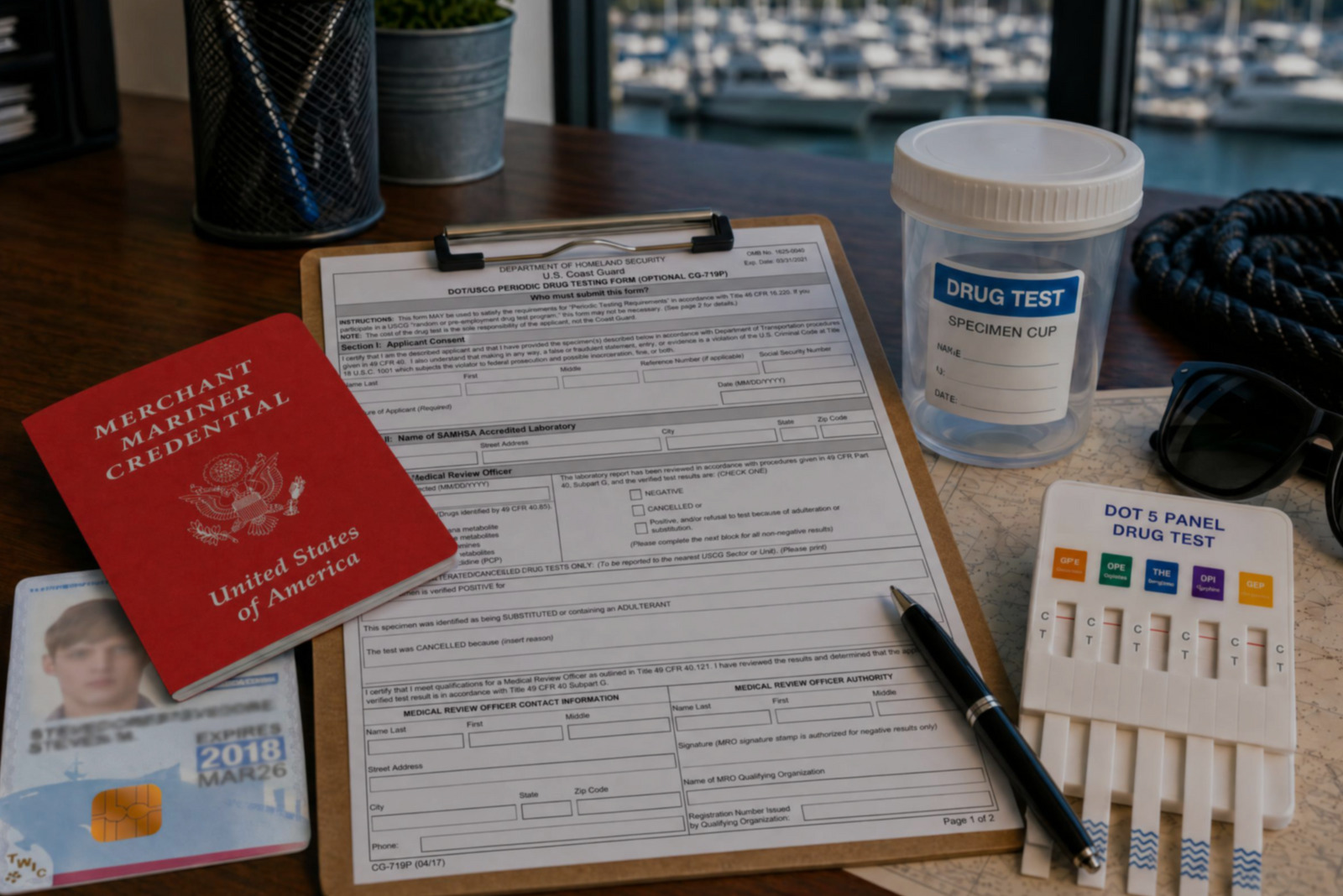

Discover the three types of drug tests working captains must submit to even after they’ve met the initial USCG drug testing requirements for their license.
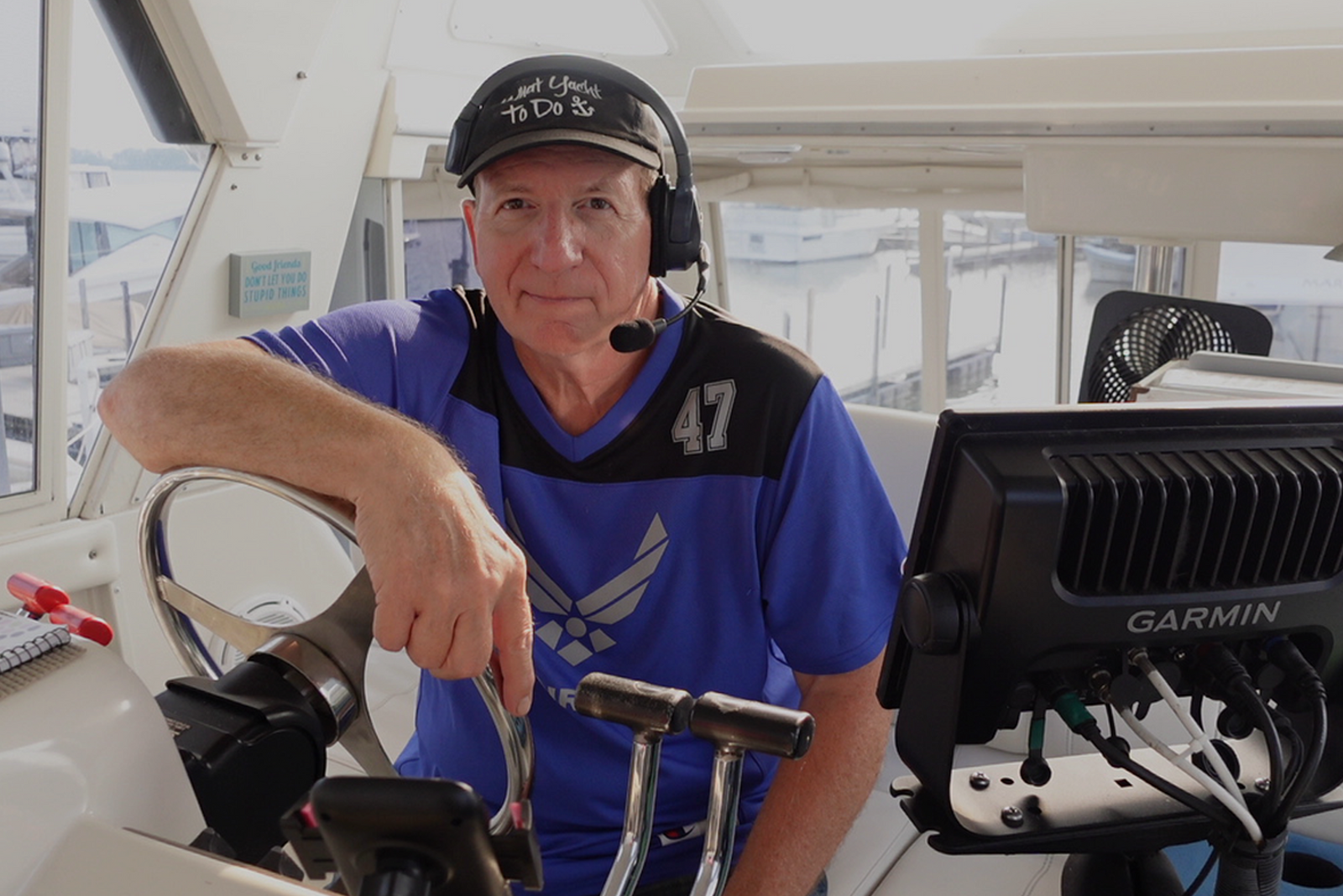

Discover how a retired airline pilot became obsessed with the Great Loop and built a thriving captain training business through Mariners Learning System.
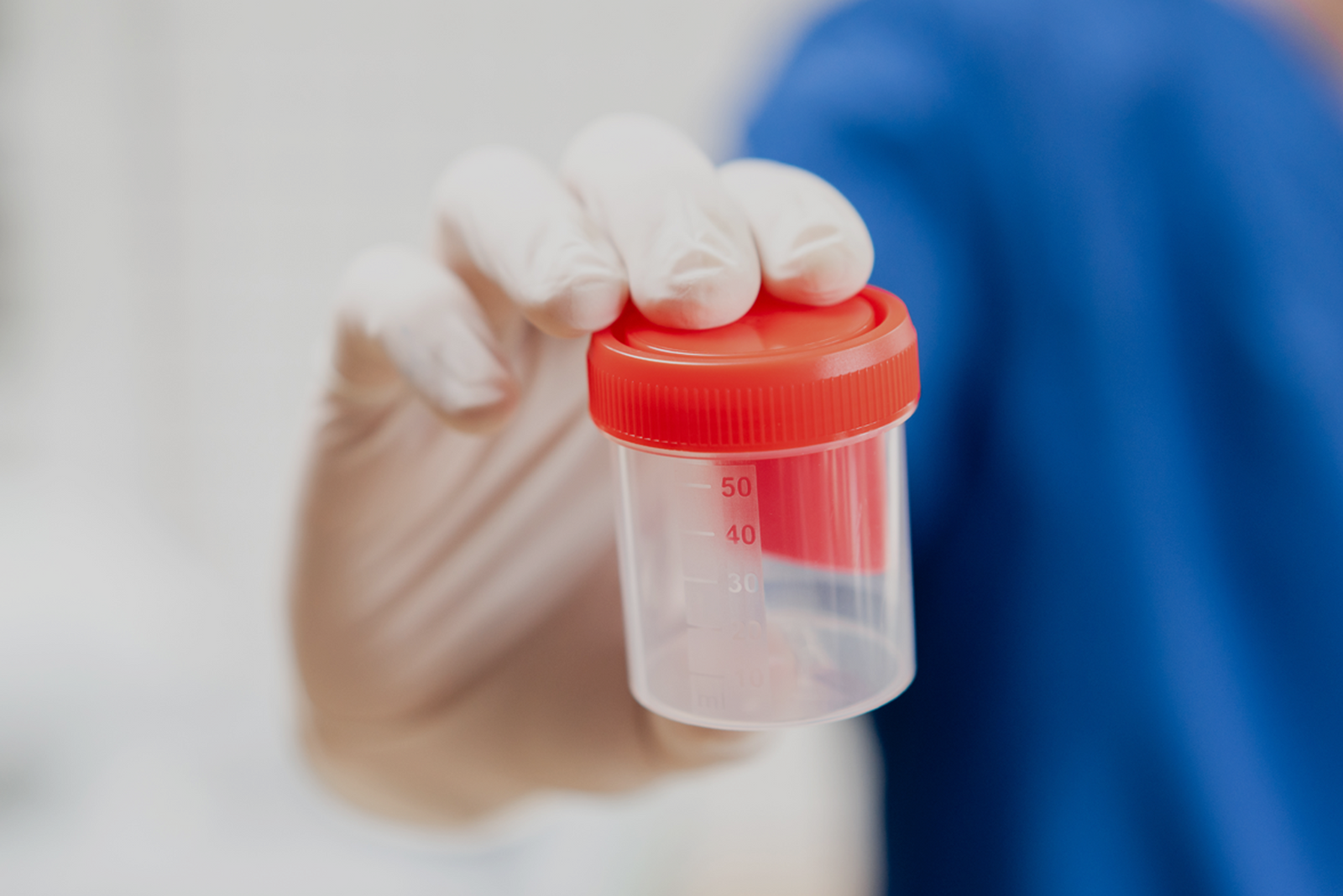

Learn which substances the MMC drug test looks for, plus how masking agents and false positives factor in.


Discover the five most common mistakes mariners make on the captain’s license physical, plus a checklist for how to avoid them.
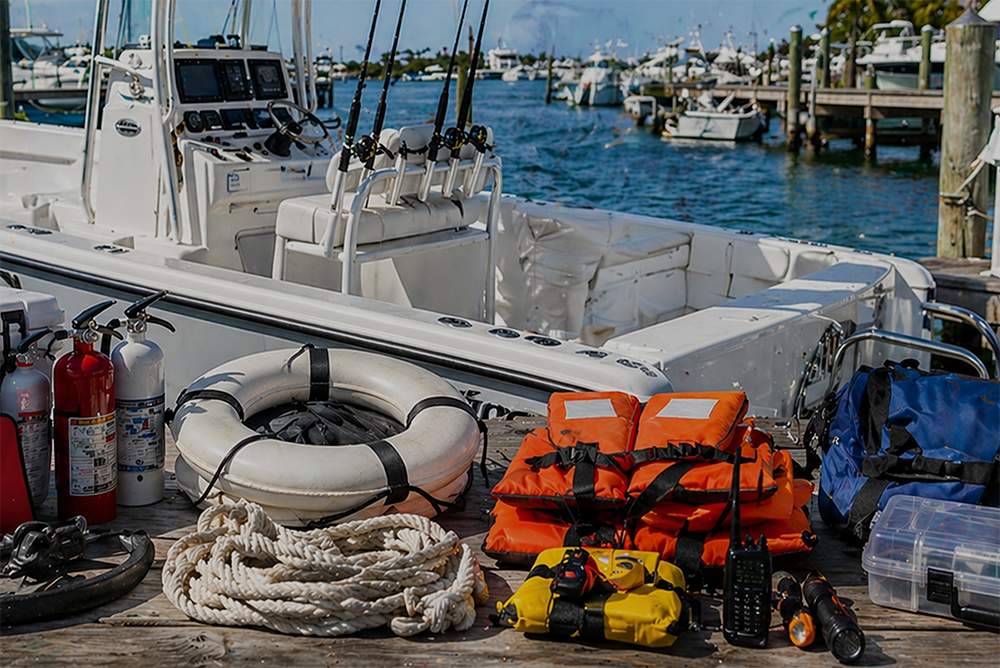

Discover why so many charter captains run out of money and how to plan every startup cost from your vessel purchase to guest-ready outfitting.

Learn how to build a charter business plan that covers pricing, expenses, and marketing so your captain’s license leads to lasting profit.

Transform how you talk about price with proven anchoring strategies and value-first framing that stops charter guests from shopping around.

Discover how charter captains use hybrid pricing models and seasonal adjustments to increase revenue and simplify bookings for every guest type.