

Meet Navi: Your 24/7 AI Instructor Inside the MLS Classroom
Unlock 24/7 access to Navi, an AI instructor trained on MLS course material, so you can ask questions, run practice quizzes, and nail your captain’s exam.


You could charge a $400 flat rate. Or $100 per person. Or $200 per hour. Or you could create three packages at different prices.
Which pricing model attracts the right guests and maximizes your revenue? Pick wrong, and you’ll confuse customers and leave money on the table.
Flat-rate pricing means one price for the whole trip, regardless of passenger count (up to your limit). You might charge $425 for a two-hour cruise, whether one person or six show up.
Captain Jack switched to flat-rate pricing after guests kept asking, “Do we have to find six people?” Now he tells them, “It’s $425 for your private charter. Bring whoever you want, up to six.” Bookings became simpler. Guests stopped worrying about splitting costs. If you run a Six-Pack operation, flat-rate pricing removes most booking confusion.
This model works best for private groups wanting intimacy, small vessels, premium positioning, and simplified operations.
Captain Maria switched from per-person to flat-rate after two seasons. Her booking process went from 15 minutes of back-and-forth to a single confirmation email. She spends that saved time on trip preparation instead.
The downside? Solo travelers or couples might hesitate to pay for six spaces when they only need two. Some captains counter this by offering a “couples rate” at 70–80% of the full price on weekday afternoons.
Per-person pricing opens your service to individuals and budget-conscious travelers. You might charge $75 per person for a harbor tour.
Captain Linda runs a 24-passenger inspected vessel. At $60 per person, she fills seats individually through hotel concierges, cruise ship desks, and walk-up traffic. On good days, she generates $1,440 per trip. Her charter model depends on volume, not exclusivity.
This model suits inspected vessels with higher capacity, tourist-heavy locations, shared experiences, and budget-conscious markets.
The challenge? Managing different group dynamics, dealing with no-shows, and handling odd personalities mixing poorly. Captains who run shared trips need solid skills for managing guest behavior.
Hourly pricing gives guests control over duration. You might charge $250 per hour with a two-hour minimum.
Captain Derek offers water taxi and custom tours. Guests book him for two hours to hop between restaurants or six hours for a full-day sandbar party. The flexibility attracts customers who want control over their schedule.
Best applications include custom itineraries, water taxi services, bareboat charters with a captain, and variable-length trips.
Watch out for guests who nickel-and-dime time or feel rushed watching the clock. Captain Tim solved this by setting firm minimums and rounding up, not down. A guest who books two hours and runs 15 minutes over gets charged for three hours. Clear communication at booking prevents surprises.
Tiered pricing offers multiple service levels. Each tier includes more value, encouraging guests to upgrade.
Captain Sofia structures three packages. Classic ($395): a two-hour cruise with basic refreshments. Premium ($525): everything in Classic plus premium drinks and appetizers. Luxury ($695): all Premium features plus a photographer and gourmet dinner.
Most guests choose Premium. They feel smart avoiding the “cheap” option without “overspending” on Luxury. Her average sale jumped from $395 to $515.
This works when you offer genuine value differences and your market appreciates options. The risk? Overcomplicating decisions or creating operational headaches with too many tiers.
Your ideal pricing model depends on three factors: your vessel type, your target guest, and your operational style.
Captain Pete learned this the hard way. He tried per-person pricing on his six-pack vessel. Managing individual bookings became chaotic. Six strangers often clashed. He switched to flat-rate private charters and found peace.
Consider your vessel first. Uninspected six-packs suit flat-rate or hourly models. Inspected vessels with higher capacity work well with per-person pricing. Review which business model fits your license before choosing a pricing structure.
Think about your guests next. Families and couples prefer private flat-rate options. Budget travelers and solo tourists need per-person accessibility. Corporate groups want package clarity.
Evaluate your style last. If you love flexibility, hourly works. If you want simplicity, flat-rate wins. If you’re detail-oriented, packages shine.

Captain Brad created seven packages with 15 add-ons. Customers got confused. Bookings stalled. He simplified to three options. Sales recovered.
“Call for pricing” kills bookings. Captain Tina lost 80% of inquiries by not posting rates. When she added clear pricing to her marketing platforms, qualified bookings increased.
Captain James tried per-person pricing in an affluent private yacht community. Guests wanted exclusivity, not sharing with strangers. Switching to flat-rate luxury packages doubled his revenue.
Captain Donna quoted different prices to different people. Word spread. Trust eroded. Bookings dropped. Consistent, transparent pricing rebuilt her reputation.
Start simple. You can always add complexity later. But you can’t easily remove it once guests expect it.
Captain Ellen began with flat-rate pricing. After two successful seasons, she added two premium packages. Her base was solid before she expanded.
Your pricing model is your business interface. Make it clean, clear, and aligned with your service.
Visit Mariners Learning System for business development resources designed for charter captains.

Ask a question, share an experience, or add a helpful tip related to this article. Comments may appear after review to prevent spam.
Unlock 24/7 access to Navi, an AI instructor trained on MLS course material, so you can ask questions, run practice quizzes, and nail your captain’s exam.


Learn what questions to ask and how to prepare for a captain’s license drug test to ensure you avoid the most common application delays.
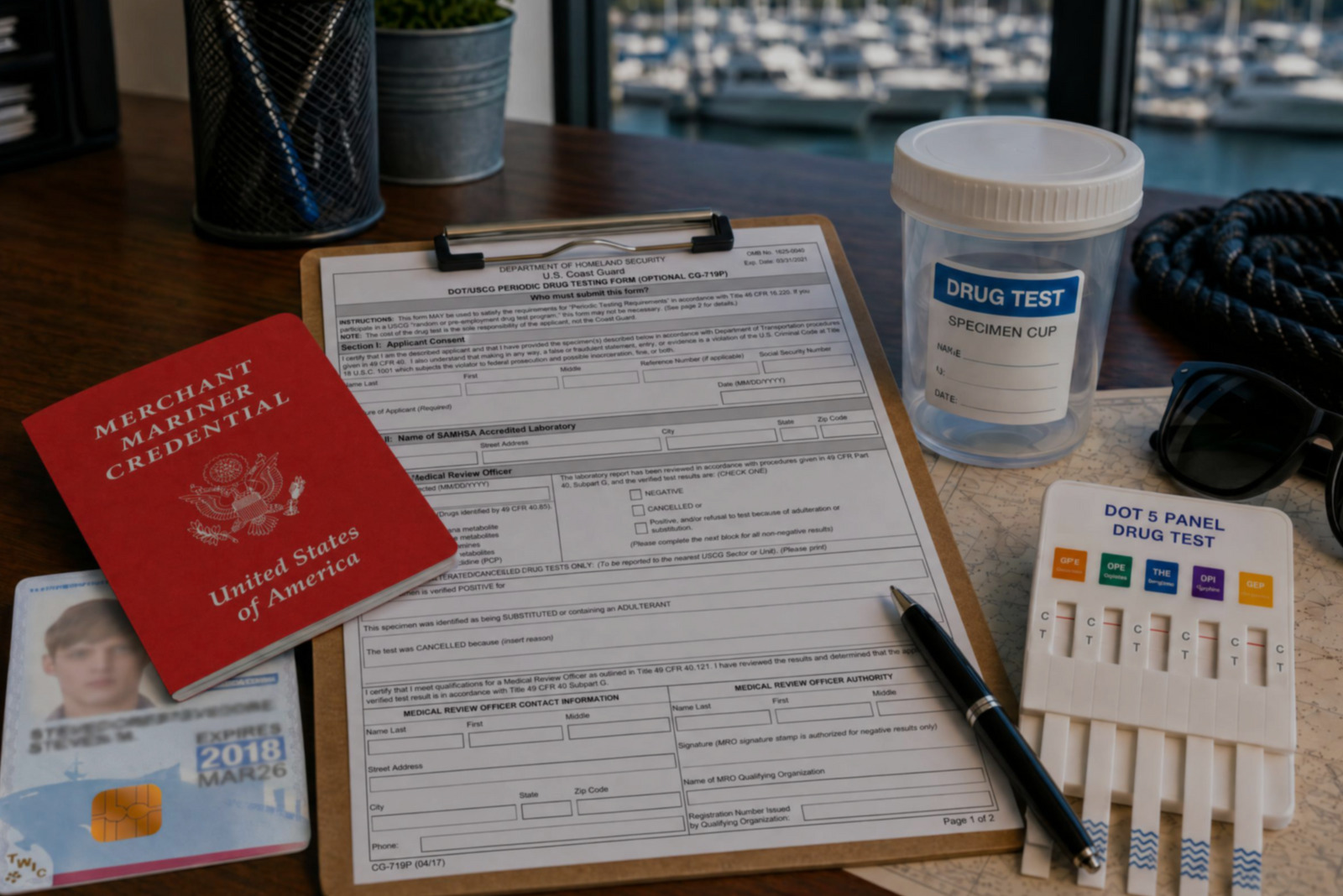

Discover the three types of drug tests working captains must submit to even after they’ve met the initial USCG drug testing requirements for their license.
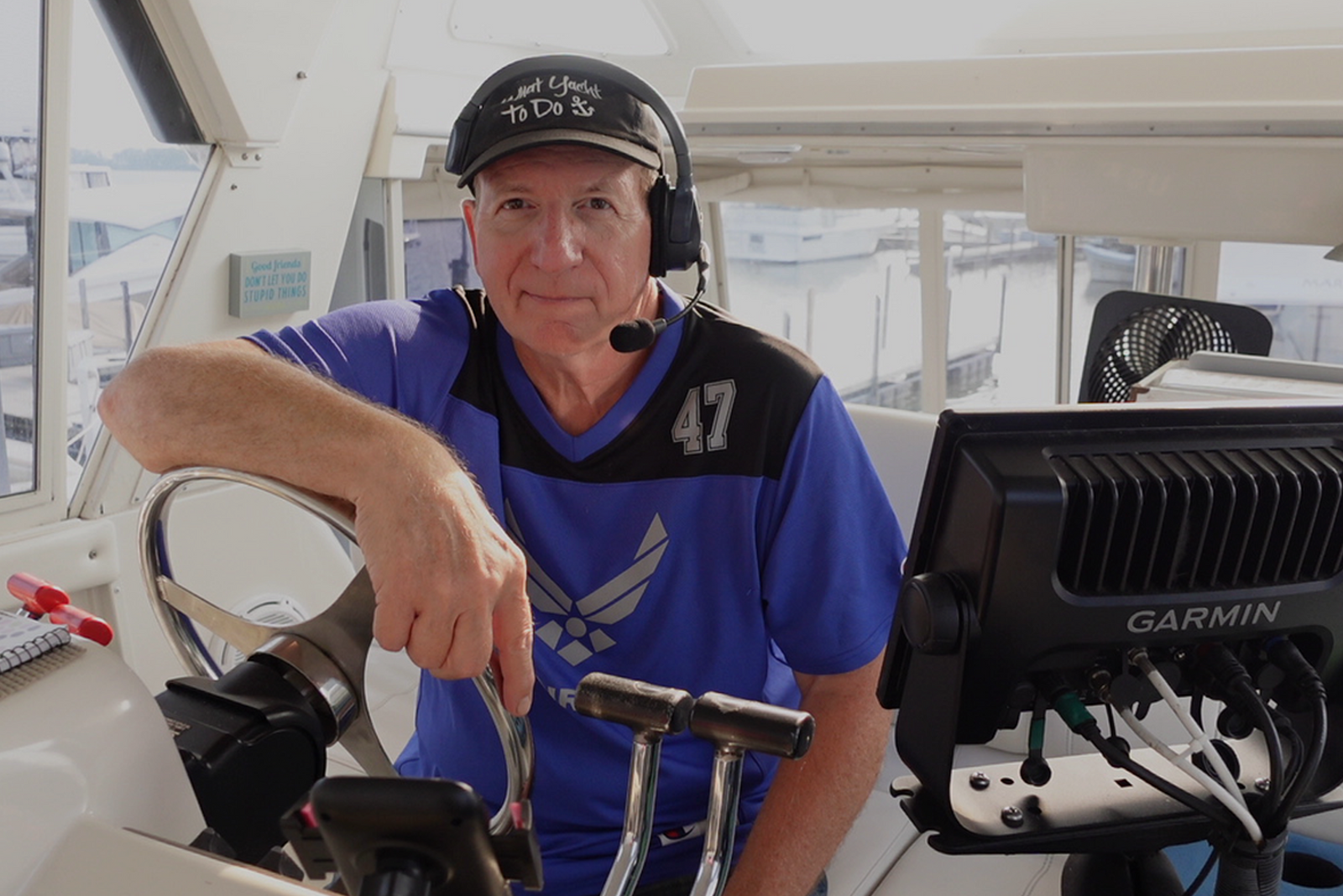

Discover how a retired airline pilot became obsessed with the Great Loop and built a thriving captain training business through Mariners Learning System.


Learn which substances the MMC drug test looks for, plus how masking agents and false positives factor in.


Discover the five most common mistakes mariners make on the captain’s license physical, plus a checklist for how to avoid them.
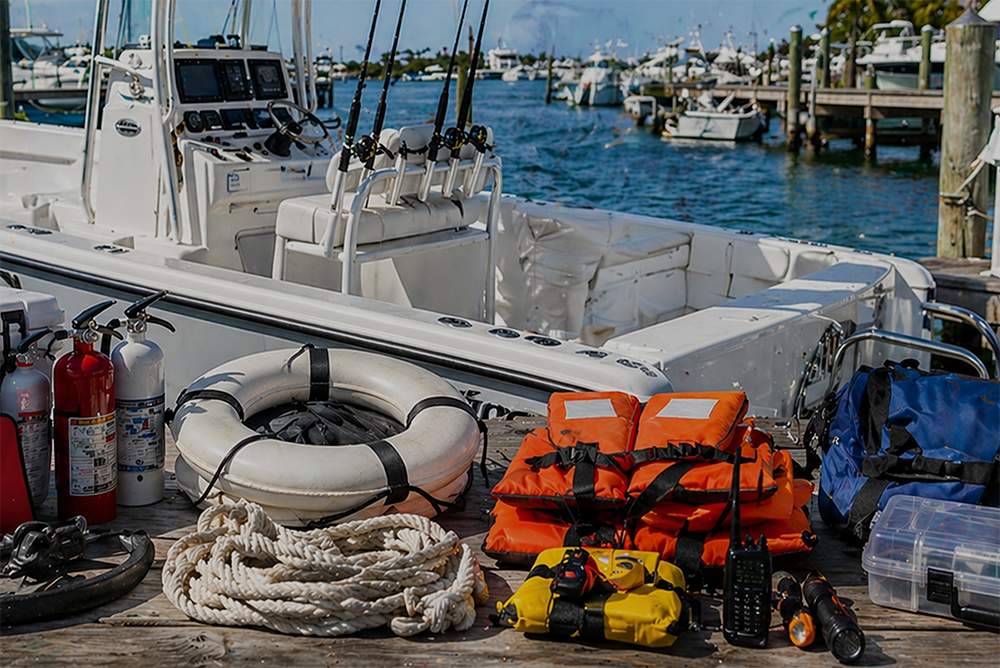

Discover why so many charter captains run out of money and how to plan every startup cost from your vessel purchase to guest-ready outfitting.
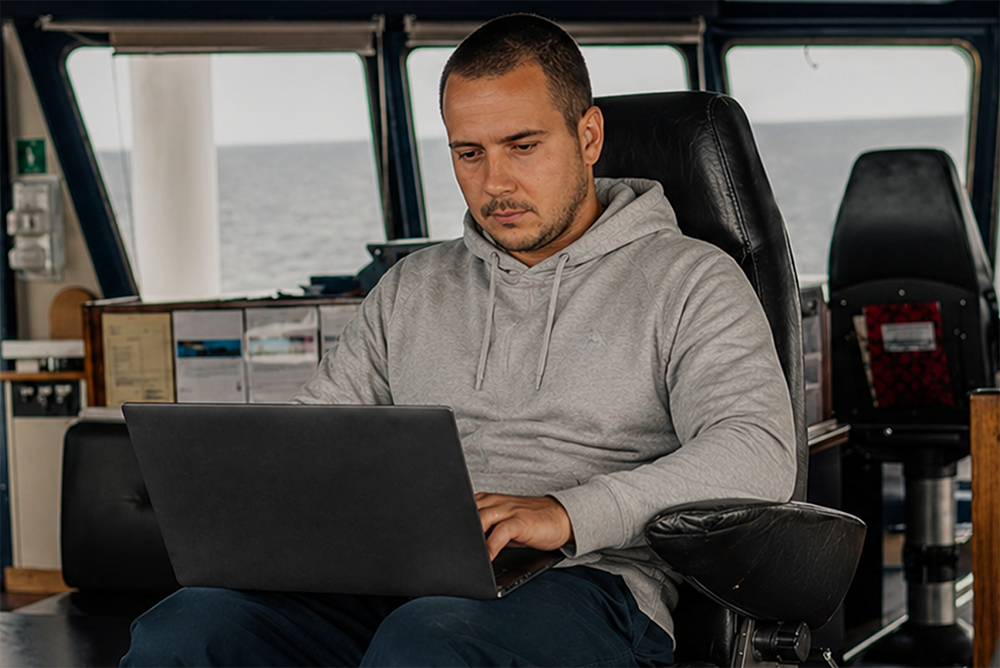

Learn how to build a charter business plan that covers pricing, expenses, and marketing so your captain’s license leads to lasting profit.
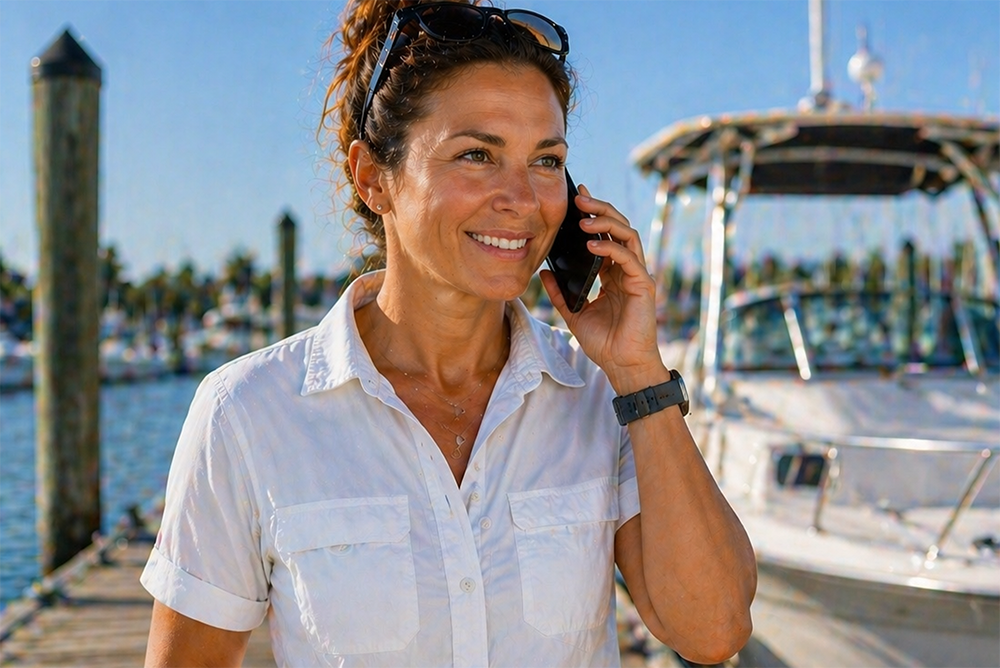

Transform how you talk about price with proven anchoring strategies and value-first framing that stops charter guests from shopping around.


Discover how charter captains use hybrid pricing models and seasonal adjustments to increase revenue and simplify bookings for every guest type.