

Meet Navi: Your 24/7 AI Instructor Inside the MLS Classroom
Unlock 24/7 access to Navi, an AI instructor trained on MLS course material, so you can ask questions, run practice quizzes, and nail your captain’s exam.
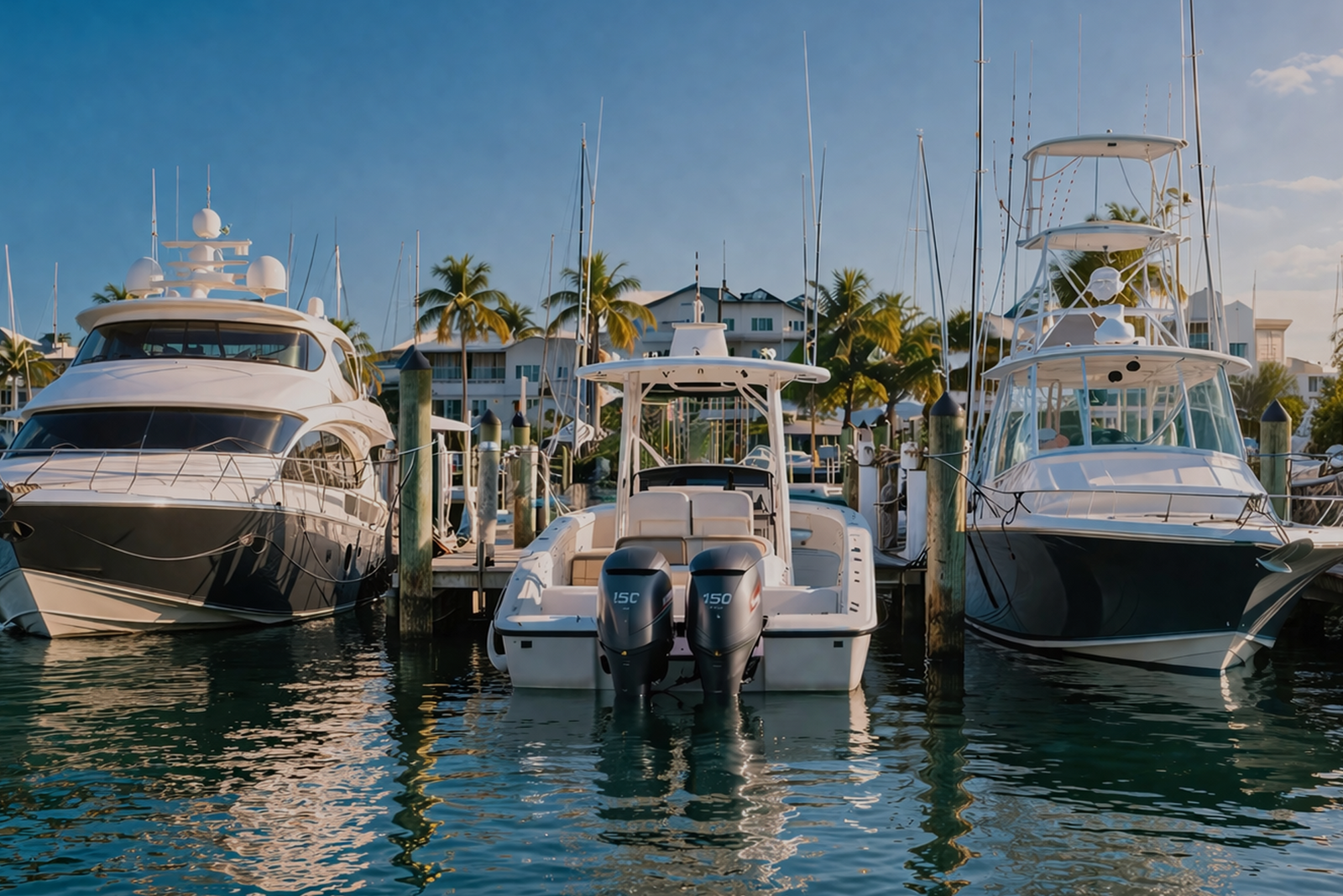

You set your price at $425 for a half-day trip. The captain two slips down charges $325. The big tour boat at the marina entrance runs $50 per person.
Are you overpriced? Underpriced? Just right?
Without knowing your market position, you’re guessing. Smart captains know exactly where they fit and why their price makes sense.

Not every boat in your harbor competes for your customers. Your true competitors target similar guests with comparable experiences.
Captain John runs private sunset cruises for couples in Charleston. The party boat carrying 40 people isn’t his competition. Neither is the sailing school offering lessons. His real competitors are the three other Six-Pack vessels offering romantic evening charters.
Map your competition by asking four questions: Who targets my ideal customer? Who operates similar vessels? Who shows up in the same online searches? Who gets mentioned when guests compare options?
Captain Amy spent an afternoon researching. She found five operators in her space. Three offered basic transportation. One provided extensive education. None combined comfort, education, and photography like she did. That research shaped her entire pricing strategy.
Create a simple comparison chart. Include five to seven operators maximum. Track what matters to your target guests.
Captain Rob built this analysis for his Key West operation. He discovered his sweet spot: more intimate than the big boats, more professional than the budget operators, more personality than the corporate tours.
Research where your competitors show up. Check GetMyBoat, TripAdvisor, Google, and local tourism sites. Read their reviews. Note what guests praise and what they complain about. Those review patterns tell you where the market has gaps.
Captain Michelle found competitors’ guests consistently complained about feeling rushed and crowded. She positioned her charter as "unhurried and uncrowded" and raised her price by $100.
New captains often think lower prices equal more bookings. They’re wrong.
Captain Tony started at $275 per trip, undercutting everyone. He attracted demanding guests who complained constantly. They never tipped. They left mediocre reviews. They treated his boat like a taxi.
When he raised prices to $425, better guests appeared. They appreciated his service. They referred friends. They became repeat customers.
Low prices attract price shoppers. Price shoppers have no loyalty. They’ll abandon you the moment someone charges $10 less.
Premium pricing attracts value seekers. Value seekers want experiences, not transportation. They’ll pay more for the right captain.
Your market position involves more than numbers. It’s about how guests perceive you.
Captain Brad runs wildlife photography charters. He doesn’t compete on price. He competes on expertise. His guests aren’t buying boat time. They’re buying his knowledge of where dolphins feed at sunrise.
Define your position clearly. Family charters might be "safe, fun, educational adventures for all ages." Couples cruises become "intimate, romantic escapes from crowds." Fishing trips turn into "local knowledge, professional equipment, guaranteed effort."
Captain Sandra learned this after losing bookings to cheaper operators. She stopped saying "private charter for six" and started saying "your own personal yacht experience." Same service, different position, higher price accepted. The right marketing language makes the difference.
Write one sentence describing who you serve and what they get. Make it specific and valuable.
Weak positioning: "We offer boat trips." "Affordable charters for everyone." "The best tours in town."
Strong positioning: "Private sunset cruises for couples celebrating special moments." "Educational eco-tours for families who value conservation." "Serious sportfishing for anglers who want to catch, not ride."
Captain Luis struggled until he defined his position: "Bilingual charters for Latin American families visiting Miami." He found an underserved market and commanded premium prices.
Your competitors help define your value. Use them as contrast points, not comparison points.
Captain Beth references the party boats in her marketing materials: "We keep it intimate with your group only." She’s not insulting competitors. She’s clarifying differences.
Study what competitors don’t offer. Captain Frank noticed nobody provided high-end catering. He partnered with a local chef and created "Dine and Cruise" experiences at double the standard rate.
Find gaps in the market. Nobody running early morning photography trips? Everyone ignoring the accessibility market? No Spanish-speaking captains? Each gap is an opportunity to position yourself uniquely.
Your positioning affects more than price. It shapes your entire operation. Captain Diana positions as "luxury without pretense." Her boat stays immaculate. She provides premium refreshments. But she wears casual clothes and keeps conversation relaxed. Each detail reinforces her position.
Check your alignment. Do your photos match your position? Does your communication style fit? Are you attracting your target guests?
Captain Pete claimed "family-friendly" positioning but posted photos of bikini models on his boat. Families didn’t book. When he replaced those with pictures of kids catching fish, bookings doubled.
Define your true competitors. Research what they offer and what they charge. Find the gaps they’re leaving.
Write your positioning statement. Make it specific and valuable. Test it on potential guests.
Align your entire operation with that position, from photos to policies. Each piece of your brand needs to reinforce who you are and who you serve.
Captain Vanessa spent one weekend clarifying her position as "educational adventures for curious families." She adjusted her marketing, added nature guides to her boat, and raised prices by 30%. Her bookings increased, not decreased.
Your position in the market determines your pricing power. Choose it wisely. Own it completely.
Visit Mariners Learning System to access business development resources for charter captains.

Ask a question, share an experience, or add a helpful tip related to this article. Comments may appear after review to prevent spam.
Unlock 24/7 access to Navi, an AI instructor trained on MLS course material, so you can ask questions, run practice quizzes, and nail your captain’s exam.


Learn what questions to ask and how to prepare for a captain’s license drug test to ensure you avoid the most common application delays.
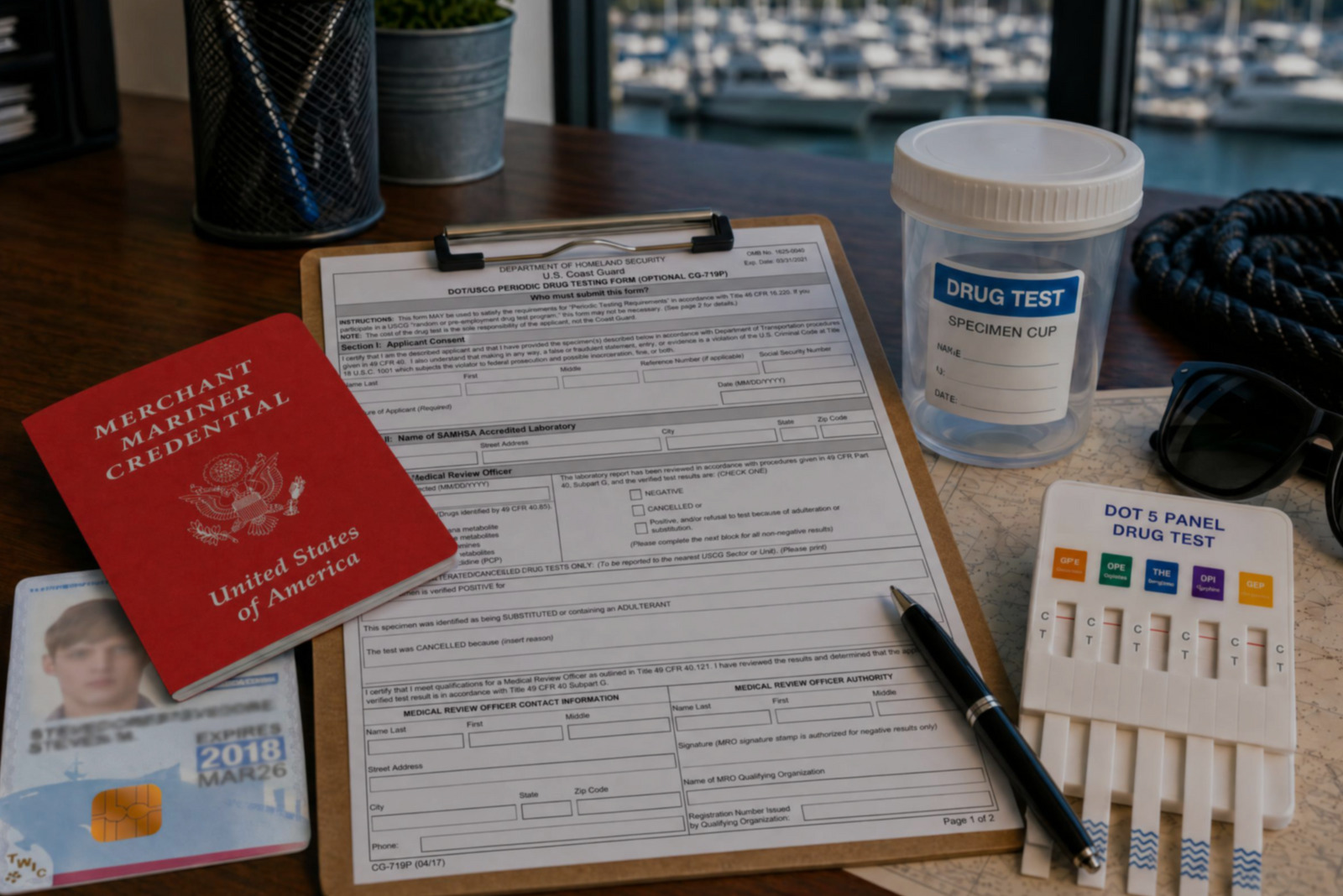

Discover the three types of drug tests working captains must submit to even after they’ve met the initial USCG drug testing requirements for their license.
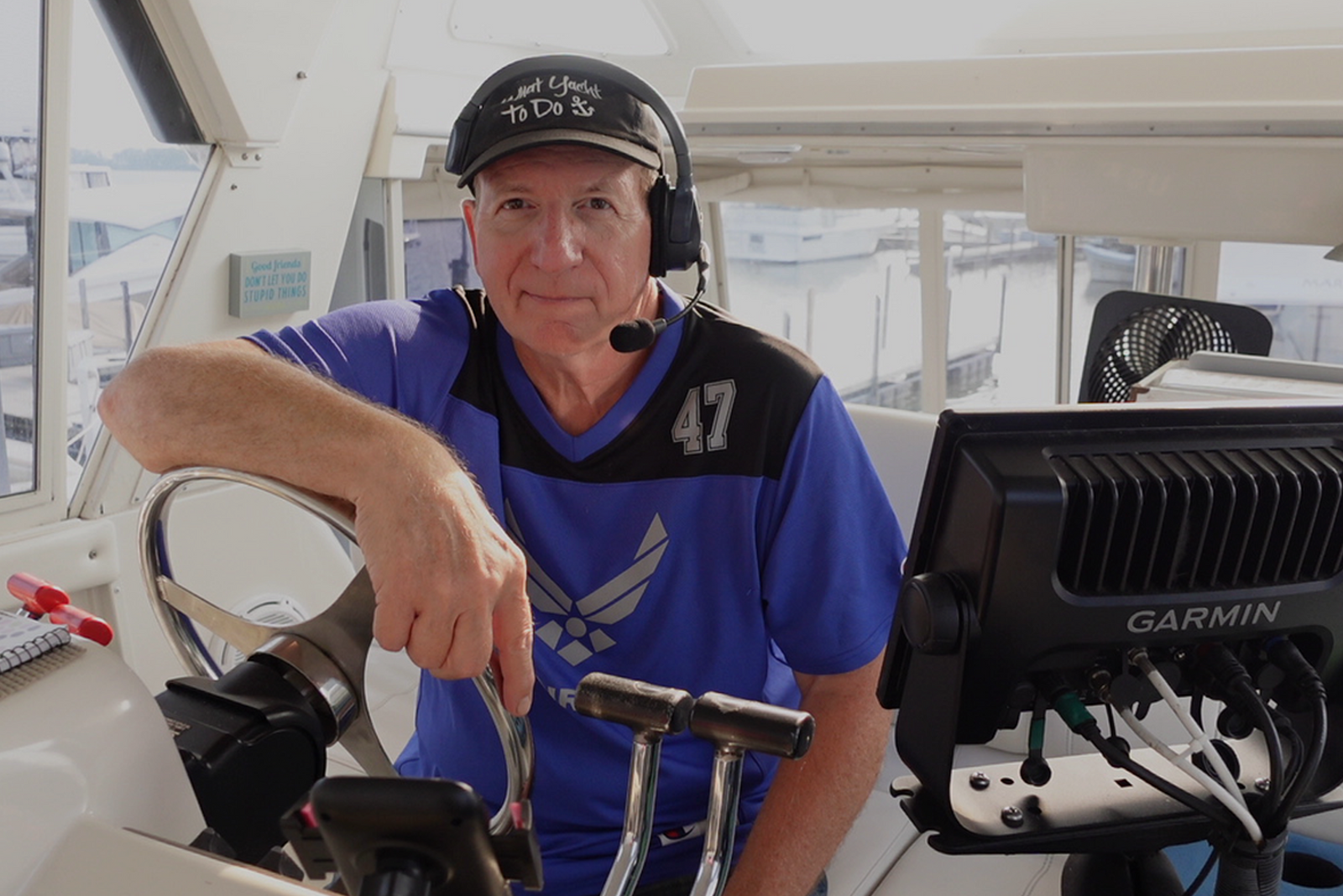

Discover how a retired airline pilot became obsessed with the Great Loop and built a thriving captain training business through Mariners Learning System.


Learn which substances the MMC drug test looks for, plus how masking agents and false positives factor in.


Discover the five most common mistakes mariners make on the captain’s license physical, plus a checklist for how to avoid them.
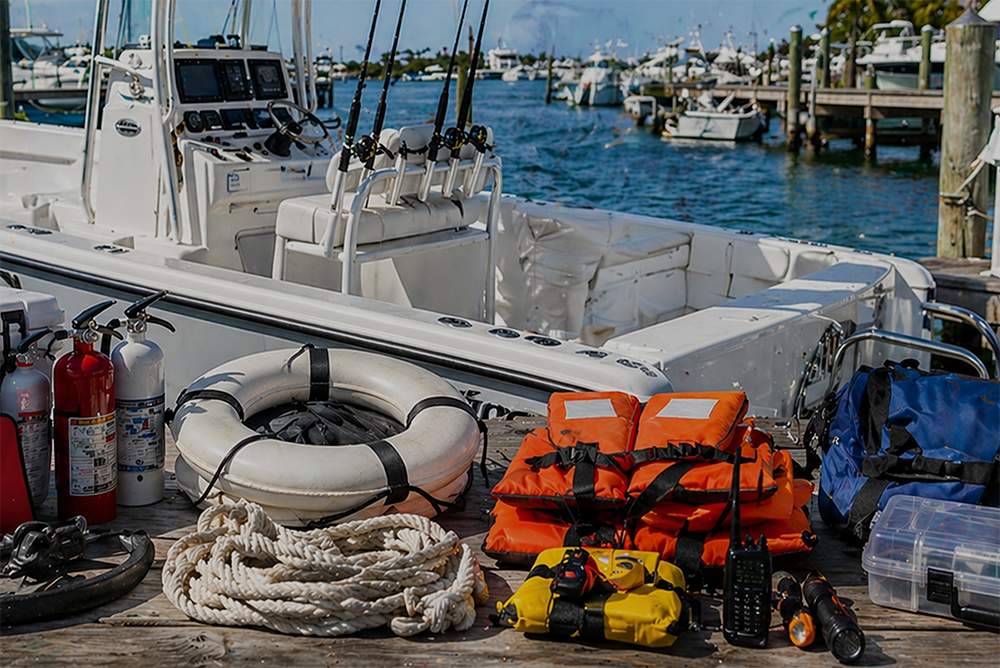

Discover why so many charter captains run out of money and how to plan every startup cost from your vessel purchase to guest-ready outfitting.


Learn how to build a charter business plan that covers pricing, expenses, and marketing so your captain’s license leads to lasting profit.


Transform how you talk about price with proven anchoring strategies and value-first framing that stops charter guests from shopping around.


Discover how charter captains use hybrid pricing models and seasonal adjustments to increase revenue and simplify bookings for every guest type.