

Meet Navi: Your 24/7 AI Instructor Inside the MLS Classroom
Unlock 24/7 access to Navi, an AI instructor trained on MLS course material, so you can ask questions, run practice quizzes, and nail your captain’s exam.


The family seemed perfect during booking. Then Dad started correcting your navigation, Mom complained about the sun, and the teenager stood up repeatedly during movement despite warnings.
Two hours felt like six.
Every captain faces challenging guests. How you handle these moments defines your professionalism and protects your business reputation. More importantly, your response affects every other guest on board.
Challenging behavior rarely starts with malicious intent. Understanding the triggers helps you respond professionally rather than react emotionally.
Many difficult behaviors stem from anxiety. The guest who questions every decision might be terrified of boats but hiding it. The complainer focusing on small issues might be deflecting from bigger fears.
Captain Mike noticed a pattern: his most challenging guests often mentioned they “weren’t boat people” during booking. They arrived tense, criticized everything, and left stressed. Now he addresses concerns proactively during confirmation calls.
Physical discomfort triggers irritability. Seasickness, sun exposure, and unexpected spray turn pleasant people into complainers. The guest who seemed drunk might actually be dehydrated and overheated.
Guests arrive with mental pictures of their trip. When reality differs, frustration emerges.
The corporate group expecting a yacht gets angry at your functional fishing boat. The family wanting guaranteed whale sightings feels cheated by empty horizons. The couple planning proposals needs perfect conditions that nature won’t provide.
Captain Lisa learned to identify expectation gaps quickly. “I want to make sure we’re aligned on what today’s trip includes” is her reset phrase when she senses disconnection.
People behave differently in groups. The quiet husband becomes loud around his college buddies. The responsible mom relaxes rules when other parents aren’t watching.
Alcohol amplifies these dynamics. One drink on land equals two on water, and group drinking escalates faster than individual consumption.
Captain Tom watched a bachelorette party go from classy to chaotic in 45 minutes. Now he sets the tone early: “We want everyone to have fun safely. If things get too rowdy, we’ll need to head back early.”
Each difficult personality requires different management strategies.

Use structured responses to maintain control while preserving dignity: yours and theirs.
Before responding, take a breath. Evaluate whether this is a safety issue, comfort concern, or annoyance.
Captain Amy counts to three before addressing behavior. This pause prevents her from matching negative energy and lets her choose professional words.
Determine who’s affected. Is one guest ruining everyone’s experience, or is this isolated? Group impact requires swifter action.
Avoid accusatory words that escalate tension. Replace “You’re being disruptive” with “Let’s keep the volume comfortable for everyone.”
Captain Steve uses “I” statements: “I need everyone seated while we’re moving” instead of “You can’t stand there.” This approach maintains authority without attacking.
Keep your tone calm and even. Matching their volume or sarcasm surrenders your professional position. Quiet confidence commands more respect than loud confrontation.
State expectations without negotiation. “For everyone’s safety, this is non-negotiable” ends debates.
Captain Rachel learned that specificity prevents arguments. “Voices at conversation level, please” works better than “Be quieter.” “Remain in your seat until we stop” beats “Stop moving around.”
Offer one redirect opportunity: “This is your final reminder about our safety rules. Next time, we return to dock.” Fair warning prevents surprise consequences.
Empty threats destroy authority. If you said you’d return to the dock after one more violation, do it, even if you don’t want to.
Captain Dan once ended a trip 30 minutes early due to repeated safety violations. Word spread, and his future guests arrived knowing he meant business.
Document everything. Write down what happened, what you said, and who the witnesses present were. This strategy protects you from twisted retellings.
Real dangers require real solutions.
“We’re keeping it fun and safe. If alcohol becomes a problem, the trip ends early, and nobody wants that.”
Monitor consumption without being obvious. Suggest water breaks. Redirect energy toward activities: “Who wants to drive for a minute?”
Captain Paul keeps a breathalyzer aboard, not to test guests but as a visible deterrent. Its presence reminds groups that impairment has consequences.
“I appreciate your experience. For insurance and legal reasons, I need to follow my procedures.”
Give them a harmless job. “You clearly know boats. Would you mind helping watch for crab pots?” Channel their expertise productively.
Captain Jackie learned to use their knowledge strategically. “You’re right about that current. I prefer this route for passenger comfort” acknowledges while maintaining control.
“Let me understand your concern so I can address it properly.” Then, actually listen.
Sometimes, they just need to be heard. Other times, you can solve the real problem that lies beneath their complaints.
Captain Luis discovered that most complainers wanted acknowledgment more than solutions. “You’re right, the sun is intense today. Let me adjust our position” often ended the negativity.
No negotiation. “That jeopardizes everyone’s safety. It stops now, or we return immediately.”
Position yourself physically between the violator and the hazard. Your body language reinforces seriousness.
Captain Karen once stopped mid-trip and refused to continue until a guest sat down. The brief awkwardness prevented potential tragedy.
Your response to one difficult guest affects everyone aboard.
Address problems quickly but quietly when possible. Pull the person aside rather than creating public drama.
Captain Ben mastered the “private word” approach. “Can I chat with you for a second?” moves problems away from the group.
When a public address is necessary, frame it positively. “Let’s make sure everyone has a great experience” sounds better than “Stop ruining everyone’s trip.”
Acknowledge the group’s patience afterward: “Thanks for your understanding while we sorted that out. Now, let’s see some dolphins” rebuilds positive energy.
How you handle a disruptive event’s aftermath matters.
Write everything down immediately. Memory fades, and details matter. Include:
Captain Mary keeps a dedicated incident log. Her documentation has prevented false insurance claims twice thus far.
Not every difficult guest deserves a follow-up. Safety violators and abusive guests get nothing.
For misunderstanding-based conflicts, a brief message might help: “I hope you made it home safely. I apologize if the trip didn’t meet your expectations. Your feedback helps us improve.”
Captain Dave once converted an angry guest into an advocate through a thoughtful follow-up. The guest apologized for his behavior and left a positive review that acknowledged the captain’s professionalism.
Difficult guests often leave vengeful reviews. Respond professionally for future readers, not the angry reviewer.
“We prioritize all guests’ safety and comfort. When behavior jeopardizes either, we must take action. We wish them well.”
Never debate details publicly. “Please contact us directly to discuss your concerns” moves arguments offline.
Every difficult guest teaches valuable lessons.
Captain Greg analyzes patterns. Three complaints about sun exposure led him to add a bimini top. Multiple motion sensitivity issues prompted route adjustments.
Update your materials based on problems. If guests consistently misunderstand meeting locations, clarify directions. If certain groups cause problems, adjust marketing to attract better fits.
Build your confidence through experience. Captain Helen dreaded confrontation initially, but after handling dozens of situations professionally, she now addresses issues calmly and early.
Difficult guests test your composure. Stay centered in your role.
Remember, you’re the licensed captain. Your authority comes from the Coast Guard, not guest approval. Safety decisions aren’t democratic.
Captain Tony reminds himself before each trip, “I’m responsible for everyone’s safety and experience. That means making unpopular decisions sometimes.”
Don’t take behavior personally. Their anger reflects their issues, not your worth. Professional detachment protects your energy.
Build support networks. Other captains understand these challenges. Share stories, get advice, and remember you’re not alone.
Handling difficult guests properly strengthens your business.
Word spreads about captains who maintain standards. “He doesn’t tolerate nonsense” attracts serious guests and deters problems.
Your confidence grows with each successful resolution. Future challenges feel less threatening when you’ve handled past ones well.
So start with clarity, set expectations explicitly, address problems immediately, and follow through consistently.

Ask a question, share an experience, or add a helpful tip related to this article. Comments may appear after review to prevent spam.
Unlock 24/7 access to Navi, an AI instructor trained on MLS course material, so you can ask questions, run practice quizzes, and nail your captain’s exam.


Learn what questions to ask and how to prepare for a captain’s license drug test to ensure you avoid the most common application delays.
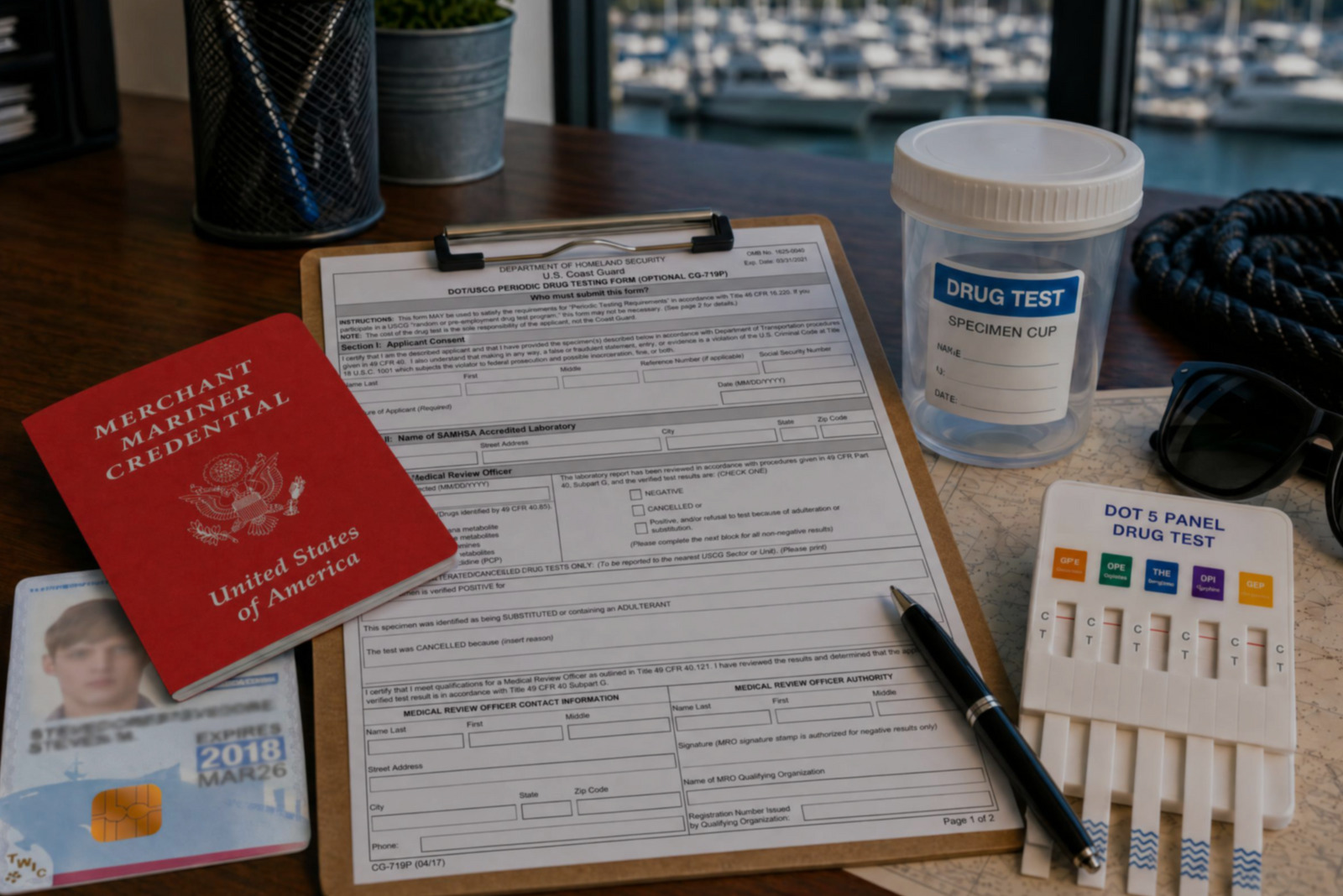

Discover the three types of drug tests working captains must submit to even after they’ve met the initial USCG drug testing requirements for their license.
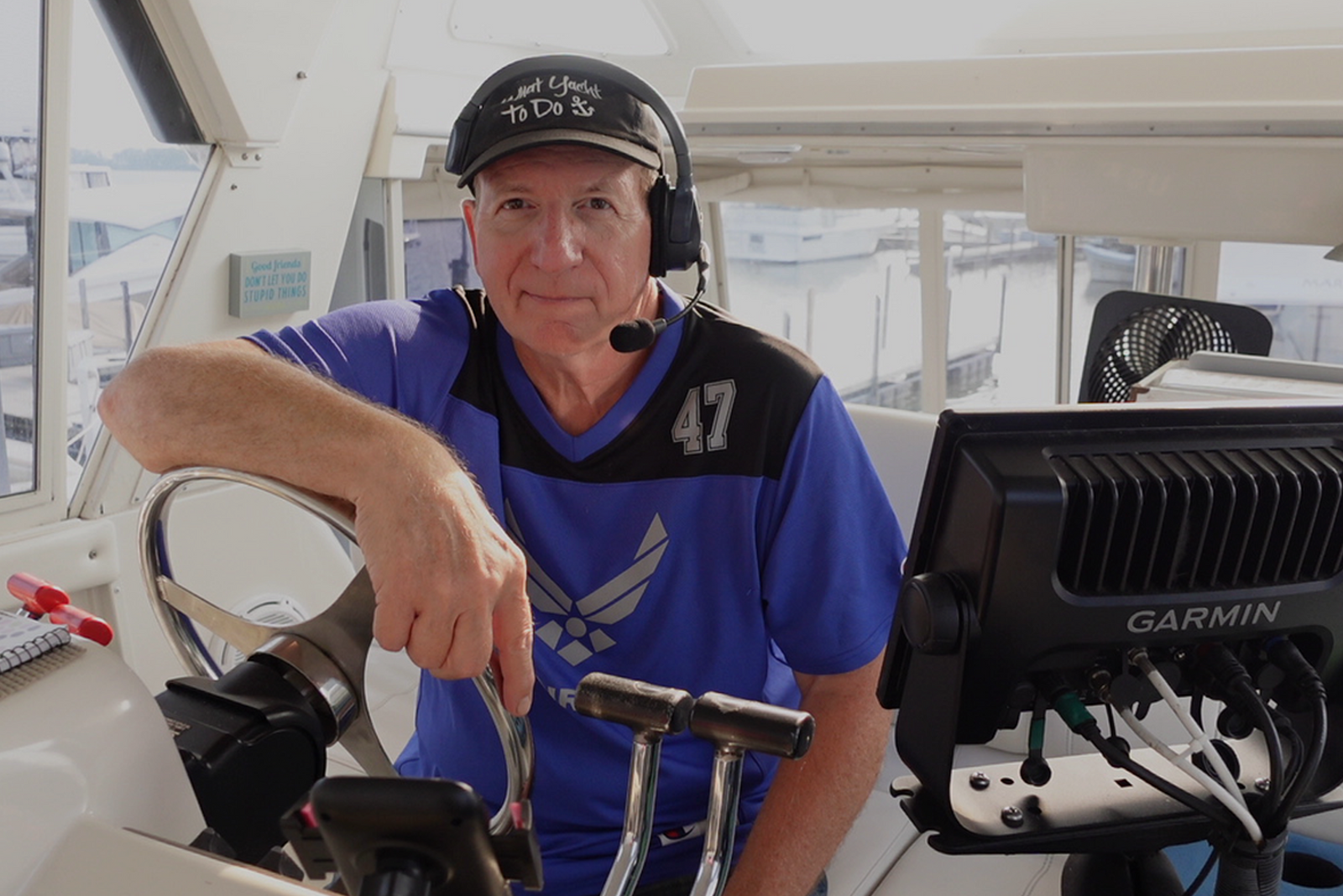

Discover how a retired airline pilot became obsessed with the Great Loop and built a thriving captain training business through Mariners Learning System.


Learn which substances the MMC drug test looks for, plus how masking agents and false positives factor in.


Discover the five most common mistakes mariners make on the captain’s license physical, plus a checklist for how to avoid them.
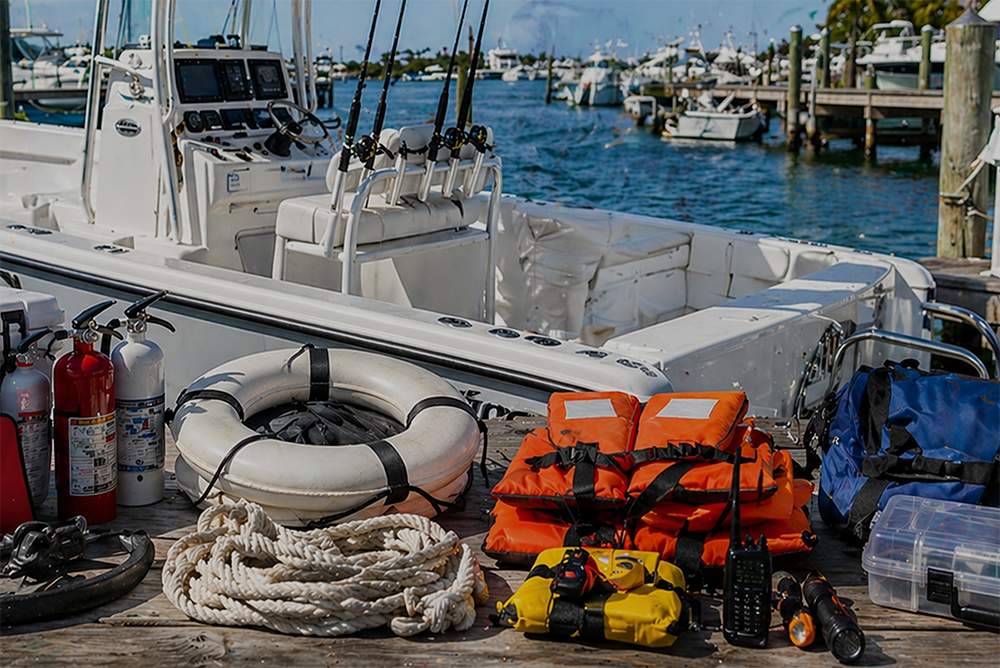

Discover why so many charter captains run out of money and how to plan every startup cost from your vessel purchase to guest-ready outfitting.

Learn how to build a charter business plan that covers pricing, expenses, and marketing so your captain’s license leads to lasting profit.

Transform how you talk about price with proven anchoring strategies and value-first framing that stops charter guests from shopping around.


Discover how charter captains use hybrid pricing models and seasonal adjustments to increase revenue and simplify bookings for every guest type.