

Meet Navi: Your 24/7 AI Instructor Inside the MLS Classroom
Unlock 24/7 access to Navi, an AI instructor trained on MLS course material, so you can ask questions, run practice quizzes, and nail your captain’s exam.
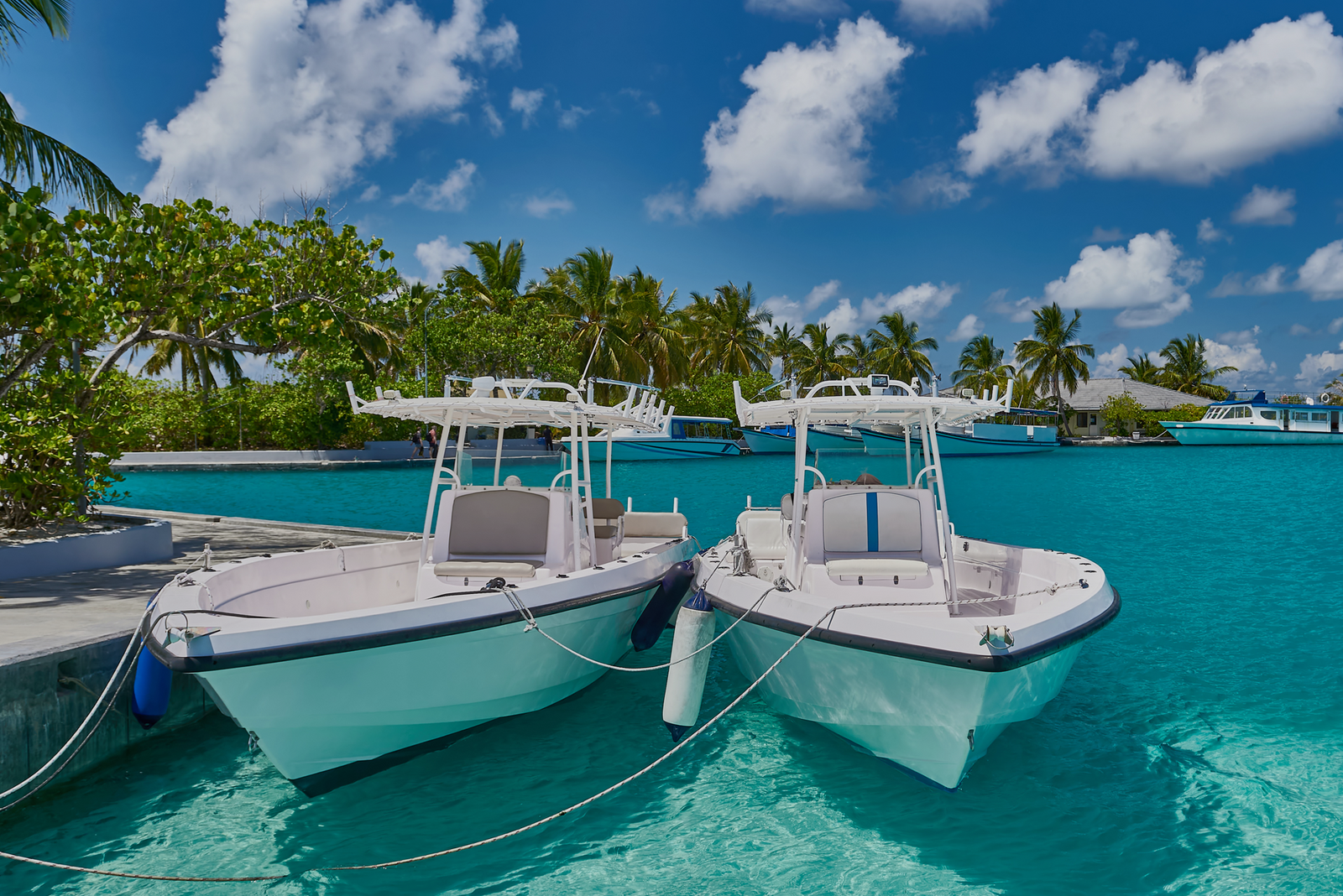

Let’s say you’re planning a Caribbean vacation, and you’ve decided that exploring the crystal-clear waters of the British Virgin Islands or the Bahamas by boat sounds like the perfect adventure.
You’ve been boating for years, and now you’re wondering whether you need your captain’s license to charter a boat in paradise.
It’s a good question, and the answer might surprise you.
First things first. Will resorts or charter companies require you to have a captain’s license to take a boat out?
The short answer is no.
Just like recreational boating back home, chartering a boat for personal recreation in the BVI or Bahamas doesn’t require a captain’s license. It’s only required when you’re operating a vessel commercially, meaning when you’re taking out paying passengers for hire.
When you’re chartering a boat for your own vacation, even with friends or family onboard, no one is paying you. So legally, the license isn’t required.

Instead of a captain’s license, most charter companies will ask to see your boating resume before letting you take one of their costly vessels out.
A boating resume is simply documentation of your boating experience, typically including details like:
Charter companies want to know you can safely handle their vessel. They’re not going to hand over the keys of a $500,000 catamaran to someone who’s never been on a boat before.
One more critical thing: Make sure you have insurance that covers your rental. You don’t want to end up personally liable for any damage or injuries.

Even though it’s not required, having your captain’s license can still be valuable in chartering a boat in the Caribbean.
If you have a U.S. Coast Guard-issued captain’s license, I strongly recommend calling the resort or charter company you’d like to work with and asking if they’ll accept your license in lieu of a boating resume.
Most will say yes.
Why? Because your captain’s license demonstrates that you have more, and likely better, training than most people chartering boats from them. You’ve proven your knowledge of navigation, the Rules of the Road, safety protocols, and vessel operations through a rigorous Coast Guard-approved course and exam.
Charter companies like The Moorings (no affiliation) and similar operations recognize this. When you present a captain’s license, they know you’re not just a weekend boater who might panic in challenging conditions.
It’s possible that your captain’s license could save you some money, but only if you ask.
When you contact the charter company, don’t just ask if they’ll accept your captain’s license. Ask if there are any additional discounts available for U.S. licensed captains.
Their risk is lower when they charter to someone with your level of training. Some companies recognize this with reduced insurance fees or other discounts. It never hurts to ask.
Even with your captain’s license and all your experience, remember to stay sharp when you’re out on the water in charter-heavy areas.
I’ve spent a lot of time in the BVI on my own boat, and I learned something important: Any time a charter boat came anywhere near me, I would change position. Why? Because there was a good chance they were going to hit me.
While you might be a well-trained captain, you’re sharing the water with lots of novice boaters who don’t know the Rules of the Road. Many of them are operating vessels much larger than anything they’ve ever handled before, in waters they don’t know, and they may be distracted by the rum punches they had at lunch.
This is another reason why good insurance coverage matters.
If you’re heading to the BVI, the Bahamas, or other Caribbean islands and want to charter a boat, my advice is simple: Call ahead and find out the company’s policy.
Ask them directly:
Most charter companies are happy to work with licensed captains. They know you take boating seriously, and that makes their job easier.
Chartering in the Caribbean can be an incredible experience. The waters are beautiful, the sailing conditions are often ideal, and there’s nothing quite like anchoring in a secluded cove and diving off your boat into crystal-clear water.
Just remember to stay vigilant, respect the other vessels around you (even when they’re not respecting you), and enjoy the adventure. That captain’s license you worked hard to earn will serve you well, even on vacation.
Ask a question, share an experience, or add a helpful tip related to this article. Comments may appear after review to prevent spam.
Unlock 24/7 access to Navi, an AI instructor trained on MLS course material, so you can ask questions, run practice quizzes, and nail your captain’s exam.


Learn what questions to ask and how to prepare for a captain’s license drug test to ensure you avoid the most common application delays.
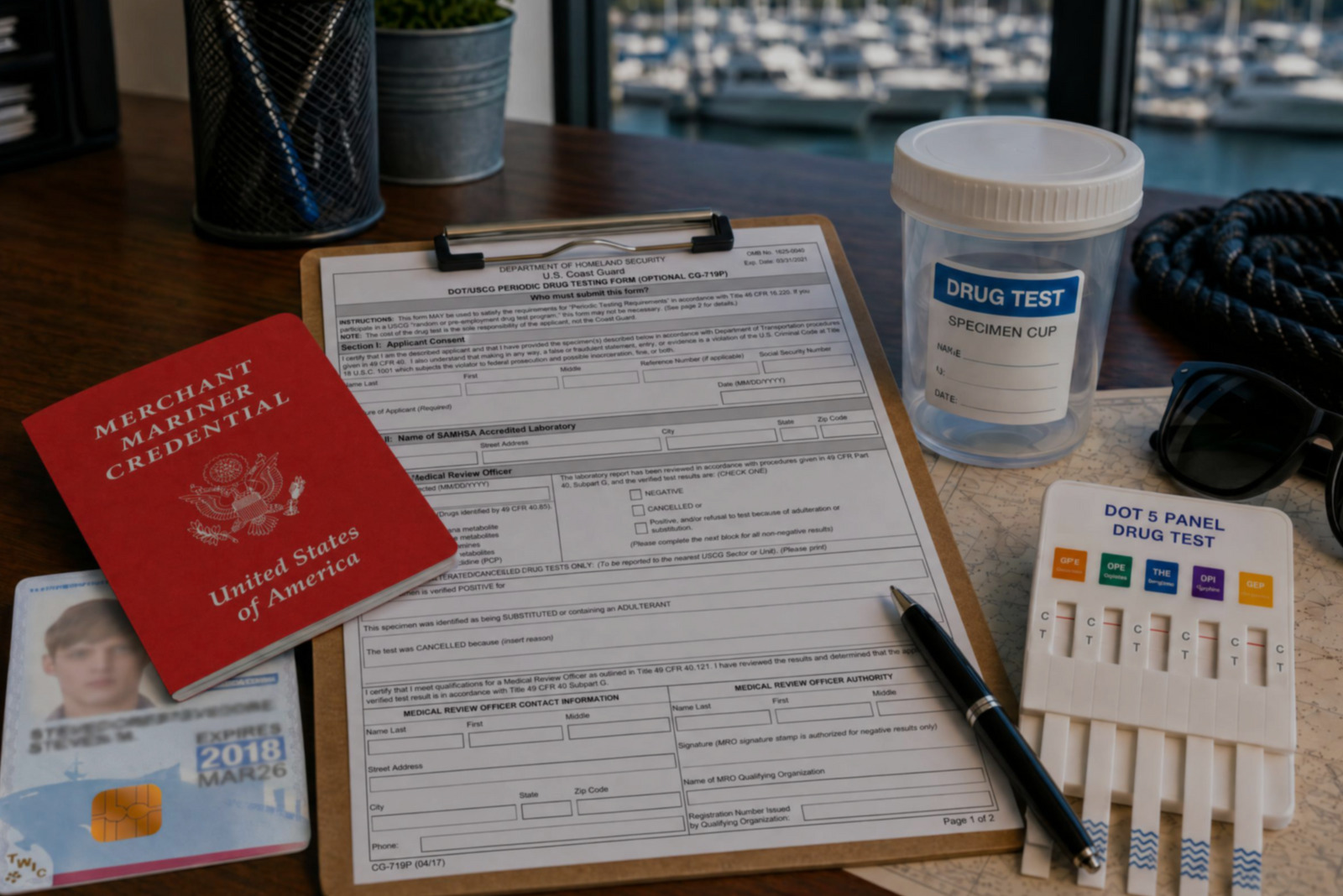

Discover the three types of drug tests working captains must submit to even after they’ve met the initial USCG drug testing requirements for their license.
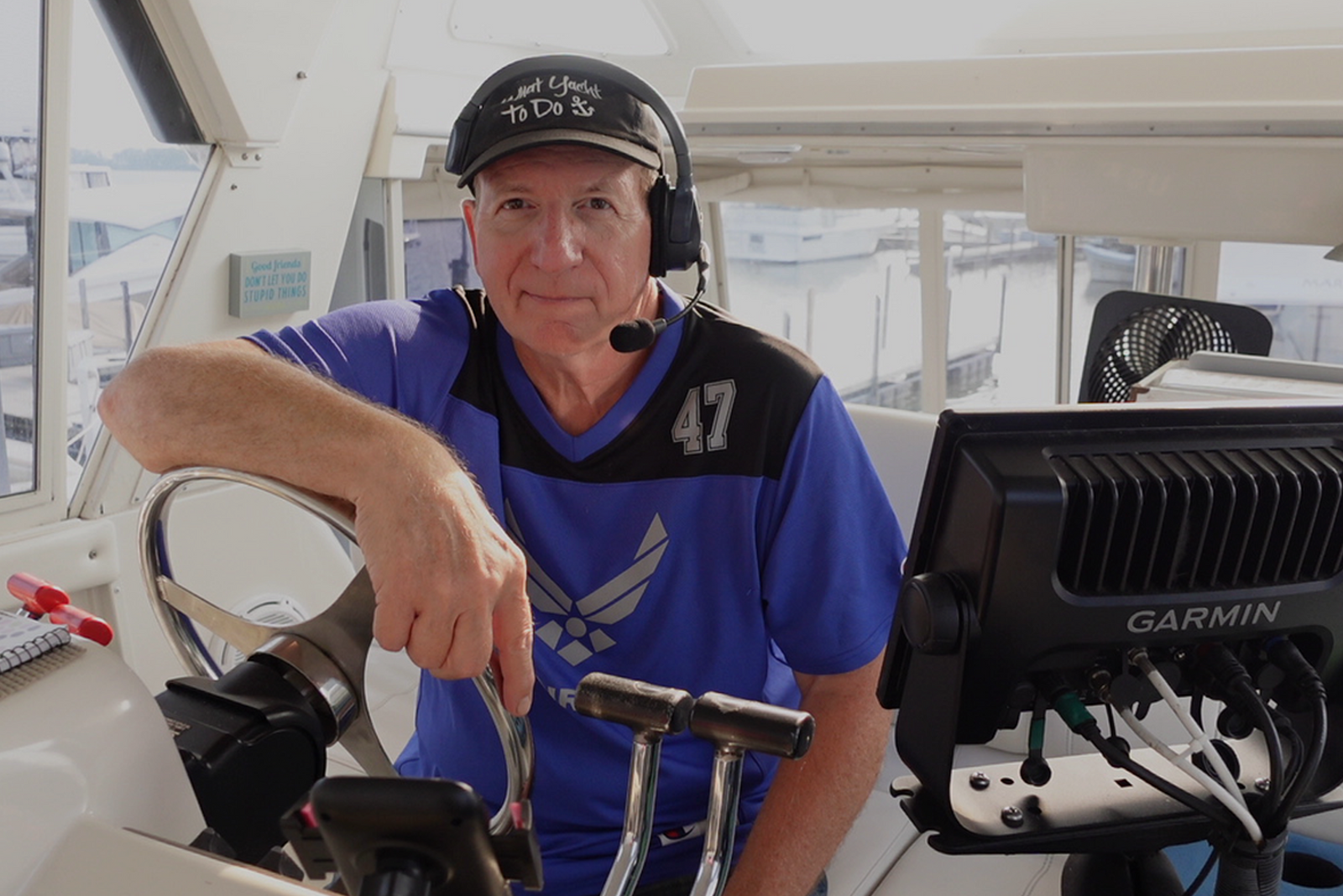

Discover how a retired airline pilot became obsessed with the Great Loop and built a thriving captain training business through Mariners Learning System.


Learn which substances the MMC drug test looks for, plus how masking agents and false positives factor in.


Discover the five most common mistakes mariners make on the captain’s license physical, plus a checklist for how to avoid them.
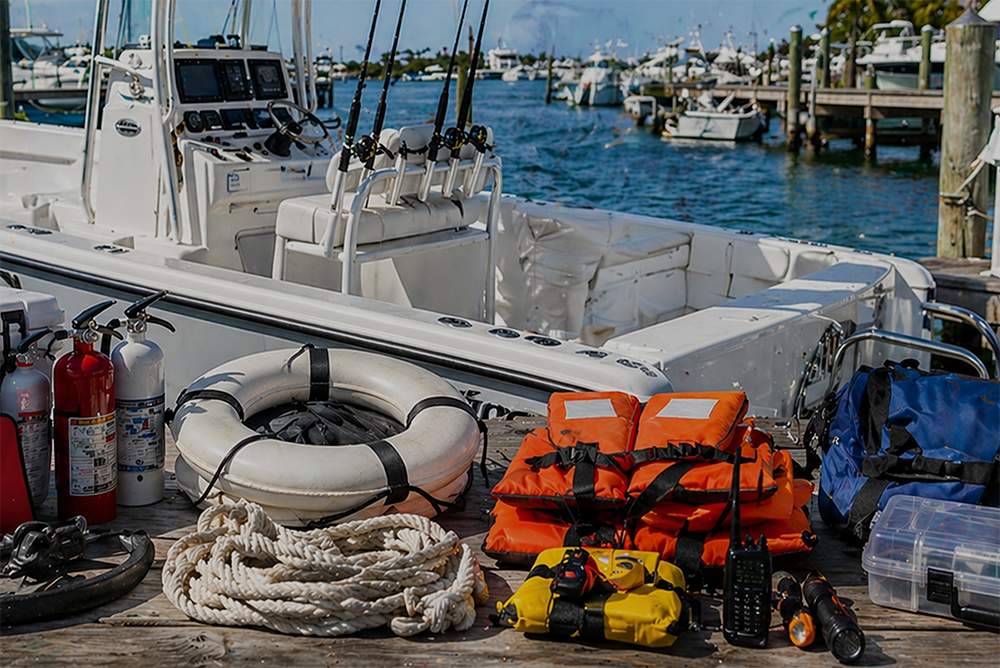

Discover why so many charter captains run out of money and how to plan every startup cost from your vessel purchase to guest-ready outfitting.

Learn how to build a charter business plan that covers pricing, expenses, and marketing so your captain’s license leads to lasting profit.

Transform how you talk about price with proven anchoring strategies and value-first framing that stops charter guests from shopping around.

Discover how charter captains use hybrid pricing models and seasonal adjustments to increase revenue and simplify bookings for every guest type.