

Meet Navi: Your 24/7 AI Instructor Inside the MLS Classroom
Unlock 24/7 access to Navi, an AI instructor trained on MLS course material, so you can ask questions, run practice quizzes, and nail your captain’s exam.


Life is busy. Work. Kids. Kids’ sports. Kids’ school. You get it.
If you’re looking into getting your captain’s license, it makes sense you’d want to know how long a captain’s license course actually takes.
Here at Mariners Learning System, our courses are online and self-paced. You don’t have to make time to get to a physical classroom, but how long should you plan to spend in front of your computer?
To be frank, the duration of your course depends mainly on you.
I’ve had students finish our OUPV/Six-Pack course in three days. Others take three weeks or even three months. Some take longer. That’s the beauty of a self-paced program: You’re on your own schedule, not ours.
That said, I can share with you how many hours, on average, each course takes, so you can assess and plan your approach accordingly.

An OUPV/Six-Pack license lets you operate uninspected vessels, both power and sail, up to 100 gross tons with up to six paying passengers and one crew. It’s perfect for charter fishing, diving, teaching, and tour operations.
I wrote our OUPV/Six-Pack course as a 57-hour program. In practice, though, many students complete it in 25 to 55 hours.
You know yourself, your learning style, and your schedule best. Students with more time and lots of concentration sometimes power through in less time, while others pace themselves and take it slower. The method doesn’t matter as long as it helps you learn the material.
While the online course and exam are the same for every OUPV/Six-Pack student, the Coast Guard issues different license types depending on where you completed your boating experience. For instance, if you complete all your sea time on inland waterways, you’ll be issued an Inland license for operation inside the U.S. Boundary Line. But if you complete at least 90 days of your sea time outside the Boundary Line, they’ll issue you a Near Coastal license for operation outside the Boundary Line.
Besides passing the course and exam, you’ll need to meet these additional USCG requirements for an OUPV/Six-Pack license:
A Master captain’s license allows you to operate inspected vessels with whatever number of passengers and crew a vessel is approved for based on its Certificate of Inspection. This license is perfect for ferry services, harbor tours, and whale watching charters. It’s also helpful in jobs where insurers might require a licensed Master, such as boat deliveries.
The Master’s course requires a bit more time commitment. It’s written as an 81-hour program, but due to its self-paced nature, students often finish in 55 to 60 hours. Again, some take longer, and others finish more quickly.
The key is consistency. Students who chip away at a little bit each day get through the material “faster” than those who take months off and forget what they studied between lessons.
Our Master’s course isn’t an appreciably more difficult program than the Six-Pack, even though it’s a much higher-level license. In fact, the core of the program is the Six-Pack course.
One difference is that, while we teach you rules from the Code of Federal Regulations in the Six-Pack course, we also teach Master’s students how to use that Code to look up rules and regulations for themselves.
The Master’s course goes deeper into safety as well. We dig deeper into issues like firefighting and safety at sea. Because of this, I tell people that the Master’s program is the course I’d want to take if I ever found myself floating in the water without my boat wrapped around me.
Just like Six-Pack licenses, Master’s licenses come in various types, like Inland and Near Coastal. But Master’s licenses are also tonnage rated at 25 gross tons (GT), 50 GT, or 100 GT, depending on your boating experience.
The Coast Guard will consider both the amount and location of your sea service time and the size of the vessels you’ve operated to determine which type of license you’re eligible for.
Besides the course and exam, the USCG’s other requirements for a Master license are largely the same as those for the OUPV/Six-Pack, with a few exceptions:
All other requirements are the same as for an OUPV/Six-Pack license, including the required Inland sea time and recency.
Note that Master licenses don’t automatically cover the commercial operation of inspected sailboats. For that, you need a Sailing Endorsement.
If you already have your Six-Pack license and want to upgrade to Master’s level, we offer a program called OUPV Upgrade to Master’s that takes about 24 hours, though I’ve seen speedier students finish in as few as 15.
The course is relatively simple, only including the Master’s information that was missing from your OUPV/Six-Pack learning. On top of completing the program and passing the test, you’ll also need to meet any specific requirements for the Master’s license you want, such as increased sea time for a Near Coastal rating.
An Assistance Towing Endorsement is for those who hold an OUPV/Six-Pack or Master captain’s license and want to assist struggling vessels for a fee. The course takes four hours for students to complete, and the only additional requirement is passing the included exam included with your course.
An Auxiliary Sailing Endorsement authorizes you to operate an inspected sail or auxiliary sail vessel within the scope and limitations of your license. This endorsement isn’t necessary for an OUPV/Six-Pack license, which already covers uninspected sailing vessels for up to six paying passengers.
The Sailing Endorsement course also takes four hours to complete. But, in addition to passing the exam, you’ll also need to have documented at least 180 days sailing for a Master Inland license and at least 360 days sailing outside the Boundary Line for a Master Near Coastal license.
Once you begin a captain’s license course, you have a year to complete it. That year doesn’t begin from your course purchase date, but from the first time you log in. I’ve had students who bought a course three or four years ago and are just signing up today to get started. That’s just fine with us.
Once you’ve completed your course, you then have an additional year to meet the requirements of the Coast Guard and submit your application. It’s not at all uncommon for students to start a course before they have all the necessary experience documented or before they have their additional requirements squared away. In fact, I typically suggest waiting to fulfill certain time-sensitive requirements, like the physical exam and drug test, until you’re nearly ready to apply.
What happens if life gets in the way after you start your course and your year deadline passes? Don’t worry, this isn’t a use-it-or-lose-it situation. For a fraction of the course cost, we can reset your program and give you an additional year’s access.
Your reset doesn’t have to be concurrent with the year you started. If you began your course in 2025 and call us in 2028 saying you’d like to start again, we’re happy to get you going.
How long your captain’s license course takes varies depending on how you approach it and what fits your learning style, study habits, and schedule. Personally, I couldn’t sit down for much more than 30 to 45 minutes at a time when I was studying. But some students can lock in for 10 or 12 hours. There’s no one right way.
What matters isn’t how fast you finish, but how well you absorb the material, gain the knowledge, and become the confident, competent captain you’re meant to be.
So, whether you’re ready to dive into the Six-Pack course, shoot for your Master’s license, or explore our other offerings, we’re here to support you every step of the way. We can’t wait to see where the journey takes you.

Ask a question, share an experience, or add a helpful tip related to this article. Comments may appear after review to prevent spam.
Unlock 24/7 access to Navi, an AI instructor trained on MLS course material, so you can ask questions, run practice quizzes, and nail your captain’s exam.


Learn what questions to ask and how to prepare for a captain’s license drug test to ensure you avoid the most common application delays.
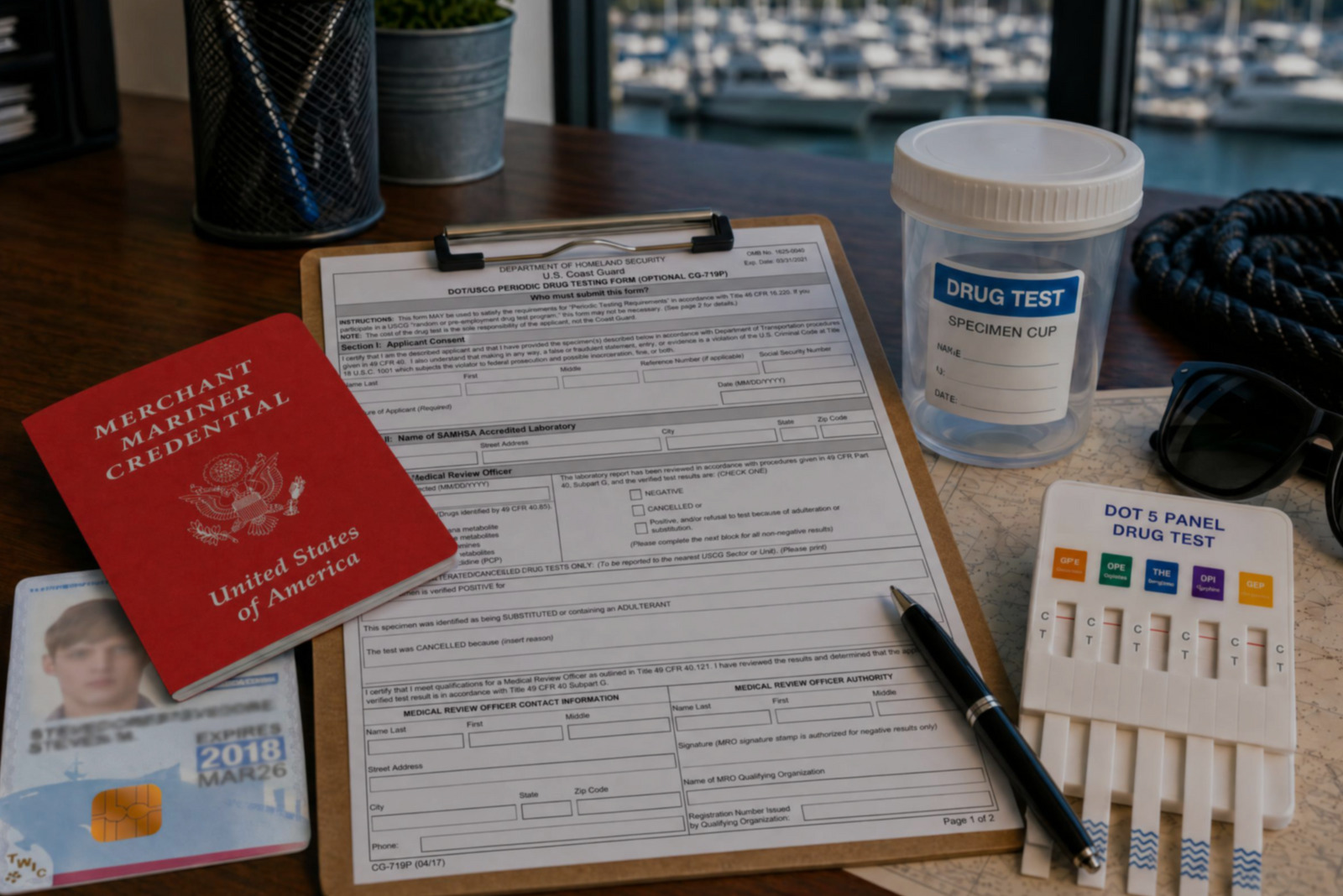

Discover the three types of drug tests working captains must submit to even after they’ve met the initial USCG drug testing requirements for their license.
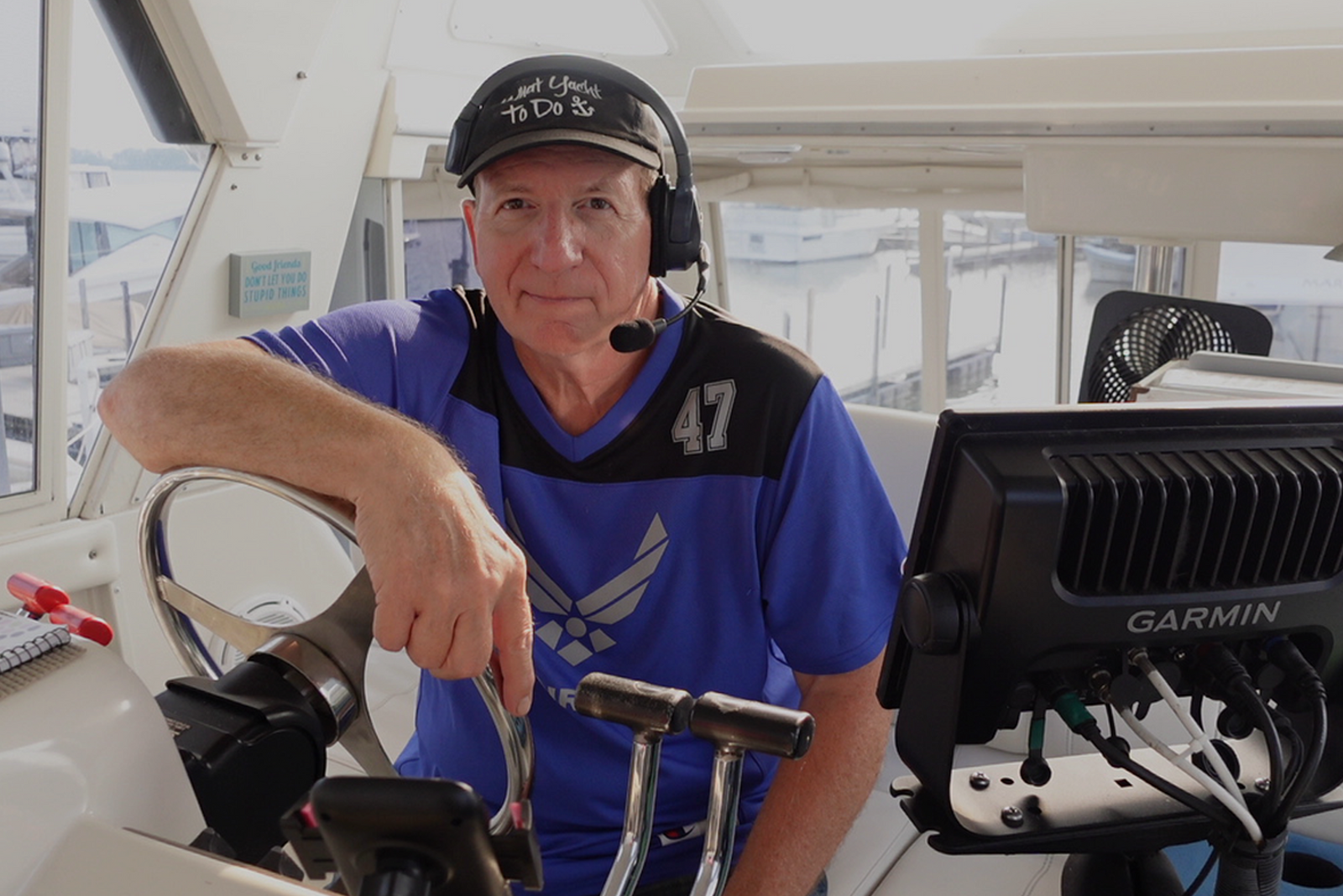

Discover how a retired airline pilot became obsessed with the Great Loop and built a thriving captain training business through Mariners Learning System.
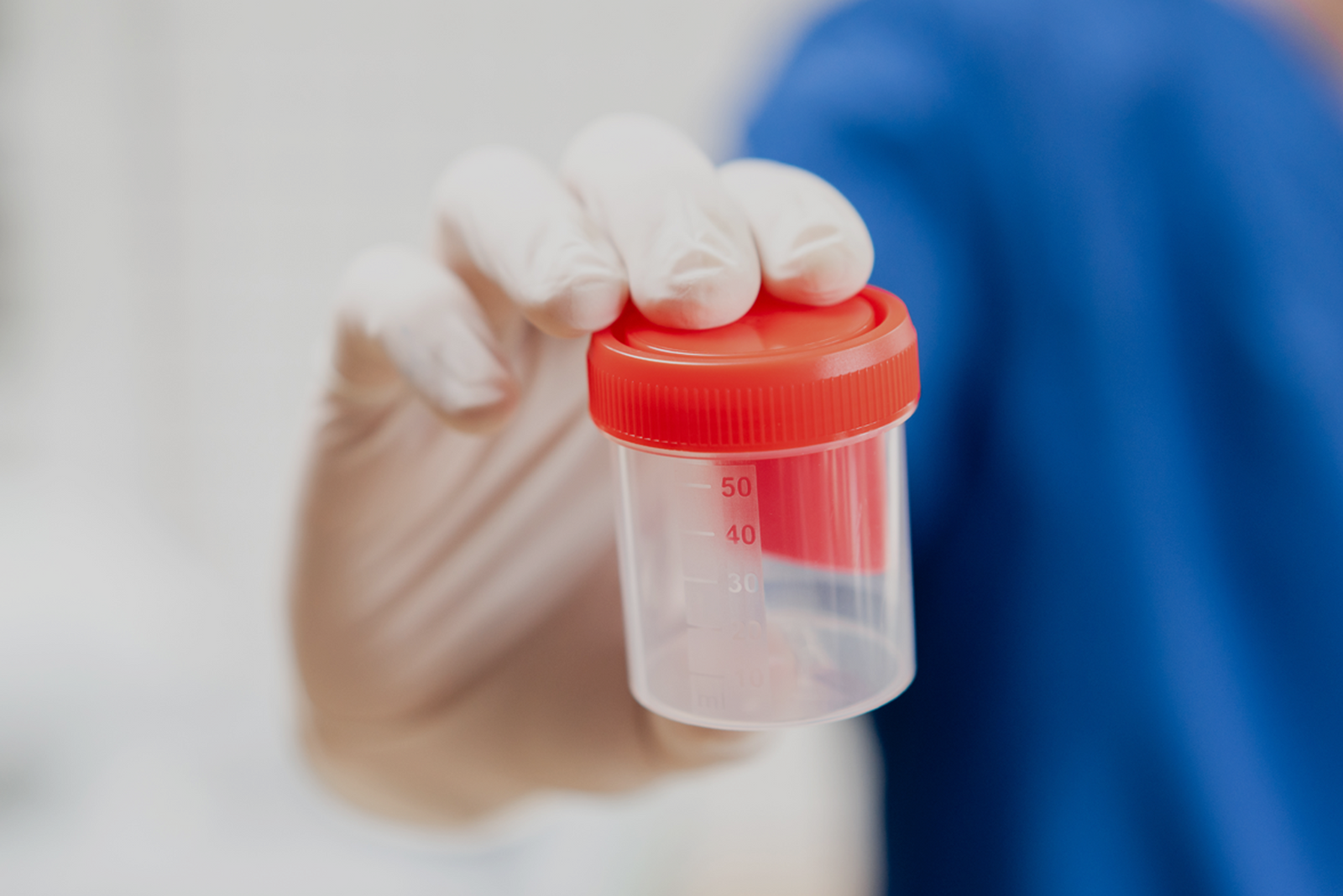

Learn which substances the MMC drug test looks for, plus how masking agents and false positives factor in.

Discover the five most common mistakes mariners make on the captain’s license physical, plus a checklist for how to avoid them.

Discover why so many charter captains run out of money and how to plan every startup cost from your vessel purchase to guest-ready outfitting.

Learn how to build a charter business plan that covers pricing, expenses, and marketing so your captain’s license leads to lasting profit.

Transform how you talk about price with proven anchoring strategies and value-first framing that stops charter guests from shopping around.

Discover how charter captains use hybrid pricing models and seasonal adjustments to increase revenue and simplify bookings for every guest type.