

Meet Navi: Your 24/7 AI Instructor Inside the MLS Classroom
Unlock 24/7 access to Navi, an AI instructor trained on MLS course material, so you can ask questions, run practice quizzes, and nail your captain’s exam.


Over my years running Mariners Learning System, I’ve talked with thousands of aspiring captains from all walks of life. One of the questions I encounter repeatedly is, Do I have to be a U.S. citizen to get my captain’s license?
The answer isn’t quite a straightforward “yes” or “no,” since the Coast Guard’s specific immigration and citizenship requirements vary depending on which type of license you’re pursuing.
Let’s clear up the confusion so you can move forward with confidence.

If you’re interested in pursuing an OUPV/Six-Pack license, I have good news for you: You don’t need to be a U.S. citizen to get your captain’s license.
However — and this is non-negotiable — you must have either a green card or a valid work visa for the United States. There’s no way around this requirement. You must be legal to work in the U.S.
I hear from Canadians all the time who say, “But I have a home in Florida, and I come down every winter.” Seasonal residence won’t help you get around the immigration and citizenship requirements for a captain’s license. You’ll still need a green card or work visa.
Now you might ask, as some have asked me, “But what if I don’t plan to use my license for work?” The fact is that in the Coast Guard’s eyes, the only reason to have a captain’s license is to use it commercially.
Consider that if you don’t have a green card or work visa, you don’t have a Social Security number. And without a Social Security number, the government can’t tax you for the services you’re rendering as a paid captain. So a major reason for this requirement involves ensuring commercial operators are properly documented in the U.S. tax system.

The citizenship requirements for captain’s licenses get stricter when you step up to the Master’s level.
For a Master captain’s license, you must be a U.S. citizen. Period. A green card or work visa won’t qualify you for this higher-level credential.
However, I’ve worked with plenty of students who started as resident aliens with green cards. They earned their Six-Pack licenses first, then went through the naturalization process to become U.S. citizens. Once they had their citizenship, they were able to upgrade to their Master’s licenses.
Getting a lower-level license doesn’t create a one-and-done situation. If you aren’t yet a U.S. citizen and want to begin operating commercially, you can start by pursuing the Six-Pack option. The option to upgrade to a Master’s later remains open to you as long as you meet all the requirements.
One requirement for both OUPV/Six-Pack and Master’s licenses that may affect some mariners coming to the U.S. is the need for English language proficiency.
The Coast Guard requires all captain’s license applicants to be able to speak and understand English. This makes sense when you think about it. You need to communicate clearly on the radio during emergencies, understand navigation instructions, and read charts and regulatory materials.
Immigration status is just one piece of the puzzle. To earn your captain’s license — whether a Six-Pack or Master’s — you’ll also need to meet these basic requirements:
At Mariners Learning System, we’ve helped students from all backgrounds navigate these requirements successfully. Our online courses make it easy to study on your own schedule, wherever you are, and our Coast Guard-approved course and exam have a 98.7% pass rate.
If you’re a green card holder or have a work visa, don’t let citizenship concerns stop you from pursuing your Six-Pack license. It’s an excellent stepping stone that opens doors to commercial opportunities in the maritime industry.
And if you’re working toward U.S. citizenship, keep that Master’s license in your sights. Once you complete the naturalization process, you’ll be ready to upgrade and expand your capabilities as a licensed captain.
The path to becoming a captain looks different for everyone. The key is understanding which requirements apply to your situation and taking it one step at a time.
If you have specific questions about how your immigration or citizenship status affects your captain’s license journey, I highly recommend reaching out to the National Maritime Center for guidance. They have the ultimate word on how the details of immigration or citizenship status affect captain’s license applications (and remember to get their advice in writing for your records!).
Ask a question, share an experience, or add a helpful tip related to this article. Comments may appear after review to prevent spam.
Unlock 24/7 access to Navi, an AI instructor trained on MLS course material, so you can ask questions, run practice quizzes, and nail your captain’s exam.


Learn what questions to ask and how to prepare for a captain’s license drug test to ensure you avoid the most common application delays.
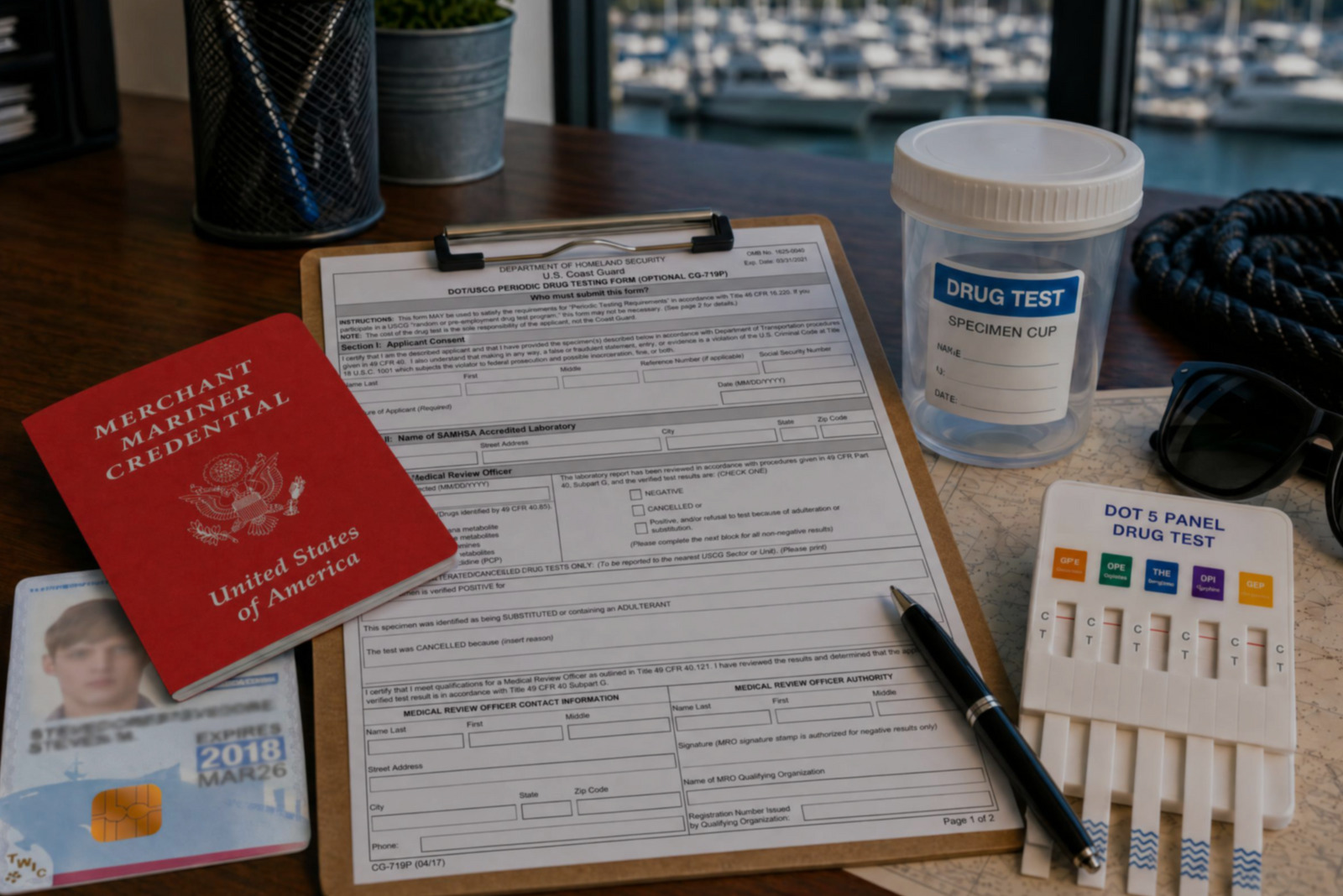

Discover the three types of drug tests working captains must submit to even after they’ve met the initial USCG drug testing requirements for their license.
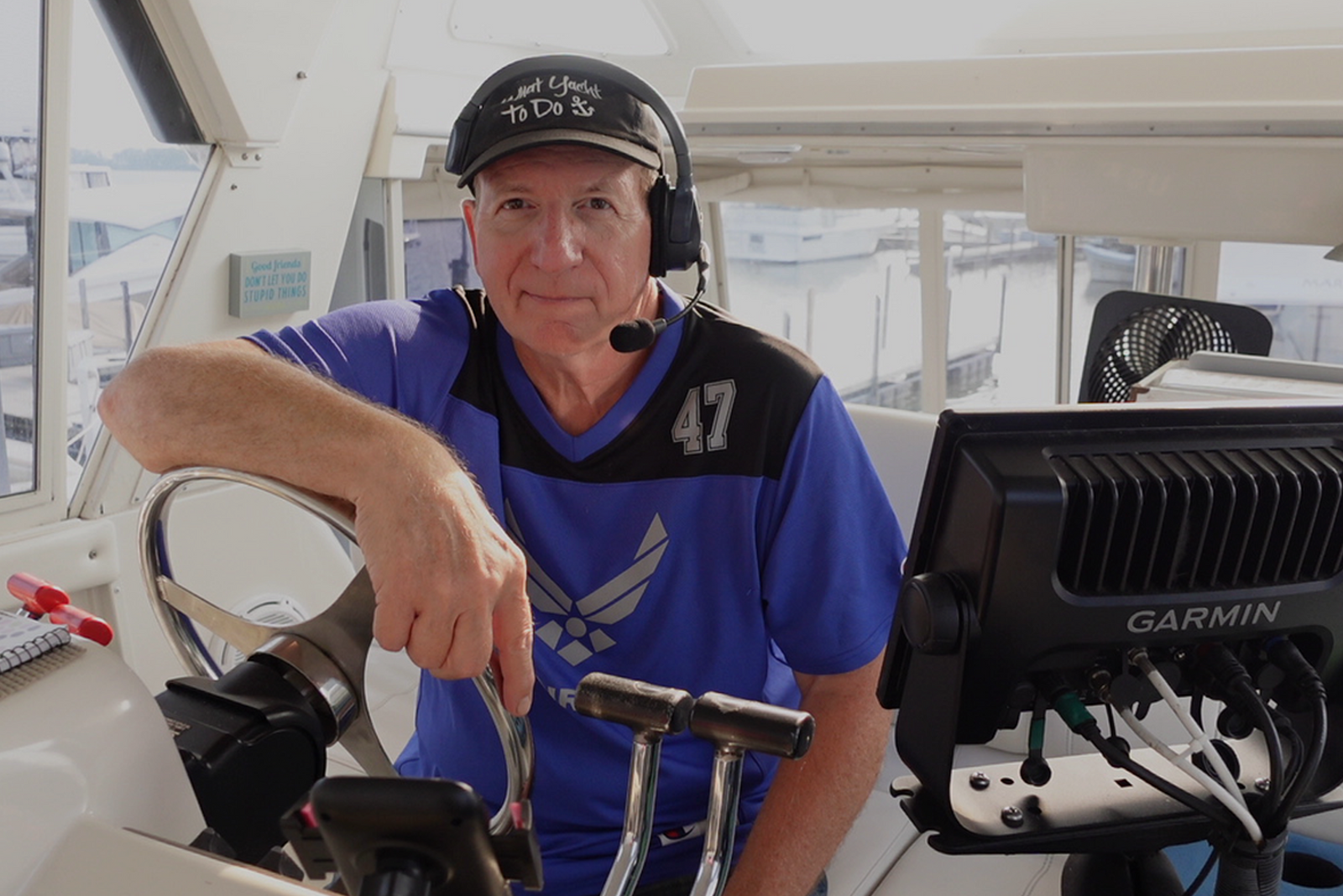

Discover how a retired airline pilot became obsessed with the Great Loop and built a thriving captain training business through Mariners Learning System.


Learn which substances the MMC drug test looks for, plus how masking agents and false positives factor in.


Discover the five most common mistakes mariners make on the captain’s license physical, plus a checklist for how to avoid them.
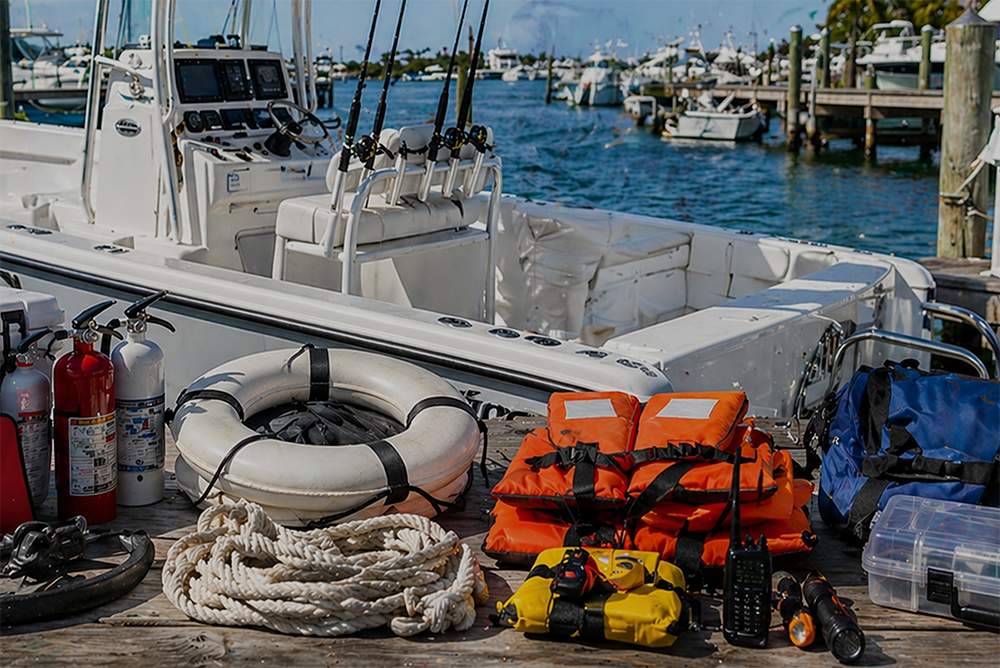

Discover why so many charter captains run out of money and how to plan every startup cost from your vessel purchase to guest-ready outfitting.

Learn how to build a charter business plan that covers pricing, expenses, and marketing so your captain’s license leads to lasting profit.

Transform how you talk about price with proven anchoring strategies and value-first framing that stops charter guests from shopping around.

Discover how charter captains use hybrid pricing models and seasonal adjustments to increase revenue and simplify bookings for every guest type.