

Meet Navi: Your 24/7 AI Instructor Inside the MLS Classroom
Unlock 24/7 access to Navi, an AI instructor trained on MLS course material, so you can ask questions, run practice quizzes, and nail your captain’s exam.


“Bob, I wear glasses. Can I still get my captain’s license?”
“I’m colorblind. Does that disqualify me?”
“I lost sight in one eye years ago. Am I out of luck?”
I’ve heard just about every question in the book when it comes to the captain’s license vision test. And I have good news for you: The vision test for earning a captain’s license is far more accommodating than many people expect. In fact, I’ve worked with thousands of students who had vision concerns, and the vast majority sailed through without issue.
Here’s what you actually need to know.
Your captain’s license vision test is part of the physical exam that all aspiring captains must complete. The exam itself is similar to what truck drivers go through and can be conducted by a physician, physician assistant, or nurse practitioner licensed in the U.S. or a U.S. territory. They’ll record their findings on form CG-719K, which you’ll submit to the Coast Guard.
Many mariners worry that their glasses or contacts prescription will disqualify them during the vision portion of the exam, but that’s rarely the case.
When I first got my captain’s license, I couldn’t see my toes without my glasses. Seriously. I’ve since had LASIK surgery, but back then, I was blind as a bat without corrective lenses. Yet the Coast Guard didn’t hesitate to issue me a license.
Why? They care mainly that your vision is correctable to at least 20/40 in one eye (and 20/200 without correction). So as long as your vision is correctable, the fact that you wear glasses or contacts isn’t an automatic disqualifier. You might be required to carry backup lenses onboard, but needing them in the first place doesn’t prevent you from earning your captain’s license.
Color blindness is probably the greatest area of confusion surrounding the captain’s license vision test. Many people think that any type of color blindness immediately disqualifies them from getting their license.
I’m happy to say that’s completely wrong.
I myself have a type of color blindness known as red-green color deficiency. So if color blindness were really an automatic disqualifier, I’d be in trouble.
One bit of information I’ve found helpful to know for the captain’s license vision test is that there’s more than one way to test for color vision. The most common test involves identifying numbers within little colorful circles — a test I know I can’t pass. A valid alternative, however, is the Farnsworth lantern test, which I can pass just fine.
The Farnsworth lantern test displays a series of lights arranged in a line, and it’s generally considered the most forgiving test for color blindness.
Now, let’s say you’re on the far end of the color blindness spectrum and can only see in black and white. Even that isn’t an automatic disqualifier.
If you can’t pass any of the color vision tests, the Coast Guard will simply place a restriction on your license, and you won’t be able to operate professionally from sunset to sunrise. That’s it. You can still run daytime charters, and most charter opportunities happen during daylight hours anyway.
Note that this restriction only applies to commercial operations. If you want to take friends and family out on the water at night for fun, go right ahead.
Another concern, though less common, is whether total vision loss in one eye is an automatic disqualifier.
Not necessarily. It depends on how you lost that vision.
If you lost sight in one eye due to an isolated incident — maybe a BB gun accident when you were a kid, or you were born with vision in only one eye — that’s not a disqualifier. The Coast Guard is less concerned about vision loss from an isolated incident than vision loss from a condition that could spread to the other eye.
If you’ve lost vision in one eye due to a disease, the Coast Guard will worry that the disease could potentially affect your healthy eye. They want to make sure whatever caused your vision loss won’t progressively impact your ability to operate a vessel safely once licensed.
Your doctor will need to provide documentation about the cause and prognosis. It’s possible that even disease-related vision loss may be approved if medical records show the condition is stable and won’t affect the other eye.

The actual captain’s license vision test is straightforward. Your physician will:
The whole process takes just a few minutes as part of your overall physical exam.
I can’t tell you how many students have called us worried about the captain’s license vision test, only to pass without any issues.
The Coast Guard isn’t trying to keep you off the water. They just want to make sure you can safely identify navigation lights, read charts, and spot potential hazards. If you can do those things — with or without glasses, with one eye or two — you’re likely good to go.
If you have specific concerns about your vision, I recommend scheduling a physical before you complete your licensing course. A physician can then evaluate your situation and make you aware of any potential issues before you get too far into the process. If your vision passes, you’ll be able to submit for your medical certificate from the National Maritime Center early, which will remain valid for five years.
For those without specific vision (or health) concerns, however, I strongly recommend scheduling your physical closer to your application date and submitting all paperwork at the same time.
At Mariners Learning System, we’ve helped students with all kinds of vision situations earn their licenses. Whatever your concern, chances are we’ve seen it before and can help you navigate the process.
Don’t let vision worries keep you from pursuing your maritime dreams. The captain’s license vision test is manageable for the vast majority of aspiring captains — and you might be surprised by how well you do.

Ask a question, share an experience, or add a helpful tip related to this article. Comments may appear after review to prevent spam.
Unlock 24/7 access to Navi, an AI instructor trained on MLS course material, so you can ask questions, run practice quizzes, and nail your captain’s exam.


Learn what questions to ask and how to prepare for a captain’s license drug test to ensure you avoid the most common application delays.
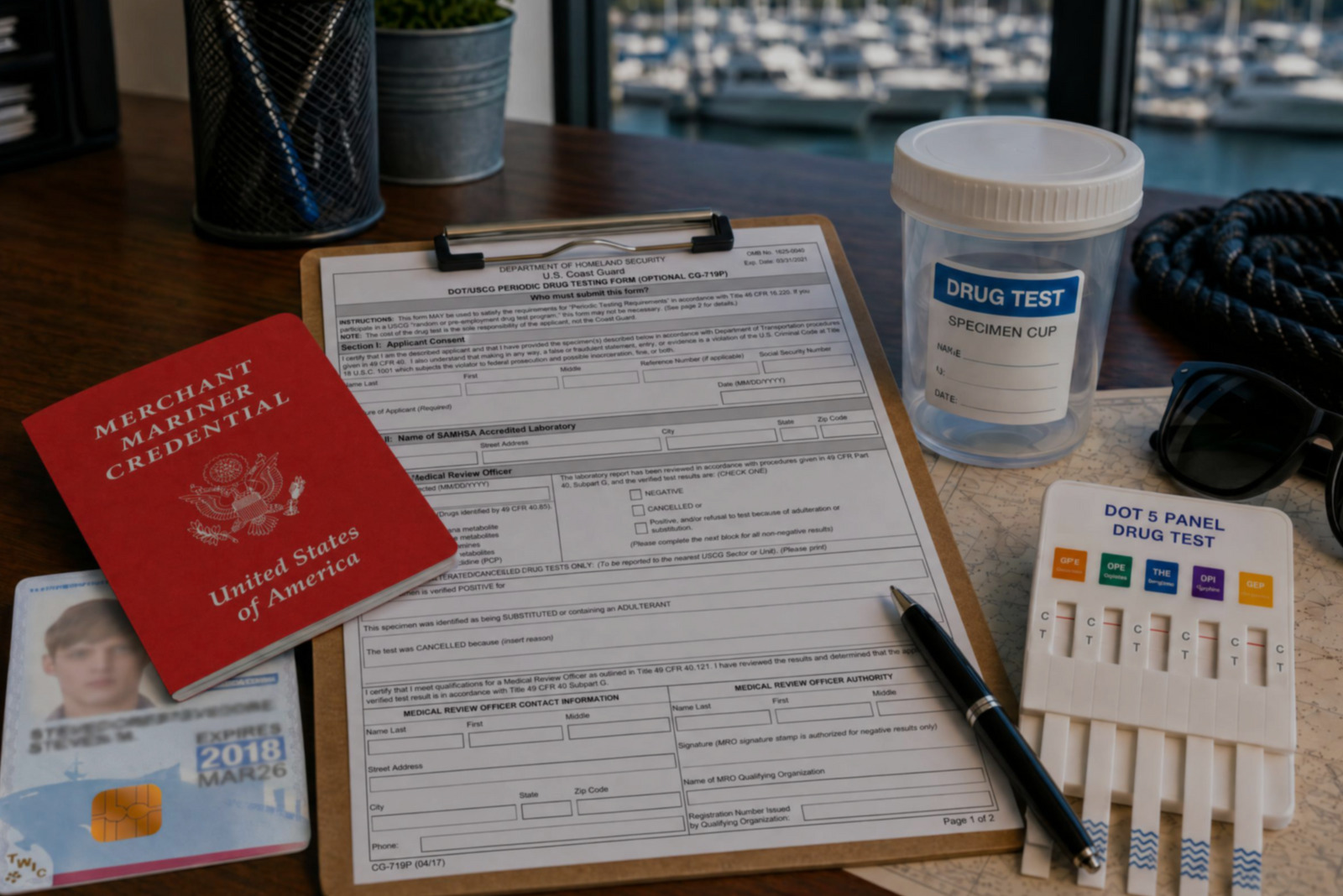

Discover the three types of drug tests working captains must submit to even after they’ve met the initial USCG drug testing requirements for their license.
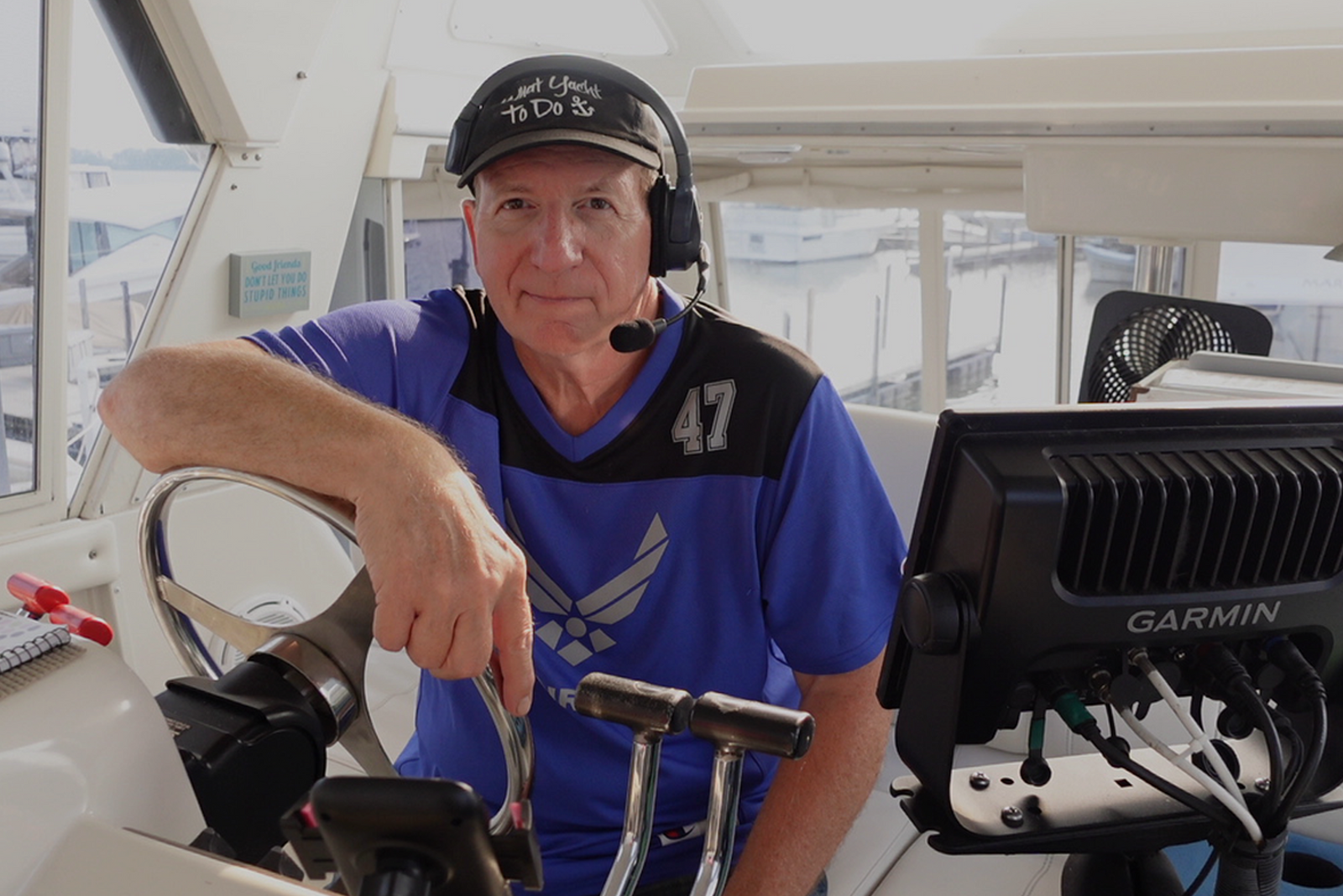

Discover how a retired airline pilot became obsessed with the Great Loop and built a thriving captain training business through Mariners Learning System.


Learn which substances the MMC drug test looks for, plus how masking agents and false positives factor in.


Discover the five most common mistakes mariners make on the captain’s license physical, plus a checklist for how to avoid them.
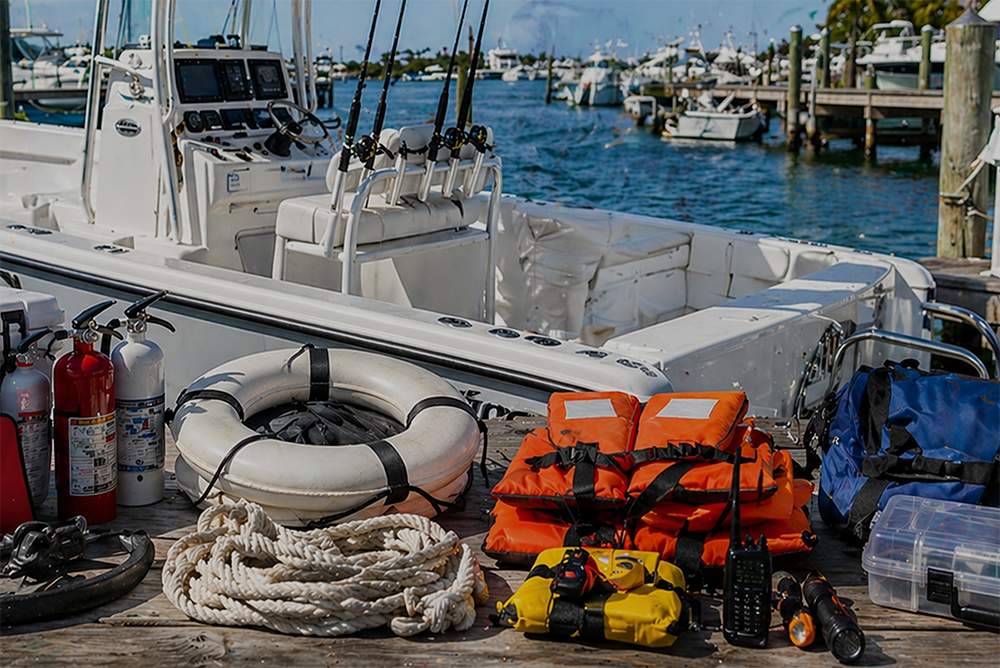

Discover why so many charter captains run out of money and how to plan every startup cost from your vessel purchase to guest-ready outfitting.

Learn how to build a charter business plan that covers pricing, expenses, and marketing so your captain’s license leads to lasting profit.

Transform how you talk about price with proven anchoring strategies and value-first framing that stops charter guests from shopping around.

Discover how charter captains use hybrid pricing models and seasonal adjustments to increase revenue and simplify bookings for every guest type.