

Meet Navi: Your 24/7 AI Instructor Inside the MLS Classroom
Unlock 24/7 access to Navi, an AI instructor trained on MLS course material, so you can ask questions, run practice quizzes, and nail your captain’s exam.


Two families board your boat for the same dolphin tour. One family asks questions about marine biology. The other sits quietly, taking photos.
Understanding what your guests actually want, not what they booked, determines whether they leave satisfied or disappointed. Reading these preferences helps you deliver experiences that feel personalized without customizing every trip.

Customer preferences run deeper than “fishing” or “sightseeing.” They shape how guests interpret every aspect of your service.
Some guests want education. They lean forward during narration, ask follow-up questions, and bring binoculars. They measure success by what they learned.
Others seek relaxation. They want gentle commentary, comfortable seating, and smooth water. Too much talking ruins their peaceful escape.
Adventure seekers need action. They want to drive the boat, feel the spray, and have stories to tell. Slow pacing frustrates them.
Celebration groups prioritize ambiance. They care about photos, flexibility, and creating memories around their special occasion. Rigid schedules conflict with their festive mood.
Structure versus spontaneity divides many groups. Some guests relax when they know the exact timeline and route. Others feel confined by too much planning.
Captain Paul noticed patterns in his booking messages. Guests who asked detailed questions about timing preferred structured trips. Those who said “just show us cool stuff” wanted flexibility.
Interactive versus observational preferences affect engagement. Some guests want to help with lines, hear every story, and participate actively. Others prefer watching quietly from comfortable seats.
Clear communication preferences vary. Some guests want detailed instructions about parking, weather, and what to bring. Others find too many messages annoying.
Safety visibility matters differently to different people. Nervous first-timers relax when they see life jackets, radios, and professional equipment prominently displayed. Experienced boaters might view the same displays as overselling.
Captain Maria learned that guests who arrived 20 minutes early and asked about weather conditions needed extra reassurance. Those strolling up at departure time wanted efficiency, not hand-holding.
How people book tells you what they value. Advance planners who book weeks ahead appreciate confirmation emails and preparation tips. Last-minute bookers want simplicity and availability.
Price-focused shoppers who compare multiple operators care about value transparency. Experience-focused buyers who choose based on reviews and photos care about quality details.
Group decision-makers need different support than solo bookers. The person coordinating friends needs help managing logistics, while the individual booking alone wants personal attention.
Guests rarely state their preferences directly. They display them through actions and reactions.
Question patterns reveal priorities. Safety questions indicate nervous guests who need reassurance. Route questions suggest engaged guests wanting involvement. Logistics questions show organizers needing control.
Special request patterns matter, too. Guests who ask about bringing their own food prioritize comfort and familiarity. Those asking about wildlife guarantees have specific outcome expectations.
Captain Steve tracks inquiry patterns in his booking notes. Music requests signal party atmosphere expectations, shade questions indicate comfort concerns, and camera questions suggest photo priorities.
Body language speaks louder than words.
Forward-leaning posture shows engagement with narration. Crossed arms might indicate cold, discomfort, or disinterest.
Phone usage patterns reflect engagement levels. Constant texting suggests boredom or disconnection. Photo-taking shows investment in memories. Recording videos indicates story-sharing intentions.
Question timing matters. Immediate questions after each narration point show educational interest. Questions during quiet moments suggest a need for social connection. No questions doesn’t mean disinterest. Some guests process internally.
How guests leave tells you whether their preferences were met. Lingering to chat shows connection and satisfaction. Rushed departures might indicate relief to be done.
Tipping patterns reflect preference alignment. Generous tips often mean expectations were exceeded, standard tips suggest adequate service, and no tip might mean a mismatched experience.
Review language shows what mattered most. “Knowledgeable captain” indicates educational value. “Relaxing afternoon” shows ambiance success. “Kids loved it” confirms family-friendly delivery.
Reading preferences doesn’t mean running different trips for every guest. Small adjustments within your standard operation accommodate most needs.
Captain Linda uses the “sandwich” approach. She delivers core safety and route information to everyone. Optional details come between essential points, allowing natural tune-out moments.
For education-hungry groups, she expands stories and invites questions. For relaxation seekers, she shortens commentary and extends quiet periods. Same route, different rhythm.
Volume and positioning adjustments help, too: quieter delivery near contemplative guests, projected voice for engaged groups, moving closer to interested parties while others enjoy scenery, etc.
Photo stops can be extended or shortened depending on the group’s energy. Engaged photographers get extra time at wildlife sightings. Restless groups get quick pauses and keep moving.
Read the “fidget factor.” When guests start shifting positions frequently, speed transitions. When they settle into comfortable spots, extend peaceful moments.
Route flexibility within safety limits accommodates different energy levels. Taking the scenic loop for relaxed groups, and direct routing for efficiency-minded guests.
Offering choices respects different comfort levels. “Would anyone like to take the helm for a minute?” invites participation without forcing it.
Captain Rachel uses positioning strategically. Chatty guests near the helm for conversation. Quiet couples toward the bow for privacy. Families in the middle for easy supervision.
Eye contact patterns guide engagement. Guests who maintain eye contact want interaction. Those looking away prefer space. Reading these signals prevents awkward, forced conversation.
Mixed groups with competing preferences challenge every captain. Balance is an important skill.
Loud versus quiet preferences split many boats. Captain Jim starts trips socially, then gradually creates quiet zones. “The bow is perfect for those who want photos and quiet contemplation.”
Information seekers versus relaxation seekers need different timing. Structured narration moments followed by specified quiet periods satisfy both. “I’ll share some history at our three main stops, with peaceful cruising between.”
Active kids versus relaxing adults requires creative management. Captain Dawn brings junior captain certificates and simple tasks for kids while maintaining a calm ambiance for adults.
Not every preference can be accommodated. Professional captains redirect politely.
“We maintain a moderate volume so everyone can enjoy” addresses music battles. “Our insurance requires this specific route” handles demands for detours. “This pace works best for the full group” manages speed conflicts.
Captain Mark learned to use group dynamics positively. “Most folks prefer the structured approach, but I can add some flexibility at our photo stop,” acknowledges preferences while maintaining control.
Track customer preference patterns to improve your service.
Add a simple booking form to uncover preferences. Try asking, “What’s most important for your trip?” with checkboxes for education, relaxation, adventure, or celebration.
Post-trip surveys uncover unspoken preferences. “What was your favorite part?” and “What would you change?” provide insights outside of star ratings.
Update trip descriptions to set preference expectations. “Perfect for those seeking a peaceful escape with light narration” attracts relaxation seekers.
Adjust confirmation emails based on booking patterns. Detail-oriented bookers get comprehensive information, while last-minute bookers get essentials only.
Train crew to recognize preference signals. Teaching deckhands to read body language and adjust their interaction style improves overall satisfaction.
Use preference language in your marketing. “Comprehensive marine education” attracts knowledge seekers, while “serene sunset escapes” draws relaxation seekers.
Captain Angela separated her morning “Nature Discovery” tours from afternoon “Scenic Cruises.” Bookings increased 30% with clearer preference matching.
Photo selection matters, too. Action shots attract adventure seekers, peaceful sunset images draw romantic couples, and wildlife close-ups appeal to nature enthusiasts.
Build your awareness gradually. You don’t need to read every guest perfectly, but understanding broad patterns and responding professionally makes the difference.
Your charter experience becomes memorable when guests feel understood, not just transported.

Ask a question, share an experience, or add a helpful tip related to this article. Comments may appear after review to prevent spam.
Unlock 24/7 access to Navi, an AI instructor trained on MLS course material, so you can ask questions, run practice quizzes, and nail your captain’s exam.


Learn what questions to ask and how to prepare for a captain’s license drug test to ensure you avoid the most common application delays.
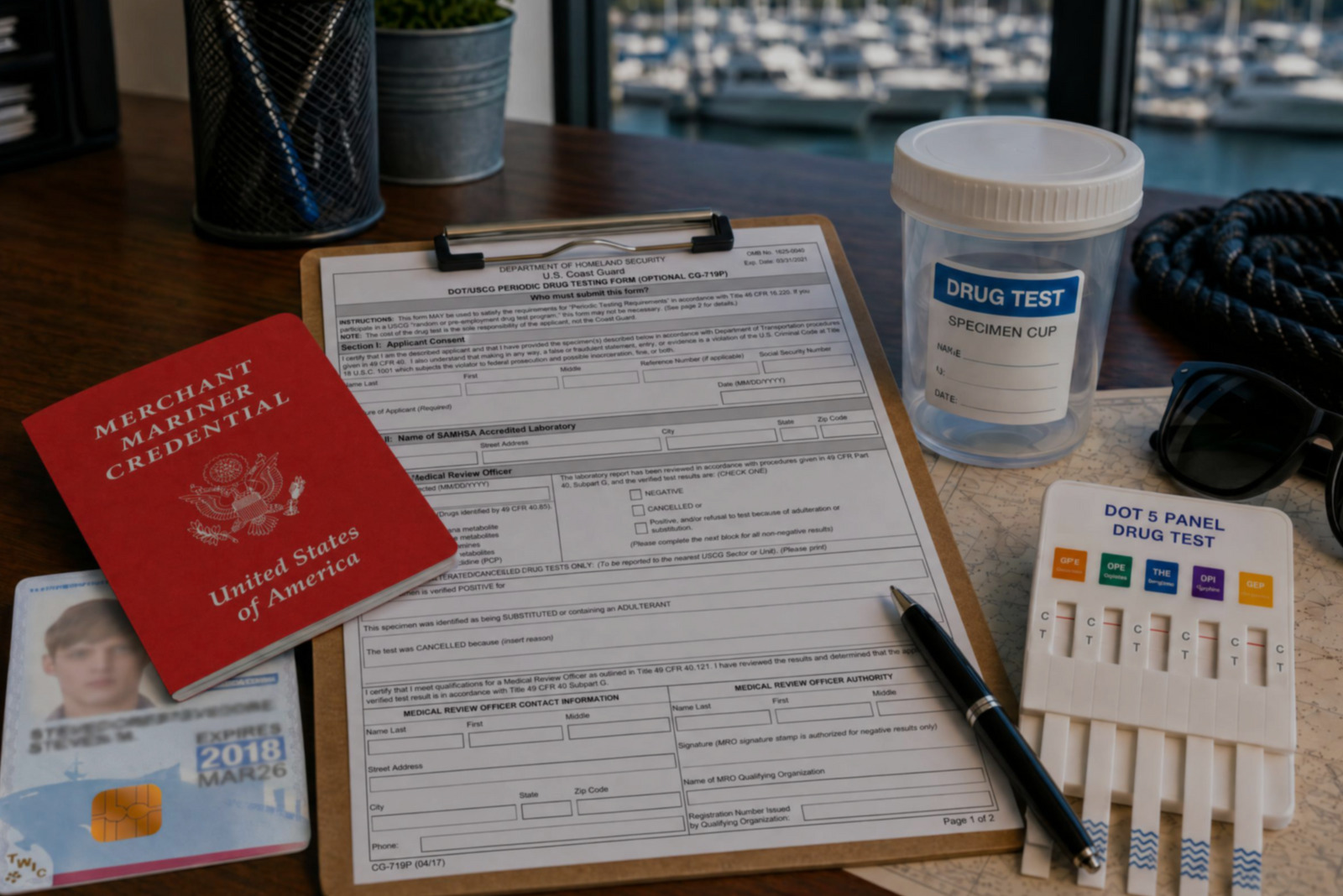

Discover the three types of drug tests working captains must submit to even after they’ve met the initial USCG drug testing requirements for their license.
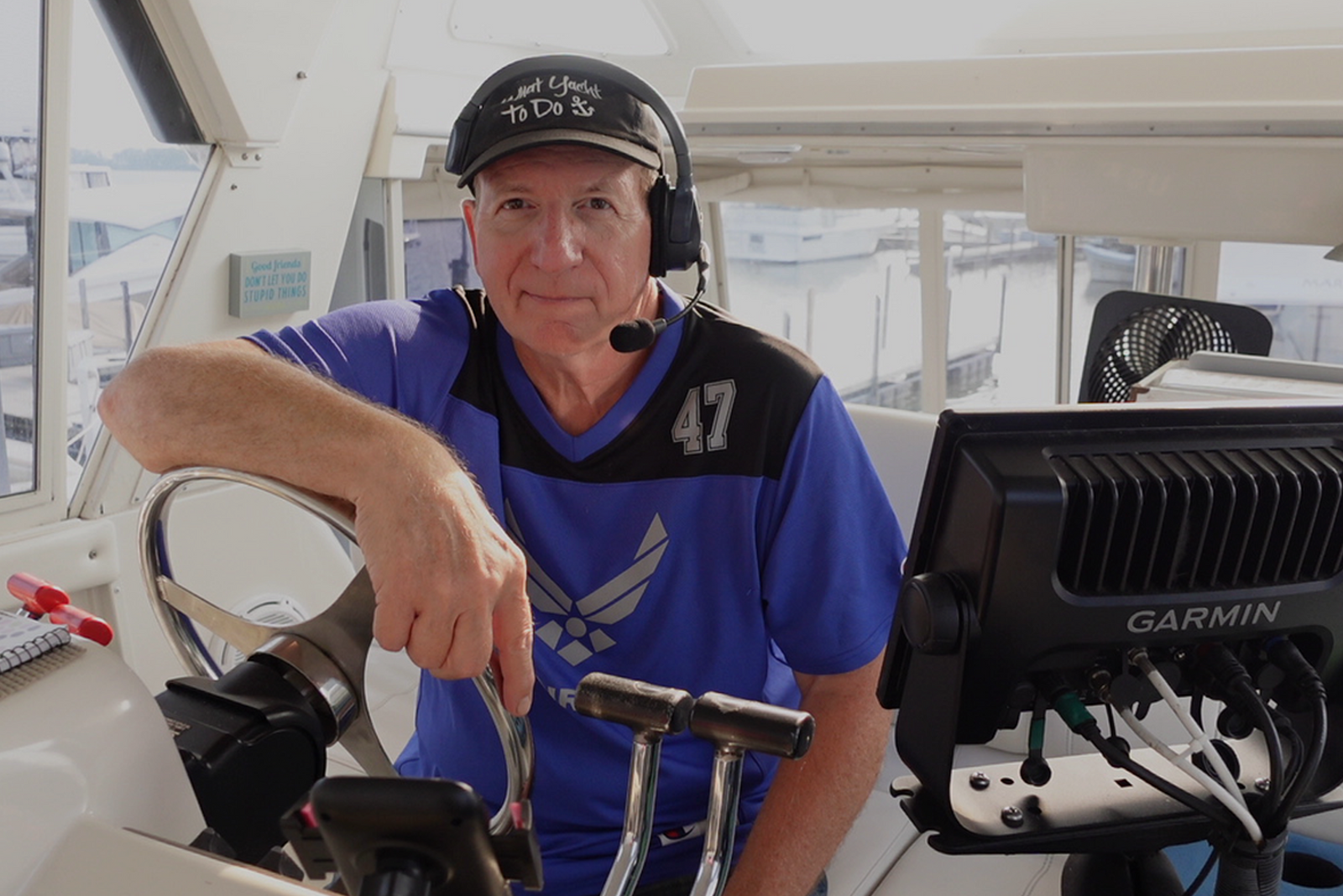

Discover how a retired airline pilot became obsessed with the Great Loop and built a thriving captain training business through Mariners Learning System.


Learn which substances the MMC drug test looks for, plus how masking agents and false positives factor in.


Discover the five most common mistakes mariners make on the captain’s license physical, plus a checklist for how to avoid them.
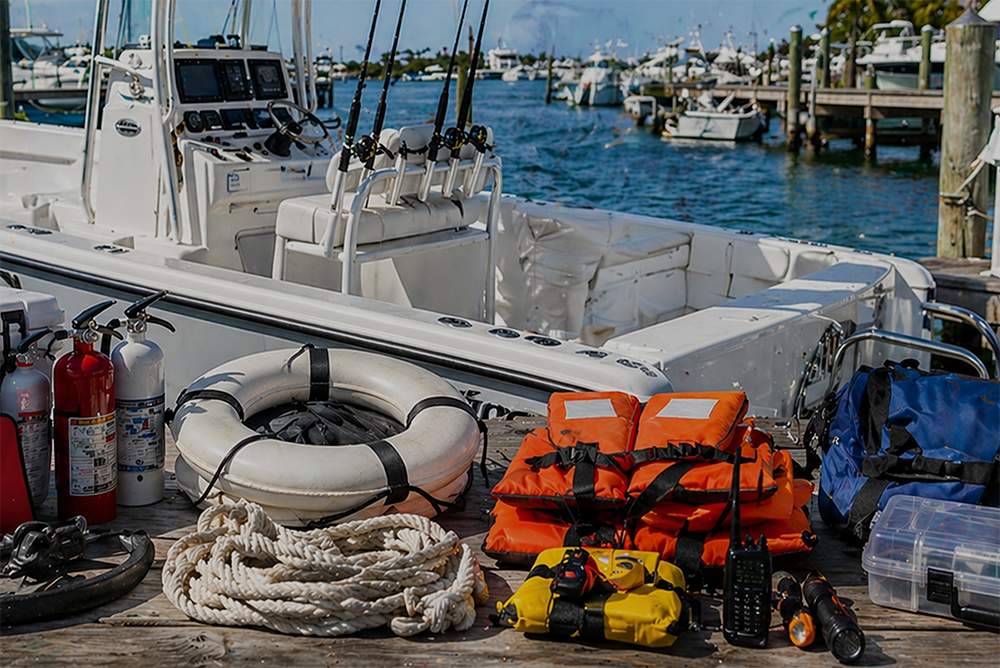

Discover why so many charter captains run out of money and how to plan every startup cost from your vessel purchase to guest-ready outfitting.

Learn how to build a charter business plan that covers pricing, expenses, and marketing so your captain’s license leads to lasting profit.

Transform how you talk about price with proven anchoring strategies and value-first framing that stops charter guests from shopping around.


Discover how charter captains use hybrid pricing models and seasonal adjustments to increase revenue and simplify bookings for every guest type.