

Meet Navi: Your 24/7 AI Instructor Inside the MLS Classroom
Unlock 24/7 access to Navi, an AI instructor trained on MLS course material, so you can ask questions, run practice quizzes, and nail your captain’s exam.


If you’re pursuing your captain’s license, you may be wondering, What is the difference between Inland, Near Coastal, and Great Lakes licenses?
Many people assume once they have a Six-Pack or Master captain’s license, they’re free to start a maritime business anywhere they like. But the truth is that your license type determines which waterways you can operate on commercially.
Both OUPV/Six-Pack licenses and Master’s licenses come in three versions: Inland, Near Coastal, and Great Lakes. Let’s break down what each one means and how to qualify.
The fundamental difference between Inland, Near Coastal, and Great Lakes licenses comes down to where you’re permitted to operate commercially, which is determined by where you accumulate your sea time.
Inland licenses (excluding the Great Lakes) authorize operations on protected waterways like lakes, rivers, bays, sounds, and other waters inside what the Coast Guard calls “the boundary line.” These are generally more protected waters, where conditions tend to be less severe than in the open ocean (though not always).
Near Coastal licenses permit operations outside the boundary line and into open ocean waters, as well as on inland waterways. For the East and West coasts, you generally cross the boundary line once you go outside the inlet, though this isn’t true in all cases.
Great Lakes licenses allow operations on the Great Lakes and other inland waterways. They also come with a unique advantage not everyone knows about: One day of sea time on the Great Lakes is equivalent to one day in the ocean, which can help you earn a Near Coastal with Great Lakes license.


The OUPV/Six-Pack license comes in three variations, each with specific sea time requirements. In all cases, however, experience before age 16 doesn’t count, and at least 90 days of your total sea time must be from within the last three years.
An OUPV Inland license allows you to take up to six paying passengers on uninspected vessels operating in inland waterways. This includes lakes, rivers, bays, sounds, and waters inside the U.S. boundary lines, but not the Great Lakes.
To qualify for an Inland Six-Pack license, all 360 days of your required sea time will come from inland waters. You don’t need any ocean or Great Lakes experience for this license type.
The OUPV Near Coastal license authorizes operations both in inland waters and up to 100 miles offshore.
To qualify for a Near Coastal Six-Pack license, you need 360 days of experience, 90 of which must be from beyond the boundary line.
Because the Coast Guard considers one day on the Great Lakes as equivalent to one day on the ocean, this license type is unique. If you get 90 of your 360 days of sea time on the Great Lakes, you qualify to operate on the Great Lakes, inland waterways, and up to 100 miles offshore.
We’ve talked before about Master’s license types related to vessel tonnage, but each tonnage designation also has a further specification regarding waterways. Again, your experience only counts after age 16 and 90 days must be from the last three years.
In general, Master’s licenses follow the same pattern as Six-Pack licenses but with some important distinctions:
A Master Inland license authorizes operation of uninspected and inspected passenger vessels in inland waterways, excluding the Great Lakes.
The sea time requirements for Master Inland licenses are the same as for a Six-Pack license (360 days on inland waters), except part of that experience must be on a vessel that meets the tonnage requirements of the license you’re pursuing.
A Master Near Coastal license opens the most doors for broader maritime business. This license authorizes operations both on inland waters and up to 200 miles offshore in inspected vessels. For uninspected vessels, however, the Near Coastal limit remains 100 miles offshore.
To qualify for a Master Near Coastal license, you need 720 days of sea time beyond the boundary line or on the Great Lakes, though the Coast Guard allows you to substitute 360 days of that time with inland experience. Again, a portion of your time must be on vessels of the tonnage level license you’re pursuing.
The Master Great Lakes license authorizes operations on the Great Lakes system and other inland waterways, requiring 360 days of experience total, with 90 on the Great Lakes.
The Master Great Lakes license doesn’t require nearly as much sea time as the Master Near Coastal license, so the two aren’t quite as synced as the OUPV versions. However, if you accumulate enough experience on the Great Lakes over time, you’ll be able to apply for an upgrade to a Near Coastal license as well.
The U.S. boundary line generally follows the coastline, crossing the mouths of bays, rivers, and inlets, with International Rules applying on the seaward side and Inland Rules applying on the landward side.
Mariners are sometimes surprised to learn that certain seemingly challenging waters are classified as “inland” by the Coast Guard because of where the boundary line falls. For instance, Long Island Sound and Chesapeake Bay, despite their size and commercial traffic, are considered inland waterways.
Boating from areas that border the Gulf — like Texas and Louisiana — can be tricky as well, since the boundary line here lies a whopping 12 nautical miles offshore.
So, if all your boating experience has been on the Long Island Sound or near the Texas coast, you’ll qualify for an Inland license even though those waters can be quite demanding.
If you’re planning for a Near Coastal license, I recommend double-checking the particular waters you have experience on to ensure your sea time is truly outside the boundary line.
Now that you’re clear on the difference between Inland, Near Coastal, and Great Lakes licenses, all that remains is to consider your intended operations.
Want to run a 75-foot dinner cruise vessel along the Mississippi? You’ll need a 100-ton Inland Master’s license.
Basing your business on a river in Florida? An Inland license may be all you need — but if you plan to expand, it might be smart to qualify for Near Coastal from the start.
The sea time requirements are the determining factor, so focus on accurately documenting your experience and understanding which waters qualify for each license type.
Ask a question, share an experience, or add a helpful tip related to this article. Comments may appear after review to prevent spam.
Unlock 24/7 access to Navi, an AI instructor trained on MLS course material, so you can ask questions, run practice quizzes, and nail your captain’s exam.


Learn what questions to ask and how to prepare for a captain’s license drug test to ensure you avoid the most common application delays.
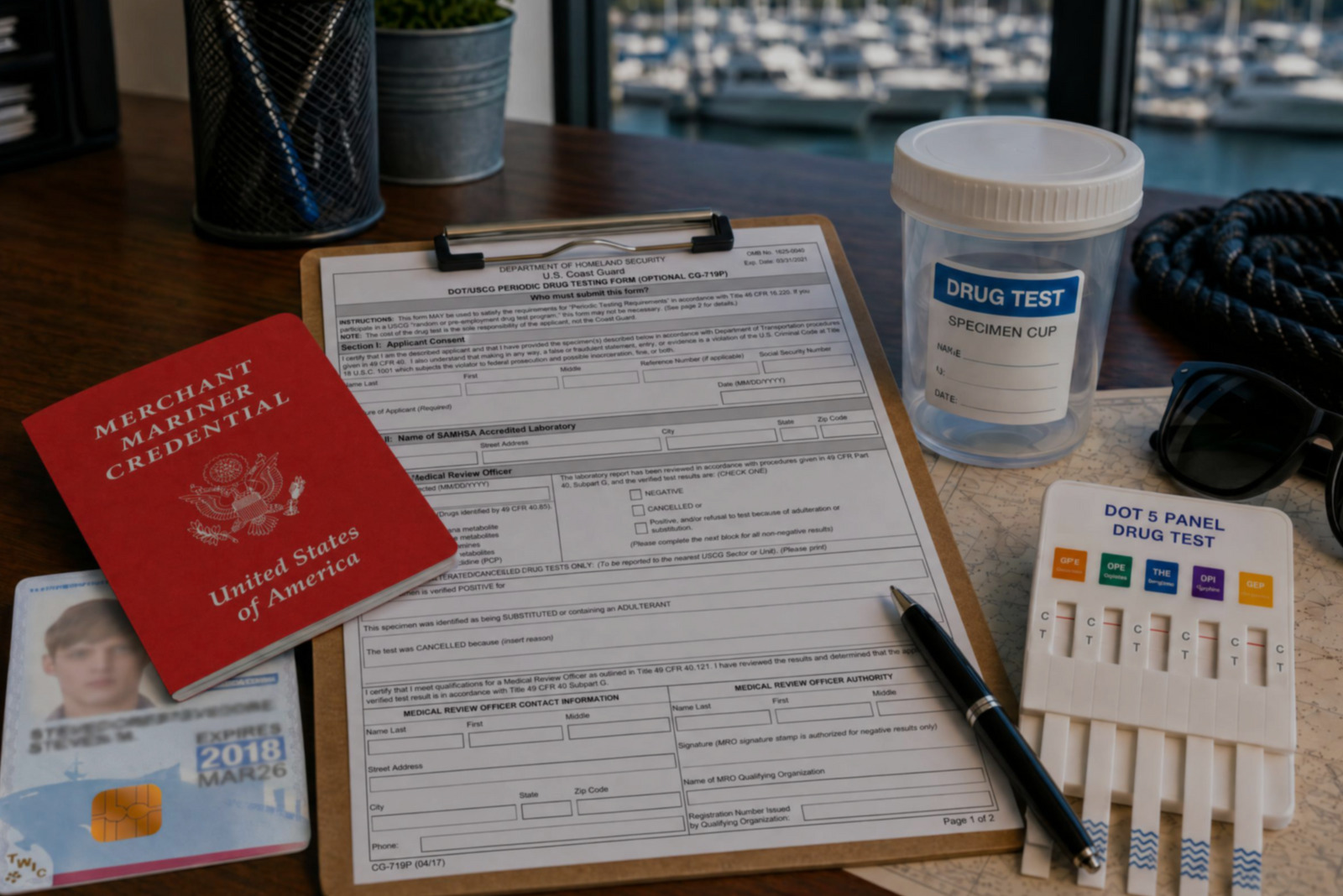

Discover the three types of drug tests working captains must submit to even after they’ve met the initial USCG drug testing requirements for their license.
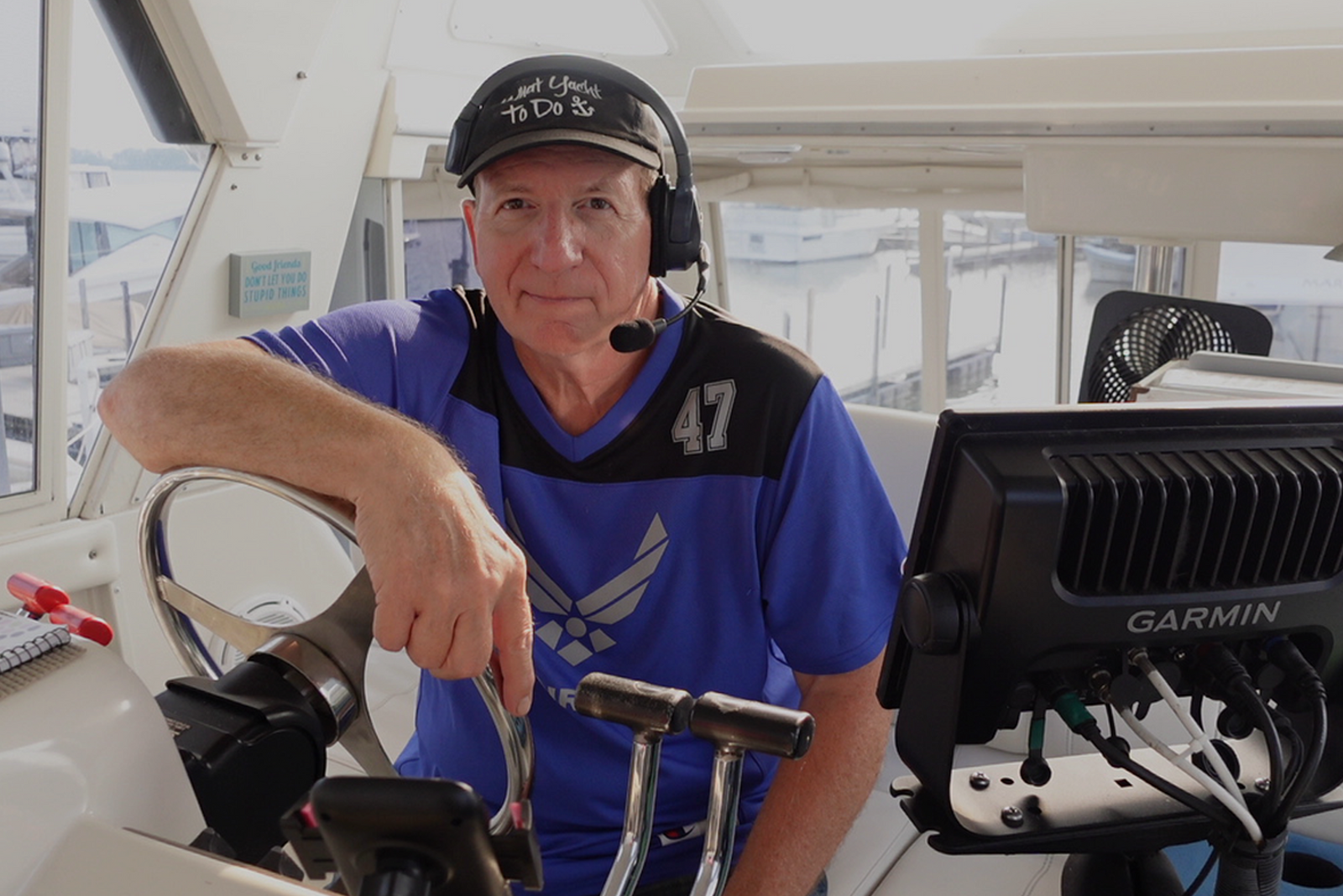

Discover how a retired airline pilot became obsessed with the Great Loop and built a thriving captain training business through Mariners Learning System.


Learn which substances the MMC drug test looks for, plus how masking agents and false positives factor in.


Discover the five most common mistakes mariners make on the captain’s license physical, plus a checklist for how to avoid them.
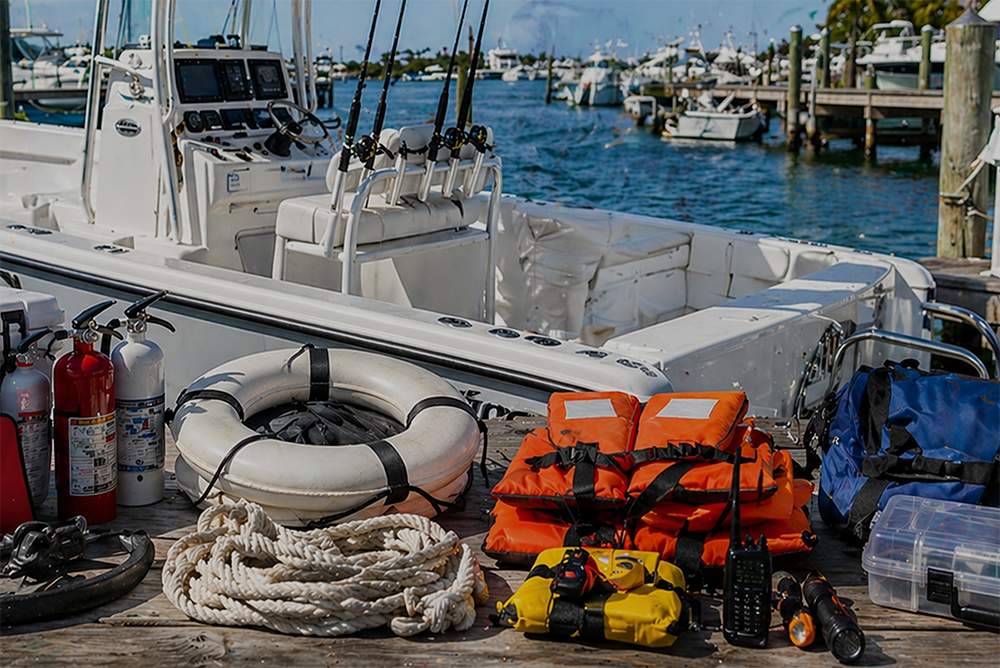

Discover why so many charter captains run out of money and how to plan every startup cost from your vessel purchase to guest-ready outfitting.

Learn how to build a charter business plan that covers pricing, expenses, and marketing so your captain’s license leads to lasting profit.

Transform how you talk about price with proven anchoring strategies and value-first framing that stops charter guests from shopping around.

Discover how charter captains use hybrid pricing models and seasonal adjustments to increase revenue and simplify bookings for every guest type.