

Meet Navi: Your 24/7 AI Instructor Inside the MLS Classroom
Unlock 24/7 access to Navi, an AI instructor trained on MLS course material, so you can ask questions, run practice quizzes, and nail your captain’s exam.


You just accepted a bachelor party booking for your wildlife eco tour. Halfway through the trip, the cooler comes out, the music starts blasting, and your other guests, a retired couple and a family with young kids, look uncomfortable.
This scenario plays out more often than captains want to admit. The problem isn’t the bachelor party or the eco tour. It’s the mismatch between what you offer and who shows up.
Building a successful charter business means knowing who you serve best. Not everyone who can pay for your trip should be on your boat.
When you try to appeal to every customer, your business becomes harder to run.
Your marketing messages become generic. Your trips lack focus. Your reviews swing between five stars and two stars, depending on who showed up that day.
Captain Mike learned this lesson after accepting a party group on his nature tour. The group wanted loud music and drinks. His regular wildlife-watching guests wanted quiet observation time. Nobody left happy, and the resulting two-star review mentioned “confused trip purpose.”
The clearest sign of an undefined customer base shows up in your inquiries. You’ll field questions ranging from “Can we bring our own DJ?” to “Will my 85-year-old mother be comfortable?” for the same trip.
Your ideal clients share traits that go beyond demographics. They align with your vessel capabilities, operating style, and business goals.
Great-fit customers read your instructions before arriving. They show up on time without multiple reminder calls. They respect your safety briefing without eye rolls or arguments.
During the trip, they engage with the experience you’ve designed. Wildlife tour clients take photos and ask questions about birds. Sunset cruise guests settle into the ambiance without demanding route changes.
After the trip, they thank you genuinely, tip appropriately, and leave reviews that accurately describe what you delivered.
Pay attention to how your best customers find and book with you. Do they come through specific referral sources? Do they book weeks in advance or last minute?
Captain Sarah noticed her happiest customers all booked at least five days ahead. They asked thoughtful questions about what to expect and mentioned specific aspects of her trip description that appealed to them.
The rushed, price-shopping callers who negotiated rates rarely became satisfied customers. They often arrived with expectations different from those she advertised.
Different trip types attract different personalities. Understanding these patterns helps you design better experiences and set clearer boundaries.

Saying no to mismatched bookings feels uncomfortable at first. You might worry about lost revenue or negative feedback. But every wrong-fit customer you accept risks your reputation with right-fit customers.
Captain Joe runs family-friendly morning tours. When a group inquiry mentioned “pre-gaming” for a concert, he politely explained his tour focus and suggested another operator. The group appreciated his honesty, and he avoided a situation that would have upset his regular families.
Professional boundary-setting sounds like this: “Based on what you’re looking for, my trip might not be the best match. Let me refer you to Captain Lisa. She specializes in that kind of experience.”
A single ideal customer brings value beyond their first booking.
They return for annual trips. They bring visiting friends and family. They post photos that attract similar customers. They become your unpaid marketing team through authentic recommendations.
Captain Amy tracked one customer’s impact over three years. The initial $400 sunset cruise led to five direct referrals, two corporate bookings, and four repeat trips. Total value: over $6,000 from one satisfied customer who perfectly matched her service.
Meanwhile, the discounted party group she accepted to “fill seats” never returned. Their friends who called all wanted similar discounts. The time spent managing their expectations could have been spent cultivating ideal clients.
Build a clear picture of who you serve best. Give them a name and a story.
“David the Vacationer” books Captain Tom’s tours. He’s 45 and visiting with his wife and teenage kids. He values safety and local knowledge over luxury. He books through TripAdvisor after carefully reading reviews.
David arrives 15 minutes early with sunscreen already applied. He asks about local restaurants. He wants good photos but doesn’t need Instagram perfection. He tips 20% and mentions Tom’s tour to other hotel guests.
Every business decision becomes clearer when you ask: “Would David book this? Would this make David’s experience better?”
Watch for warning signs during initial contact. Protect your business by recognizing mismatches before they board.
Customers who immediately ask for exceptions to your policies rarely respect other boundaries. “Can we bring eight people on your Six-Pack?” becomes “Can we stay out an extra hour?” on the water.
Groups that can’t answer basic questions about their party signal problems ahead. “I’m not sure who’s coming” or “It’s a surprise for someone” often means mismatched expectations you can’t prepare for.
Extreme last-minute bookings deserve extra scrutiny. “We need a boat in 30 minutes” rarely comes from your ideal customer who plans and prepares.
Once you know who you serve best, adjust your operations to attract and delight them.
Update your trip descriptions to speak to their values. If families book most, mention “perfect for all ages” and “calm water routes.” If photographers are your sweet spot, highlight “golden hour lighting” and “stable platform for cameras.”
Price according to what your ideal clients will pay, not what bargain hunters demand. Captain Mike raised the price of his wildlife tour from $65 to $95. He lost the price shoppers but attracted serious nature enthusiasts who tipped better and rebooked regularly.
Design your schedule around their patterns. If your best clients are vacationing families, run morning trips when kids are wide awake. If couples book your sunsets, don’t dilute the romantic atmosphere with conflicting afternoon party cruises.
Defining your ideal client doesn’t limit your business. Rather, it helps you build a sustainable, enjoyable experience.
When you serve the right people consistently, your days become predictable. Your stress decreases. Your income stabilizes because satisfied customers create compound growth through referrals.
Start by reviewing your past ten bookings. Which three were joys? Which three created stress or disappointment?
Find the patterns. Build around the joys. Politely redirect the rest.

Ask a question, share an experience, or add a helpful tip related to this article. Comments may appear after review to prevent spam.
Unlock 24/7 access to Navi, an AI instructor trained on MLS course material, so you can ask questions, run practice quizzes, and nail your captain’s exam.


Learn what questions to ask and how to prepare for a captain’s license drug test to ensure you avoid the most common application delays.
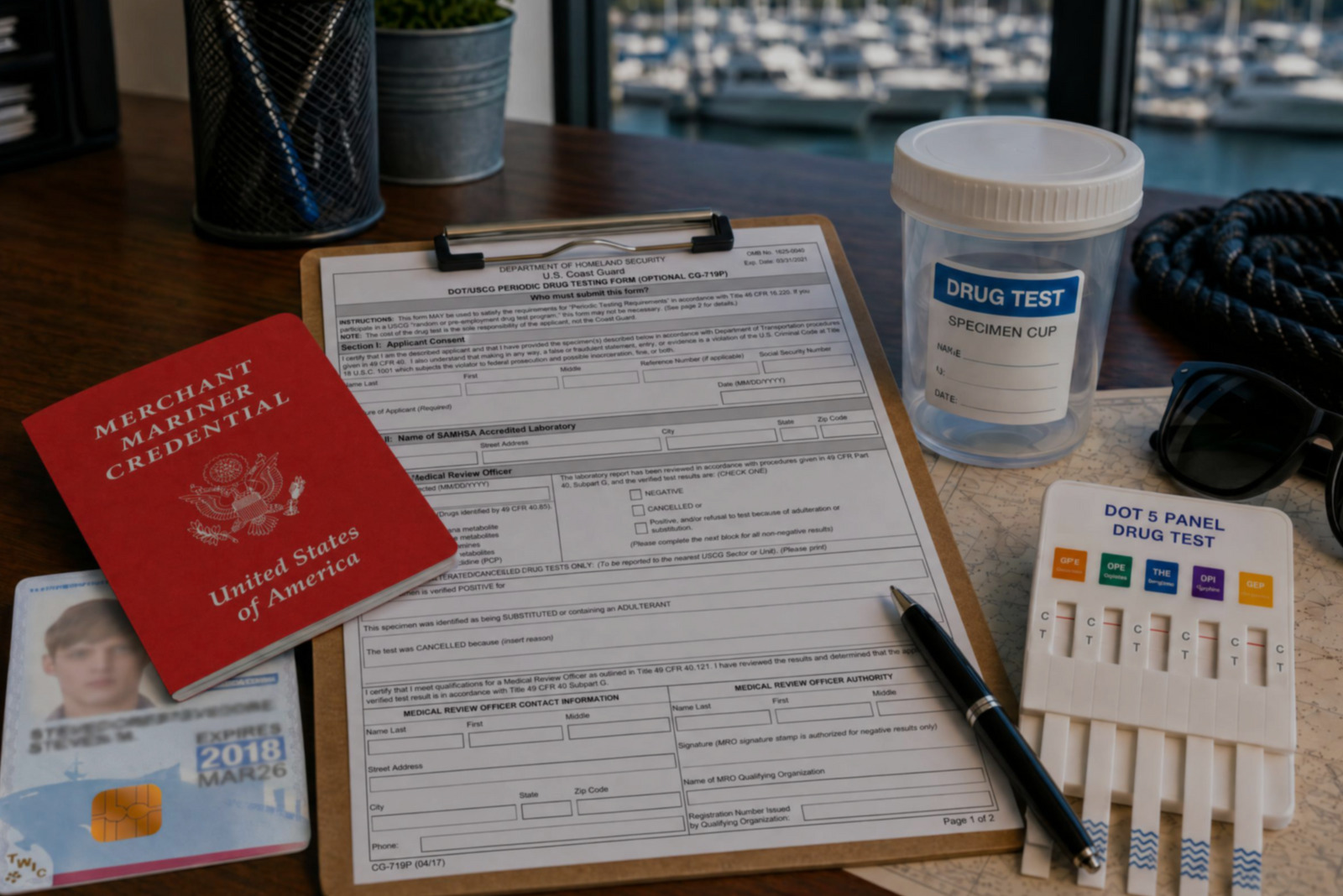

Discover the three types of drug tests working captains must submit to even after they’ve met the initial USCG drug testing requirements for their license.
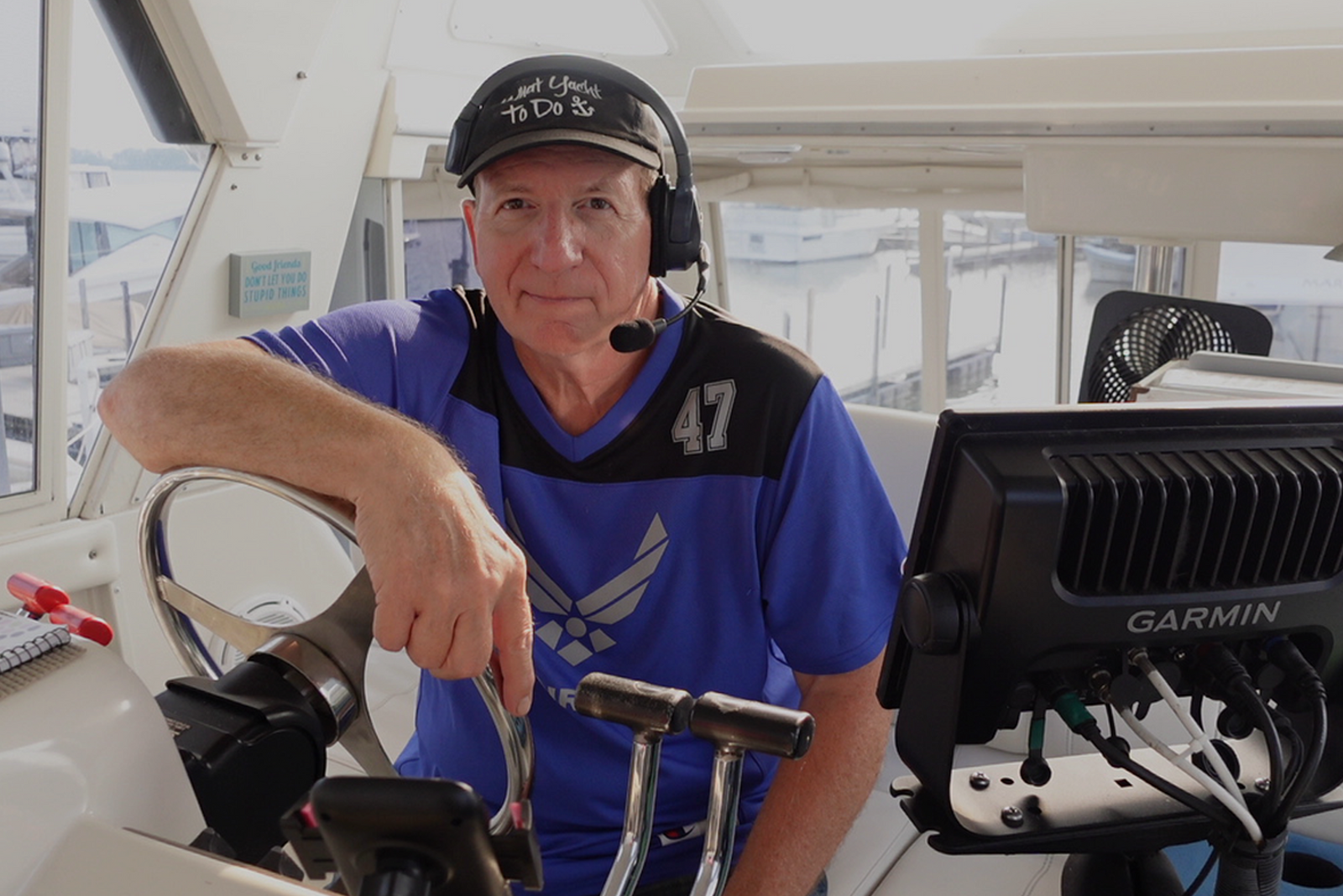

Discover how a retired airline pilot became obsessed with the Great Loop and built a thriving captain training business through Mariners Learning System.


Learn which substances the MMC drug test looks for, plus how masking agents and false positives factor in.


Discover the five most common mistakes mariners make on the captain’s license physical, plus a checklist for how to avoid them.
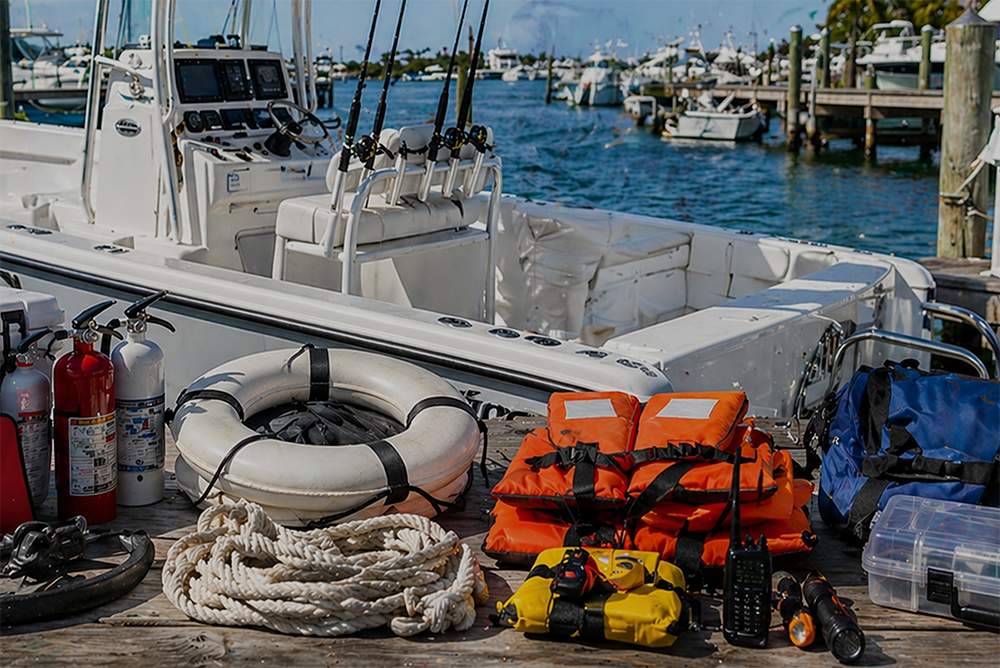

Discover why so many charter captains run out of money and how to plan every startup cost from your vessel purchase to guest-ready outfitting.


Learn how to build a charter business plan that covers pricing, expenses, and marketing so your captain’s license leads to lasting profit.


Transform how you talk about price with proven anchoring strategies and value-first framing that stops charter guests from shopping around.


Discover how charter captains use hybrid pricing models and seasonal adjustments to increase revenue and simplify bookings for every guest type.