

Meet Navi: Your 24/7 AI Instructor Inside the MLS Classroom
Unlock 24/7 access to Navi, an AI instructor trained on MLS course material, so you can ask questions, run practice quizzes, and nail your captain’s exam.

If you’re busy earning time on the water with plans to get your captain’s license, you need to make sure you’re logging experience for the type of license you actually want.
Too many mariners spend years getting time in places like the Chesapeake Bay, thinking they’re working toward a Near Coastal license, only to find out the Coast Guard considers those waters inland. Don’t let that be you.
So let’s get into the details: What constitutes inland versus near-coastal waters, and exactly what is the USCG boundary line?

To get started, let’s quickly review which licenses require near-coastal experience.
For this license, you’ll need 360 days total on the water, including at least 90 days outside the boundary line. This allows you to operate an uninspected vessel up to 100 miles offshore with up to six paying passengers.
For the Master’s, you’ll need 720 days total, with 360 of those days being outside the boundary line. In addition to the OUPV permissions, you’ll also be allowed to operate up to 200 miles offshore on an inspected vessel with more than six passengers.
If you don’t quite have the hours for a Master Near Coastal license but still want to operate outside the boundary line, the Coast Guard’s dual-purpose license may meet your need. You’ll earn a Master Inland license with 360 days on the water, but with 90 of those days outside the boundary line, you’ll also get an OUPV Near Coastal endorsement. You can then work at the Master’s level while inland and at the OUPV level on the ocean.
For those in the Midwest, getting time in the ocean can prove difficult. Fortunately, the Coast Guard now recognizes one day on the Great Lakes as equal to one day in near-coastal waters.
If you earn 360 days sea time, with 90 of those days on the Great Lakes, the Coast Guard will issue you an OUPV/Six-Pack Near Coastal license with a Great Lakes endorsement. You’ll be able to take up to six paying passengers on an uninspected vessel out on all U.S. inland and Great Lakes waterways, plus up to 100 nautical miles outside the boundary line.
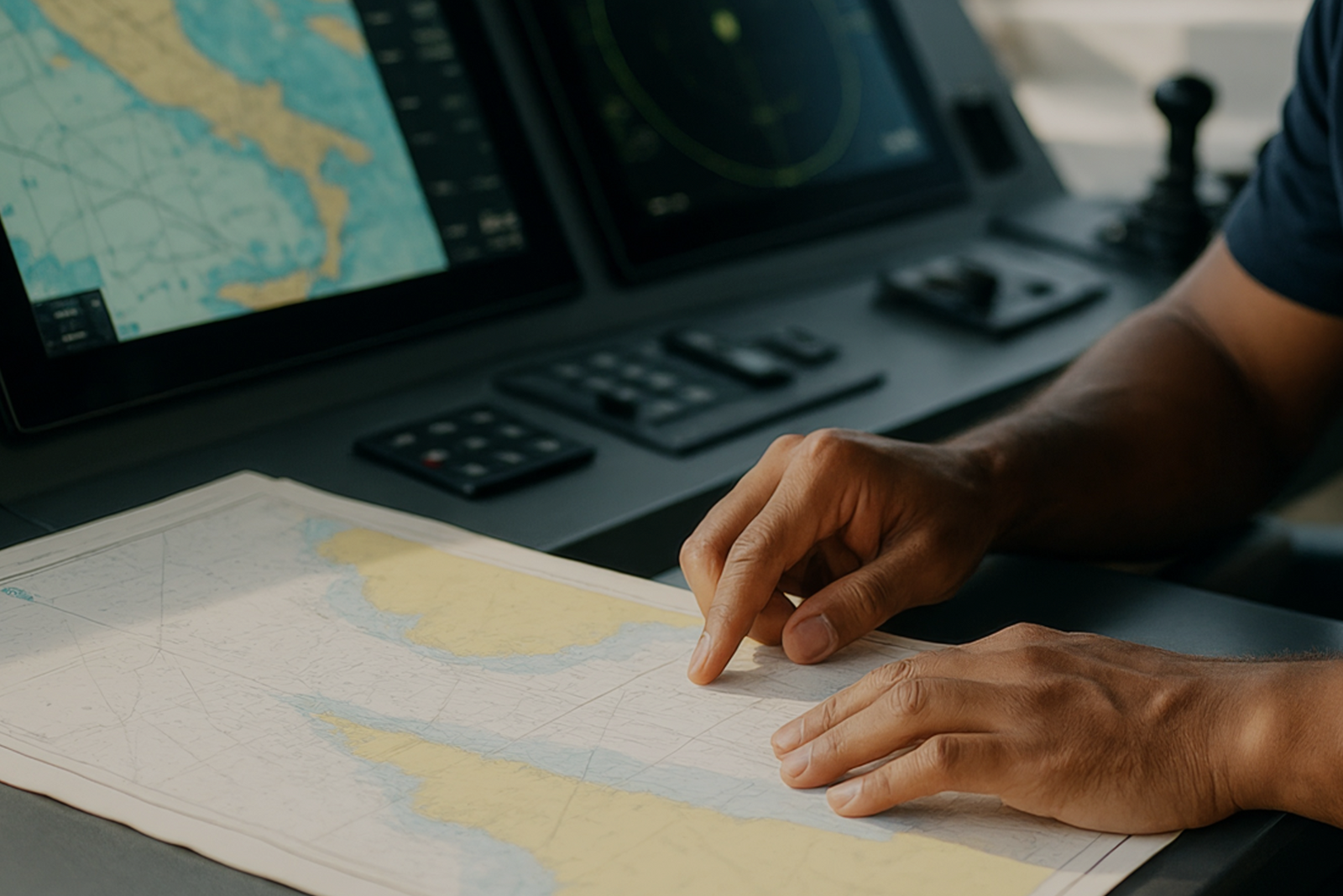
The US Coast Guard boundary line is an imaginary line that separates inland waters from near-coastal (ocean) waters. It’s not a physical line you can see, and there are often no buoys marking it. It does show up on nautical charts, however, and it also determines what type of license you need and where you’re allowed to operate.
The USCG boundary line generally follows the coastline, crossing the mouths of bays, rivers, harbors, and inlets. Within it, mariners can legally operate with an Inland captain’s license. Beyond it, they need a Near Coastal license or endorsement.
The boundary line is different from the demarcation line, though the two overlap at times. The demarcation line determines whether mariners must follow Inland Navigation Rules (landward of the line) or International Rules (seaward of the line).
As a general statement, once you go outside an inlet and into the ocean on the East (Atlantic) and West (Pacific) coasts, you’ve crossed the boundary line. You’re now in near-coastal waters.
But that’s not always the case, which is where mariners can get tripped up.
Certain waters feel like ocean conditions, but they’re still classified as inland because of where the USCG boundary line falls.
Take the Long Island Sound, for example. I can tell you, I’ve been on the Sound and gotten my butt kicked as hard as any ocean I’ve been in. The same goes for the Chesapeake Bay. These are large bodies of water with commercial traffic, challenging conditions, and everything else you’d associate with serious boating.
But in the Coast Guard’s eyes, these are inland waters. So if that’s where you’ve spent all your time, you’re going to qualify for an Inland license, not a Near Coastal one.
If you’re aiming to earn your license in Texas, the Gulf presents another tricky situation. In those waters, the boundary line lies a full 12 nautical miles offshore. You could be several miles out, with salt water as far as the eye can see, but unless you go outside that boundary, you can’t count your outing as near-coastal experience.
On the flip side, however, any days accrued in international waters count as time outside the boundary line. So if you have experience sailing in the Caribbean, for instance, you can count that time on your application.

If you’re planning for a Near Coastal license, I strongly recommend double-checking the particular waters where you have or will have experience. Make sure your sea time is truly outside the USCG boundary line.
Take the time now to verify that your experience falls where you think it does. Check nautical charts. Understand where this crucial border falls in your specific area. Don’t assume challenging conditions mean you’re in near-coastal waters.
The USCG boundary line determines your license type. Don’t let a tricky detail like this stop you from getting the license you want.
Ask a question, share an experience, or add a helpful tip related to this article. Comments may appear after review to prevent spam.
Unlock 24/7 access to Navi, an AI instructor trained on MLS course material, so you can ask questions, run practice quizzes, and nail your captain’s exam.


Learn what questions to ask and how to prepare for a captain’s license drug test to ensure you avoid the most common application delays.
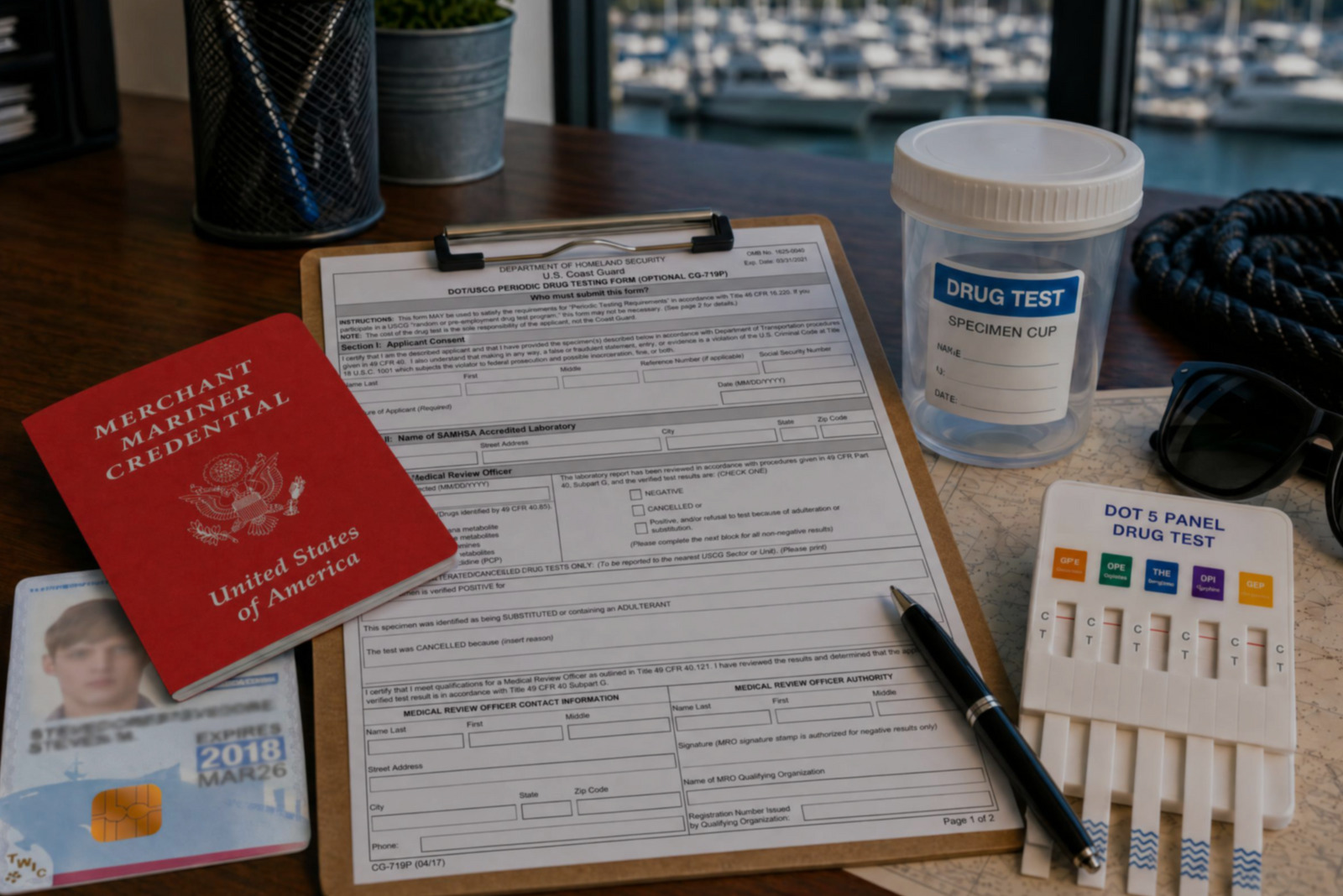

Discover the three types of drug tests working captains must submit to even after they’ve met the initial USCG drug testing requirements for their license.

Discover how a retired airline pilot became obsessed with the Great Loop and built a thriving captain training business through Mariners Learning System.


Learn which substances the MMC drug test looks for, plus how masking agents and false positives factor in.


Discover the five most common mistakes mariners make on the captain’s license physical, plus a checklist for how to avoid them.
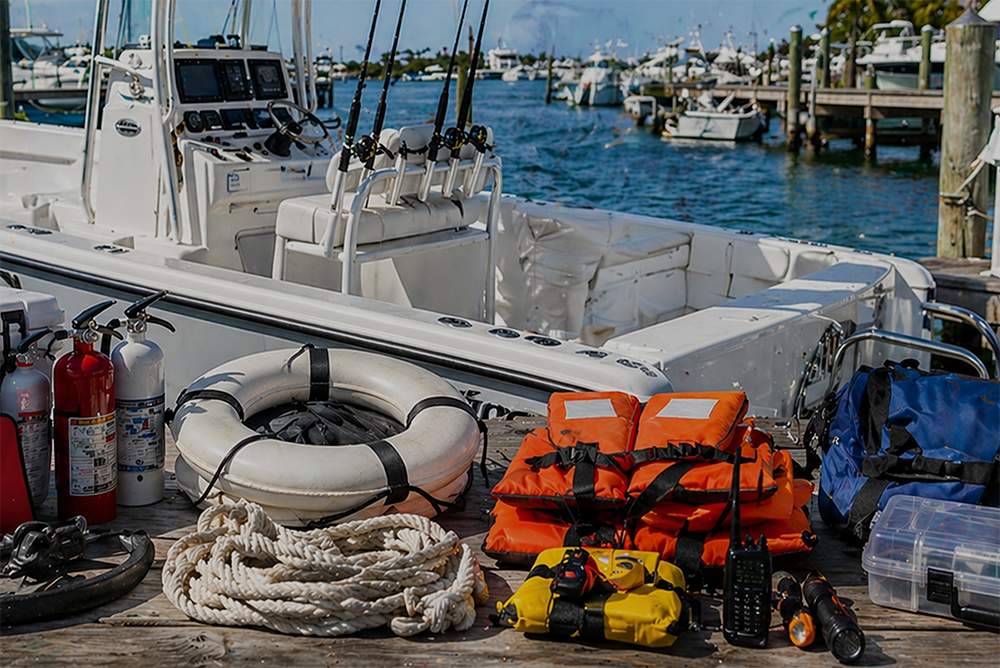

Discover why so many charter captains run out of money and how to plan every startup cost from your vessel purchase to guest-ready outfitting.

Learn how to build a charter business plan that covers pricing, expenses, and marketing so your captain’s license leads to lasting profit.

Transform how you talk about price with proven anchoring strategies and value-first framing that stops charter guests from shopping around.

Discover how charter captains use hybrid pricing models and seasonal adjustments to increase revenue and simplify bookings for every guest type.