

Meet Navi: Your 24/7 AI Instructor Inside the MLS Classroom
Unlock 24/7 access to Navi, an AI instructor trained on MLS course material, so you can ask questions, run practice quizzes, and nail your captain’s exam.
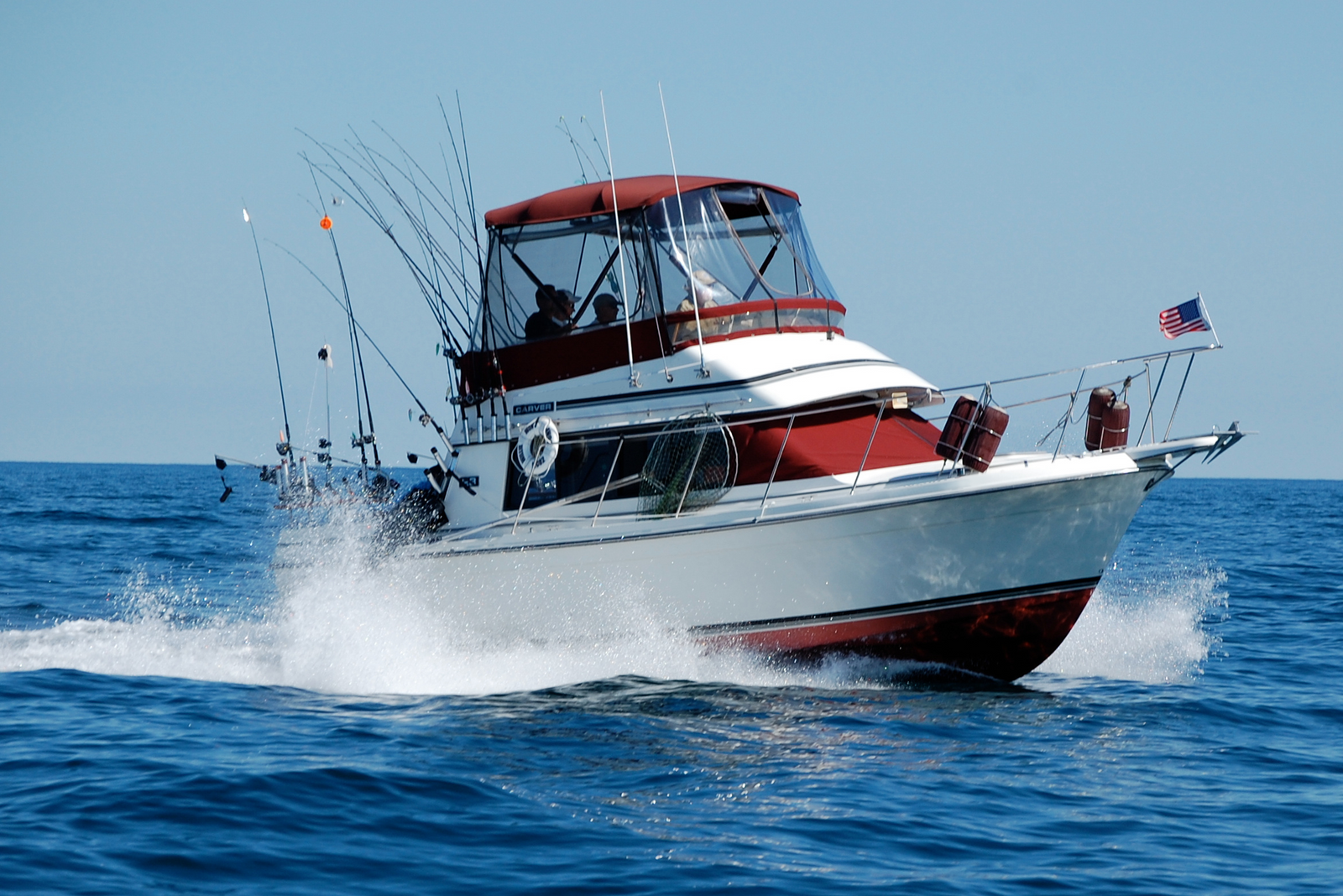

If you’ve looked into getting your Master Near Coastal license, you know the sea time needed for that particular captain’s license is rather daunting.
If you can fulfill it, amazing. But if you’re struggling, you have another option you may not have heard of: the dual-purpose captain’s license.
Here, I’ll break down the required sea time for this captain’s license and look at why so many of my Mariners Learning System students opt to take this route.
Let’s start with a quick, simplified review of general captain’s license sea time requirements, which depend on the level of license you’re pursuing and where you plan to operate. (If you’d like more details on the requirements and permissions of each license, visit my post on the differences between captain’s license types.)
Note: For all license types, the Coast Guard requires at least 90 days of your experience to have occurred within seven years of your application date to meet recency requirements.
As you can see, the Master Near Coastal license requires not only a significant amount of total sea time but also quadruple the amount of ocean time. Since this is understandably difficult for most mariners to accrue quickly, the Coast Guard’s dual-purpose license is an attractive option for many.

Not everyone has enough time or vessel access to gain 360 days of ocean experience in a reasonable period, especially if they’re not already in the maritime industry. Even after two and a half years of sailing around the world, I couldn’t claim 360 days of sea time!
For this reason, most Mariners students interested in near-coastal operations end up pursuing what’s called a dual-purpose license: a Master Inland license with an OUPV Near Coastal endorsement.
Here’s how it works. Students get their 360 days total on the water, and they make sure 90 of those days are outside the boundary line. After they complete their Master-level course and successfully apply, their dual-purpose license allows them to:
The dual-purpose license brings greater flexibility to operations, allowing captains to run large inland cruises as well as small ocean charters where desired.

Again, if you live in a coastal region with commercial opportunities on both inland and near-coastal waterways, the dual-purpose license is an excellent way to expand your earning possibilities.
Let’s say you’re in Florida operating large dinner cruises or sightseeing tours on inland waterways most of the time. But occasionally, you’d like to offer small fishing trips outside the boundary line.
Having a Master Inland license doesn’t allow you the flexibility to do ocean work. But the OUPV Near Coastal endorsement opens that door. You’re not locked into one type of operation, and you give yourself and your business room to grow.
As you run these smaller charters under the OUPV Near Coastal portion of your license, you’re accumulating time outside the boundary line. If desired, you can draw on this to eventually upgrade to a full Master Near Coastal license if that’s your goal. But in the meantime, you’re not limited to just inland operations.
The dual-purpose license still makes you a legitimate Master captain. You can market yourself as a licensed Master, giving you an edge among your competition.
If you’ve been hesitant to pursue a Master Near Coastal license because you didn’t have enough ocean experience, take another look at this dual-purpose option. The sea time requirements for this captain’s license are much more achievable for many people than jumping straight into the full Master Near Coastal license.
With just 360 days total and 90 days outside the boundary line, you can qualify for a license that offers real professional flexibility and greater earning potential.
Ask a question, share an experience, or add a helpful tip related to this article. Comments may appear after review to prevent spam.
Unlock 24/7 access to Navi, an AI instructor trained on MLS course material, so you can ask questions, run practice quizzes, and nail your captain’s exam.


Learn what questions to ask and how to prepare for a captain’s license drug test to ensure you avoid the most common application delays.
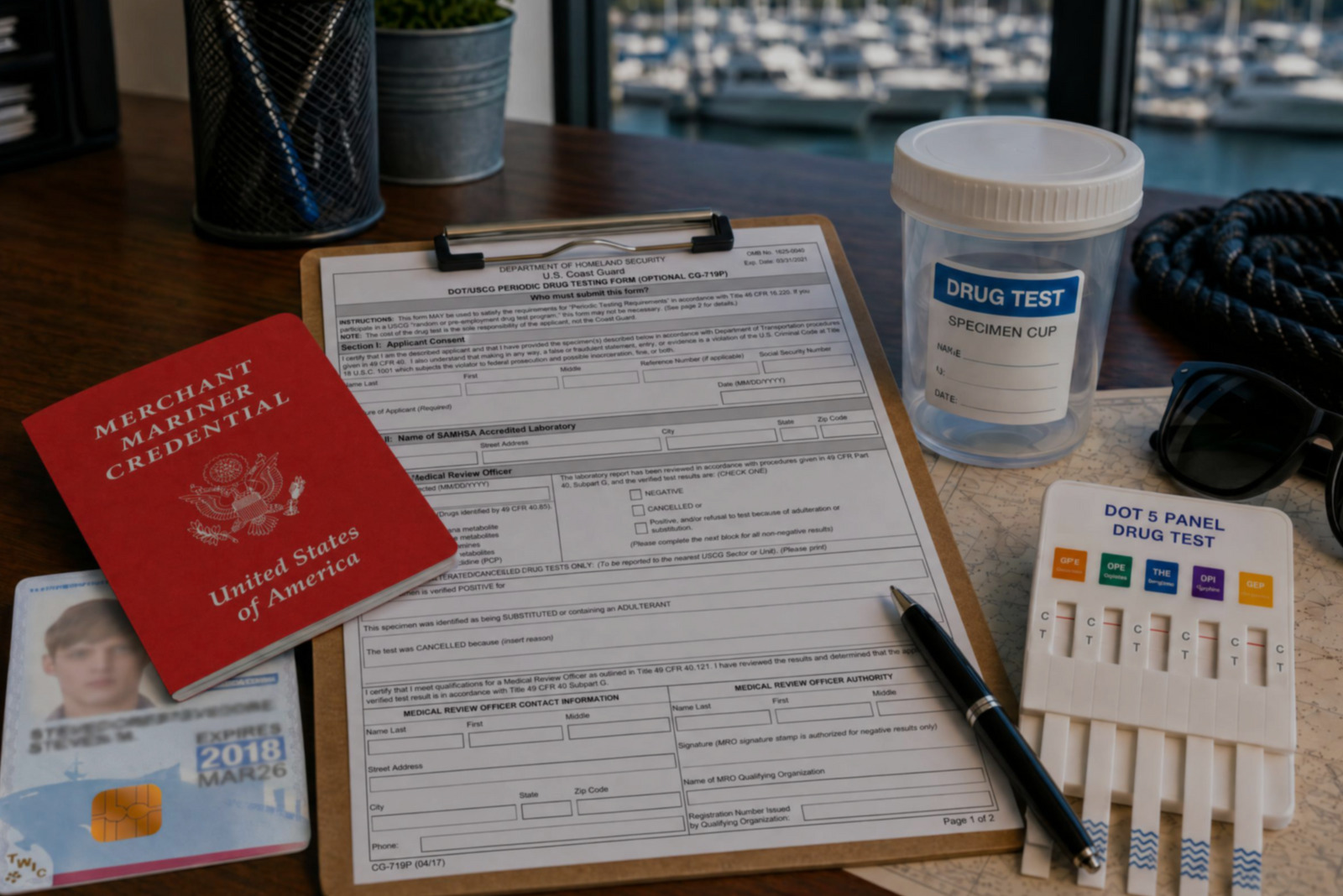

Discover the three types of drug tests working captains must submit to even after they’ve met the initial USCG drug testing requirements for their license.
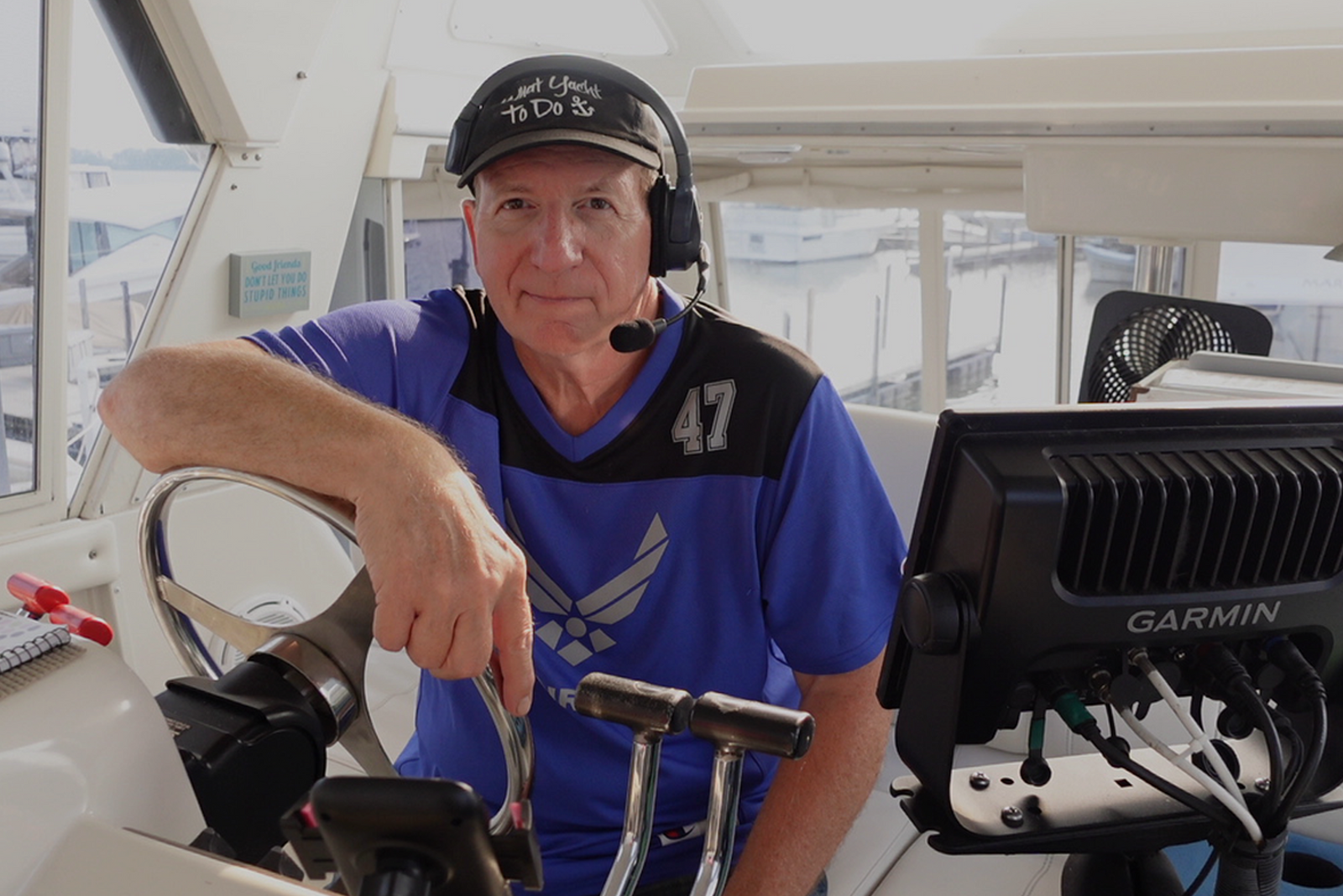

Discover how a retired airline pilot became obsessed with the Great Loop and built a thriving captain training business through Mariners Learning System.


Learn which substances the MMC drug test looks for, plus how masking agents and false positives factor in.


Discover the five most common mistakes mariners make on the captain’s license physical, plus a checklist for how to avoid them.

Discover why so many charter captains run out of money and how to plan every startup cost from your vessel purchase to guest-ready outfitting.

Learn how to build a charter business plan that covers pricing, expenses, and marketing so your captain’s license leads to lasting profit.

Transform how you talk about price with proven anchoring strategies and value-first framing that stops charter guests from shopping around.

Discover how charter captains use hybrid pricing models and seasonal adjustments to increase revenue and simplify bookings for every guest type.