

Meet Navi: Your 24/7 AI Instructor Inside the MLS Classroom
Unlock 24/7 access to Navi, an AI instructor trained on MLS course material, so you can ask questions, run practice quizzes, and nail your captain’s exam.
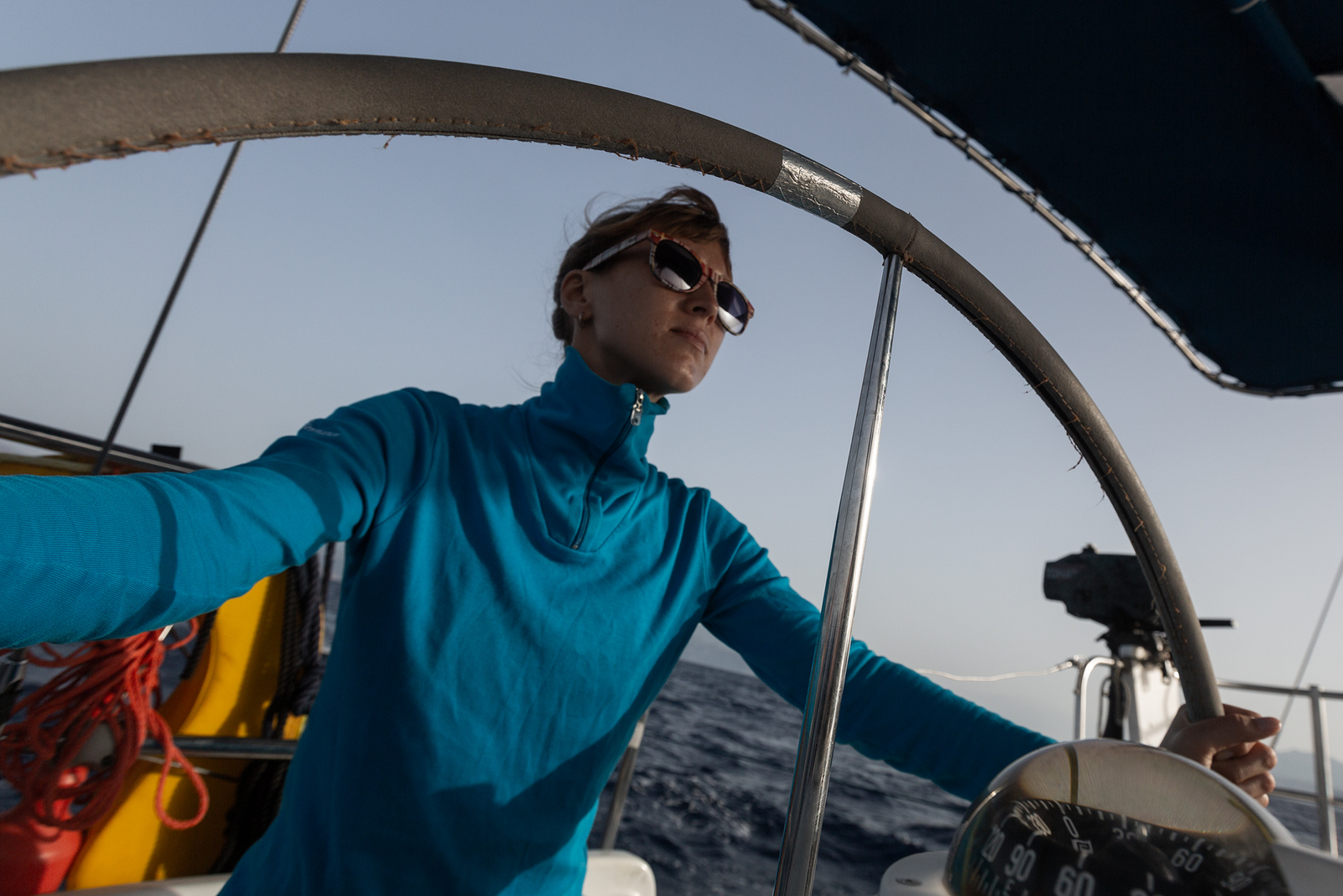

The maritime community is entering a new era, one where more people from more backgrounds are finding real opportunities to learn, grow, and lead on the water. And while women have often had to navigate extra barriers to take the helm, partnerships like the one between Mariners Learning System and the National Women’s Sailing Association (NWSA) are expanding access in meaningful ways.
Together, these organizations are helping aspiring captains build skills, gain confidence, and pursue credentials that make maritime careers more attainable than ever before — a mission that perfectly aligns with NWSA’s long history of education, access, and community on the water.

The National Women’s Sailing Association has been championing women in sailing for more than three decades. Founded in 1990 by Doris Colgate as the Women’s Sailing Foundation, the organization grew from a successful women’s sailing conference on the West Coast. When similar endeavors gained traction on the East Coast, the vision for a national organization took shape.
Today, NWSA’s mission is to enrich the lives of women of all ages through sailing by expanding education and access. The organization focuses on four main areas:
Over the years, NWSA has achieved significant milestones in advancing women’s participation in sailing. One of their cornerstone programs is the nearly annual Women’s Sailing Conference, where women have opportunities to be introduced to sailing and improve their existing skills. The conference’s “Take the Helm” course specifically focuses on getting beginners on the helm of a sailboat through hands-on, on-the-water instruction.
Another major initiative is AdventureSail, NWSA’s primary outreach program. Through partnerships with local women’s sailing organizations and community sailing centers, AdventureSail takes girls between ages 9 and 14 — girls who wouldn’t otherwise have the opportunity to try sailing — on their first sail. After completing the day sail, participants become eligible for a $500 scholarship to attend sailing camp or school.
NWSA also administers the NWSA/BoatUS Leadership in Women’s Sailing Award, which honors individuals — men or women — with a record of achievement in inspiring, educating, and enriching the lives of women through sailing. Established in 1999, this prestigious award has recognized leaders who have gone on to be inducted into the National Sailing Hall of Fame, including Doris Colgate, Sally Helm, Betsy Ellison, and Dawn Riley.
Women entering the sailing world often face challenges that aren’t as common for their male counterparts.
First is the issue of boat ownership. Currently, most sailboats are owned by men, and it can be difficult for women to receive invitations to participate on these vessels. Even when women do make it onboard, the boat owners tend to be the drivers, so opportunities to actually take the helm are very limited.
Second, there’s a persistent perception that women aren’t strong or agile enough for this rather physical sport. This stereotype can prevent others from taking women sailors seriously and even discourage women from attempting to learn.
Third is the challenge of education and experience. Women need the chance to learn about the sport in a comfortable setting. The NWSA consistently finds that women learn faster when taught by women, which is why the organization works hard to provide these environments through their annual in-person conferences and virtual sessions.
The challenges become even more pronounced for women seeking professional maritime careers. “For women to become involved in the maritime industry, they often need to be completely certified and credentialed,” explains NWSA president Debby Grimm. “It’s not as easy for women to walk in the door and get hired as a delivery captain without having that license,” she says — even when the license isn’t legally required.
Like all aspiring sailboat captains, women must log a certain number of hours offshore and on sailboats, record that time properly, fund their application, and complete required testing and exams. However, women often have less access to resources — like an actual sailboat — to accumulate the required hours. These barriers can be prohibitive for many women with maritime aspirations.
The power of NWSA’s programs is perhaps best illustrated through individual success stories. Take Destiny, who participated in an AdventureSail program this summer. She’d never been on a sailboat before, but enjoyed the experience so much that she immediately joined the Mattituck Yacht Club. Now, she’s taking the steps necessary to become a camp counselor.
“Learning to sail would be a beneficial survival skill,” Destiny shared, “but it also feels like a future.” For a young person to go from never setting foot on a sailboat to seeing sailing as a career path — all in the span of a single summer — demonstrates the transformative potential of accessible sailing education.

For women or girls who are curious about sailing but hesitant to start, NWSA offers straightforward guidance: Seek out a local women’s sailing association. Many of these organizations host socials and educational opportunities that provide a low-pressure way to meet other women interested in the sport.
Additionally, look for educational opportunities through community sailing centers, sailing schools, or yacht clubs. As confidence grows through knowledge and skill development, the joy in sailing naturally follows.
Recognizing the organization’s excellent network and commitment to women’s maritime education, Mariners Learning System reached out to NWSA to establish a partnership. Mariners administrates a scholarship program through NWSA that covers educational costs for women to earn their U.S. Coast Guard captain’s license.
Scholarship recipients are enrolled for free in a Mariners Learning System captain’s license course to complete their study and exam — a substantial cost savings for anyone seeking their captain’s license. After enrollment, they have a full year to complete this portion of their licensing, as well as access to all the expertise and support Mariners provides its students.
“Partnering with MLS was very natural,” Wyman shares. “It aligns specifically with our mission to enrich the lives of women of all ages through education and access to the sport of sailing.”
The response to the scholarship program has been enthusiastic. NWSA received 24 applications for eight scholarships, and each applicant had a compelling reason for seeking their license. Several were certified sailing instructors who wanted to obtain their captain’s license so they could teach sailing on boats with engines or start their own sailing school or charter business. Others were seeking commercial employment in positions that require licensure.
Importantly, each woman who receives a Mariners scholarship understands the need for women instructing and mentoring other women. These women come from different backgrounds, represent different age groups, and live all across the country. The scholarship impact is therefore expected to trickle down, creating a multiplier effect as newly licensed women captains inspire and train the next generation.
“This project showcases an upward trend of women who are pursuing professions in the maritime industry,” Wyman says. “It should serve as a model and challenge to other companies that are serious about narrowing the gender gap in our sport.”
The Mariners partnership represents more than just financial assistance. It’s a statement about the maritime industry’s future and a commitment to creating pathways for women who have historically been shut out.
The anticipated impact of this scholarship program extends far beyond the eight initial recipients. Simply carrying the title of an NWSA MLS scholarship recipient may open doors and prove merit for these women as they pursue maritime careers.
NWSA hopes to see women opening their own sailing schools and charter companies. They hope to see women being hired as captains for deliveries and local charter operations. These opportunities would provide income and stability as women grow their careers in the maritime industry.
Most importantly, this partnership demonstrates what’s possible when organizations align their missions toward a common goal. By removing financial barriers and providing access to quality education, Mariners Learning System and NWSA are creating a more inclusive maritime industry — one licensed woman captain at a time.
For women considering a career on the water, the message is clear: The barriers are coming down, the support is growing, and the opportunities are expanding. The path to earning a captain’s license is now more accessible than ever before.
And with programs like this partnership, the maritime community moves one step closer to a future where opportunity on the water is truly open to all.
Ask a question, share an experience, or add a helpful tip related to this article. Comments may appear after review to prevent spam.
Unlock 24/7 access to Navi, an AI instructor trained on MLS course material, so you can ask questions, run practice quizzes, and nail your captain’s exam.


Learn what questions to ask and how to prepare for a captain’s license drug test to ensure you avoid the most common application delays.
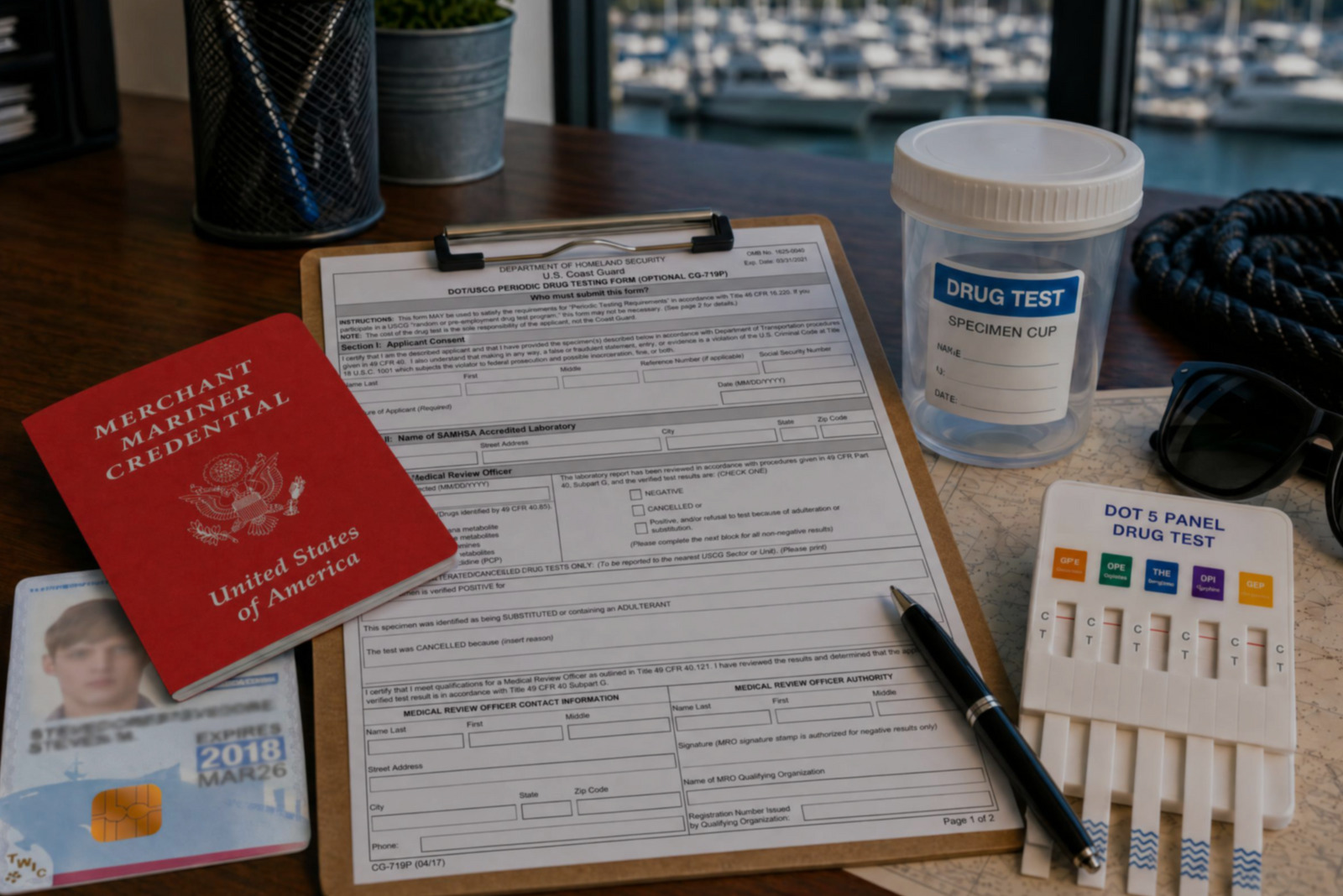

Discover the three types of drug tests working captains must submit to even after they’ve met the initial USCG drug testing requirements for their license.
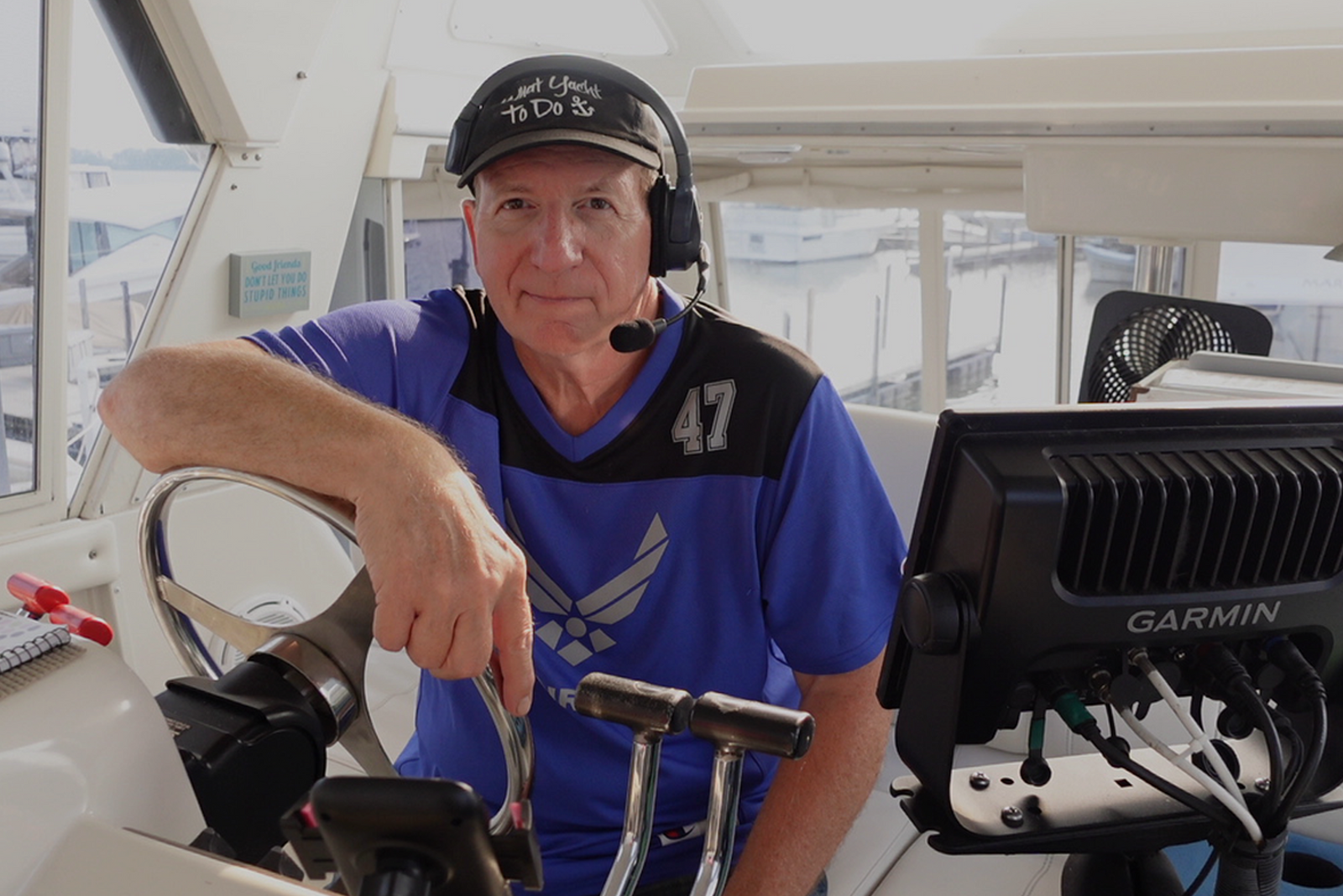

Discover how a retired airline pilot became obsessed with the Great Loop and built a thriving captain training business through Mariners Learning System.


Learn which substances the MMC drug test looks for, plus how masking agents and false positives factor in.


Discover the five most common mistakes mariners make on the captain’s license physical, plus a checklist for how to avoid them.
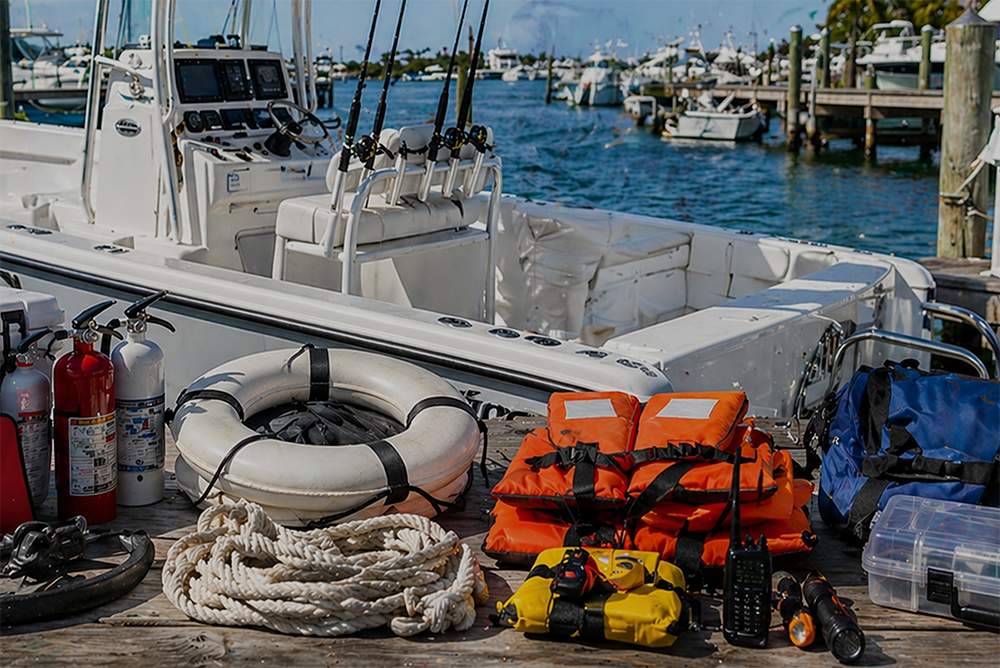

Discover why so many charter captains run out of money and how to plan every startup cost from your vessel purchase to guest-ready outfitting.

Learn how to build a charter business plan that covers pricing, expenses, and marketing so your captain’s license leads to lasting profit.

Transform how you talk about price with proven anchoring strategies and value-first framing that stops charter guests from shopping around.

Discover how charter captains use hybrid pricing models and seasonal adjustments to increase revenue and simplify bookings for every guest type.