Buy the OUPV/Six-Pack, Get the Tow for Free with Code FREETOW26

Buy the OUPV/Six-Pack, Get the Tow for Free with Code FREETOW26


Captain's License Guide
Understand the total cost of getting licensed, including training, application fees, and required documentation.


The total cost of getting a captain’s license typically ranges from $800 to $1,200 depending on the training program, application fees, and required supporting documentation.
Common expenses include training, Coast Guard application fees, medical screening, drug testing, and CPR or First Aid certification requirements.
Common expenses include training, Coast Guard application fees, medical screening, drug testing, and CPR or First Aid certification requirements.
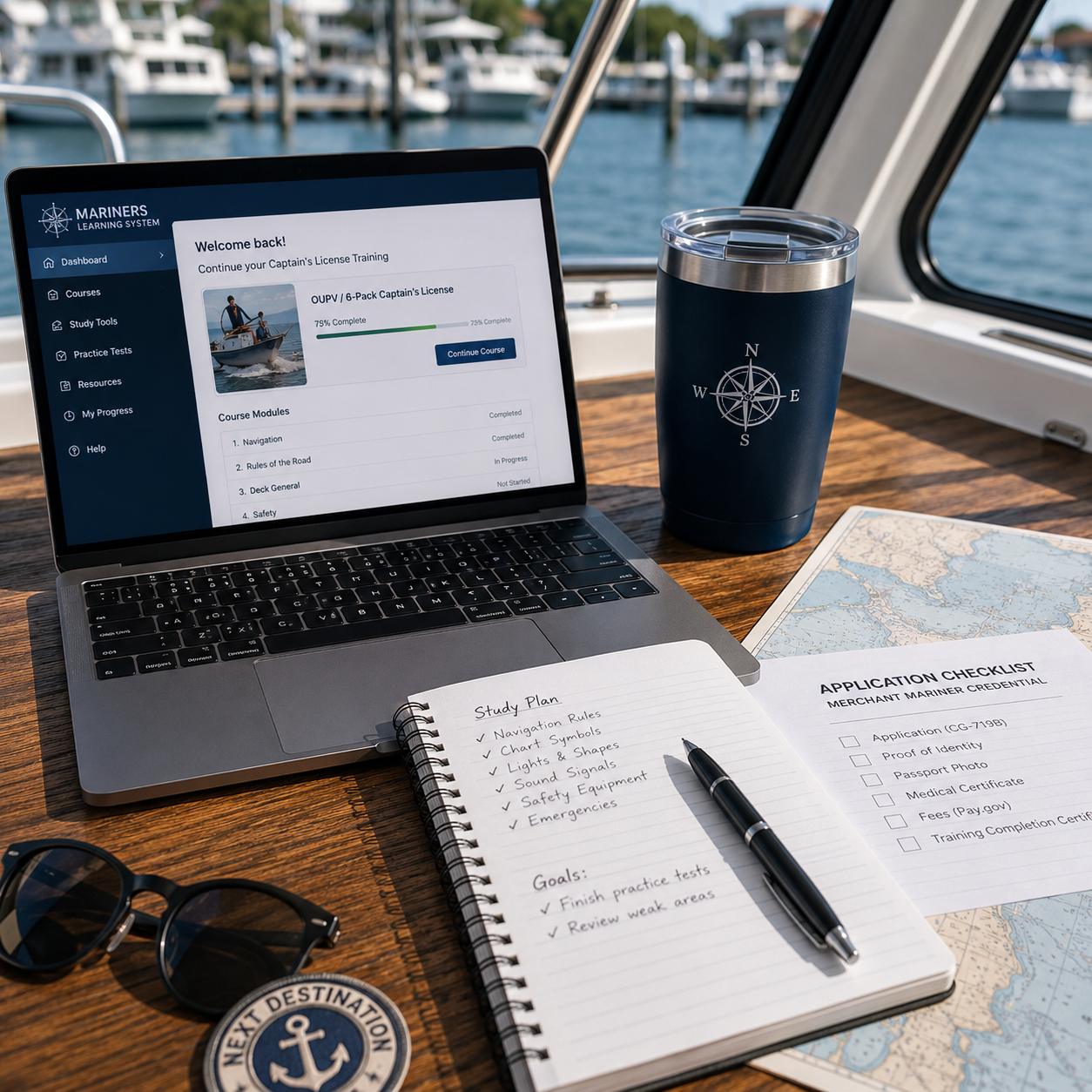

MLS online courses typically range from $300 to $1,000, depending on the license level and course format selected. Eligible students may complete testing as part of the course rather than at a Regional Exam Center.
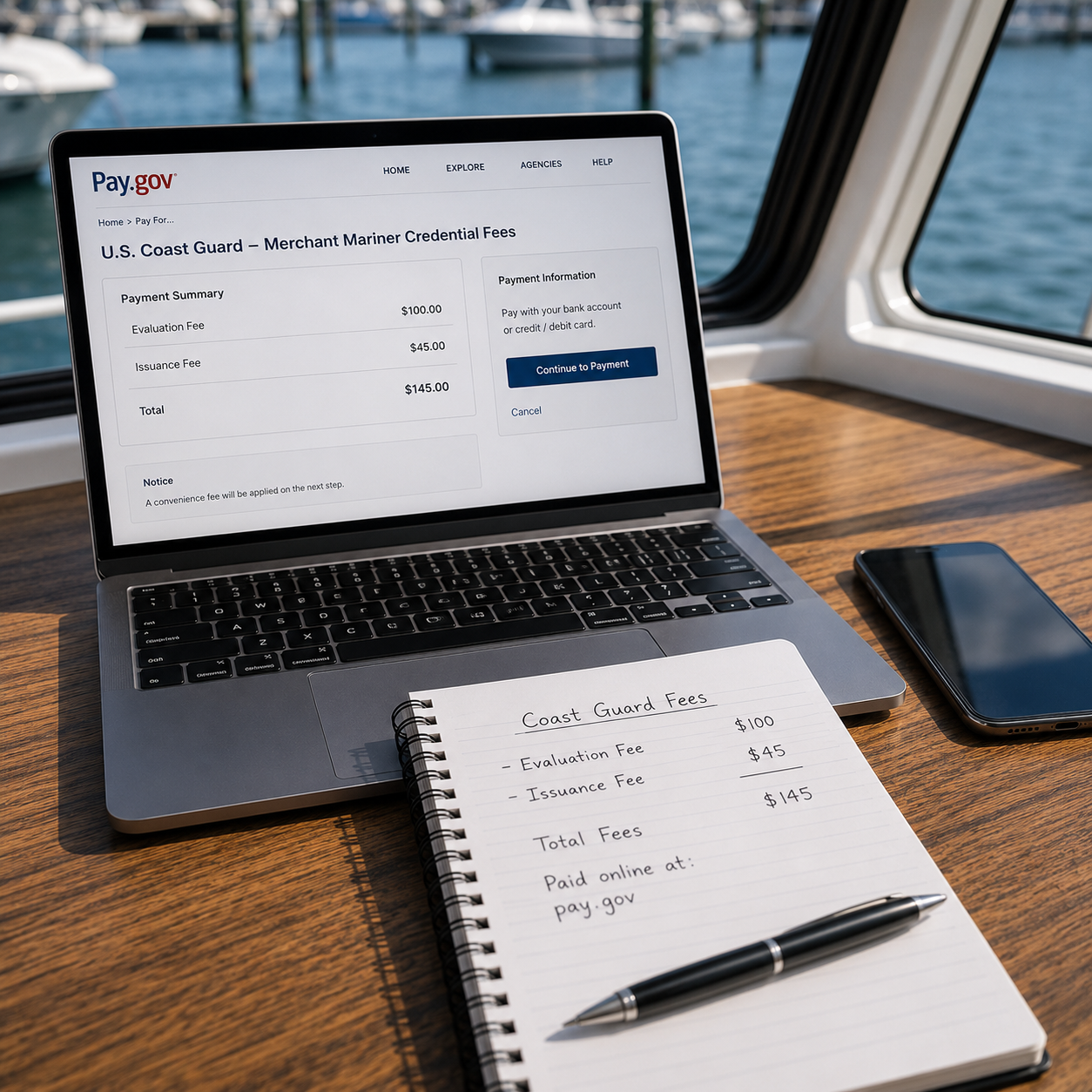

The Coast Guard charges evaluation and issuance fees when submitting a captain’s license application for a Merchant Mariner Credential. These fees are generally paid directly through Pay.Gov during the application process.
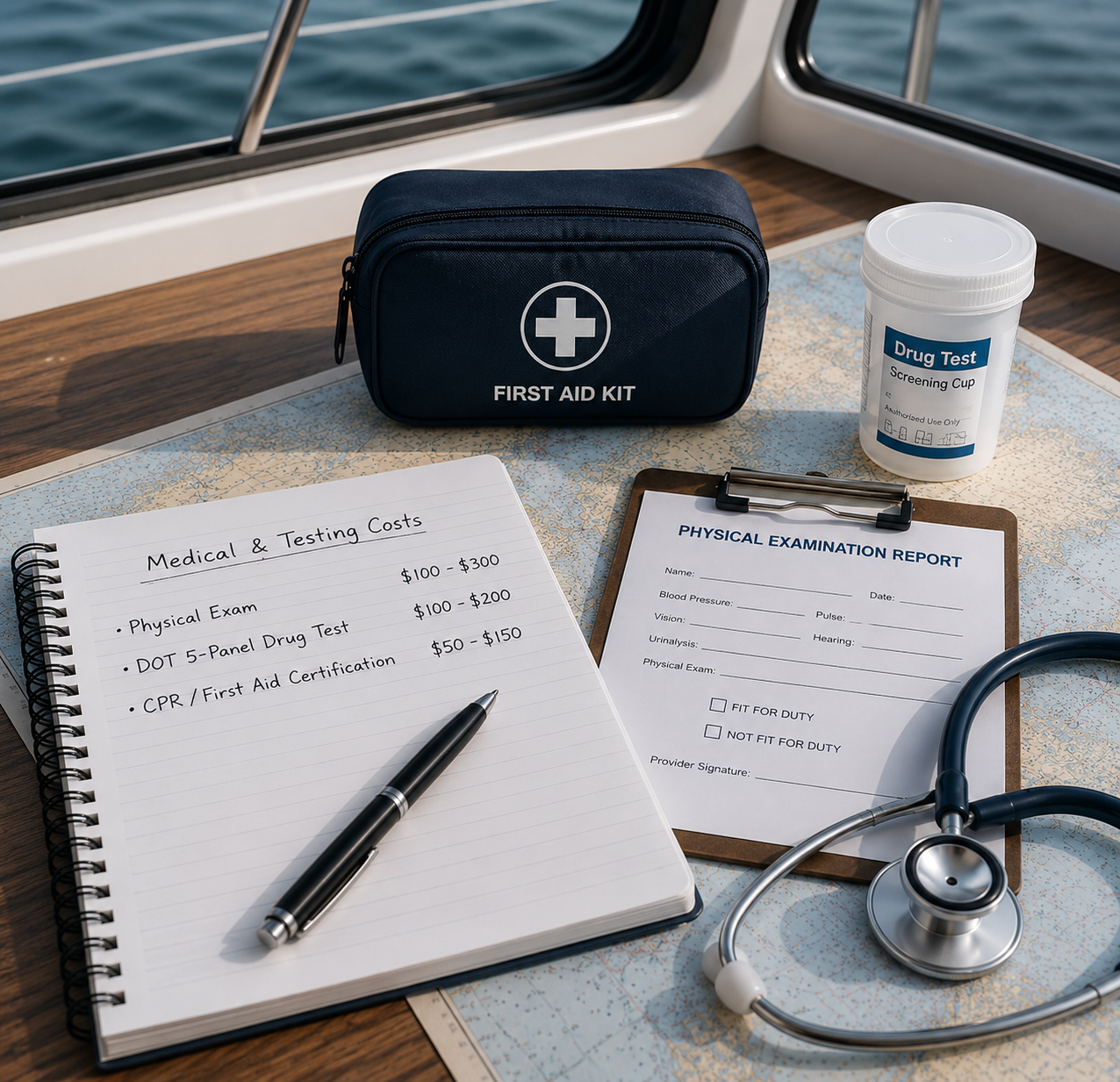

Applicants are generally required to complete a physical examination and DOT five-panel drug screening. CPR and First Aid certification may also be required, depending on the license level or selected training pathway.
For a detailed breakdown of Coast Guard evaluation and issuance fees, review the official MMC fee requirements.
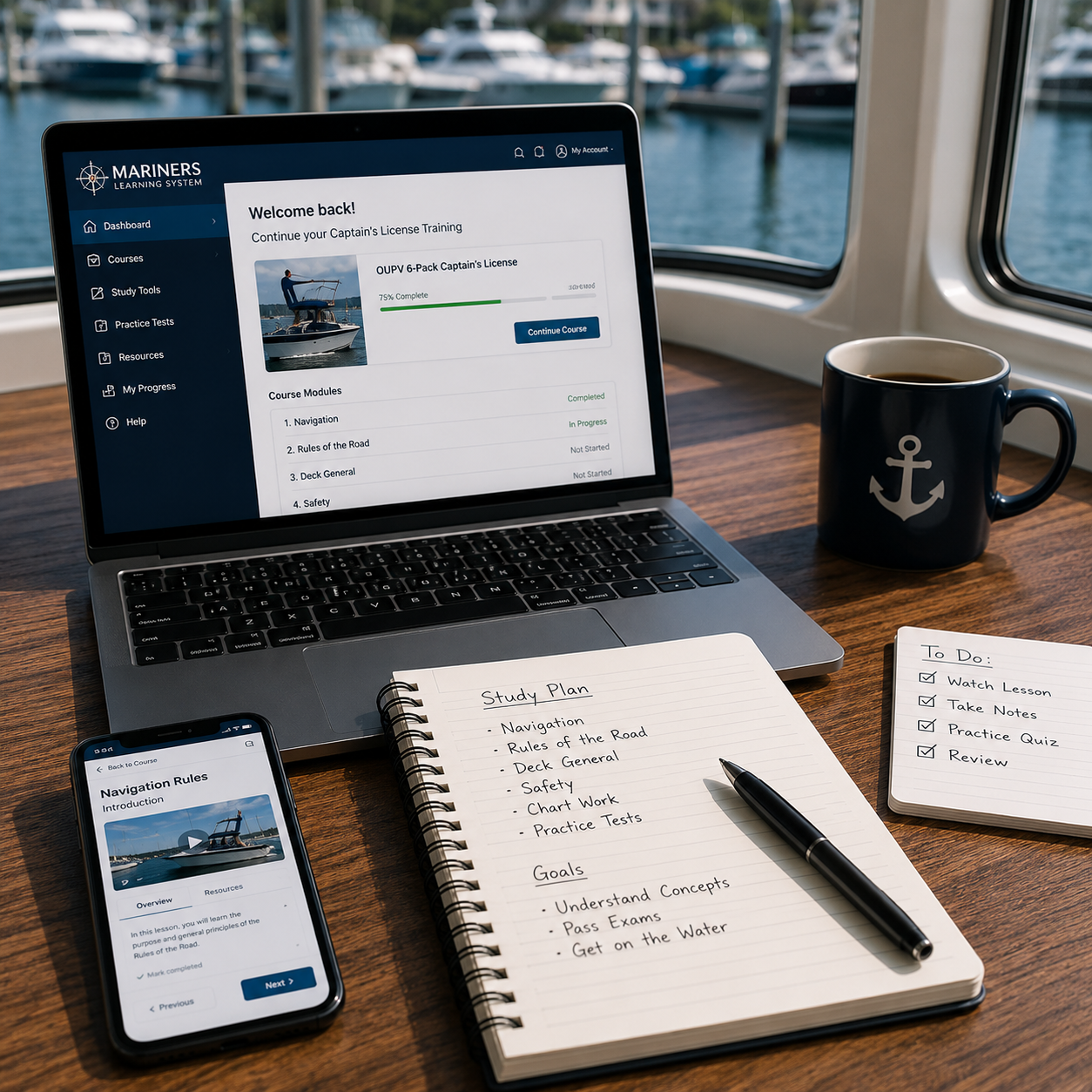

Most MLS courses include required study materials, but optional plotting tools or supplemental references may create additional costs depending on your training preferences.
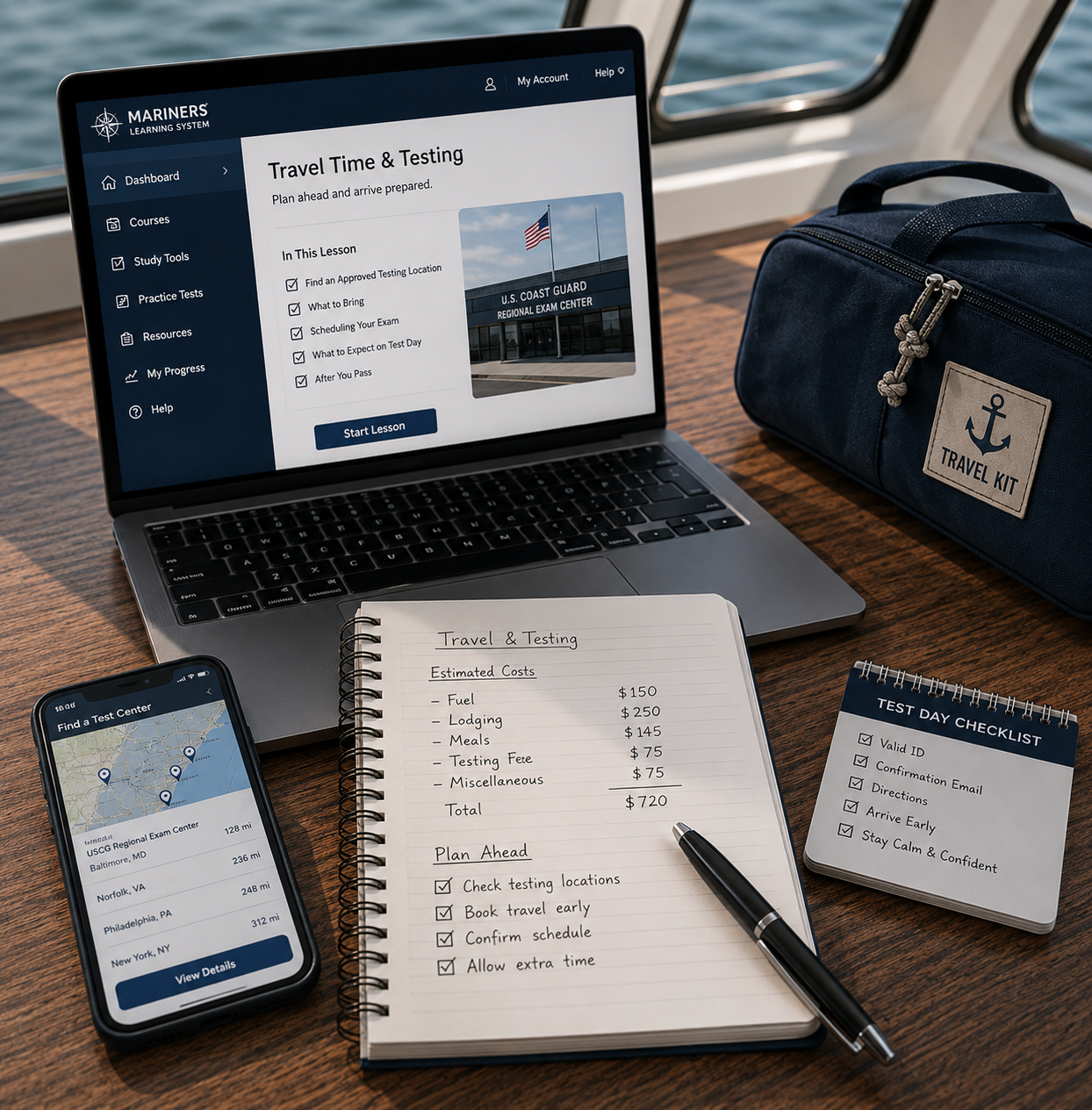

If a training pathway requires classroom attendance or in-person testing, travel, lodging, and scheduling expenses may increase the total cost. MLS online testing options may help reduce many of these additional expenses.
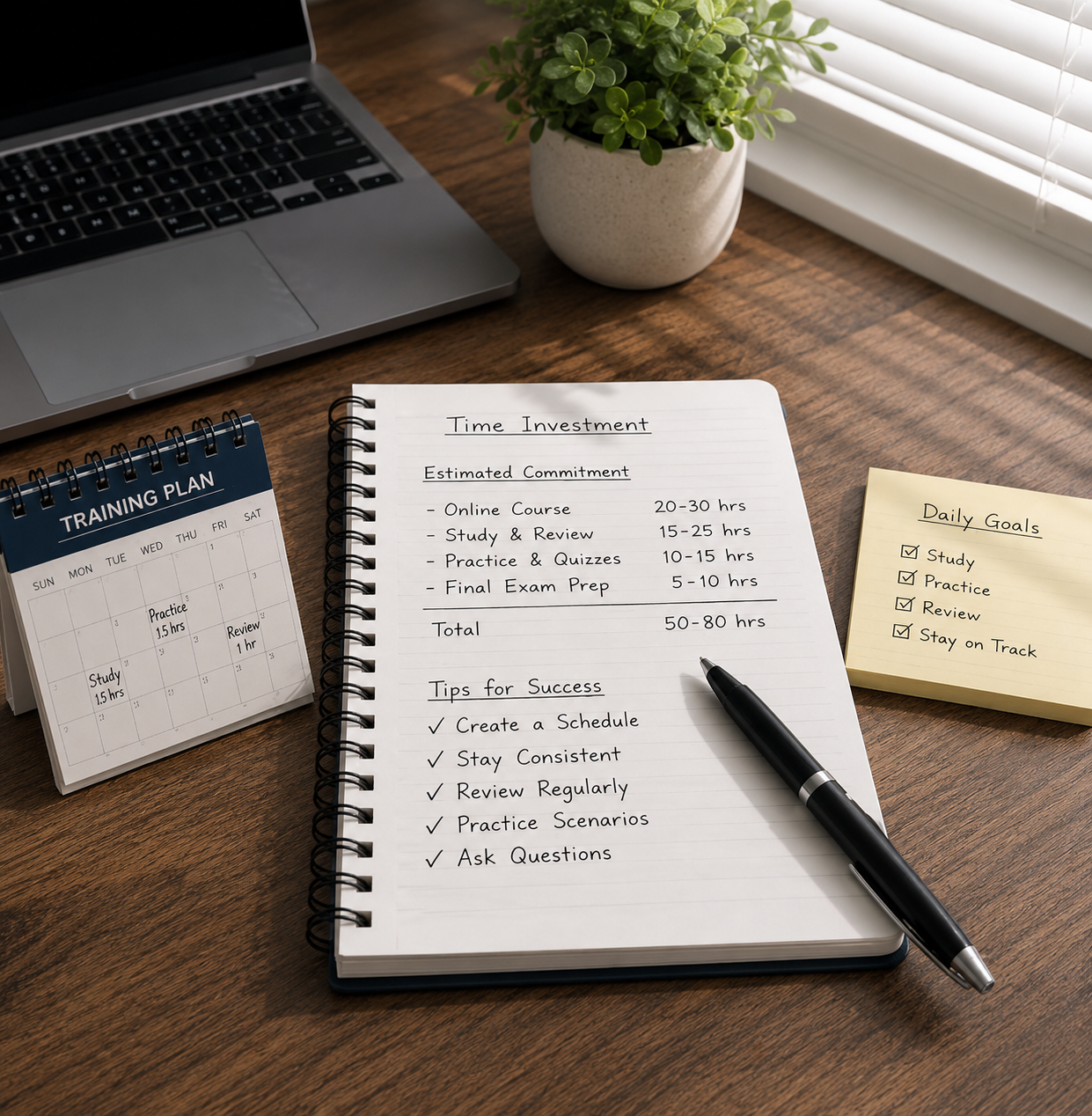

While not a direct fee, the time required to complete training, documentation, and application steps may affect your overall investment depending on your schedule and preparation process.
Choosing a structured, all-in-one training program can reduce additional costs by eliminating the need for separate testing and travel costs.


Choosing an MLS Coast Guard-approved course that includes testing may help reduce separate exam fees and lower overall training costs.


Organizing sea time records, medical documentation, and required forms in advance can help prevent delays, repeat submissions, or additional processing costs.

Completing a structured, methodical MLS training program before testing may improve first-time exam success and help avoid additional testing fees.
The most cost-effective approach is to follow a structured process from training through application, minimizing delays and unnecessary expenses.
The total cost of getting a captain’s license typically ranges from $800 to $1,200, depending on training, application fees, medical screening, and required documentation.
The largest expense in getting a captain’s license is typically the training course or exam prep program. While application, medical, drug testing, and credentialing fees add up, the course is usually the biggest upfront cost.
No. Coast Guard evaluation and issuance fees are generally separate from course tuition and are typically paid during the captain’s license application process.
Additional expenses may include medical screening, drug testing, CPR certification, travel, or optional study materials, depending on your training pathway.
Yes. Choosing a structured MLS training program and preparing documentation early may help reduce delays, retesting, and unnecessary expenses.
Yes. Medical screening, drug testing, CPR certification, and related services may vary depending on your location and provider availability.
No. Most applicants complete the process in stages, including course enrollment, medical screening, documentation, and Coast Guard application fees.