Buy the OUPV/Six-Pack, Get the Tow for Free with Code FREETOW26

Buy the OUPV/Six-Pack, Get the Tow for Free with Code FREETOW26


Captain's License Requirements
Understand how many days on the water you need, what qualifies as sea time, and how to properly document your experience.
This page is part of our Captain’s License Guide, which explains the major requirements, course options, and steps for earning a captain’s license.


Qualifying sea service is required for USCG captain's license approval and must be properly documented and verifiable.
Sea time requirements depend on whether you are pursuing an OUPV/Six-Pack captain’s license or a Master captain’s license.
Most OUPV/Six-Pack licenses require at least 360 days of qualifying boating experience, including 90 days within the last 7 years to satisfy recency requirements.
Master captain's licenses may require 360 to 720 days of qualifying sea service, depending on route, tonnage, and operating area.


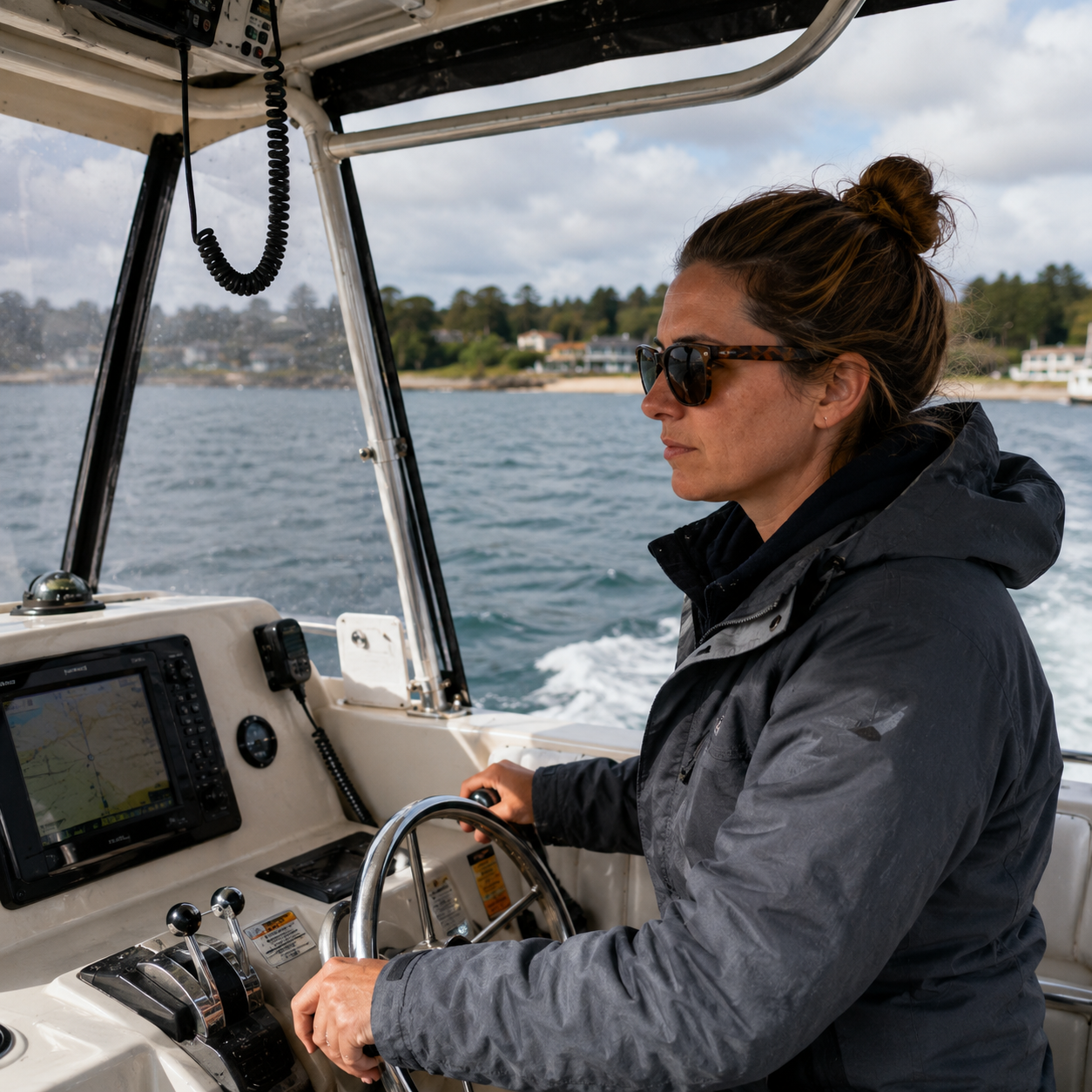
Qualifying sea service refers to documented days spent operating a vessel and may include both recreational and commercial boating experience used toward Coast Guard captain’s license requirements.
Sea service must be verifiable and should accurately document vessel information, operating dates, waters navigated, and the applicant’s onboard operating role.
Once you understand what counts as qualifying sea service, review the Captain’s License Application Process to see how that experience is documented for your application.
Sea time requirements are based on U.S. Coast Guard regulations and may vary depending on route, tonnage, and individual circumstances.
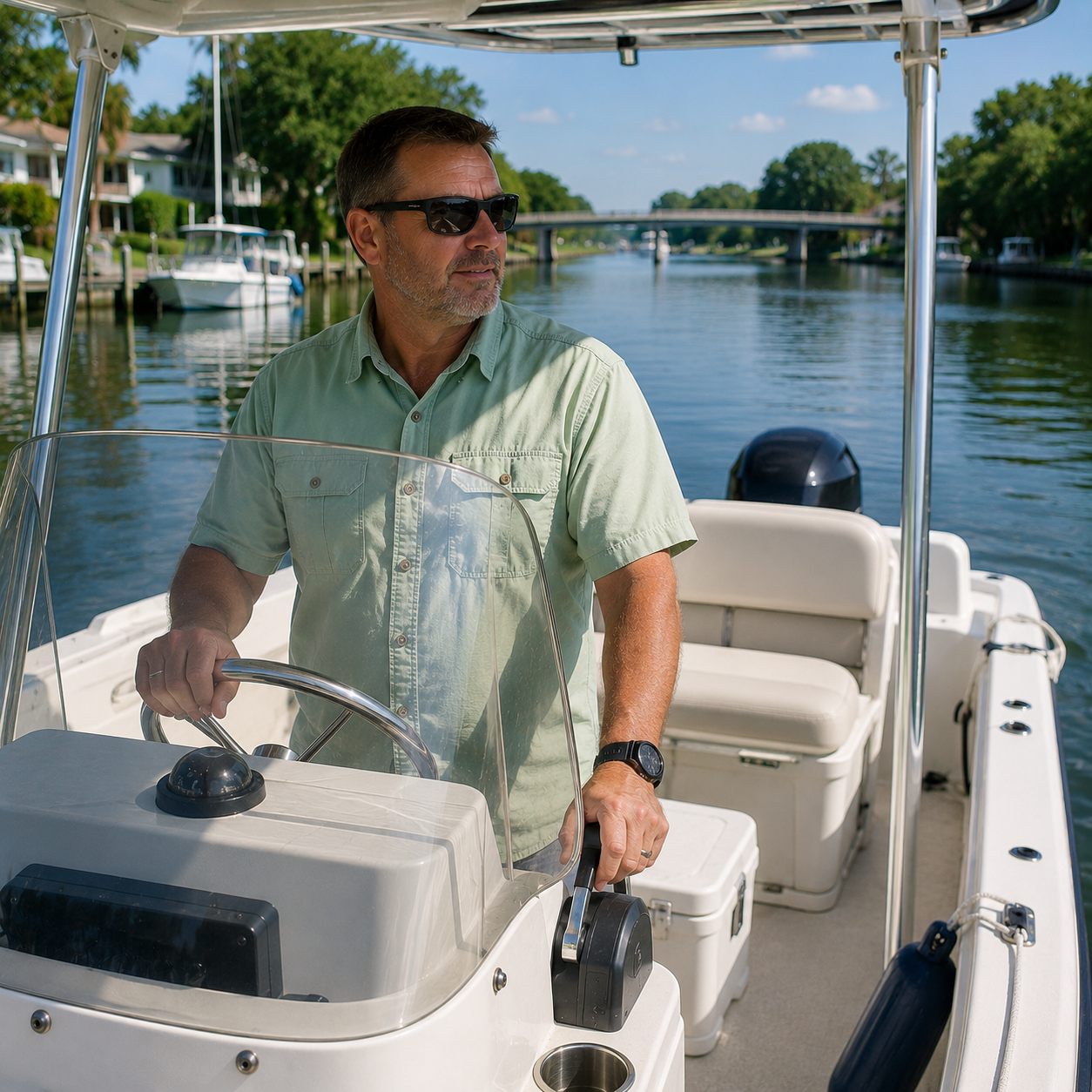

Inland sea service includes bays, rivers, lakes, sounds, and waters inside the Boundary Line. Time documented in these operating areas may qualify toward Inland Coast Guard license requirements and help determine where your license allows you to operate legally, safely, and confidently.
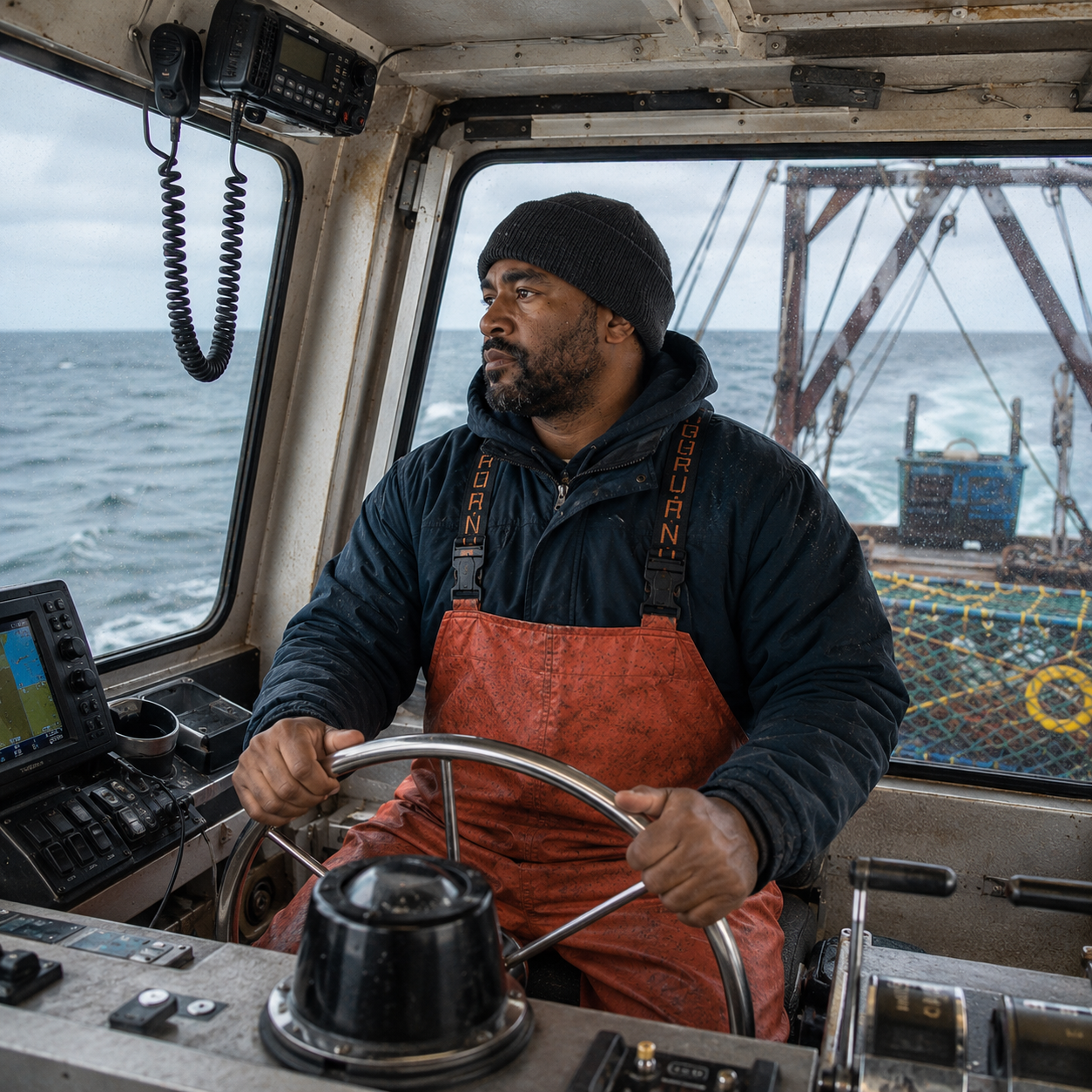

Near Coastal sea service includes ocean waters outside the Boundary Line, generally up to 200 miles offshore. Documented operating experience in these waters is required for Near Coastal license endorsements.
Near coastal experience may matter for certain Master captain’s license routes.
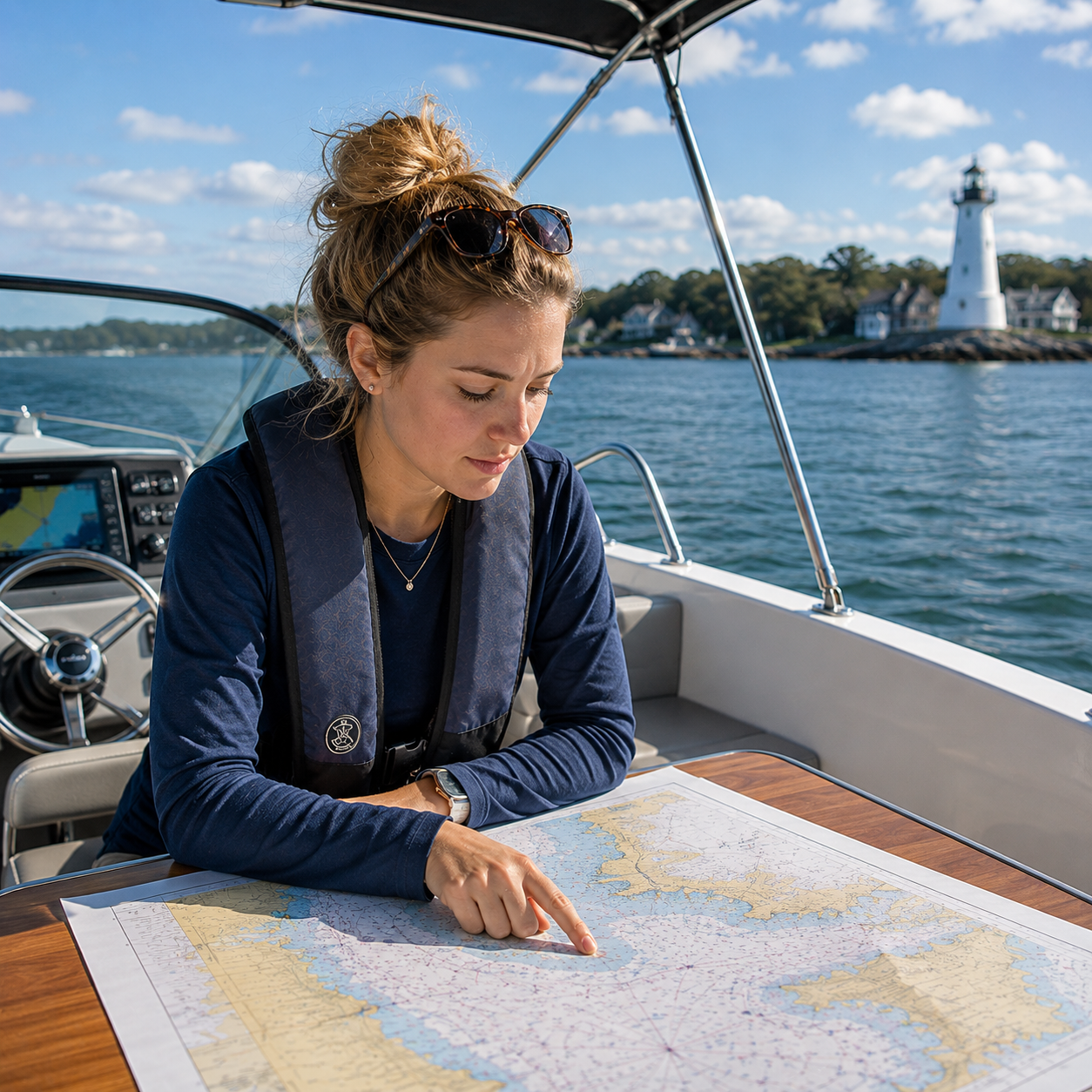

The Boundary Line separates inland waters from offshore waters and determines how qualifying sea service is classified for Coast Guard licensing, route endorsements, and Inland or Near Coastal operating authority. Understanding this distinction helps applicants document the correct experience for the license they want.
Sea time must be logged in the appropriate waters to qualify for the license route you are applying for. Time logged only on inland waters will not qualify for a Near Coastal license.


One qualifying day of sea service equals at least 4 hours operating a vessel. Multiple trips completed within the same calendar day count as one day of qualifying sea service toward Coast Guard licensing requirements.


USCG captain’s license requirements are based on total documented sea service days. OUPV/Six-Pack licenses generally require 360 days, while Master Captain’s Licenses may require 360 to 720 days, depending on route and tonnage.


Most Coast Guard captain’s license approvals require at least 90 days of qualifying sea service within the last 7 years to satisfy recency requirements and demonstrate recent vessel operating experience.
Sea time is measured in days - not hours - and each day must meet the minimum time requirement to count.
See how timing fits into the full Captain’s License Timeline.
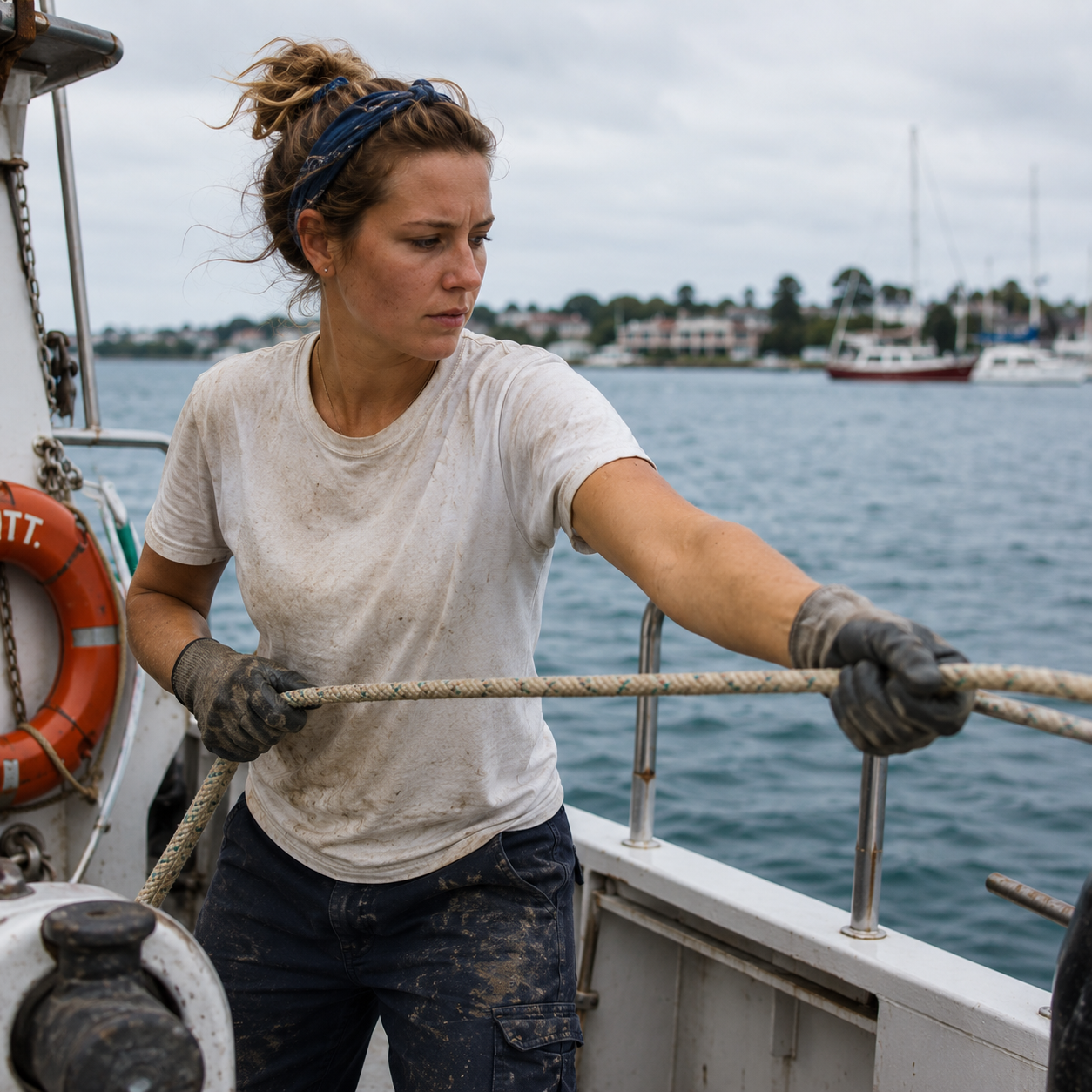

Record qualifying sea service by documenting operating dates, hours underway, waters navigated, vessel information, and onboard operating responsibilities for each boating trip underway. For the full paperwork sequence, review the Captain’s License Application Process.
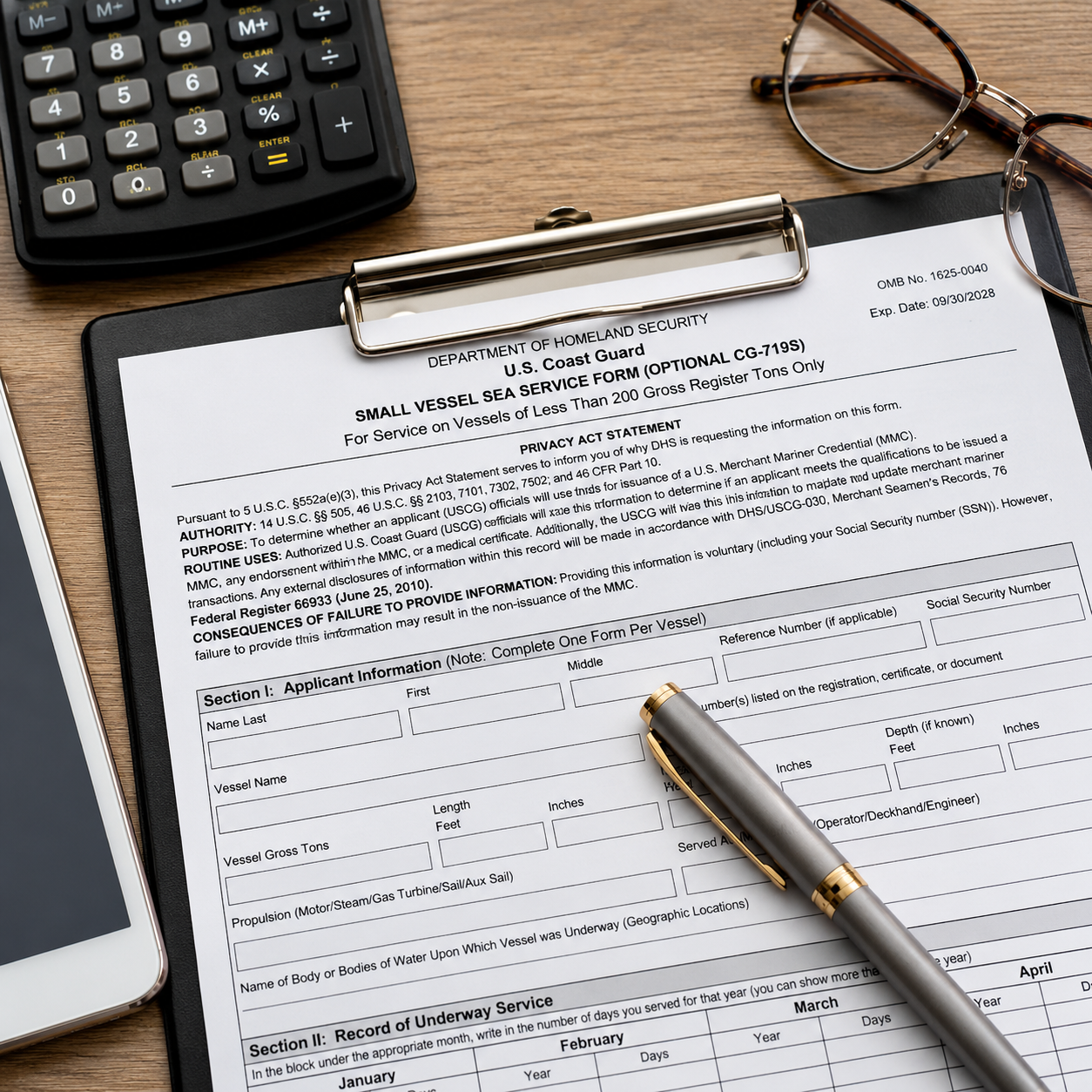

Sea service is commonly documented using Coast Guard Form CG-719S or equivalent records verifying vessel ownership, operating experience, waters navigated, and total qualifying days underway. Use the official USCG CG-719S Small Vessel Sea Service Form from the National Maritime Center forms page.


Sea service documentation must verify vessel ownership, operating authority, or permission to use the vessel when submitting qualifying boating experience for Coast Guard license approval. This helps confirm your time was properly documented and tied to an eligible vessel.
For the full step-by-step licensing path, see How to Get a Captain’s License.


Most OUPV/Six-Pack licenses require at least 360 days of qualifying sea service, including 90 days within the last 7 years to satisfy Coast Guard recency requirements.


Master Captain’s License requirements generally range from 360 to 720 days of qualifying sea service, depending on route, tonnage, and operating area classification.
Understanding the full cost of licensing helps you plan your next steps.
Sea time generally includes any documented time spent operating or assisting in the operation of a vessel on navigable waters. Recreational boating, commercial work, fishing trips, sailing, and time as a deckhand may qualify if properly recorded and connected to the license route being pursued. Learn more in our Captain’s License Guide and How to Get a Captain’s License overview.
Most OUPV/Six-Pack captain’s licenses require at least 360 days of qualifying sea time, while Master captain’s licenses may require 360 to 720 days, depending on tonnage and operating route. Sea time requirements vary based on the license endorsement and route authority selected.
A qualifying day of sea service is generally defined as at least 4 hours spent operating or assisting aboard a vessel within a single calendar day. Multiple trips completed during the same day typically count as one day of sea time. Learn more about documenting qualifying days in the Captain’s License Application Process.
Yes. Recreational boating may count toward qualifying sea service if your operating experience can be properly documented. Many applicants use personal boating experience to meet OUPV/Six-Pack captain’s license or Master captain’s license sea time requirements.
Yes. For most captain’s license applications, at least 90 days of qualifying sea time must typically be completed within the previous 7 years. Recent sea service helps demonstrate current operating experience and vessel familiarity. See our Captain’s License Timeline for additional guidance.
Sea time is commonly documented using Coast Guard Form CG-719S or equivalent vessel records that verify operating experience, waters navigated, vessel ownership, and total qualifying days underway. Accurate documentation is an important part of the Captain’s License Application Process.
The Boundary Line separates inland waters from offshore waters and helps determine how sea time is classified by the Coast Guard. The route associated with your qualifying sea service must generally align with the route of the license endorsement being requested. Learn more about the route requirements for the Master captain’s license.
Inland sea time may not fully satisfy Near Coastal license requirements unless the qualifying experience was obtained on waters that meet Coast Guard offshore route criteria. The route and operating area of your sea service must generally match the license route being applied for. Learn more in our Captain’s License Guide.