

Meet Navi: Your 24/7 AI Instructor Inside the MLS Classroom
Unlock 24/7 access to Navi, an AI instructor trained on MLS course material, so you can ask questions, run practice quizzes, and nail your captain’s exam.
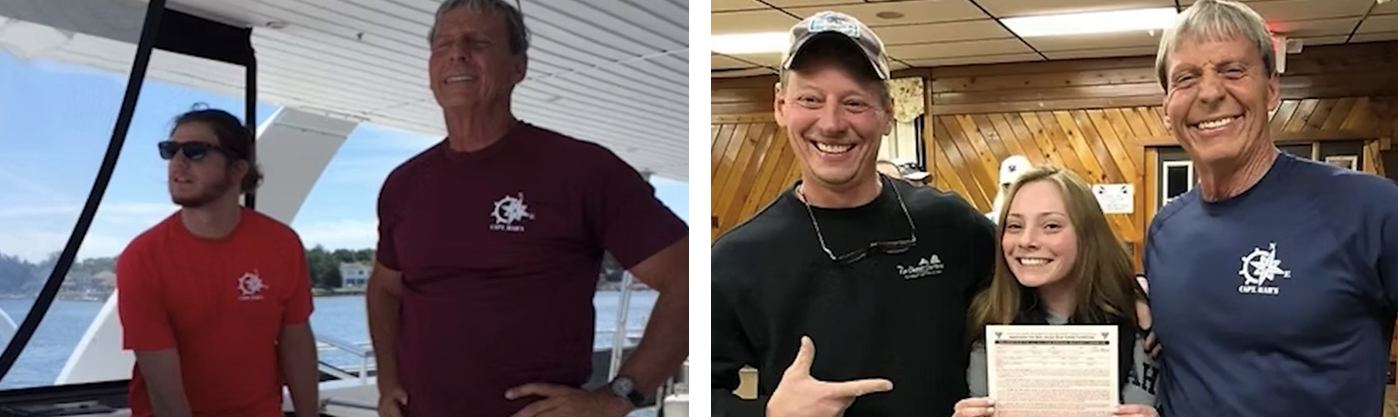

The water has been a constant in Harry Vliet’s life for as long as he can remember.
His father had a small boat, and Harry was on it before Hawaii and Alaska were states. He spent six years in the Coast Guard Reserve and rose to command the Marine Bureau of the New Jersey State Police, overseeing 130 troopers and more than 80 boats patrolling the waters of the state.
When he retired from the force at 52, the water was still there. It always had been.
What changed was the credential in his pocket. Harry enrolled in Mariners Learning System before his last day on the job, and the captain’s license he earned opened a second career that has taken him from Maine to Florida, the Great Lakes, the Bahamas, the Gulf, and beyond over nearly two decades.
This is his story.
Harry decided to retire from the New Jersey State Police shortly before reaching their mandatory retirement age of 55.
“After 27 and a half years, I turn in all my gear at division headquarters, turn in my troop car, and get driven home,” he recalls. “I’m looking around. Well, what am I going to do now?”
There were immediate, practical problems to solve, like getting himself a vehicle. (He’d always driven a troop car before.) Beyond that, though, he was facing something harder to name. More than half his life had been structured around the job, and now that job was gone.
For nearly two weeks, he wasn’t quite sure what came next.
Then the phone rang.
Harry had already enrolled in a captain’s license course with Mariners Learning System before his retirement began. “This was just kind of a natural segue from being on the water for the last seven years to getting my captain’s license,” he says.
The course gave him direction and momentum while he was figuring everything out, and by the time he had his license in hand, someone needed a captain. He was ready.
For a person who’s spent years in the Coast Guard Reserve and then commanded the Marine Bureau of a major state police force, you might expect they felt the captain’s license coursework was redundant. Harry will be the first to tell you he didn’t.
“Coming into the Mariners program, I thought I knew a lot about the water, and I did know a lot about the water,” he says. “But I had no idea how much I didn’t know about being a captain, the Rules of the Road, and so forth.”
What worked for Harry was the way Mariners structured their curriculum: starting from zero and building systematically, with nothing assumed.
“The things I already knew, I was able to go ahead and kind of fast forward,” he says. Then he could slow down for material he hadn’t seen before, confident that he wasn’t missing anything important. “Starting at the beginning worked out very, very well,” he says.
Harry enjoyed learning so much that after earning his license, he decided to become an instructor for Mariners’ in-person courses. His studying kicked into a different gear entirely.
“The first time I taught a course, I spent twice as long studying to be the instructor as I did to actually take the course,” he says. “If you really want to learn something, teach it.”

As Harry made his way through his course, he was struck by how closely the material matched what he’d seen and done in actual maritime operations.
On September 11, 2001, Harry was stationed with the Marine Bureau in New York Harbor. He and his fellow officers deployed more than a dozen boats to ferry survivors from Ground Zero to Jersey City, coordinating with the Coast Guard and multiple agencies in chaotic conditions. How they communicated, how they handled the boats, how different vessels worked together under pressure: all of it was improvised in real time.
Years later, sitting down with his Mariners course, those memories kept surfacing.
“This is exactly real-world stuff,” Harry says he realized. “This is what we did. This is how everybody else did it.”
To him, it was confirmation that he was learning things that actually mattered on the water.
Since earning his captain’s license, Harry has put it to work in just about every way imaginable.
He’s captained pleasure cruises for private owners, delivered yachts up and down the coast, and led group getaways of multiple vessels. He’s worked with a marine survey company to map the ocean floor, taught boating safety classes in New Jersey, and has represented Mariners at boat shows from San Francisco to Fort Lauderdale.
Across nearly two decades, he’s called on the lessons from his captain’s license course time and again.
On one getaway, for example, a storm came up while Harry was leading a convoy of six vessels with less experienced boaters. He used the radar skills from his course to track the storm cells and navigate everyone around the worst of it.
On a similar trip, dense fog closed in around his convoy, and an oncoming vessel appeared on radar. Harry directed every boat in the group through a coordinated 90-degree starboard turn in seconds. The other vessel slipped safely through the gap.
“All the stuff you’re learning is coming to the forefront of your head, and it starts to flow and become natural,” he says. “The training really is invaluable.”
Not every challenge involves weather. Harry has also learned that part of the job is knowing when to hold firm with clients.
On one job, Harry was preparing to take clients from Miami to Bimini, about 45 nautical miles, on their 45-foot boat. The Gulf Stream was running north, the wind was pushing south against it, and the seas were standing up dangerously. He realized they couldn’t make the trip and explained why to the owners. But they were insistent about getting to Bimini.
Knowing what they’d find, Harry agreed to head out the inlet and “take a look.” They hadn’t made it a mile before the clients asked him to turn the boat around.
“A captain’s attitude is, you can do anything, you just have to figure out how you’re going to do it and make it safe,” Harry says. “But you also have to know when to say no.”
The clients decided on Key West instead.
Harry’s advice for new students is simple: Harness that initial interest and excitement to build momentum, then don’t stop.
He likes that in the Mariners curriculum, the structure of the courses reinforces learning at every step. After each chapter, you take a quiz that identifies which questions you got wrong. Instead of giving you the right answers, it points you to the exact location in the lesson where you can find the information.
“When you actually go ahead and take that extra step to find it, now it’s going to stick in your brain,” Harry says. “You’re going to remember it.”
Students must score a minimum of 90% on the chapter quizzes before advancing to the practice tests, and must pass those before sitting for Mariners’ proctored, Coast Guard-approved exam. By the time you get there, Harry says, the nerves are mostly gone.
“When you take the test, you’re not really that nervous about it, because you’ve [essentially] done it with the practice questions,” he says. “That’s a confidence level right there, which is why their success rate is so phenomenal.”
Harry has spent nearly two decades steering people toward Mariners Learning System, at boat shows, through his own students, and in conversations at locks and harbors across the country. He gets phone calls back. They all say the same thing.
“Thank you so much for pointing me in that direction. It worked out great.”
According to Harry, the industry needs more captains like them. “There aren’t enough good captains out there,” he says. “Mariners prepares you better than what I’ve seen with other schools.”
If you’re ready for that next step, take a look at what Mariners Learning System has to offer and find the course that’s right for you.
Ask a question, share an experience, or add a helpful tip related to this article. Comments may appear after review to prevent spam.
Unlock 24/7 access to Navi, an AI instructor trained on MLS course material, so you can ask questions, run practice quizzes, and nail your captain’s exam.


Learn what questions to ask and how to prepare for a captain’s license drug test to ensure you avoid the most common application delays.
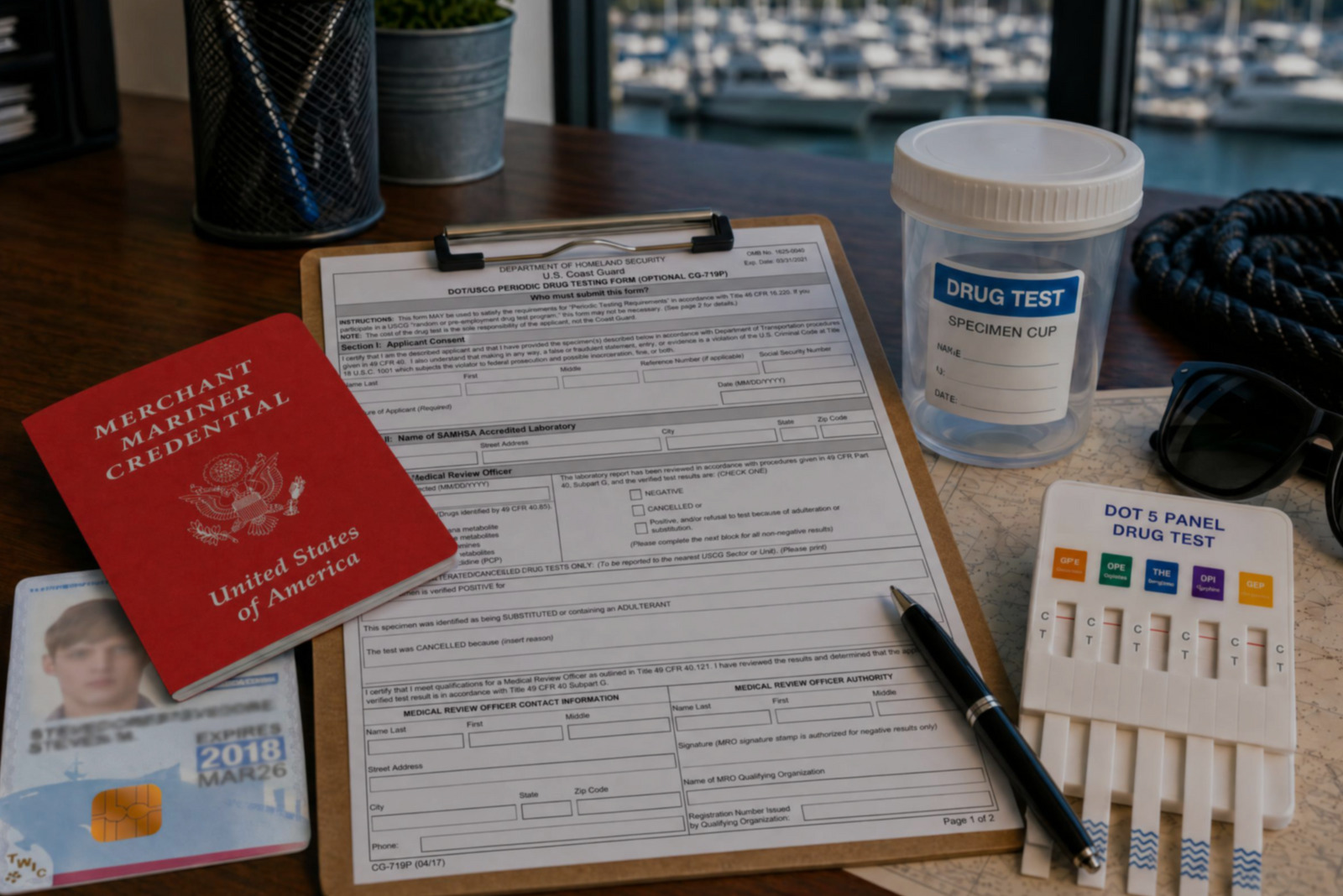

Discover the three types of drug tests working captains must submit to even after they’ve met the initial USCG drug testing requirements for their license.
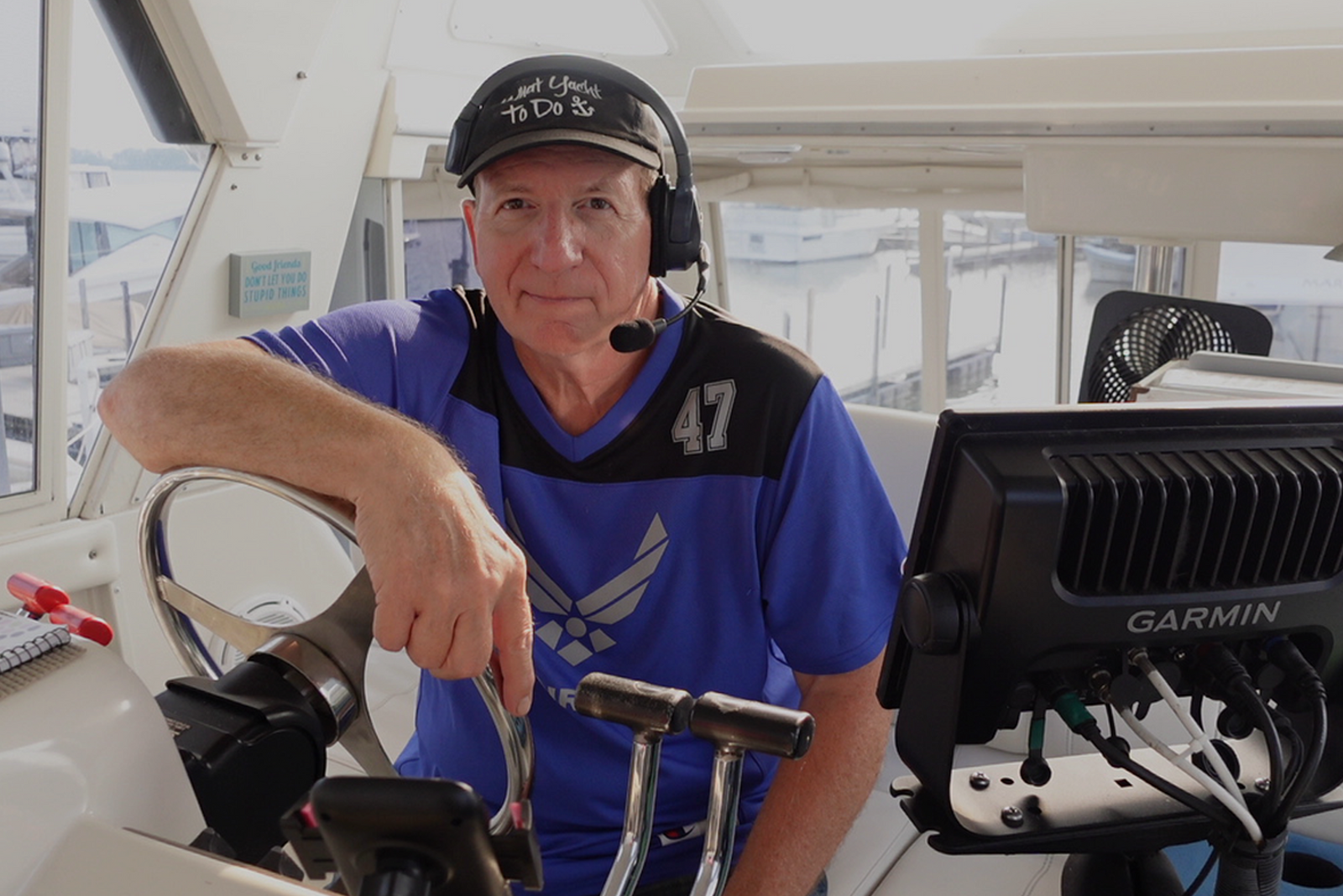

Discover how a retired airline pilot became obsessed with the Great Loop and built a thriving captain training business through Mariners Learning System.


Learn which substances the MMC drug test looks for, plus how masking agents and false positives factor in.


Discover the five most common mistakes mariners make on the captain’s license physical, plus a checklist for how to avoid them.
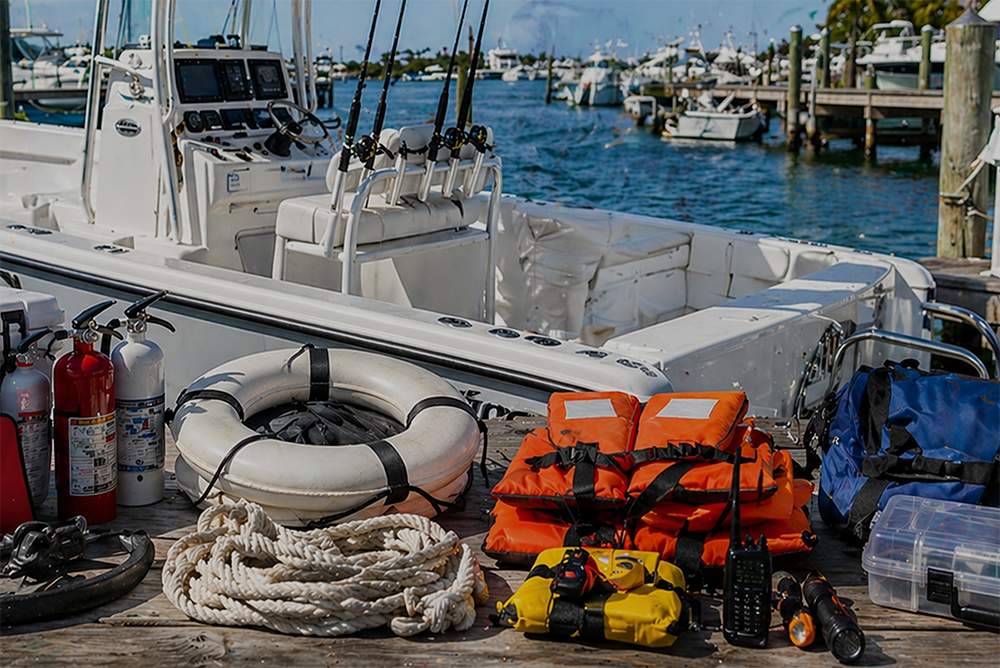

Discover why so many charter captains run out of money and how to plan every startup cost from your vessel purchase to guest-ready outfitting.

Learn how to build a charter business plan that covers pricing, expenses, and marketing so your captain’s license leads to lasting profit.

Transform how you talk about price with proven anchoring strategies and value-first framing that stops charter guests from shopping around.

Discover how charter captains use hybrid pricing models and seasonal adjustments to increase revenue and simplify bookings for every guest type.