

Meet Navi: Your 24/7 AI Instructor Inside the MLS Classroom
Unlock 24/7 access to Navi, an AI instructor trained on MLS course material, so you can ask questions, run practice quizzes, and nail your captain’s exam.
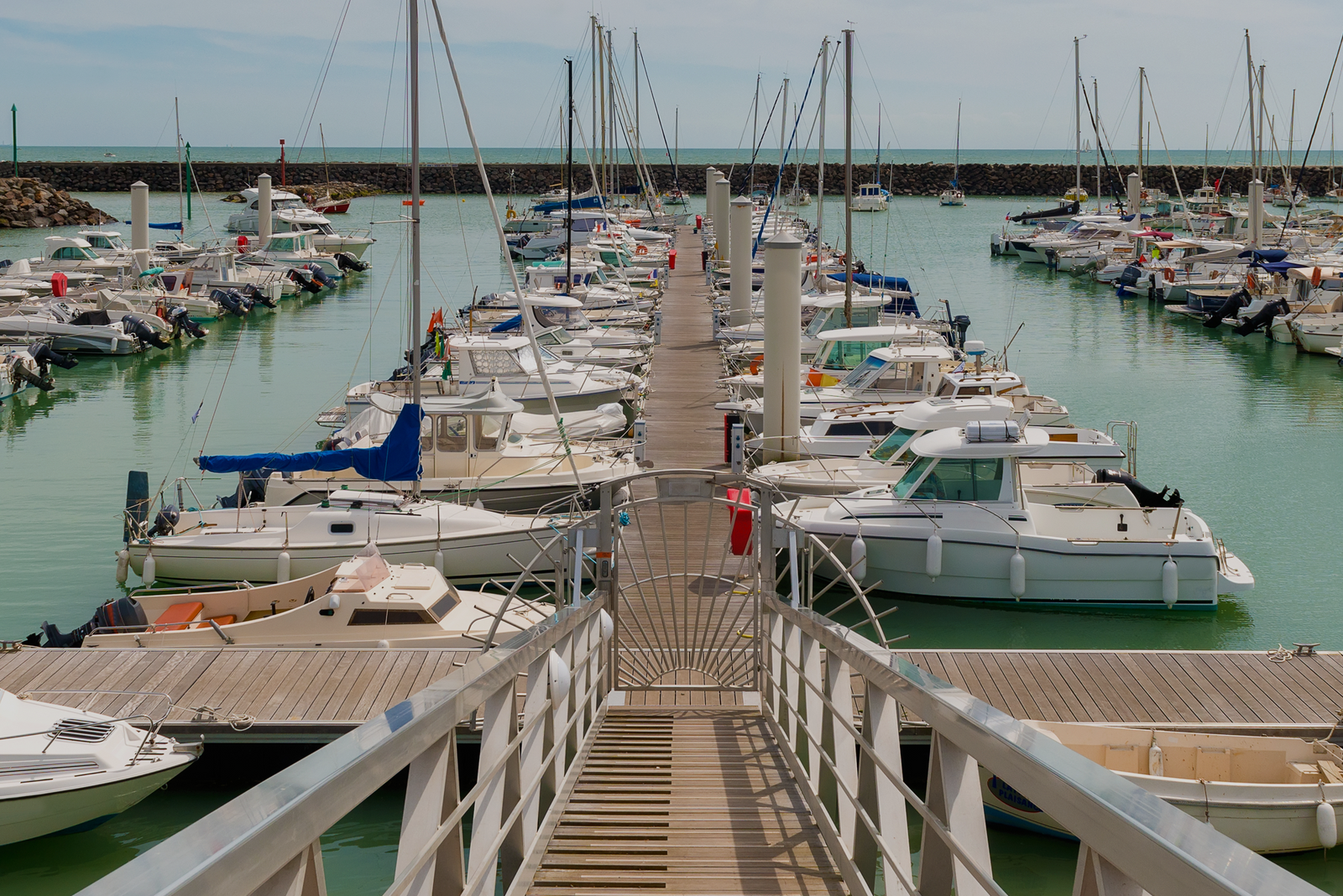

You’ve implemented personal touches on your charters: greeting guests by name, acknowledging occasions, referencing hometowns in narration. Reviews are improving and tips are climbing.
But one captain went overboard with an anniversary surprise. Another spent so much time chatting that he almost missed a channel marker. A third made every couple expect champagne after one guest posted about it.
Personalization has a tipping point. Knowing where that line falls separates smart operators from burned-out ones.

Too much customization creates problems you didn’t anticipate.
Personal doesn’t mean invasive. Knowing their hometown is fine. Knowing their divorce details is not.
Captain Stan learned the hard way. Over-sharing about his own life made guests uncomfortable. Now he shares briefly and returns focus to them.
Keep personal information professional. “Visiting from Denver” in your notes works. Details beyond that cross lines.
Read the room early. Some guests share personal stories within minutes of boarding. That doesn’t mean they want you to dig deeper. Match their energy without escalating it. Let them lead the conversation’s depth. The same principles that help handle difficult passengers apply here: Stay professional, stay calm, and stay in control.
Captain Angela keeps her personal comments to three categories: hometown, occasion, and interests. She never asks about work, relationships, or finances. That boundary keeps interactions warm without getting awkward.
Personalization can’t compromise safety or timing.
Captain Helen almost ran aground singing happy birthday. Now she saves celebrations for safe moments. Knowing your vessel limitations and regulatory boundaries keeps safety front and center, even during celebrations.
Set boundaries kindly: “I’d love to accommodate that, but we need to stick to our route for everyone’s safety.”
Build buffer time for personal moments. Five extra minutes allows flexibility without destroying schedules.
One group’s super-personalized experience might create impossible expectations for others.
Captain Fred went overboard for an anniversary, including decorations and champagne. Online reviews mentioned it. Every couple afterward expected similar treatment.
Keep special touches sustainable. What you do once, you might need to do always. A handwritten note works every time. A champagne setup creates a precedent you can’t maintain at scale. Smart expectations management ties into how you build a referral-driven business: Consistent excellence beats occasional extravagance.
Different guests want different levels of personal attention.
Some people crave connection. They share stories, ask questions, and want involvement.
Captain Nina identifies them quickly. They arrive early, introduce themselves fully, and engage immediately.
For these guests, lean into personalization. Use their names frequently. Ask follow-up questions. Share appropriate personal anecdotes. The dock-to-dock framework gives you natural touchpoints for these interactions.
Others want professional service without intrusion. They’re buying transportation and scenery, not friendship.
Captain Oscar recognizes them, too. Brief responses, minimal eye contact, focus on phones or companions.
For these guests, personalize subtly. Remember their privacy preference. Acknowledge them without overwhelming. Provide excellent service quietly.
Families and groups often contain both types. Work with each person individually.
Captain Wendy personalizes one at a time. Chatty Mom gets conversation. Quiet Dad gets space. Kids get attention. Teenager gets respect.
Address the group broadly and individuals when appropriate.

Returning guests expect recognition. Deliver it with a system.
Document repeat visitors simply:
Captain Pete reviews his “returning guest” file before each season. A quick refresher enables natural recognition.
Digital or paper works. Captain Gloria uses index cards. Captain Frank uses spreadsheets. Pick what you’ll maintain. The same tracking habits help with your marketing efforts, too.
First trip: Learn basics and deliver standard excellence with name usage.
Second trip: Reference their last visit and remember key details.
Third trip: They’re VIPs. Favorite seats, preferred pace, anticipated needs.
Captain Diane tracks visit frequency. Third-timers get her cell number for direct booking. Fifth-timers get priority booking during peak season. Tenth-timers get a branded jacket.
“Welcome back!” beats elaborate productions.
“How was your winter?” shows memory without awkwardness.
“Same seat as last time?” shows attention without intrusion.
Captain Wayne mentions previous trips casually: “Even better conditions than your last visit” or “Another birthday celebration?”
Track whether personal touches improve business metrics.
Monitor tips before and after implementing name usage. Captain Ian saw a 25% increase immediately.
Track review mentions of personal service. “Captain remembered our anniversary” and “Made us feel special” indicate success.
Measure repeat booking rates. Personalized service increases return frequency. Calculate referral rates. Guests who feel personally valued recommend more often.
Captain Rob created a simple before-and-after comparison. He tracked his average tip percentage, review score, and rebooking rate for three months before implementing personalization. Then he tracked the same metrics for three months after. Tips increased 30%. Review scores climbed from 4.3 to 4.8. Rebooking rates doubled.
Personalization builds exponentially.
Year one: You remember names and occasions. Guests feel acknowledged.
Year two: You recognize returning guests. They feel valued.
Year three: You know preferences and histories. They feel like family.
Captain Victoria built her business entirely on personalization. No advertising, no discounts. Consistent personal attention. See how Captain Nick Morot applied a similar philosophy to build his own operation from the ground up.
Her guests don’t price shop. They don’t consider competitors. They book “their captain” repeatedly and send everyone they know.
She runs fewer trips at higher prices with happier guests. Her business runs on relationships, not transactions.
Start small. Use one name per trip. Acknowledge one occasion. Remember one returning guest.
Perfect your system before expanding. Consistent simple personalization beats sporadic grand gestures every time.
Visit Mariners Learning System for customer experience and business growth resources built for charter captains.
Ask a question, share an experience, or add a helpful tip related to this article. Comments may appear after review to prevent spam.
Unlock 24/7 access to Navi, an AI instructor trained on MLS course material, so you can ask questions, run practice quizzes, and nail your captain’s exam.


Learn what questions to ask and how to prepare for a captain’s license drug test to ensure you avoid the most common application delays.
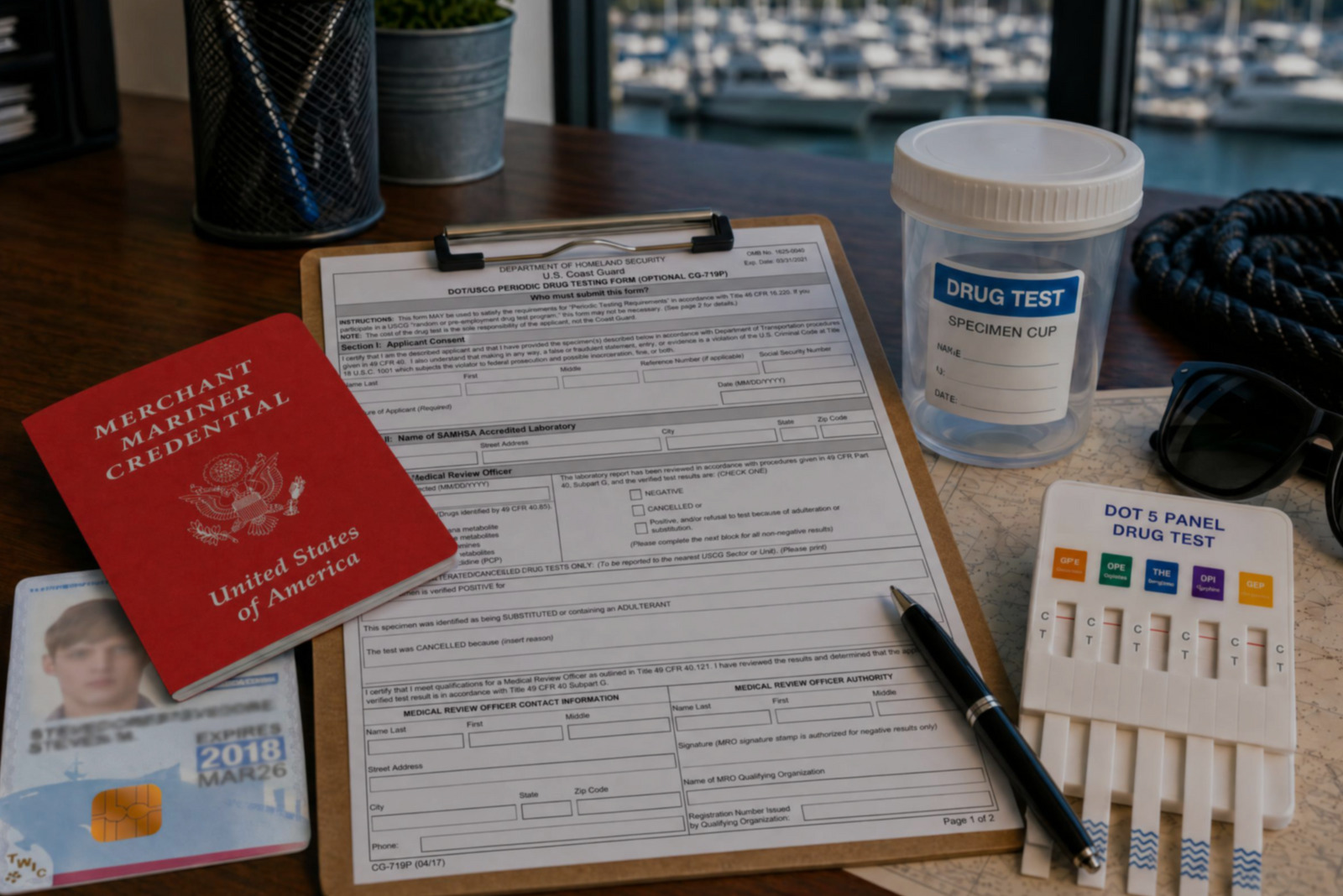

Discover the three types of drug tests working captains must submit to even after they’ve met the initial USCG drug testing requirements for their license.
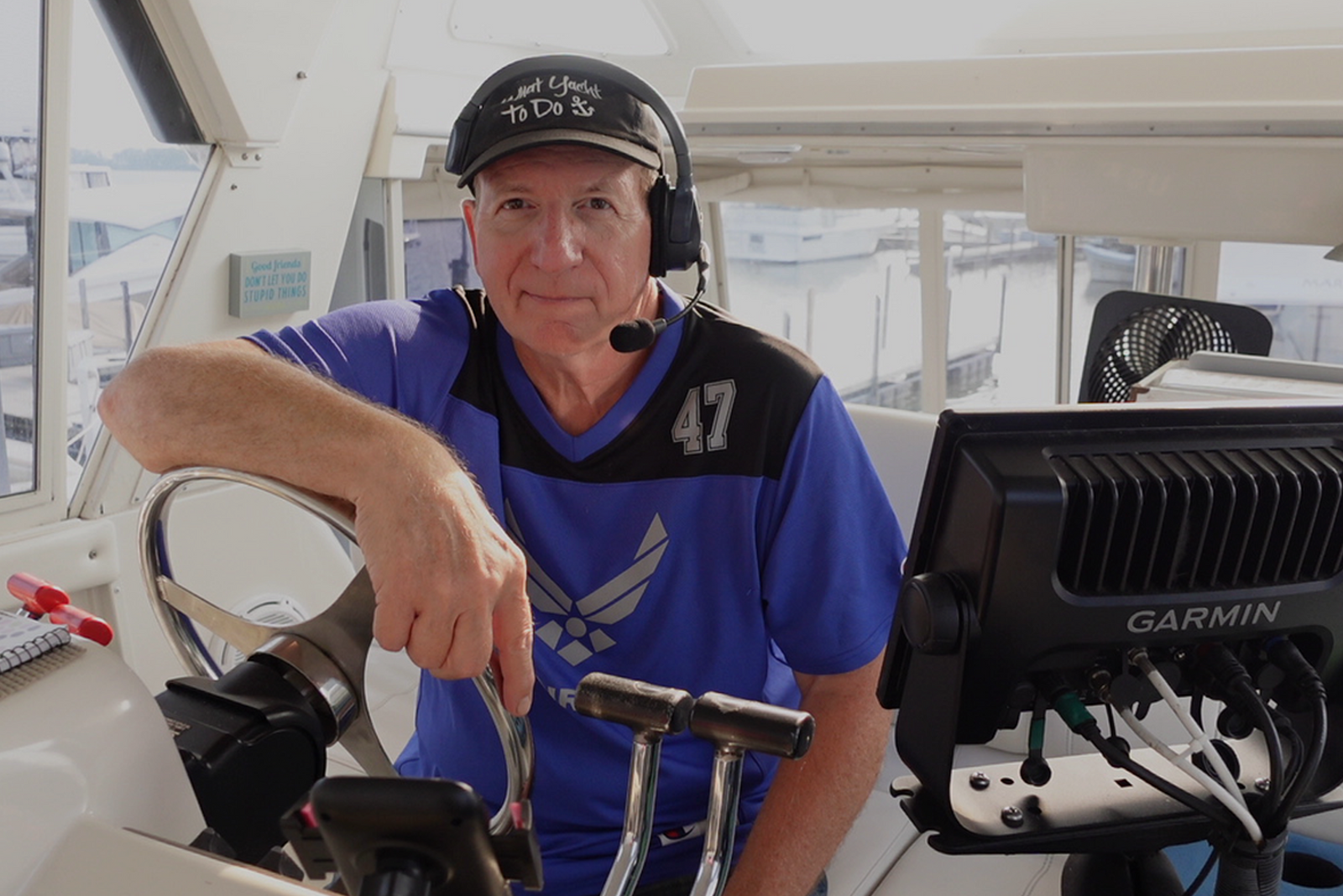

Discover how a retired airline pilot became obsessed with the Great Loop and built a thriving captain training business through Mariners Learning System.


Learn which substances the MMC drug test looks for, plus how masking agents and false positives factor in.


Discover the five most common mistakes mariners make on the captain’s license physical, plus a checklist for how to avoid them.
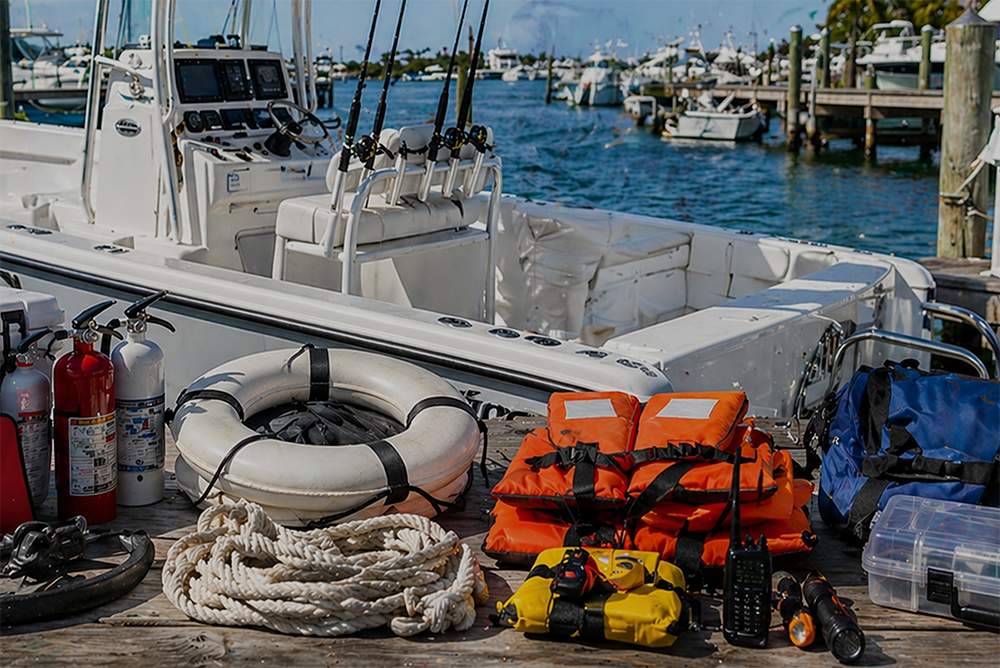

Discover why so many charter captains run out of money and how to plan every startup cost from your vessel purchase to guest-ready outfitting.

Learn how to build a charter business plan that covers pricing, expenses, and marketing so your captain’s license leads to lasting profit.

Transform how you talk about price with proven anchoring strategies and value-first framing that stops charter guests from shopping around.


Discover how charter captains use hybrid pricing models and seasonal adjustments to increase revenue and simplify bookings for every guest type.