

Meet Navi: Your 24/7 AI Instructor Inside the MLS Classroom
Unlock 24/7 access to Navi, an AI instructor trained on MLS course material, so you can ask questions, run practice quizzes, and nail your captain’s exam.


You’ve earned your captain’s license, bought the boat, and you’re ready to take passengers. Then reality hits: You have no idea how many trips you need to break even, what to charge, or how to handle the slow season.
This gap between enthusiasm and execution sinks more charter businesses than bad weather ever could. A solid business plan bridges that gap, turning your maritime skills into sustainable income.
A business plan answers four questions about your operation. What specific services do you offer? Who will pay for those services? How will you generate consistent revenue and cover expenses? How will you adapt when conditions change?
Without clear answers to those questions, you’ll find yourself reacting to problems instead of preventing them. You’ll undervalue your services, miss growth opportunities, and struggle to qualify for funding when you need it most.
A strong business plan helps you operate like an owner, not a captain alone. It provides the framework for securing loans or partnerships when you’re ready to expand. Most importantly, it prevents the burnout that comes from poor planning and constant financial stress. The document doesn’t need to be complex or formal. It needs to be honest, detailed, and focused on action. Captains looking to build a profitable charter model start with a plan like this before they set a single price.

Your charter business plan covers eight specific areas. Each section builds on the previous one, creating a complete picture of your operation.
Executive Summary: Start with your business name, home port, and the type of charter services you provide. Include your specialties and core mission statement. Keep this section to one page.
Market Profile: Identify your target customers by age, budget, and interests. Note seasonal patterns in your area and visitor demographics. Knowing who books charters and when they visit shapes every other decision you make.
Service Offerings: Detail your trip types, duration, and passenger capacity. Specify your pricing model and any value-added features that set you apart. Be precise about what customers receive for their money.
Operations Plan: Document your vessel specifications, safety procedures, and licensing status. Include staffing plans if you’ll hire crew members. Describe your booking and payment systems in detail.
Marketing Plan: Explain how customers will find you. List specific platforms like Google Business, Instagram, or GetMyBoat. Include plans for dock signage, referral programs, or partnerships with local businesses. Reviewing proven marketing tactics for charter captains gives you a head start.
Financial Plan: Calculate startup costs, fixed monthly expenses, and variable costs per trip. Project your income based on realistic booking estimates. Identify your break-even point in clear numbers.
Funding Strategy: Determine how much capital you need and where it will come from. Specify how you’ll use any borrowed or invested funds. Include backup plans if initial funding falls short.
Long-Term Vision: Set specific goals for years one, three, and five. Consider fleet expansion, new routes, or strategic partnerships. Make these goals measurable and tied to revenue or growth metrics.
Captain Sarah built Sea Glass Adventures in Narragansett Bay, Rhode Island. Her business plan started as a simple document but became the roadmap for her successful operation.
She identified her target market as visitors aged 35 to 60, primarily couples and small families celebrating special occasions. Her service model focused on private two-hour coastal cruises with a flat rate of $425, plus optional upgrades like photo packages or picnic baskets.
Starting with $9,500 in capital, she calculated fixed monthly expenses of $1,350. Her break-even point required booking trips at $225 each. To build a sustainable operation with reinvestment capacity, she set a goal of 20 trips monthly at full price.
Her marketing focused on three channels: Instagram for visual storytelling, Google Business for local search visibility, and GetMyBoat for broader reach. She distributed flyers at local marinas where her target customers often stayed.
Within three years, she achieved her goal of adding a second vessel with a part-time captain for weekday runs. The expansion only happened since her original plan included specific growth milestones and funding strategies.
You don’t need expensive software or an MBA to create a useful business plan. Google Docs or Microsoft Word work perfectly for writing your plan outline. Google Sheets or Excel handle financial projections and expense tracking.
The Small Business Administration offers free one-page planning templates designed for small operators. Some captains prefer the Business Model Canvas for visualizing their operation at a glance.
The best tool is the one you’ll actually use consistently. Choose based on your comfort level with technology and your commitment to regular updates.
Many captains think business plans only matter when seeking loans. This mindset leads to costly mistakes and missed opportunities.
Without a plan, you’ll underestimate the number of trips needed to cover expenses. You’ll struggle to explain your value proposition to potential customers. Critical expenses like maintenance reserves or seasonal insurance adjustments catch you by surprise.
Most damaging, you’ll make reactive decisions based on immediate pressures instead of strategic choices aligned with long-term goals. You become the CEO of your vessel whether you planned for it or not. Own that role with clarity and intention.
A documented business plan opens doors you might not anticipate. Small Business Administration microloans up to $50,000 become accessible with proper documentation. State tourism development programs often support marine businesses that can show economic impact.
Veteran-owned business incentives and minority business development centers require business plans for qualification. Marine lenders evaluate your operation’s viability through your planning documents.
Your plan helps when approaching hotels, concierges, or booking agents for partnerships. It shows professionalism and serious intent, making collaboration more likely. When you need to add partners or staff, your plan provides the framework for clear agreements. Captains who run referral-driven businesses find that a documented plan makes those conversations smoother.
Start by opening a blank document or downloading a simple template. Create headings for all eight core sections discussed above. Write two to three bullet points under each heading based on what you already know about your operation.
Set a specific date to revisit and revise your initial draft. Business plans evolve as you learn and grow, so don’t aim for perfection on the first attempt.
Review your plan quarterly and adjust course before problems develop. Smart captains know that conditions change, and successful operations require constant adjustment.
A boat and a license don’t make a business. Success comes from knowing your market, pricing your services appropriately, managing expenses, and planning for growth. Start your plan today, whether it’s rough notes or a full draft. Your future operation depends on the work you do now.
Visit Mariners Learning System for business planning resources built for charter captains.

Ask a question, share an experience, or add a helpful tip related to this article. Comments may appear after review to prevent spam.
Unlock 24/7 access to Navi, an AI instructor trained on MLS course material, so you can ask questions, run practice quizzes, and nail your captain’s exam.


Learn what questions to ask and how to prepare for a captain’s license drug test to ensure you avoid the most common application delays.
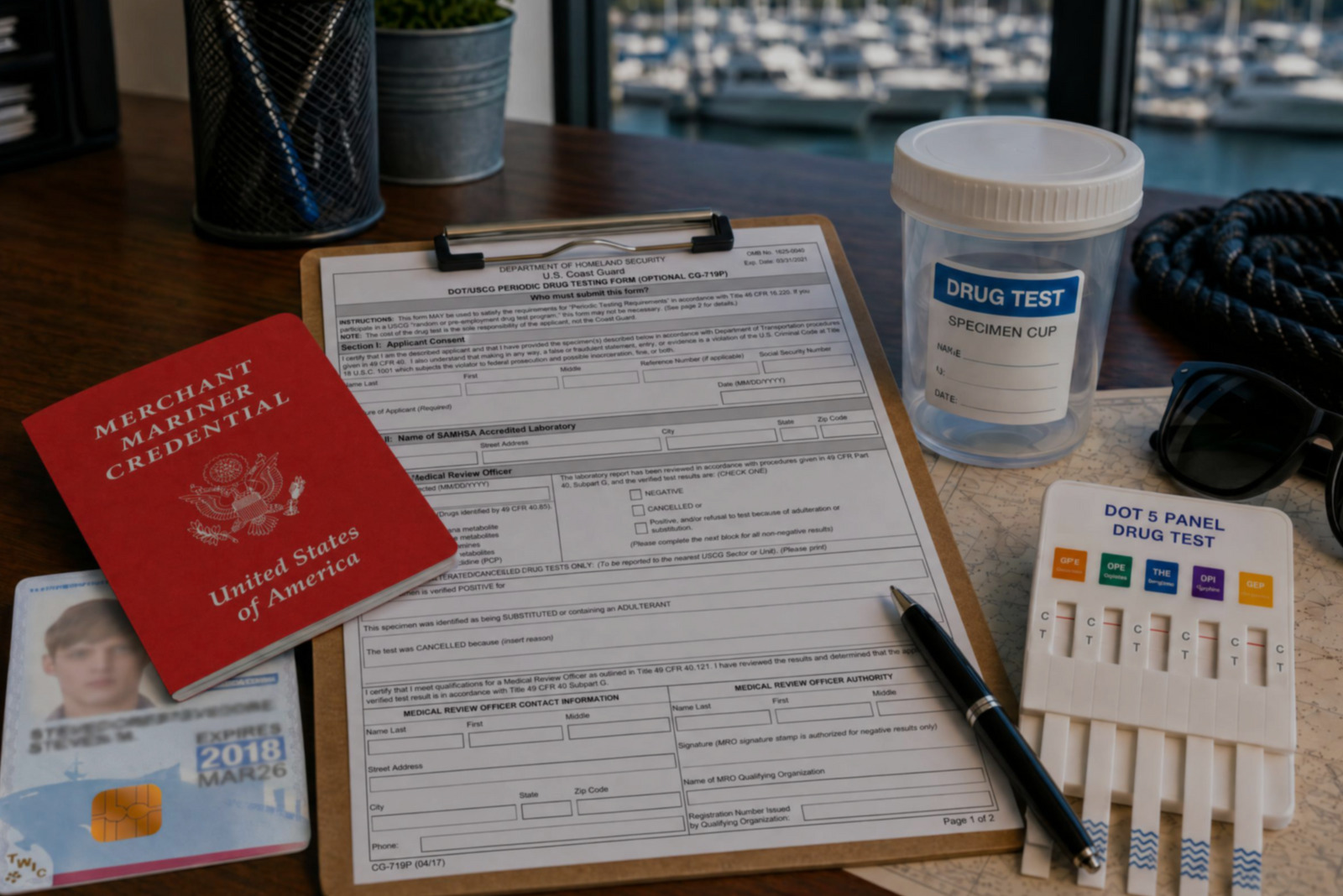

Discover the three types of drug tests working captains must submit to even after they’ve met the initial USCG drug testing requirements for their license.
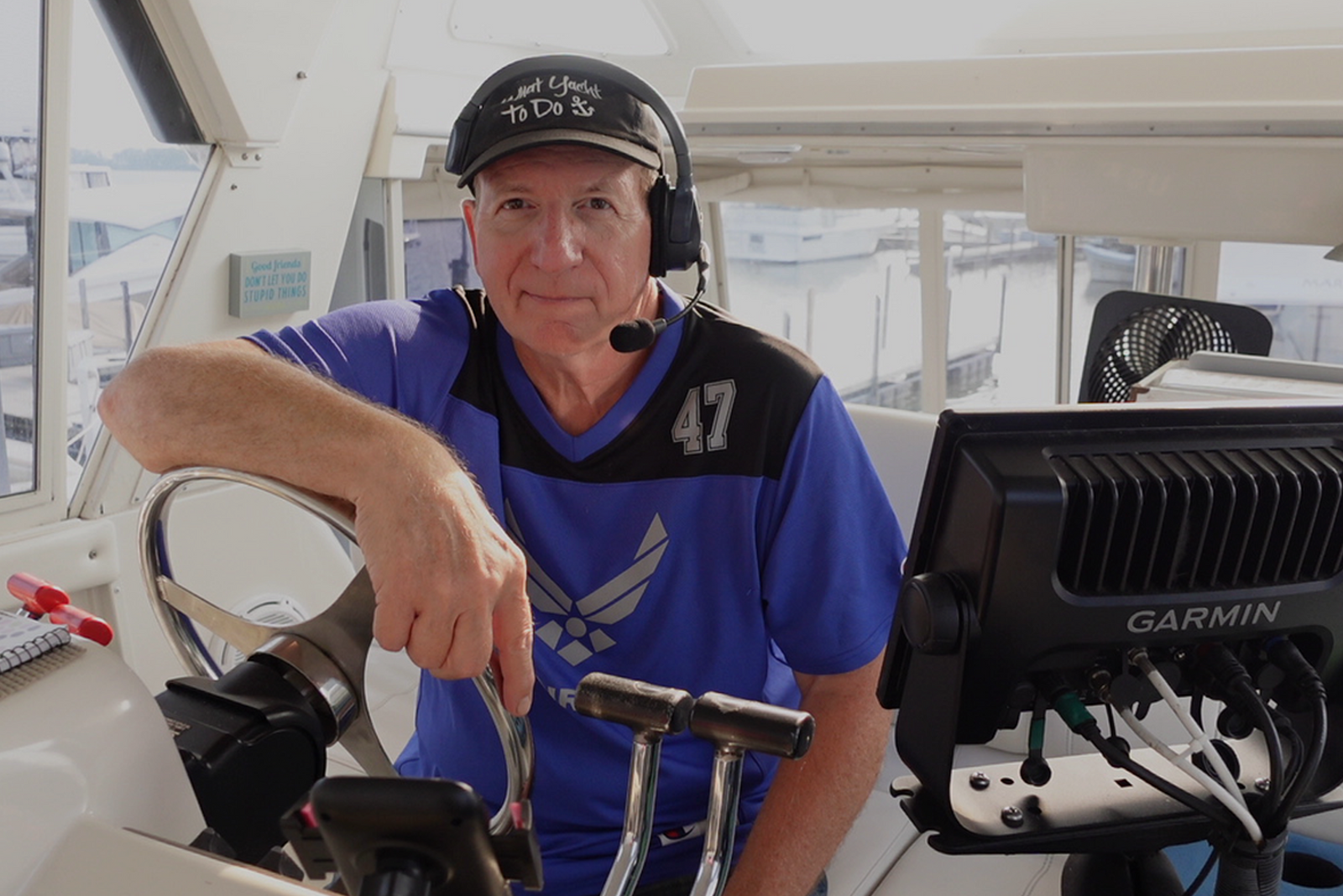

Discover how a retired airline pilot became obsessed with the Great Loop and built a thriving captain training business through Mariners Learning System.


Learn which substances the MMC drug test looks for, plus how masking agents and false positives factor in.


Discover the five most common mistakes mariners make on the captain’s license physical, plus a checklist for how to avoid them.
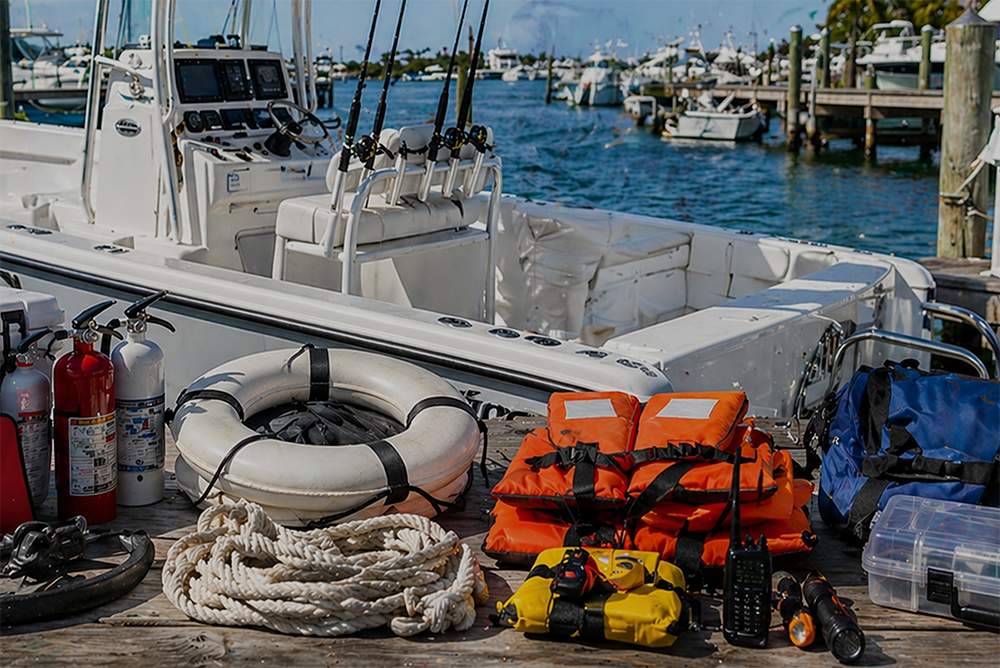

Discover why so many charter captains run out of money and how to plan every startup cost from your vessel purchase to guest-ready outfitting.
Learn how to build a charter business plan that covers pricing, expenses, and marketing so your captain’s license leads to lasting profit.


Transform how you talk about price with proven anchoring strategies and value-first framing that stops charter guests from shopping around.


Discover how charter captains use hybrid pricing models and seasonal adjustments to increase revenue and simplify bookings for every guest type.