

Meet Navi: Your 24/7 AI Instructor Inside the MLS Classroom
Unlock 24/7 access to Navi, an AI instructor trained on MLS course material, so you can ask questions, run practice quizzes, and nail your captain’s exam.


Your next best customer already knows you. They rode your boat last summer. They heard about you from a friend. They’re waiting for a reason to book again.
New customer acquisition costs five times as much as retention. Yet most captains spend all their energy chasing strangers while past guests forget they exist.
Building systems for repeat business and referrals takes your charter from constant hustle to sustainable growth.
Every satisfied guest represents a network of future bookings.
Captain Sarah recently tracked a single customer’s impact over two years. The original $300 sunset cruise led to four family bookings, two corporate referrals, and three anniversary returns. Total revenue: $4,200 from one satisfied couple.
Compare that to discount seekers who never return. The half-price Groupon customer who complained about everything never booked again. Neither did their friends. That discounted trip costs money when you factor in the opportunity loss.
Repeat guests behave differently, too. They arrive on time because they know your meeting spot. They follow instructions because they trust your judgment. They tip better because they value the relationship.
Referral customers convert more easily. When someone says, “Captain Mike is the best! You have to use him,” price becomes secondary. Trust transfers through recommendation.
Good trips are forgettable. Memorable experiences that exceed expectations create loyalty.
Remembering names may seem small, but it matters. When Captain Amy greets returning guests with “Welcome back, Johnson family,” she’s no longer just a service provider. She’s their captain.
Thoughtful gestures are memorable. Captain Joe noticed a guest shivering and offered his spare jacket. That guest has sent twelve referrals over three years, always mentioning “the captain who gave me his jacket.”
Confident problem-solving builds trust. When weather forced Captain Lisa to modify her route, she explained the decision clearly and delivered an excellent alternative experience. Guests appreciated her leadership and rebooked for better conditions.
Going slightly beyond the service you promised creates stories worth sharing.
Captain Dan promises two-hour tours but often extends them by 15 minutes when conditions are perfect. “We’re seeing great wildlife, so let’s enjoy a few extra minutes” delights guests without setting unsustainable expectations.
Small surprises matter. Captain Beth keeps a Polaroid camera aboard for special occasions. Anniversary couples receive their photo in a simple card. The cost is two dollars, and the value is priceless memories and guaranteed referrals.
Solving unspoken problems demonstrates care. Captain Tim noticed a family struggling with seasick children. He immediately adjusted course for calmer water and offered ginger candies he keeps aboard. They’ve booked annually since.
Make rebooking and referring easy. Guests want to support businesses they enjoyed, but life gets busy. Remove friction from the process.
Captain Mark mentions future opportunities naturally: “If you enjoyed today, our fall foliage tours are spectacular” or “Many guests bring visiting relatives, and we’d love to meet yours.”
Simple systems work best: a business card with “10% off your next trip” written on it, a text reminder when seasonal tours begin, an easy-to-remember website URL, etc.

Successful retention doesn’t require expensive software. It needs consistent execution of simple steps.
Gather guest details naturally during booking or boarding. Names, occasions, and contact information form your foundation.
Captain Kate uses her waiver form strategically. In addition to safety acknowledgments, it includes optional fields for birthdays, anniversaries, and “How did you hear about us?”
Store information accessibly. A simple spreadsheet works fine. Include date, names, occasion, notes, and contact (e.g., “June 15: Smith family, dad’s 60th, loved the eagle sighting, from Connecticut”).
Note behavioral patterns, too: early arrivers versus last-minute, question-askers versus quiet observers. These details personalize future interactions.
Strike while memories are warm. Within 48 hours, send a brief thank-you message.
“Thanks for joining us yesterday! That dolphin encounter was special. Hope you enjoyed the rest of your vacation. – Captain John”
Add value, don’t just sell. Include the photo you took. Share the name of that bird they asked about. Mention the restaurant you recommended.
Captain Bill schedules seasonal touchpoints. His spring message to summer guests reads, “Boat is back in the water! Weather is perfect if you’re planning a visit.” It’s simple and friendly, not pushy.
Reward loyalty without training guests to expect discounts.
“Returning guest priority booking” costs nothing but makes people feel valued. They get the first choice of dates during your busy season.
Captain Sue offers “Bring a friend” benefits. Returning guests who bring new customers receive a small thank-you. Both parties win, and she gains qualified referrals.
Package deals encourage frequency. “Book three trips, get 10% off each” works better than single-trip discounts. It builds relationships while improving revenue.
People share great experiences without prompting. Make it easier and more likely.
Plant seeds during the experience. “Most of our guests find us through friends’ recommendations” sets an expectation without pressure.
Captain Dave mentions casually, “If you know anyone visiting the area, feel free to share my card. We love meeting friends of friends.” This strategy is natural and grateful, not salesy.
During his farewell, he says, “Thanks for trusting us with your special day. If you know anyone looking for a similar experience, we’d be honored to help.”
Photos are referral tools. Captain Laura takes group photos at the scenic spot, then shares them with permission to post. Tagged guests share with their networks.
Reviews drive referrals: “If you enjoyed today, we’d appreciate a Google review. It helps other families find us.” Specific platform requests work better than a generic “Leave a review somewhere.”
Captain Pete features a “Guest Photo Wall” on his website. With permission, he posts customer photos with brief stories. Past guests love seeing themselves, and prospects see real people enjoying trips.
Acknowledge referrals publicly when appropriate. “Thanks to the Johnsons for sending you our way!” makes both parties feel valued.
Captain Alice sends handwritten thank-you notes to referrers. Five minutes and a stamp create lasting impressions. Include a small gift certificate for their next trip.
Track referral sources religiously. When someone books three trips from one referral source, that referrer deserves special recognition. They’re your unpaid sales team.
Not every interaction should feel transactional. Build genuine connections within professional boundaries.
Remember details without being creepy. “How did your daughter’s graduation go?” shows care. Knowing her shoe size would be weird.
Captain Rob keeps notes simple: “Son plays travel hockey, wife teaches, dog named Rover.” That’s enough to show attention, but not enough to seem like a stalker.
Share appropriately about yourself. Brief mentions of your experience or family humanize you without oversharing. Guests connect with people, not just services.
Some guests want friendship, so maintain a warm, professional demeanor without crossing lines that complicate business.
Captain Emma politely declines Facebook friend requests from guests but created a business page for them to follow. This strategy maintains professional visibility without personal intrusion.
Address special requests consistently. If you make exceptions for one guest, word spreads. “Captain gives friends free trips” kills your business model.
Keep financial discussions professional. Returning guests might expect increasing discounts. “Our returning guest rate is…” maintains value while showing appreciation.
As your business grows, personal touches become harder. Systems maintain connection without overwhelming you.
Email templates save time while maintaining warmth. Create versions for different occasions: family trips, celebrations, and corporate groups.
Captain George uses email scheduling to send birthday greetings to past guests: “Hope you have a fantastic birthday! Would love to help you celebrate on the water.”
Booking software can track guest history. When repeat guests book online, send automatic recognition: “Welcome back! We’re excited to see you again.”
Teach your team to recognize returning guests. Share the importance of names and personal details.
Captain Wendy briefs her deckhand before each trip: “The Smiths are returning. Mention how calm the water is today since Mrs. Smith was nervous last time.”
Document successful retention strategies. What follow-up messages work? Which incentives drive rebooking? Share winning approaches across your team.
Track metrics that matter for sustainable growth.
Monitor return guest percentage. Healthy charter businesses see 30–40% repeat bookings. A metric below 20% suggests experience or follow-up problems.
Calculate customer lifetime value. Average booking multiplied by typical return frequency. This number justifies retention investment.
Captain Paul discovered that each retained customer averaged 3.5 bookings over two years. Investing $20 in retention efforts per guest returned $350 in revenue.
Review referral sources monthly. Which guests send the most referrals? What triggered those recommendations? Replicate successful patterns.

Retention and referral systems create exponential returns:
Start simple. Thank yesterday’s guests. Contact last month’s customers. Mention referrals today.
Excellence in retention beats brilliance in acquisition. Your next best customer already knows you. Give them reasons to return and share.
Ask a question, share an experience, or add a helpful tip related to this article. Comments may appear after review to prevent spam.
Unlock 24/7 access to Navi, an AI instructor trained on MLS course material, so you can ask questions, run practice quizzes, and nail your captain’s exam.


Learn what questions to ask and how to prepare for a captain’s license drug test to ensure you avoid the most common application delays.
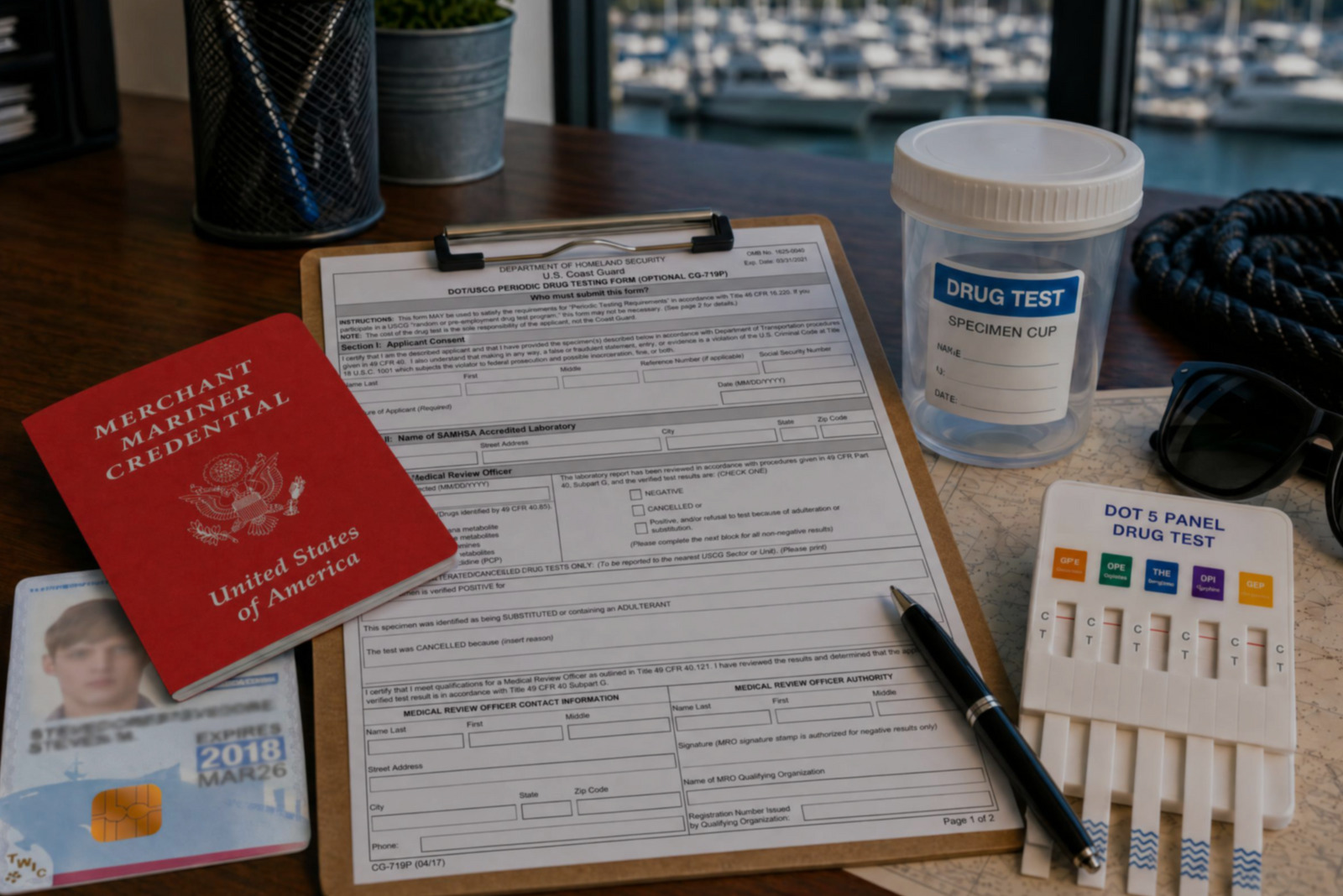

Discover the three types of drug tests working captains must submit to even after they’ve met the initial USCG drug testing requirements for their license.
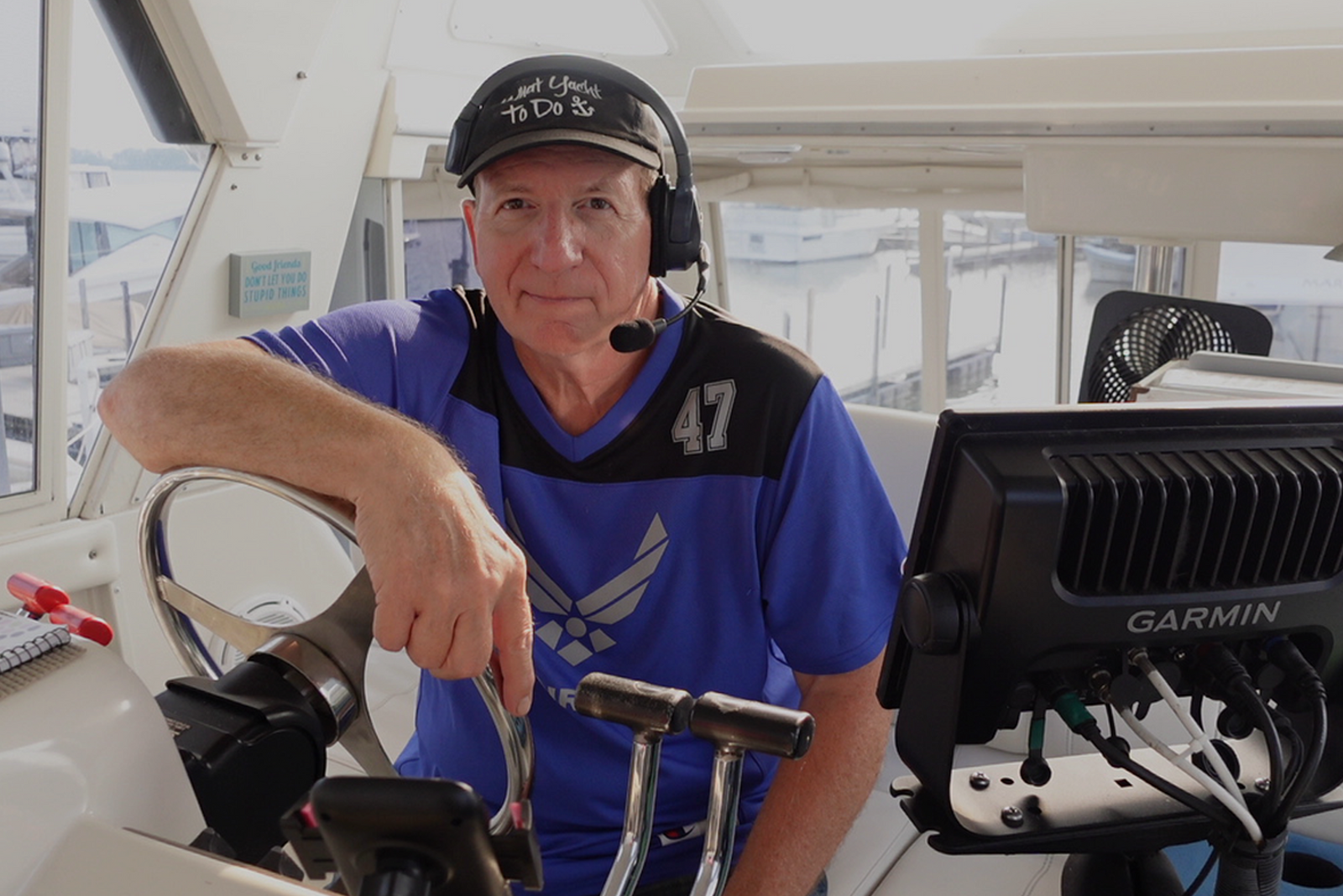

Discover how a retired airline pilot became obsessed with the Great Loop and built a thriving captain training business through Mariners Learning System.


Learn which substances the MMC drug test looks for, plus how masking agents and false positives factor in.


Discover the five most common mistakes mariners make on the captain’s license physical, plus a checklist for how to avoid them.
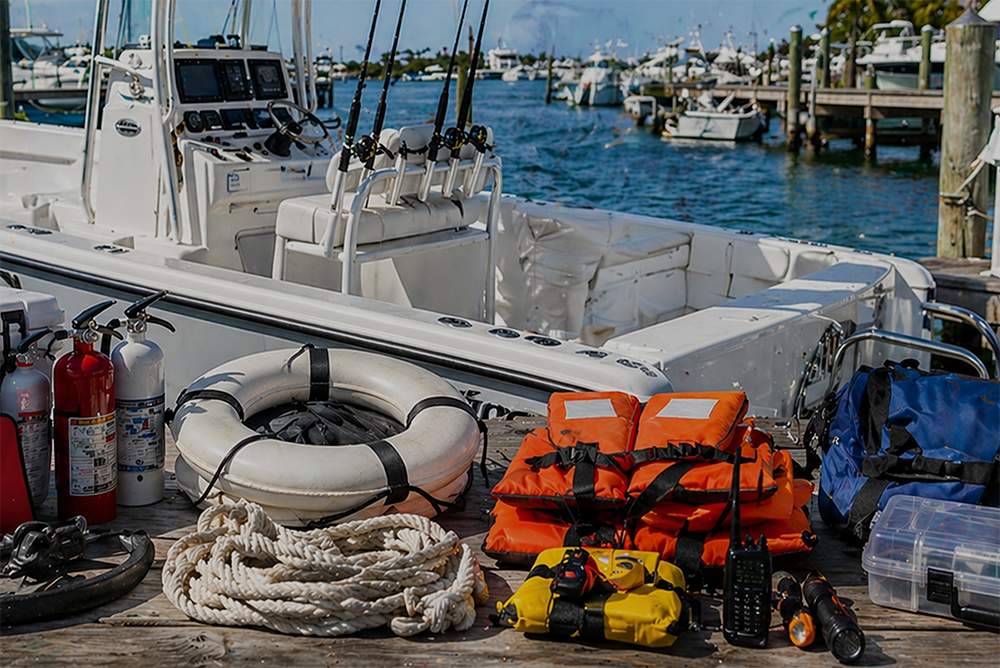

Discover why so many charter captains run out of money and how to plan every startup cost from your vessel purchase to guest-ready outfitting.

Learn how to build a charter business plan that covers pricing, expenses, and marketing so your captain’s license leads to lasting profit.

Transform how you talk about price with proven anchoring strategies and value-first framing that stops charter guests from shopping around.


Discover how charter captains use hybrid pricing models and seasonal adjustments to increase revenue and simplify bookings for every guest type.