

Meet Navi: Your 24/7 AI Instructor Inside the MLS Classroom
Unlock 24/7 access to Navi, an AI instructor trained on MLS course material, so you can ask questions, run practice quizzes, and nail your captain’s exam.
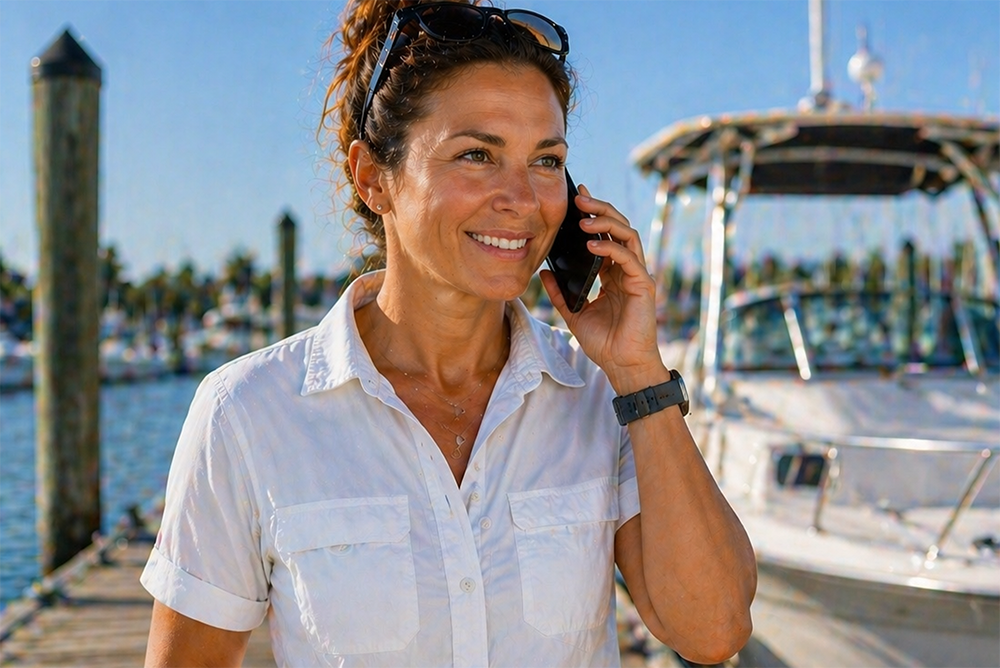

A potential guest calls. After some friendly conversation, they ask the inevitable question: “So, how much?”
Your response in the next 10 seconds determines whether they book or hang up. Fumble your words, apologize for your rate, or sound uncertain, and they’re gone.
Price communication comes down to confidence, clarity, and value.
Guests don’t buy your charter alone. They buy your confidence in delivering it.
Captain Mike used to say, “It’s $425. I know that’s kind of expensive, but...” He lost half his bookings before finishing the sentence. Now he says, “It’s $425 for your private two-hour sunset cruise, which includes drinks, narration, and photography.” His booking rate doubled. Same price. Different delivery. Completely different results.
Your tone signals professionalism. When you sound certain, guests trust you’re worth the price. When you waffle, they wonder what’s wrong. Captains who deliver professional experiences dock to dock carry that same confidence into every conversation.
Captain Lisa practiced her pricing statement in the mirror until it felt natural. The first time she said it confidently to a customer, they booked immediately. No questions. No negotiation.
Most captains quote a price then immediately defend it. Stop. Frame what’s included instead.
Weak: “It’s $450, which might seem high, but fuel is expensive and insurance costs a lot.”
Strong: “Your private charter is $450, which includes up to six guests, all safety equipment, local expertise, refreshments, and a cooler for your catch.”
Captain Tony learned to list inclusions naturally. Guests stopped questioning the price and started asking about departure times. He stopped chasing budget bookings and focused on guests who valued quality.
Never justify your rate with your costs. Guests don’t care about your fuel bill. They care about their experience. Instead of explaining expenses, paint the picture of their trip. Help them visualize the value they’re buying.

People evaluate prices by comparison. Give them the right comparison point.
Captain Sarah tells inquiring families: “Most boats charge $75–100 per person. For your family of five, that’s $375–500 for tickets. We offer the entire boat privately for $425, so you’re not sharing with strangers.”
She’s not lying or manipulating. She’s providing context that makes her price feel smart, not expensive. Knowing the full range of charter business models gives you anchor points for any conversation.
Captain Jim anchors differently for couples: “You could join a crowded sunset cruise for $60 each, sharing with 30 strangers. We offer private intimacy for $350 total.”
Same service, different anchor points based on who’s asking.

Having ready responses prevents fumbling. Practice these until they flow naturally.
Guest: “What’s your rate for a fishing trip?”
You: “Our four-hour private fishing charter is $495 for up to six guests. That includes all tackle, bait, licenses, and fish cleaning. We focus on putting everyone on fish, not riding around.”
Guest: “Another captain quoted $395.”
You: “Good options exist out there. We’re priced at $495 since we include premium equipment, fish cleaning, and a focus on putting you on fish. Most of our guests come back for that reason.”
Guest: “Any discounts available?”
You: “Our price includes all costs upfront, so no surprises. I do have some Tuesday morning slots at our weekday rate if that works for your schedule.”
Notice what these scripts do: acknowledge the question, state value confidently, redirect to booking. Captains who train their communication skills handle these moments smoothly every time.
Not everyone will be your customer. That’s okay. Handle rejection professionally and you might get referrals anyway.
Guest: “That’s way more than we wanted to spend.”
Weak response: “Oh, um, well maybe I could do $50 off?”
Strong response: “I completely understand. For a more budget-friendly option, you might try the party boats at the main dock. They’re around $60 per person. If you decide you want a more private experience, I’ll be here.”
Captain Dan learned to recommend competitors gracefully when price-mismatched guests called. Several came back later when they realized they wanted quality over savings. Smart pricing builds your reputation and your referral pipeline at the same time.
Never chase bad bookings. One discount-hunting, demanding guest can ruin your entire week.
Price resistance often stems from poor value communication throughout your marketing.
Your website reinforces value before price appears. Quality photos show comfort and safety. Reviews mention worth and value. Descriptions focus on inclusions and experience. Reviewing your marketing strategy with fresh eyes often reveals where value gets lost.
Captain Kate revised her GetMyBoat listing. Instead of leading with “Six-passenger boat for hire,” she wrote, “Your private yacht experience with captain, refreshments, and local expertise.” Inquiries shifted from “What’s your cheapest rate?” to “Is Saturday available?”
Response time affects price perception, too. Quick, professional responses signal reliability worth paying for.
Captain Felipe responds to inquiries within an hour using saved templates. His booking rate stays 30% higher than competitors who take days to reply.
Never apologize for your pricing. Apologies plant doubt.
Don’t say: “Sorry it’s so expensive.” “I know it’s a lot.” “It’s high since...” “I wish I could charge less.”
These statements tell guests your price isn’t justified.
Captain Monica used to apologize reflexively. She practiced neutral statements instead. “The charter is $425” became her simple response. Bookings increased 40% when she stopped undermining herself. The same professional confidence that earns respect on the water earns bookings on the phone.
Write your one-sentence price statement. Include the price and three value points. Practice it until it’s automatic.
Prepare responses for common objections. Don’t wing it when guests push back.
Audit your marketing materials. Does each element reinforce value before price appears?
Captain Brenda spent one afternoon perfecting her price communication. She wrote scripts, practiced delivery, and updated her listings. Her next 10 inquiries produced seven bookings. Previous average? Three.
Your price communicates professional worth. State it clearly. Reinforce the value confidently. Let your service quality do the convincing.
Visit Mariners Learning System for training on pricing, marketing, and professional charter management.
Ask a question, share an experience, or add a helpful tip related to this article. Comments may appear after review to prevent spam.
Unlock 24/7 access to Navi, an AI instructor trained on MLS course material, so you can ask questions, run practice quizzes, and nail your captain’s exam.


Learn what questions to ask and how to prepare for a captain’s license drug test to ensure you avoid the most common application delays.
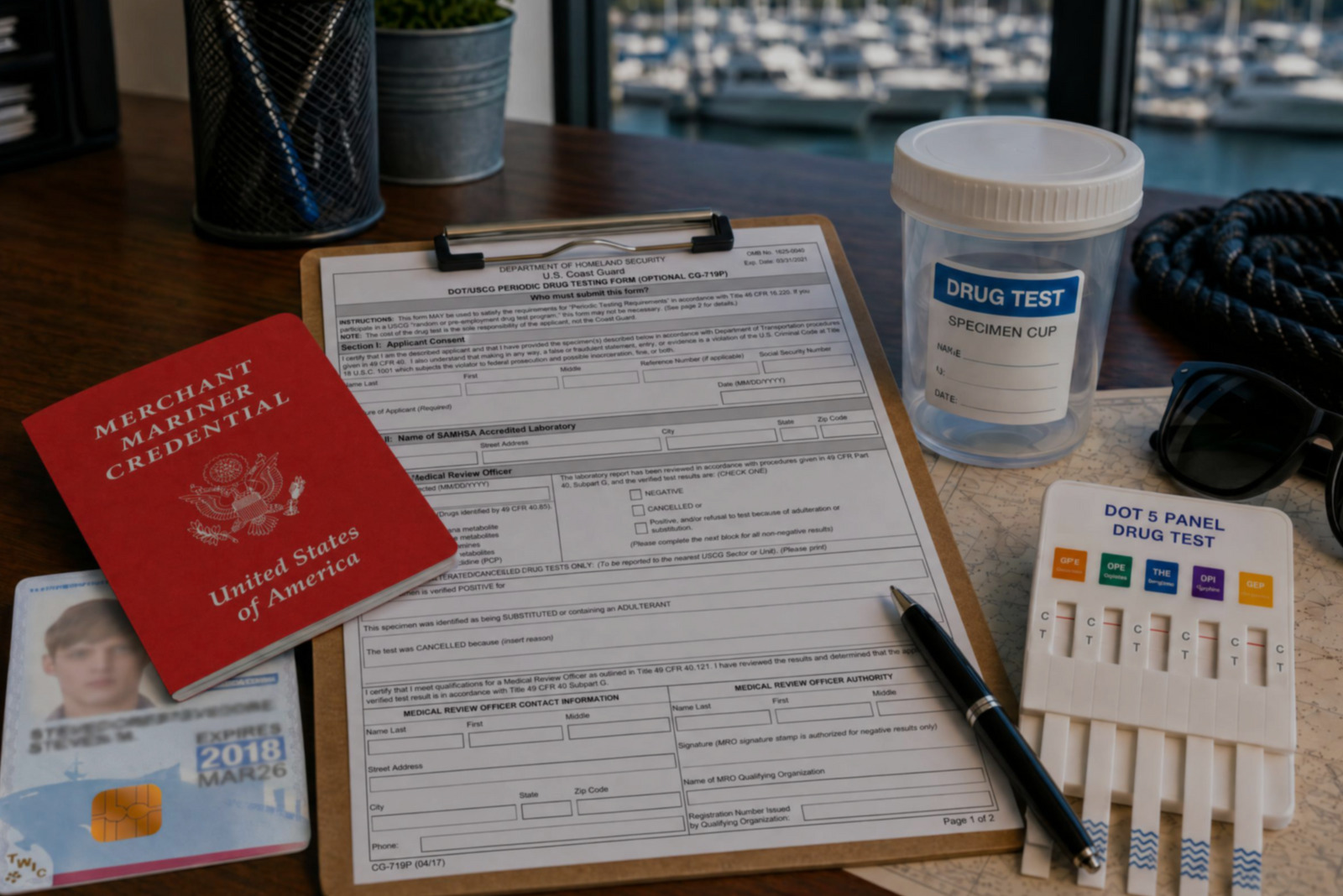

Discover the three types of drug tests working captains must submit to even after they’ve met the initial USCG drug testing requirements for their license.
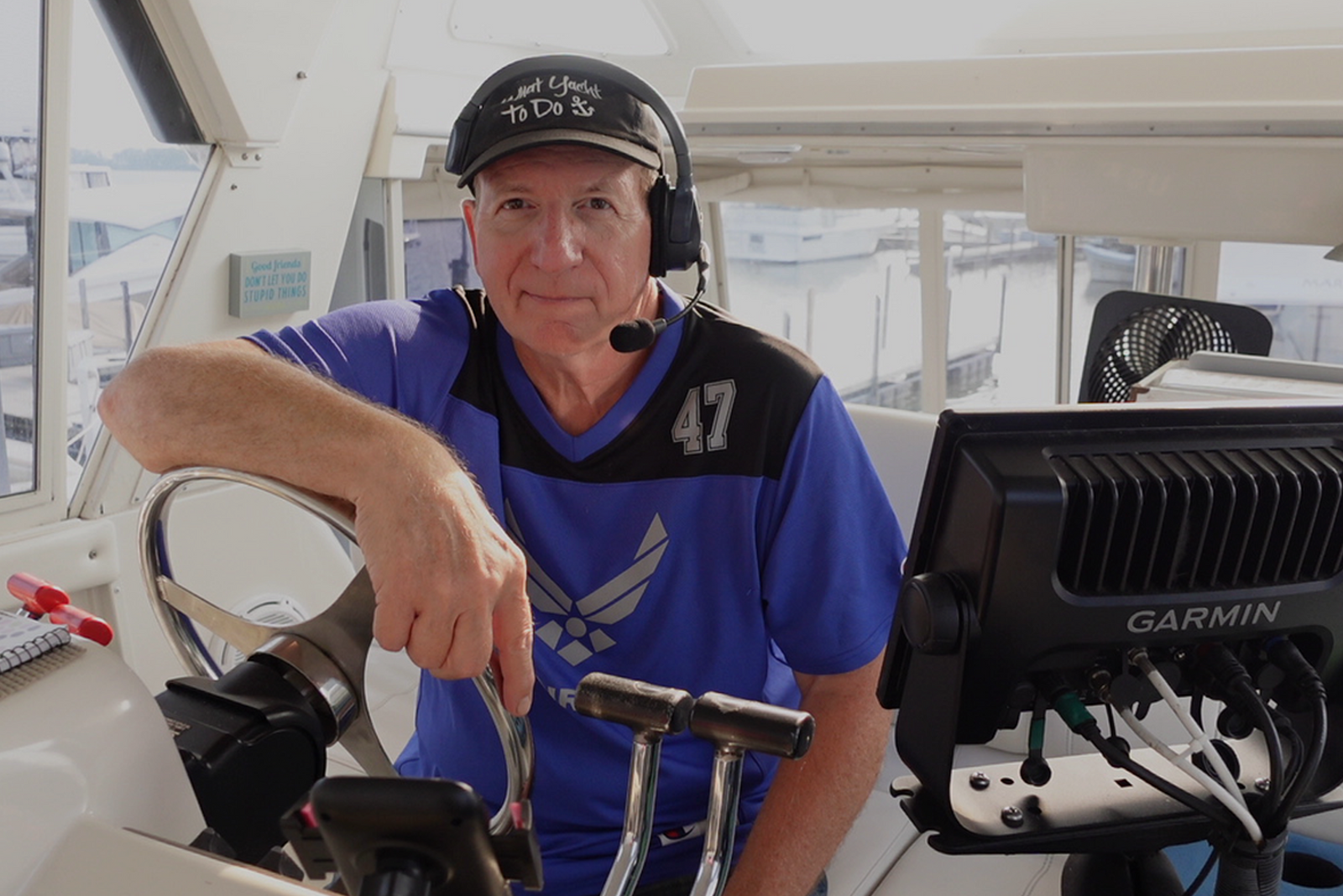

Discover how a retired airline pilot became obsessed with the Great Loop and built a thriving captain training business through Mariners Learning System.


Learn which substances the MMC drug test looks for, plus how masking agents and false positives factor in.


Discover the five most common mistakes mariners make on the captain’s license physical, plus a checklist for how to avoid them.
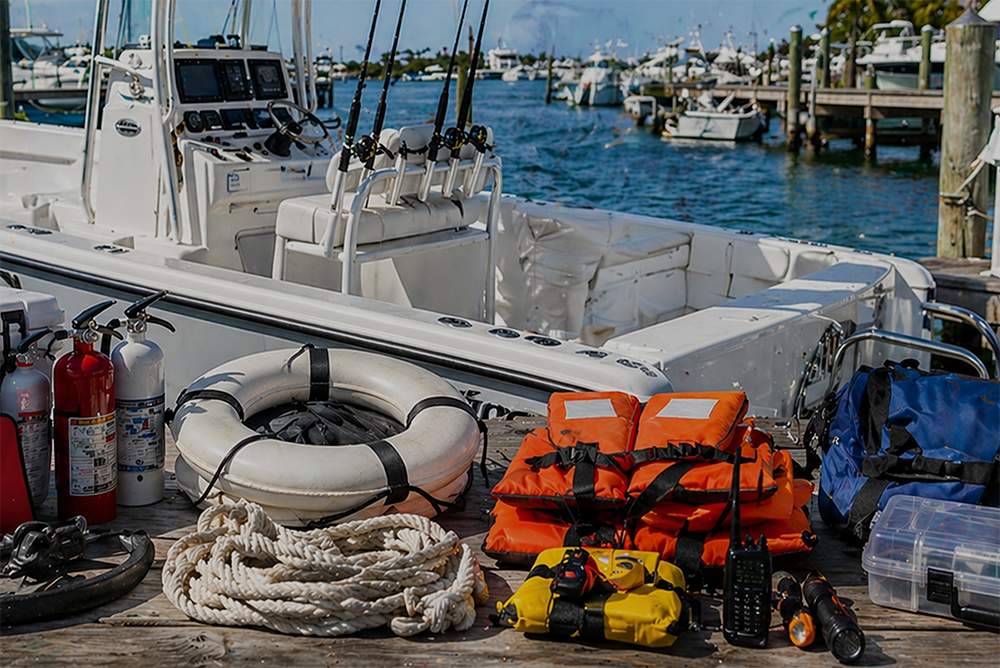

Discover why so many charter captains run out of money and how to plan every startup cost from your vessel purchase to guest-ready outfitting.
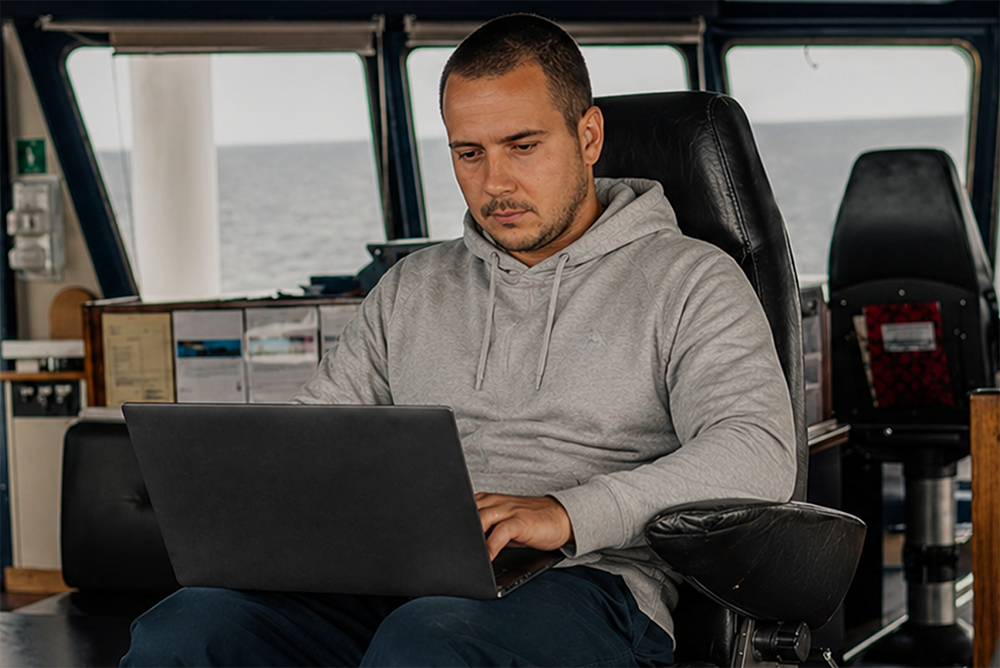

Learn how to build a charter business plan that covers pricing, expenses, and marketing so your captain’s license leads to lasting profit.
Transform how you talk about price with proven anchoring strategies and value-first framing that stops charter guests from shopping around.


Discover how charter captains use hybrid pricing models and seasonal adjustments to increase revenue and simplify bookings for every guest type.