

Meet Navi: Your 24/7 AI Instructor Inside the MLS Classroom
Unlock 24/7 access to Navi, an AI instructor trained on MLS course material, so you can ask questions, run practice quizzes, and nail your captain’s exam.

You’ve calculated your charter business needs $40,000 to launch. Six months later, you’re out of money, scrambling to cover basic expenses, and wondering where your planning went wrong.
This scenario plays out for captains who underestimate startup costs or miss entire categories of expenses. Successful launches require knowing the total investment and where every dollar goes.
Your boat determines your entire business model. The vessel you choose affects your pricing structure, service style, route options, and customer capacity.
You have several acquisition options. Buying new provides warranty protection and customization but requires maximum capital. Purchasing used from private sellers or brokers reduces initial cost but may need immediate upgrades. Leasing or financing spreads costs over time but includes interest charges. Operating someone else’s vessel under partnership agreements minimizes capital requirements but limits control. Knowing which charter model fits your license helps narrow your vessel search.
Hull age and construction material affect both purchase price and ongoing maintenance costs. The type of charter service you plan determines vessel requirements and total cost. A six-pack fishing operation needs different specs than a sunset cruise or eco-tour business.

The purchase price is the beginning of vessel acquisition costs. Sales tax and titling fees add thousands to your initial investment. Coast Guard documentation runs several hundred dollars if you choose federal registration over state.
A professional marine survey and mechanical inspection protect you from hidden problems but cost $500 to $2,000. This expense pays for itself if the surveyor finds issues that change your negotiating position or save you from a bad purchase. If you’ll trailer your vessel, factor in trailer purchase, registration, and maintenance. Initial detailing and deep cleaning prepare your vessel for paying customers.
Several factors influence your total vessel investment. Vessel condition, size, and passenger capacity directly impact price. Outboard engines typically cost less to maintain and insure than inboards. Equipment already installed saves money compared to bare-bones vessels requiring outfitting from scratch.
Captain Mike learned the importance of matching vessel to market when he started his Charleston fishing charter. His 24-foot center console cost $35,000 used, but it perfectly suited his harbor fishing trips. A larger vessel would have increased costs without adding value for his specific operation.
Every captain faces outfitting expenses, and they add up faster than expected. Costs vary based on vessel size, current condition, and service type, but no charter operation avoids them entirely. This category covers all equipment needed for legal operation and guest comfort.

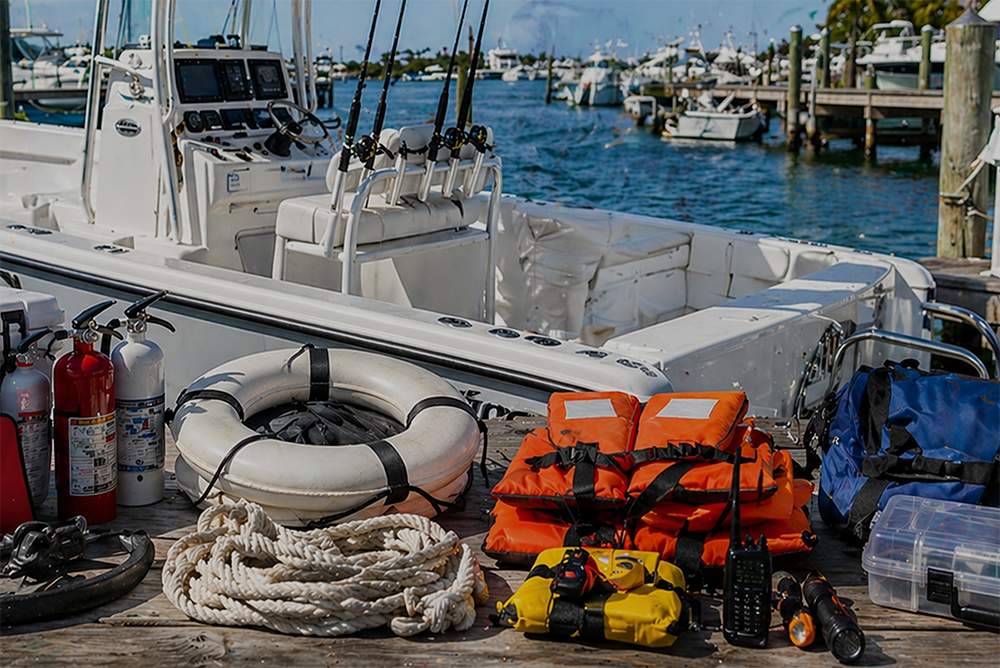
The Coast Guard mandates specific safety gear regardless of your operation type. You’ll need USCG-approved personal flotation devices for every passenger, sized appropriately for adults and children. A Type IV throwable device must be readily accessible.
Visual distress signals for both day and night use are mandatory. Sound signaling devices, properly sized fire extinguishers, and backfire flame arrestors for gasoline engines complete the basic requirements. Don’t forget ventilation systems, bilge pumps, first aid kits, and spare parts like fuses and belts. Review the full USCG requirements before purchasing.
Beyond safety requirements, guest comfort determines repeat bookings and referrals. A quality bimini top or sunshade protects passengers from sun exposure. Deck cushions, coolers, and cup holders improve comfort during trips.
Storage solutions like dry bags and lockers keep guest belongings secure. USB charging ports address modern device needs. A PA system or Bluetooth speakers enable narration or ambiance depending on your service type. The right comfort items directly affect whether guests leave positive reviews and send friends your way.
Cleaning equipment deserves special attention. You’ll need hoses, buckets, sanitizer, and trash storage to maintain professional standards between trips.
Your specific charter type may require additional investments. Fishing charters need quality gear, bait tanks, and rod holders. Wildlife viewing operations benefit from binoculars and waterproof guidebooks. Photography-focused trips might include tripod mounts or GoPro brackets. Longer excursions require galley accessories like portable coolers, utensils, and folding tables.
Captain Sarah at Sea Glass Adventures spent $4,000 outfitting her vessel. She started with required safety gear and basic comfort items, then added upgrades based on customer feedback after her first season. This approach prevented overspending on unnecessary equipment and kept her compliant from day one.
A full set of quality PFDs, flares, and required gear easily exceeds $1,000. Don’t compromise on safety to save money.
List every item needed before your first legal trip. Research actual prices rather than making optimistic guesses. Add 20% to your total for unexpected costs that always arise.
Compare your calculated needs to available funding. If a gap exists, prioritize safety and compliance first, then basic marketing, then comfort upgrades.
Consider phased purchases where possible. Start with the items needed for basic operation, then add improvements as revenue allows. Captain Sarah’s approach at Sea Glass Adventures proves this works: start lean, stay compliant, and let paying guests tell you what to add next.
Your vessel and equipment make up the largest chunk of your startup investment. Getting these decisions right from the start prevents costly corrections later.
Visit Mariners Learning System for startup planning resources built for charter captains.
Ask a question, share an experience, or add a helpful tip related to this article. Comments may appear after review to prevent spam.
Unlock 24/7 access to Navi, an AI instructor trained on MLS course material, so you can ask questions, run practice quizzes, and nail your captain’s exam.


Learn what questions to ask and how to prepare for a captain’s license drug test to ensure you avoid the most common application delays.
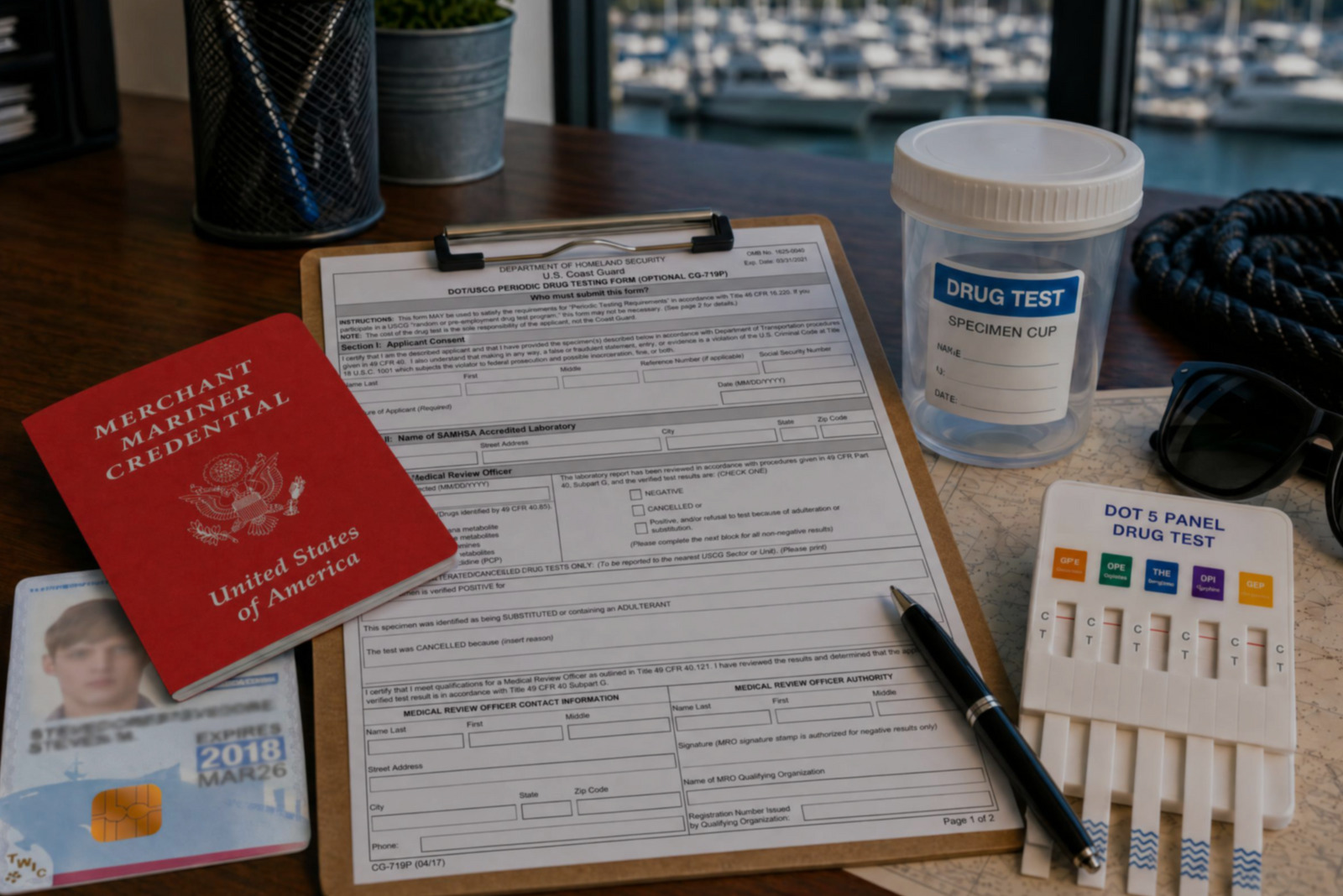

Discover the three types of drug tests working captains must submit to even after they’ve met the initial USCG drug testing requirements for their license.
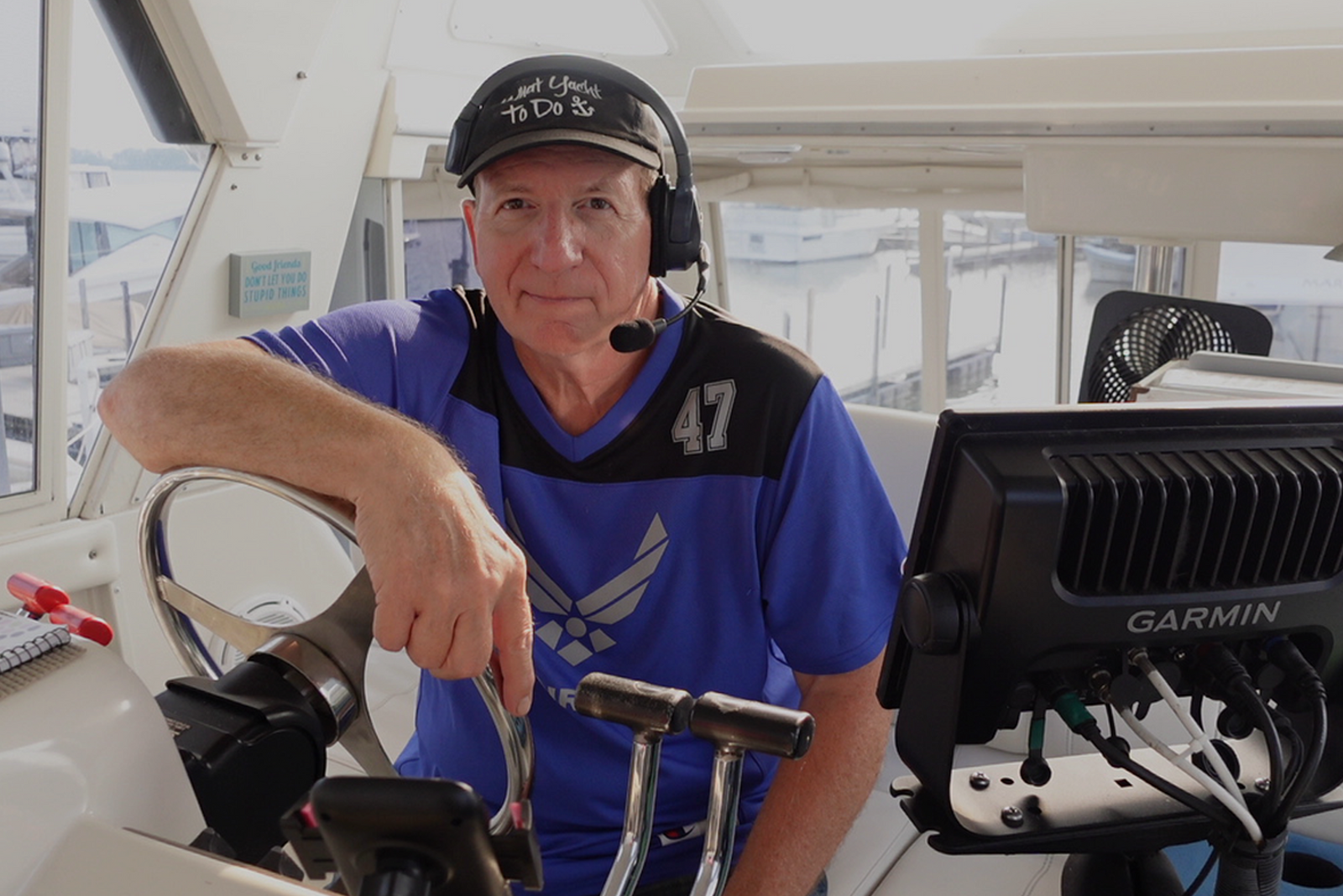

Discover how a retired airline pilot became obsessed with the Great Loop and built a thriving captain training business through Mariners Learning System.


Learn which substances the MMC drug test looks for, plus how masking agents and false positives factor in.


Discover the five most common mistakes mariners make on the captain’s license physical, plus a checklist for how to avoid them.
Discover why so many charter captains run out of money and how to plan every startup cost from your vessel purchase to guest-ready outfitting.

Learn how to build a charter business plan that covers pricing, expenses, and marketing so your captain’s license leads to lasting profit.

Transform how you talk about price with proven anchoring strategies and value-first framing that stops charter guests from shopping around.

Discover how charter captains use hybrid pricing models and seasonal adjustments to increase revenue and simplify bookings for every guest type.