

Meet Navi: Your 24/7 AI Instructor Inside the MLS Classroom
Unlock 24/7 access to Navi, an AI instructor trained on MLS course material, so you can ask questions, run practice quizzes, and nail your captain’s exam.
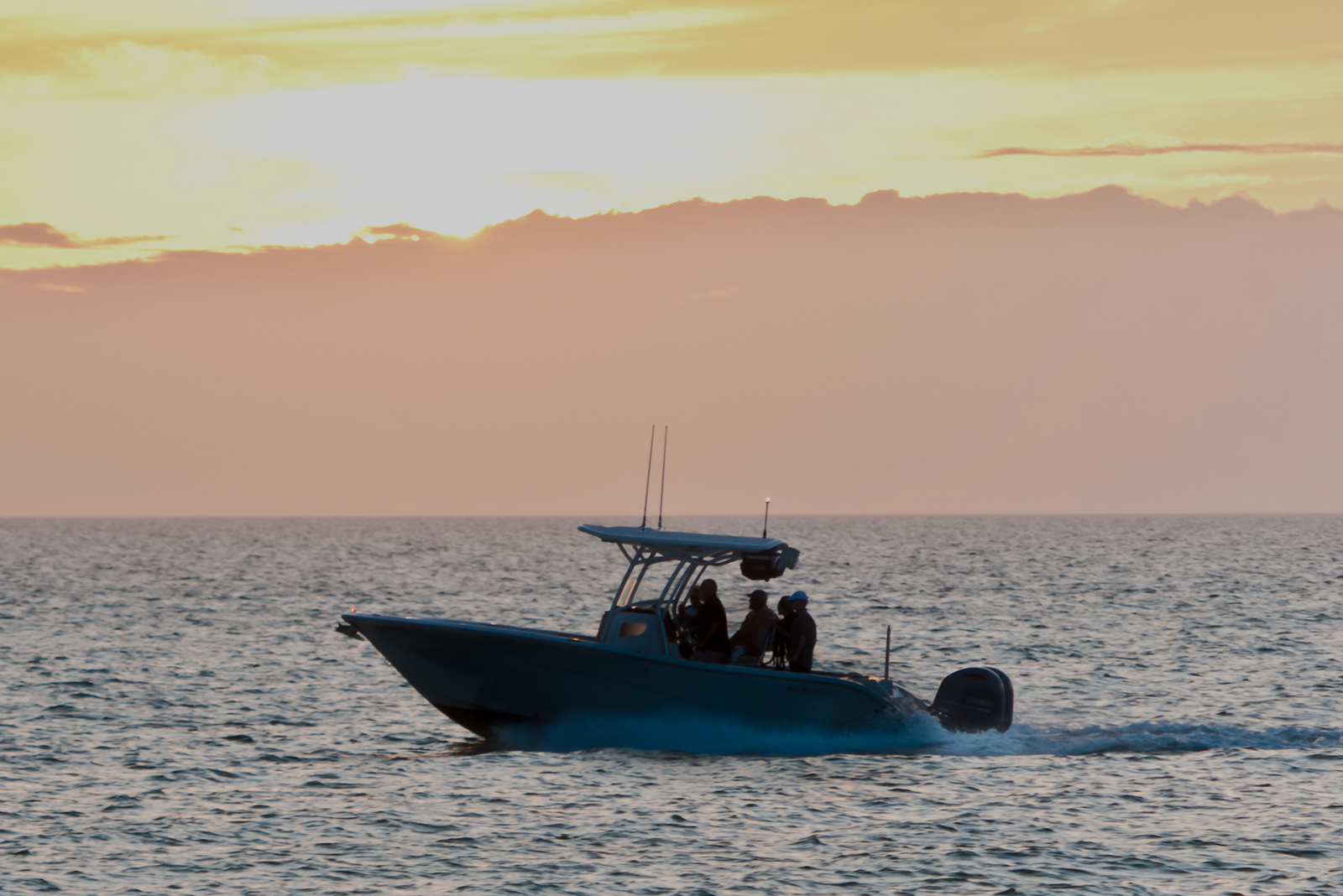

The weather forecast showed calm seas. Two hours later, Captain Mike was fighting a three-foot chop with six seasick passengers who definitely weren’t leaving five-star reviews.
Too many captains treat the weather as a daily decision rather than a business strategy. Environmental patterns affect scheduling, pricing, customer satisfaction, and profitability.
Whether you’re running fishing charters, eco tours, or dinner cruises, environmental awareness separates professional operations from amateur ones.
The wind doesn’t just affect your passengers’ comfort. It determines whether you can operate at all. A 15-knot breeze from the wrong direction turns protected waters into washing machines. Learn your area’s prevailing winds by season and time of day.
Summer sea breezes might build predictably every afternoon, creating perfect morning conditions but rough afternoons. Winter cold fronts could bring days of unfishable weather followed by spectacular calm periods. These patterns should shape your entire booking calendar.
Captain Sarah in St. Petersburg learned how changes in wind direction affect operations. East winds create horrible chop in the bay, but perfect conditions along the beaches. She now offers different trips based on wind direction, which keeps customers happy regardless of conditions and maximizes her operating days.
Tides affect more than water depth. Strong tidal currents make docking challenging, especially with nervous passengers watching, while extreme low tides might expose hazards or make your usual launch ramp unusable. Factor these variations into every trip plan.

Your business model must account for seasonal realities. Some operators try to force year-round schedules in areas with clear off-seasons. This leads to cancelled trips, disappointed customers, and damaged reputations.
Water temperature affects fishing success and swimming comfort. Customers who expect clear, warm water for snorkeling won’t appreciate murky, cold conditions.
Wildlife patterns drive many charter businesses. Whale watching tours without whales don’t generate referrals. Captain Joe learned this through trial and error, and he now adjusts his marketing and tour types based on seasonal migrations. When marine mammals move elsewhere, he offers birding tours.
Storm seasons, too, require strategic planning. Hurricane season doesn’t mean shutting down for six months, but it does mean different cancellation policies, preparation procedures, and customer communications.
Tourist patterns follow predictable seasonal flows. Spring breakers want party boats, while families seek educational summer experiences and retirees prefer comfortable fall weather. Match your services to seasonal demand.
Modern forecasting tools help captains plan operations, and knowing which tools to trust and how to interpret them makes a world of difference.
Start with marine-specific forecasts, not general weather apps. Windy.com, PredictWind, and SailFlow will give you detailed marine conditions, including wave height, period, and direction. These details matter more than wind speed alone.
NOAA marine zones give official forecasts for your waters. Subscribe to text alerts for your zone. Real-time buoy data shows actual conditions right now, not predictions. Compare forecasts to buoy readings to learn which models work best for your area.
Consider taking a page out of Captain Amy’s book. She developed a three-source morning routine: She checks the NOAA marine forecast first, then local buoy data, and finally Windy.com’s hourly breakdown. This combination helps her make confident decisions about running or cancelling trips.
Once you’re out on the water, radar apps show approaching weather in real time. MyRadar or similar apps let you see storm cells developing and moving. This information helps you cut trips short before conditions deteriorate, not after guests are already uncomfortable.
Create routes with natural bail-out points. This way, if conditions deteriorate, you can reach protected water quickly without dramatically shortening the trip. Guests appreciate captains who adapt smoothly rather than stubbornly pushing through discomfort.
Design multiple versions of popular routes. Your “standard” two-hour tour might have a “light wind” version that explores open water and a “breezy day” version that hugs the shoreline. This flexibility keeps you operating when competitors cancel.
Captain Tom’s dolphin tour business is successful because he developed condition-specific routes. His morning route ventures into open water where dolphins feed, while his afternoon route stays in protected creeks where dolphins rest. Both find dolphins, but his passengers’ comfort depends on wind patterns.
Seasonal environmental rules can shut down your route without warning. Manatee zones, turtle nesting beaches, and bird rookeries have protection periods that vary yearly.
Subscribe to state wildlife agency alerts for your area. Florida captains need to track manatee zones that change based on water temperature, while Alaska operators navigate whale protection zones that change with migration patterns.
Red tide, algae blooms, and water quality issues affect different regions seasonally. These conditions might close beaches, kill fish, or create health hazards. Monitor environmental agencies and have alternative routes ready.
Captain Sam learned to adapt when the rookery island his primary route passes closed to boat traffic for nesting season. He developed alternative wildlife viewing routes that focused on different species and habitats. He could have lost four months of business, but his adaptability kept his bookings strong year-round.
Successful charter businesses embrace seasonality instead of fighting it. Build a realistic calendar that maximizes good conditions and minimizes weather battles.
Identify your prime season when weather conditions, wildlife appearances, and tourist demand align. These months deserve maximum marketing effort and premium pricing. Book heavily during prime season to generate income for slower periods.
Speaking of those slower periods, they bring opportunities for different services. Your summer sunset cruises might become fall photography workshops, and winter boat-handling lessons could replace spring fishing charters.
Plan maintenance and vacations during truly poor conditions. If January brings freezing temperatures and rough seas, use that time for boat work, marketing planning, and rest. Fighting winter weather for marginal bookings will damage your equipment and morale.
Customers don’t need meteorology lessons, but they do need confidence in your decision-making. Clear communication about weather prevents frustration and builds trust.
Set weather policies in advance and stick to them. For instance, “Trips run rain or shine except for lightning or winds over 20 knots” gives customers clear expectations. Share these policies on your website and in your booking confirmations.
When you need to cancel because of weather, do it early and explain simply: “Tomorrow’s forecast shows dangerous conditions, so we’re rescheduling for your safety” works better than a detailed weather analysis.
Offer alternatives when you can. If offshore conditions are rough, suggest an inland river tour. If morning storms look threatening, propose an afternoon departure. Flexible captains keep more bookings.
I like Captain Sarah’s weather communication template. She sends updates the evening before trips with simple language. Her message touches on forecast quality, trip status, and clothing suggestions. Customers appreciate the proactive communication and rarely complain about weather-related changes.
The captains who last aren’t the ones who battle through any condition. They’re the ones who work with nature instead of against it.
Get to know your local patterns, invest in proper forecasting tools, and build flexibility into every aspect of your business. Your customers might not notice all the planning that goes into avoiding rough conditions, but they’ll definitely remember the smooth, comfortable trip you provided.

Ask a question, share an experience, or add a helpful tip related to this article. Comments may appear after review to prevent spam.
Unlock 24/7 access to Navi, an AI instructor trained on MLS course material, so you can ask questions, run practice quizzes, and nail your captain’s exam.


Learn what questions to ask and how to prepare for a captain’s license drug test to ensure you avoid the most common application delays.
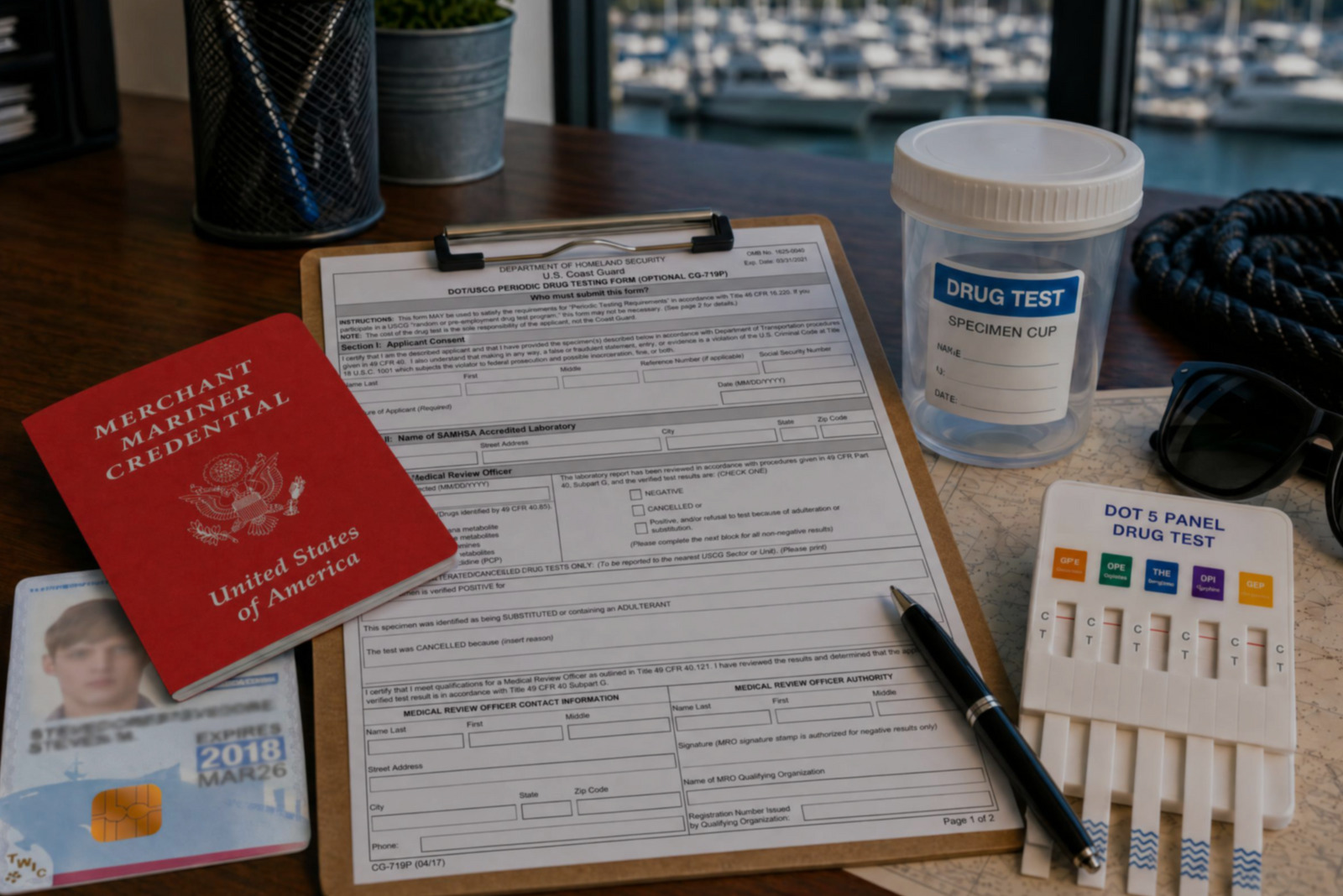

Discover the three types of drug tests working captains must submit to even after they’ve met the initial USCG drug testing requirements for their license.
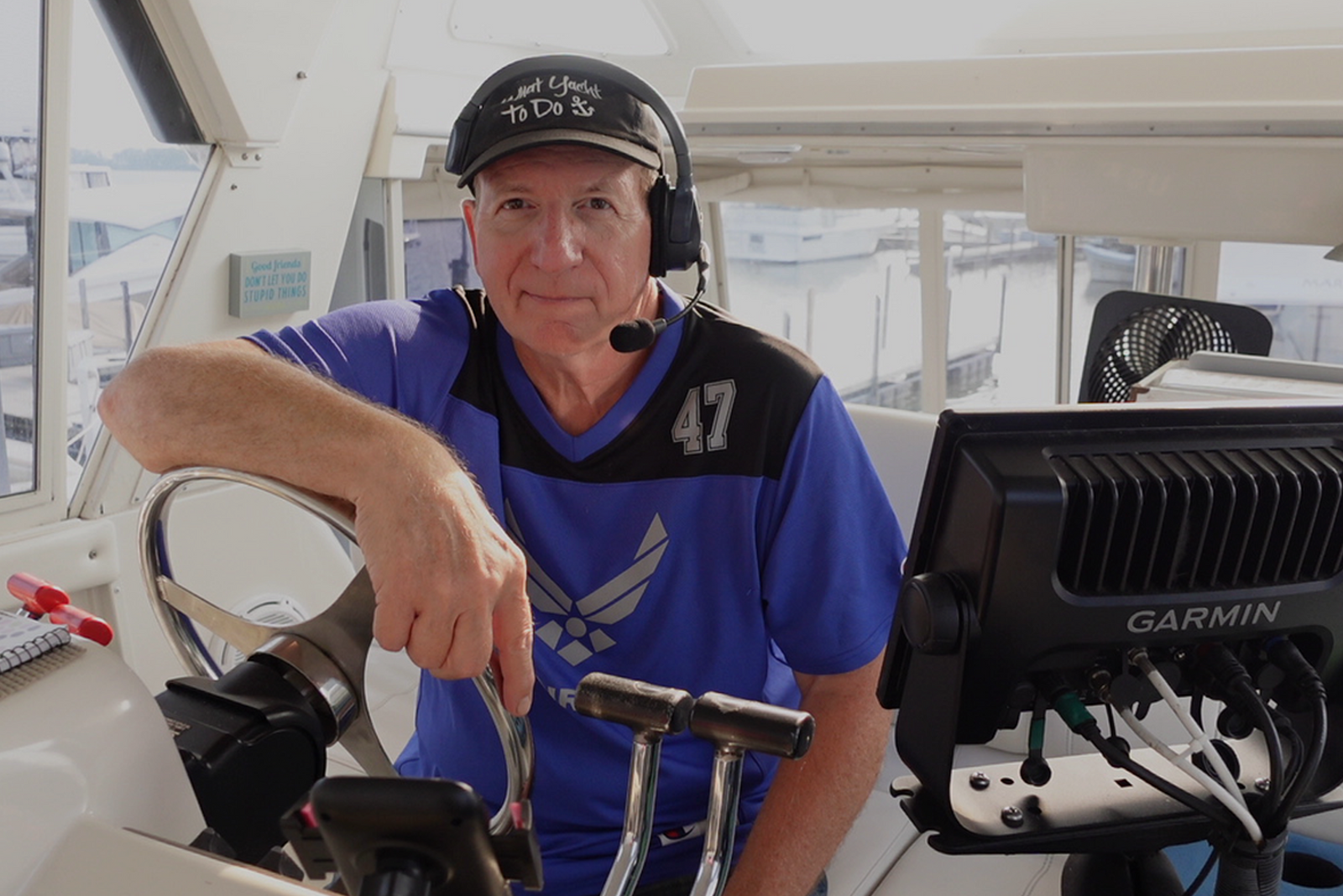

Discover how a retired airline pilot became obsessed with the Great Loop and built a thriving captain training business through Mariners Learning System.


Learn which substances the MMC drug test looks for, plus how masking agents and false positives factor in.


Discover the five most common mistakes mariners make on the captain’s license physical, plus a checklist for how to avoid them.
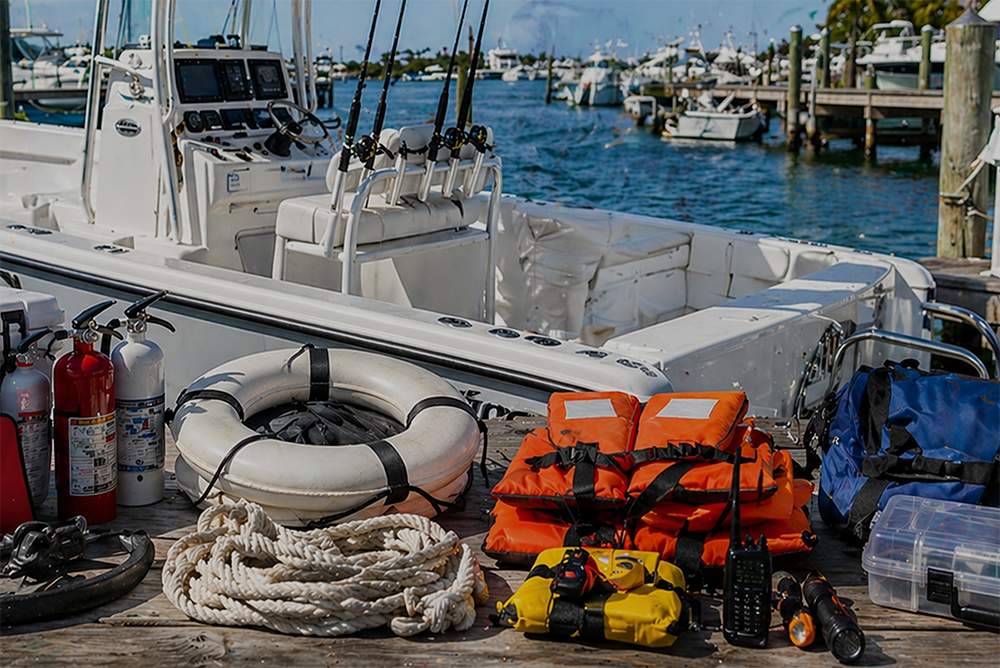

Discover why so many charter captains run out of money and how to plan every startup cost from your vessel purchase to guest-ready outfitting.

Learn how to build a charter business plan that covers pricing, expenses, and marketing so your captain’s license leads to lasting profit.

Transform how you talk about price with proven anchoring strategies and value-first framing that stops charter guests from shopping around.

Discover how charter captains use hybrid pricing models and seasonal adjustments to increase revenue and simplify bookings for every guest type.