

Meet Navi: Your 24/7 AI Instructor Inside the MLS Classroom
Unlock 24/7 access to Navi, an AI instructor trained on MLS course material, so you can ask questions, run practice quizzes, and nail your captain’s exam.
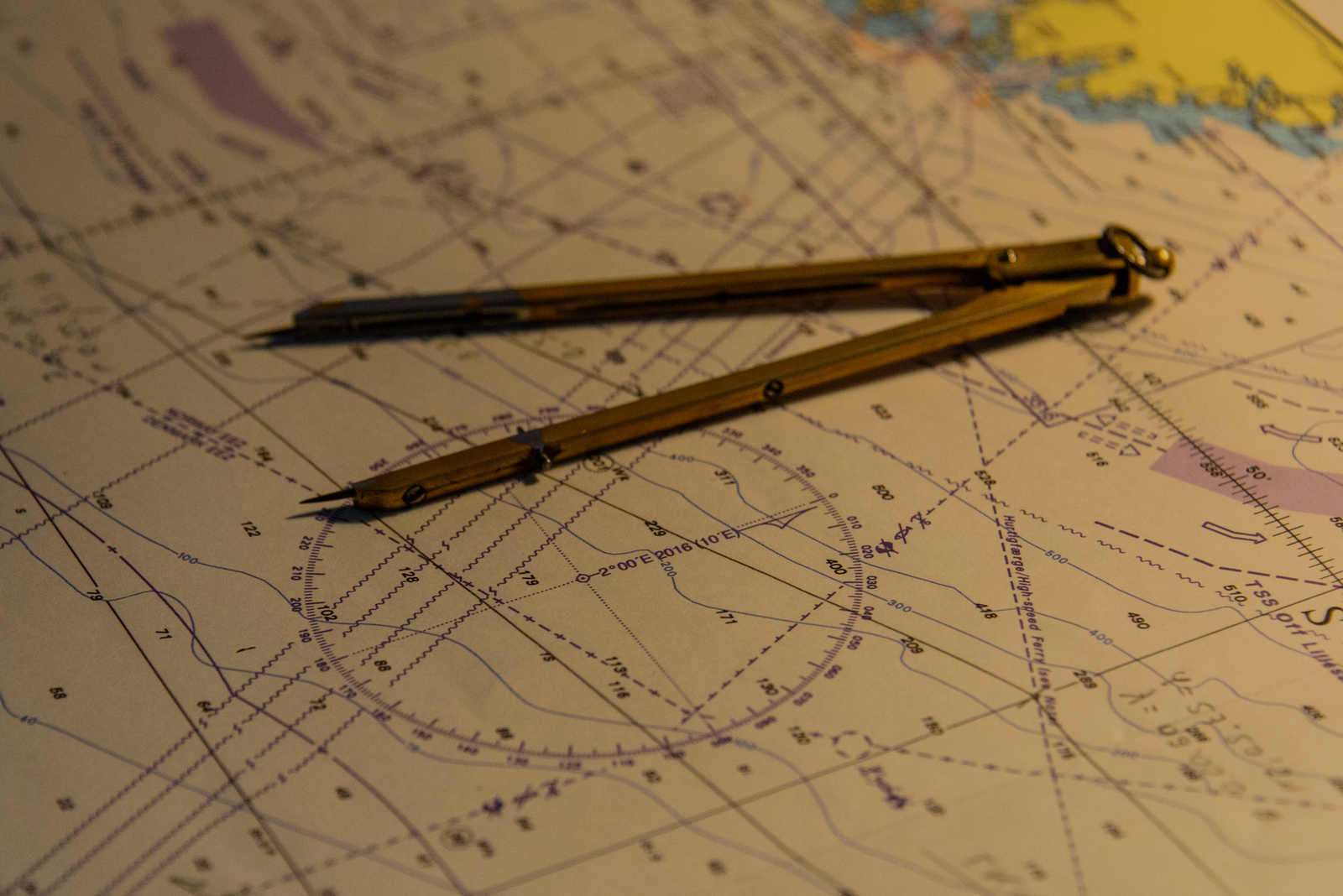

You’ve spent months getting licensed and thousands of dollars on your boat. Then, opening day arrives, and you realize you’ve never actually planned where to take customers.
This scenario destroys new charter businesses before they get started. A solid route plan creates repeatable experiences that generate profits, satisfy customers, and build your reputation.
Your route plan is your business blueprint. It determines marketing messages, maintenance schedules, and operational standards.
Amateur captains make up routes as they go, which leads to inconsistent experiences and operational chaos. Professional captains develop documented, tested routes that work reliably across different conditions.
A proper route plan reduces captain stress by eliminating daily decision-making. You know exactly where you’re going, how long it takes, and what to do if conditions change. This confidence shows in your voice and mannerisms, reassuring nervous passengers.
Consistency builds reputation. When customers describe your trip to friends, you want those descriptions to match your marketing. Random routes lead to random reviews, while planned routes create predictable excellence.

Captain Sarah learned about the power of standardization through experience. She developed three standard routes for her dolphin tour business. Each has specific highlights, timing, and narrative points.
Customers get consistently great experiences whether she’s running the trip or her relief captain is. This consistency has built her business entirely through referrals.
Route planning also protects your business legally and financially. Documented routes prove professional operation for insurance claims. They demonstrate safety consciousness to authorities and help train crew while maintaining standards during growth.

Your route plan must answer every operational question before it arises. Start with basic information: trip name, duration, and vessel requirements. “Sunset Wildlife Cruise: 90 minutes” tells everyone what to expect.
Document your start and end locations with critical details. Include dock depth at various tides, approach bearings, and cleating positions. Note parking availability, restroom access, and passenger loading zones.
These details matter when training crew or handling unusual situations. One missing detail can derail an entire trip.
Captain Mike learned to include specific notes after several scheduling problems. His route cards now show markers like “Pass marker 12 at 20 minutes” and “Begin wildlife narration at osprey platform.” These benchmarks keep trips on schedule regardless of distractions.
Identify specific hazards along your route. Mark shoals that appear at low tide, areas with strong cross-currents, and zones with heavy recreational traffic. Include seasonal variations, such as winter sandbars or summer swim areas.
Build in customer experience elements throughout the route. Where will you slow down for photos? When do you tell which stories? Where should music play versus maintaining quiet for wildlife watching? These touches turn boat rides into memorable experiences.
No single route works in all conditions. Professional operators develop multiple versions of each trip, allowing consistent operation across varying weather and tides.
Your primary route operates in ideal conditions: light wind, moderate tide, clear visibility. This route showcases the best your area offers and serves as your marketing standard. But ideal conditions rarely last entire seasons.
Create a protected route for windy days. This version might hug shorelines, use barrier islands for protection, or explore rivers instead of open water. Same duration, different path, comparable experience.
Captain Tom perfected this approach for his harbor tours. His morning route crosses open water to visit an offshore lighthouse when conditions allow, while his afternoon route explores protected backwaters when winds typically build. Both routes take 90 minutes and satisfy customers, but each suits different conditions perfectly.
Develop an abbreviated route for mechanical issues or passenger problems. If someone gets seasick 30 minutes out, you need a dignified way to return. Plan for these contingencies before you need them.
Never run paying customers on untested routes. Take friends or family on complete dry runs during different conditions. Time each segment precisely and note problems.
Document fuel consumption at various speeds and passenger loads. Six passengers might increase fuel burn by 20 percent. Running at 18 knots instead of 22 might save enough fuel to add another trip daily. These details influence your profitability.
Track actual versus planned timing. That five-minute photo stop might consistently run eight minutes. The no-wake zone might add more time than expected. Adjust your plan based on reality, not optimism.
Captain David learned this lesson after receiving customer complaints about rushed endings. He thought his sunset cruise route took 90 minutes, but testing revealed that passenger boarding and docking added an extra 15 minutes. He adjusted his marketing and pricing to eliminate the rushed endings that had spoiled the experience.
Record the environmental factors that affect each route segment. Note where afternoon chop develops, which areas get buggy at sunset, and where glare blinds passengers at certain times. Use this information to refine your routes seasonally.
Develop a captain’s reference card for each route. This single page contains the operational details you need to run the trip successfully. Laminate it for durability and keep copies aboard.
Include a visual route map using screenshots from navigation apps or hand-drawn charts. Mark waypoints, timing notes, and hazard areas. Add photos of tricky dock approaches or landmark features for crew training.
Create a trip preparation checklist specific to each route. Different routes might require different equipment, fuel levels, or passenger briefings. Your sunset cruise needs different preparation from your fishing charter.
Write a standard passenger briefing for each route. Include safety information, trip highlights, and comfort suggestions. Consistent briefings project professionalism while delivering important information.
Captain Amy maximized her route cards’ value by making them dual-purpose. The same map that shows her scenic tour helps customers understand what they’re booking. She uses these materials in marketing and confirmation emails, which builds trust and sets appropriate expectations.
Rigid plans break under real-world pressure. Build flexibility into your routes while maintaining structure and standards.
Identify decision points where you can adjust based on conditions or passenger preferences. You might extend wildlife viewing if dolphins are active, or skip the lighthouse if seas are rough. Mark these options on your route plan.
Develop standard explanations for route changes. “We’re taking the scenic creek route today for a smoother ride” sounds better than admitting rough conditions. Passengers appreciate captains who adapt confidently rather than apologetically.
Create modular route segments you can mix and match. A 30-minute dolphin search segment might combine with a 30-minute sunset positioning segment and a 30-minute return cruise. Modular planning helps you adapt quickly without losing structure.
Captain Joe perfected modular routing for his wildlife tours. Because his area has unpredictable animal sightings, his route plan includes three search areas, each with a time allocation. He can spend more time where animals appear without disrupting his schedule.
As your business grows, you’ll need relief captains or crew who can maintain your standards. Documented routes make this transition possible.
Write routes as if explaining them to someone who’s never been on your boat. Include specific throttle settings, radio frequencies, and dock approach angles. Details that seem obvious to you might challenge others.
Create progressive training steps that build competence and confidence. First, they observe you running the route. Next, they run it with you aboard, providing guidance. Finally, they run it solo while you monitor from shore.
Include troubleshooting guides for common problems. What if the usual dock is occupied? How do you handle a medical emergency at various route points? Who do you call if the engine overheats near the inlet? Answer these questions ahead of time.
Captain Mike successfully scaled his business by documenting his routes. He hired his first mate last season, and using his detailed route plans, she learned three standard trips in two weeks. Now she runs morning trips while he handles afternoon charters, doubling his business capacity.
Your route plan provides natural marketing content. Use route maps in brochures and websites. Share waypoint photos on social media. Describe highlights in booking confirmations.
Different routes appeal to different customers. Family routes emphasize calm water and short duration. Photography routes focus on lighting and wildlife. Fishing routes highlight productive spots and seasonal patterns. Clear route descriptions help customers choose the right route.
Seasonal route variations create marketing opportunities. “Spring Migration Tours” and “Summer Sunset Cruises” sound more appealing than generic “boat rides.” Route-based marketing sets expectations and demonstrates professionalism.
Use passenger feedback to refine routes and marketing. If everyone photographs the same lighthouse, make it a featured highlight. If families love the shallow sandbar stop, emphasize it in family-focused advertising.
Routes require regular updates to account for environmental changes, regulations, and customer feedback. Schedule quarterly route reviews to incorporate lessons learned.
Track customer comments about specific route segments. Multiple mentions of seasickness in a single area may demand a route adjustment. Consistent photo-taking at certain spots suggests slowing down or improving narration there.
Monitor environmental changes that affect routes. New construction might create eyesores or navigation hazards. Shifting channels might open new opportunities or close old ones. Stay aware and adapt accordingly.
Update documentation whenever you make changes. Old route cards create confusion and mistakes. Date each version and remove outdated copies from circulation. Maintain a master file with current routes.
Captain Sarah maximizes her winter downtime to improve routes. She reviews routes every winter during the slow season. She incorporates customer feedback, adjusts for regulation changes, and tests modifications before spring bookings begin.
This continuous improvement keeps her trips fresh and ratings high.
Your charter route plan is your business’s operational foundation, affecting safety and profitability. Invest time developing, testing, and documenting routes that showcase your professionalism.
Success comes from preparation, not luck. The captains who build thriving charter businesses plan meticulously, execute consistently, and adapt intelligently.
Start with one well-planned route. Test it. Document it. Then build your business on that solid foundation.
Ask a question, share an experience, or add a helpful tip related to this article. Comments may appear after review to prevent spam.
Unlock 24/7 access to Navi, an AI instructor trained on MLS course material, so you can ask questions, run practice quizzes, and nail your captain’s exam.


Learn what questions to ask and how to prepare for a captain’s license drug test to ensure you avoid the most common application delays.
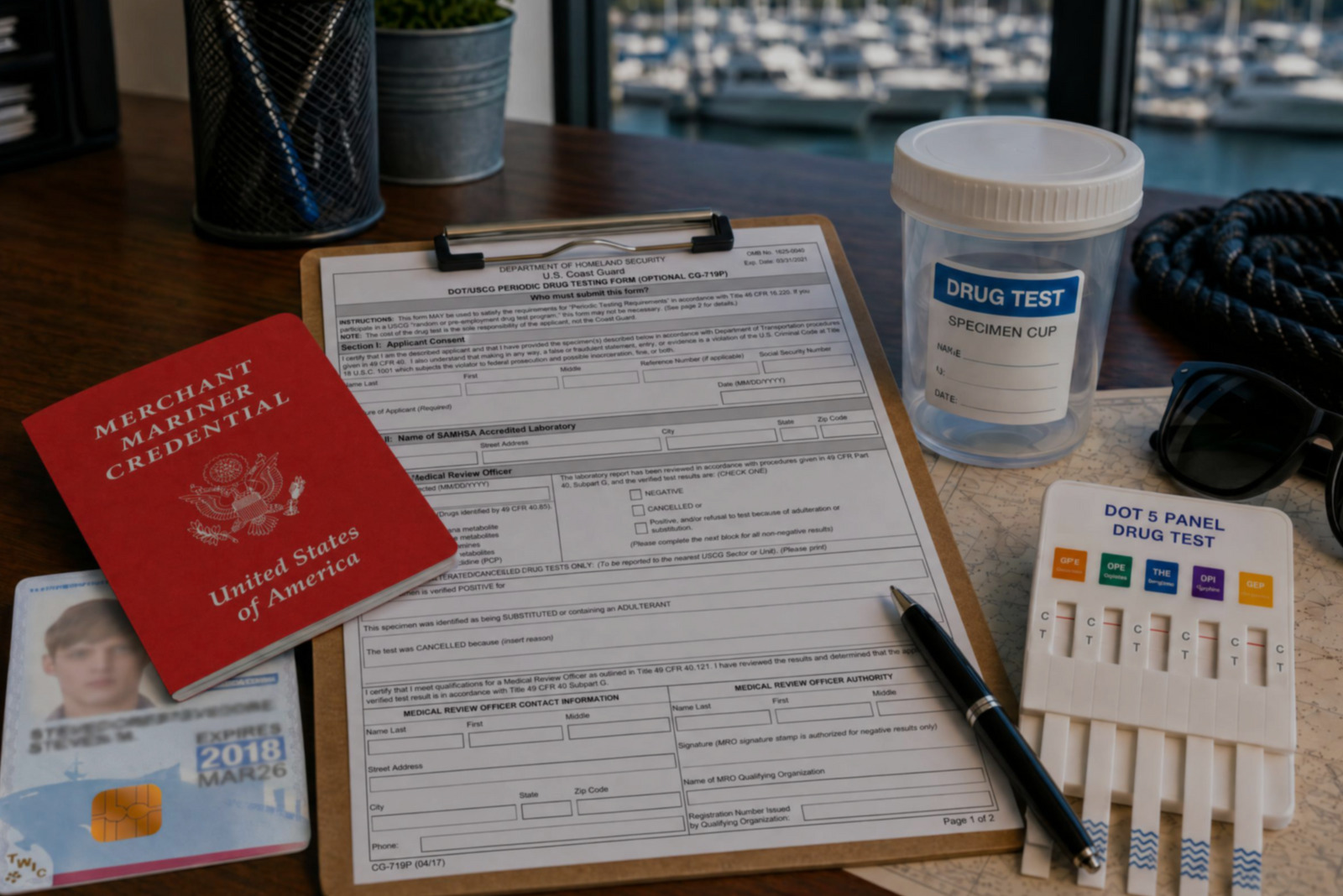

Discover the three types of drug tests working captains must submit to even after they’ve met the initial USCG drug testing requirements for their license.
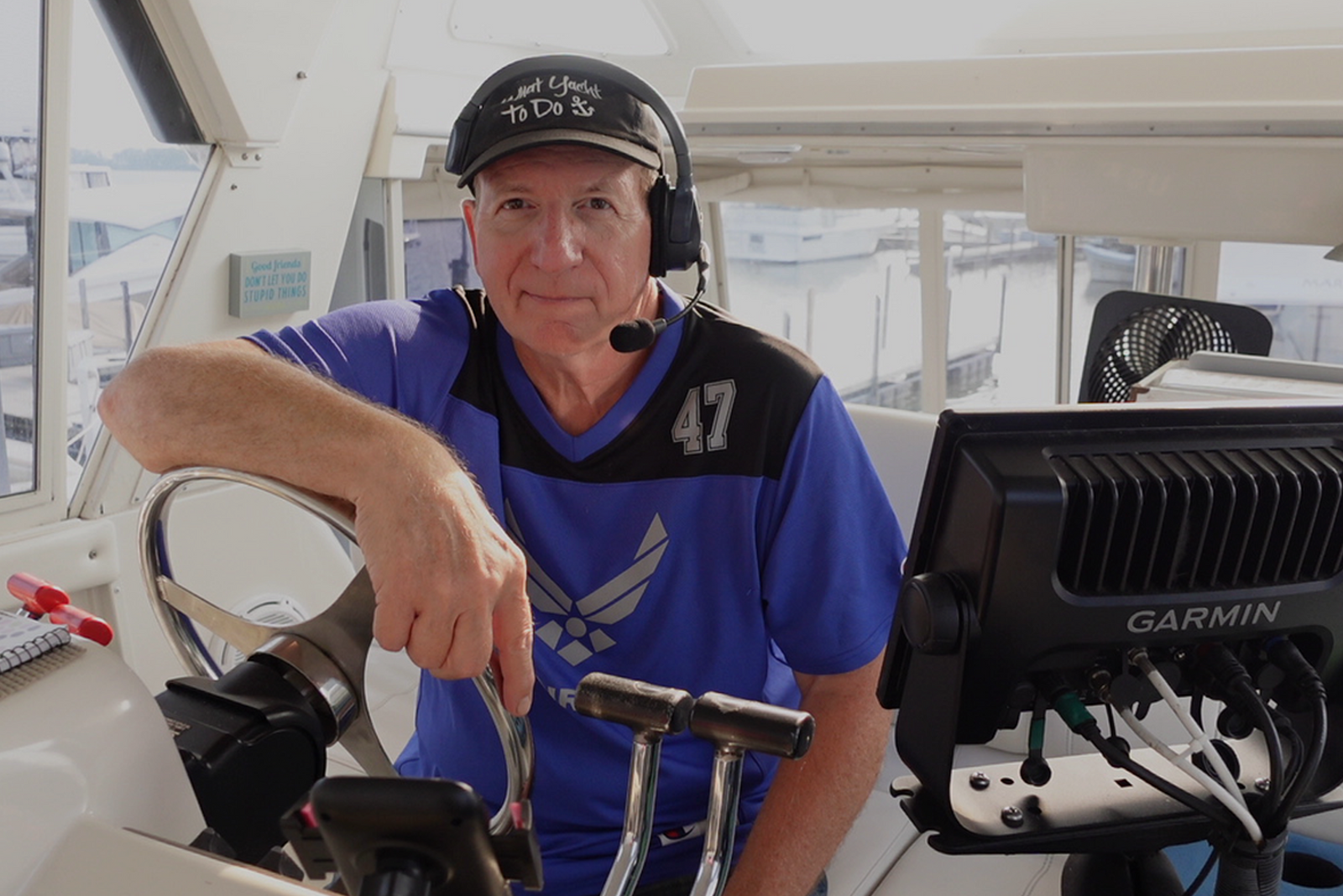

Discover how a retired airline pilot became obsessed with the Great Loop and built a thriving captain training business through Mariners Learning System.


Learn which substances the MMC drug test looks for, plus how masking agents and false positives factor in.


Discover the five most common mistakes mariners make on the captain’s license physical, plus a checklist for how to avoid them.

Discover why so many charter captains run out of money and how to plan every startup cost from your vessel purchase to guest-ready outfitting.

Learn how to build a charter business plan that covers pricing, expenses, and marketing so your captain’s license leads to lasting profit.

Transform how you talk about price with proven anchoring strategies and value-first framing that stops charter guests from shopping around.

Discover how charter captains use hybrid pricing models and seasonal adjustments to increase revenue and simplify bookings for every guest type.