

Meet Navi: Your 24/7 AI Instructor Inside the MLS Classroom
Unlock 24/7 access to Navi, an AI instructor trained on MLS course material, so you can ask questions, run practice quizzes, and nail your captain’s exam.


A guest mentions your boat’s ladder is tricky. Another wishes the trip were longer. A third says parking confused them.
Most captains nod politely and forget these comments by tomorrow. Professional operators recognize these moments as free consulting from the people who matter most: paying customers.
Feedback is your most affordable improvement tool. It costs nothing to collect and pays dividends when applied strategically.
The feedback you need isn’t always the feedback you get naturally.
Happy guests often stay quiet. They enjoyed themselves, but they didn’t think to mention what made the difference. Without prompting, you misunderstand your strengths.
Unhappy guests might smile and leave silently, then post negative reviews later. They avoid confrontation but share their frustrations online, where prospects can see them.
Captain Mike learned this after finding a two-star review from seemingly satisfied guests. They never mentioned their seasickness during the trip. Had he known, he could have adjusted course or offered remedies.
Cultural politeness masks the truth. Many people won’t criticize directly, especially in the South or Midwest. “Everything was fine” might mean “several things bothered me.”
The most valuable feedback, specific improvement suggestions, rarely volunteers itself. Guests assume you know your business better than they do.

Feedback arrives through multiple pathways. Each tells part of the story.
Comments during your charter provide real-time intelligence. “Is it always this bumpy?” signals discomfort. “Where’s the bathroom again?” suggests unclear initial instructions.
Captain Sarah keeps a mental feedback file during trips. Quick observations become improvement projects later. Three guests asking about shade led to the installation of a bimini extension.
Body language speaks volumes. Crossed arms might indicate coldness or defensiveness. Frequent position changes suggest discomfort. Phone fixation could mean boredom.
Questions reveal gaps. When multiple guests ask the same question, your communication needs to be adjusted. “What time do we return?” means you haven’t set clear expectations.
Online reviews contain unfiltered opinions. Guests write more honestly behind keyboards than face-to-face.
Pattern recognition matters more than individual reviews. One complaint about parking might be an anomaly. Five mentions require action.
Captain Tom analyzed fifty reviews and discovered unexpected insights. Guests consistently praised his safety briefing, which he considered routine. He now highlights his “comprehensive safety orientation” in his marketing.
Read between the lines. “The captain was knowledgeable” might mean that narration was the trip’s highlight. “Booking was easy” suggests your competition makes it difficult.
Actions are stronger than words.
Rebooking immediately indicates exceptional satisfaction. Waiting months suggests an adequate but not memorable experience. Never returning despite local residence signals problems.
Captain Lisa tracks booking-to-trip intervals. Guests who book far ahead value planning and preparation. Last-minute bookers want simplicity. She adjusted her confirmation emails accordingly.
Referral patterns matter. When someone sends multiple friends, discover what they’re saying. Their word-of-mouth message might differ from your marketing.
Tipping tells the truth. Generous tips mean you exceeded expectations. Standard tips suggest satisfactory service. No tip might indicate unresolved dissatisfaction.
Structured surveys extract specific insights that casual conversation misses.
Keep surveys brief: five questions maximum. “What was your favorite part?” reveals strengths. “What would you change?” uncovers improvements. “Would you recommend us?” gauges true satisfaction.
Avoid leading questions. “How amazing was your trip?” presumes positivity, while “How was your trip?” invites honesty. Neutral phrasing generates useful responses.
Guests share more when they feel heard and valued.
Build rapport before seeking input. Guests who like you will help you improve.
Captain Jack uses casual check-ins: “How’s everyone doing so far?” instead of “Any complaints?” Positive framing encourages honest sharing.
Create safe feedback moments. While stopped for photos, say, “This is my favorite part. What’s been yours?” Natural conversation reveals preferences.
Acknowledge feedback immediately. “That’s a great point about the sun. Let me adjust our position” shows you value input and take action.
Normalize the feedback process. “I’m always looking to improve these trips. What would make this even better?” positions feedback as helpful, not critical.
Make feedback convenient. The easier you make it, the more you’ll receive.
Text messages work well for simple requests. “Thanks for joining us! Quick question: What was the highlight of your trip?” gets a better response than lengthy emails.
Captain Pete includes feedback cards on his boat. While guests gather their belongings, they often complete them. Physical cards feel less intrusive than digital surveys.
Incentivize thoughtfully. “Share your feedback and receive 10% off next time” encourages response without seeming desperate.
Raw feedback needs analysis to become actionable intelligence.
Single opinions might reflect individual preferences. Repeated themes demand attention.
Captain Carl tracks feedback in a spreadsheet. Categories include safety, comfort, narration, timing, and value. Patterns emerge clearly after twenty entries.
Weight feedback by source. A regular customer’s suggestion carries more weight than a one-time visitor’s complaint. Your ideal client’s opinion matters most.
Consider context. Bad weather generates comfort complaints. Holiday crowds create parking problems. Filter temporary issues from systemic ones.
What guests say often masks what they mean.
“The trip was too short” might mean the pacing felt rushed, not actual duration problems. “The captain talked a lot” could indicate wrong content, not excessive quantity.
Specificity indicates importance. Detailed feedback about safety equipment shows genuine concern. Vague complaints about “the vibe” suggest mismatched expectations.
Turn feedback into specific improvements:
Captain Bill creates improvement lists from feedback clusters. Each quarter, he implements the top three suggestions and monitors results.
Your response becomes part of your marketing.
Thank reviewers by name. Mention specific details they shared. Invite them back.
“Thanks, Jennifer! We’re glad you enjoyed seeing the osprey nest. Those morning tours really do offer the best wildlife viewing. We’d love to have your family again!”
Captain Emma varies her responses to avoid sounding robotic. Each reply feels personal while maintaining professionalism.
Highlight what they loved for future readers. If they praised your safety focus, emphasize it. If they enjoyed your stories, feature that aspect.
Stay calm and professional. Future customers judge your character by these responses.
Acknowledge without admitting fault: “We’re sorry your experience didn’t meet expectations. We strive for excellence on every trip.”
Address specifics briefly: “We’ve updated our parking instructions based on feedback like yours.”
Captain David never argues online. One response maximum, professional and measured. Debates make everyone look bad.
Invite offline resolution when appropriate: “Please contact us directly so we can discuss your concerns properly.”
Make improvement through feedback part of your operation’s DNA.
If you have crew, involve them in feedback collection and response.
Deckhands often hear comments captains miss. Train them to remember and report guest observations.
Captain Paul holds brief post-trip debriefs with crew. What went well? What felt off? What did guests mention?
Share positive feedback with your team. Recognition motivates continued excellence.
Let guests know their feedback matters. “Based on your suggestions, we’ve added…” shows you listen and act.
Captain Michelle features a “You asked, we listened” section in her newsletter. Guests see their impact and engage more.
Create feedback champions. Satisfied guests who see their suggestions implemented become vocal advocates.
Excellence isn’t a destination. It’s an ongoing journey guided by customer input.
Captain Frank reviews feedback monthly, looking for emerging patterns. Quarterly, he implements top suggestions. Annually, he overhauls based on accumulated learning.
Celebrate feedback, even if it’s negative. Each comment offers free insight into customer thinking.
Stay humble. You might be the captain, but guests are teachers if you listen.
Sophisticated operators extract deeper insights through strategic cultivation of feedback.
Ask guests about other charter experiences. What did they prefer elsewhere? What do you do better?
Captain Luis learned that competitors offered complimentary photos. He added this service and mentioned it as included value.
Understanding the competitive landscape through the customer eyes beats assuming from shore.
Ask about future preferences, not just past experience.
“What would make you book again?” uncovers retention drivers, while “What would you add if cost wasn’t a factor?” uncovers value opportunities.
Captain Anna learned guests would pay more for sunrise trips. She added them and they became her most profitable offering.
Different customer types value different aspects.
Families care about kid-friendliness. Couples want romance. Photographers need stability and positioning.
Captain Mark created different follow-up surveys for each segment. Targeted questions generated more relevant insights.
Track whether your feedback-driven changes actually improve outcomes.
Monitor review scores before and after implementations. Did addressing common complaints improve ratings? Captain Betty’s review average increased from 4.2 to 4.7 after implementing her top five feedback suggestions.
Track rebooking rates. Do guests who experience improvements return more often?
Measure referral frequency. Happy guests who see their feedback valued become stronger advocates.
Calculate feedback ROI. Time spent collecting and analyzing feedback versus revenue from improvements.
Businesses that systematically collect and apply feedback outperform those that don’t.
Start today. Ask one question. Track responses. Make one improvement.
Your guests hold the blueprint to your success. They’re sharing it freely. All you need to do is listen, interpret, and act.
Feedback isn’t criticism. It’s currency. Spend it wisely on improvements that matter.

Ask a question, share an experience, or add a helpful tip related to this article. Comments may appear after review to prevent spam.
Unlock 24/7 access to Navi, an AI instructor trained on MLS course material, so you can ask questions, run practice quizzes, and nail your captain’s exam.


Learn what questions to ask and how to prepare for a captain’s license drug test to ensure you avoid the most common application delays.
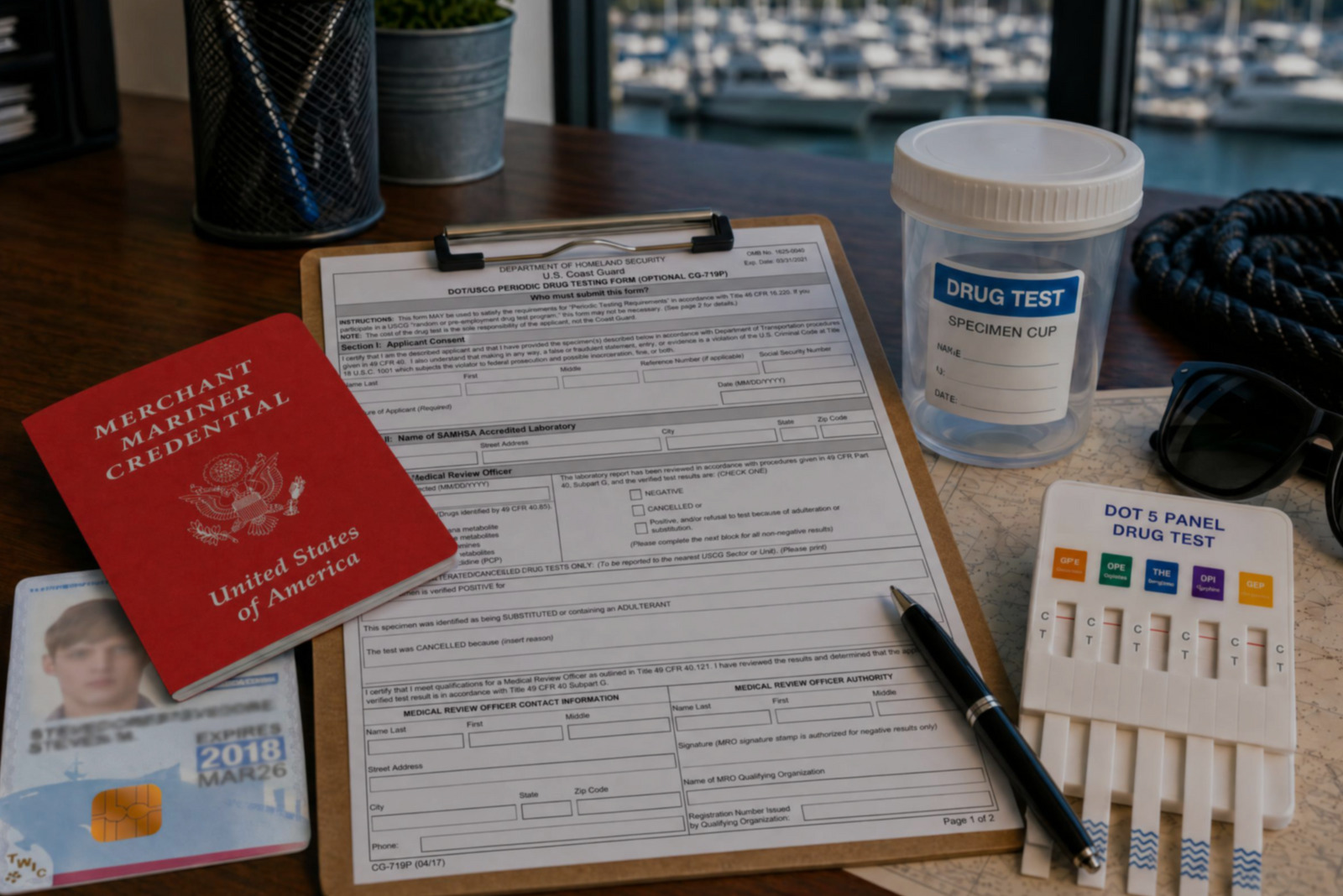

Discover the three types of drug tests working captains must submit to even after they’ve met the initial USCG drug testing requirements for their license.
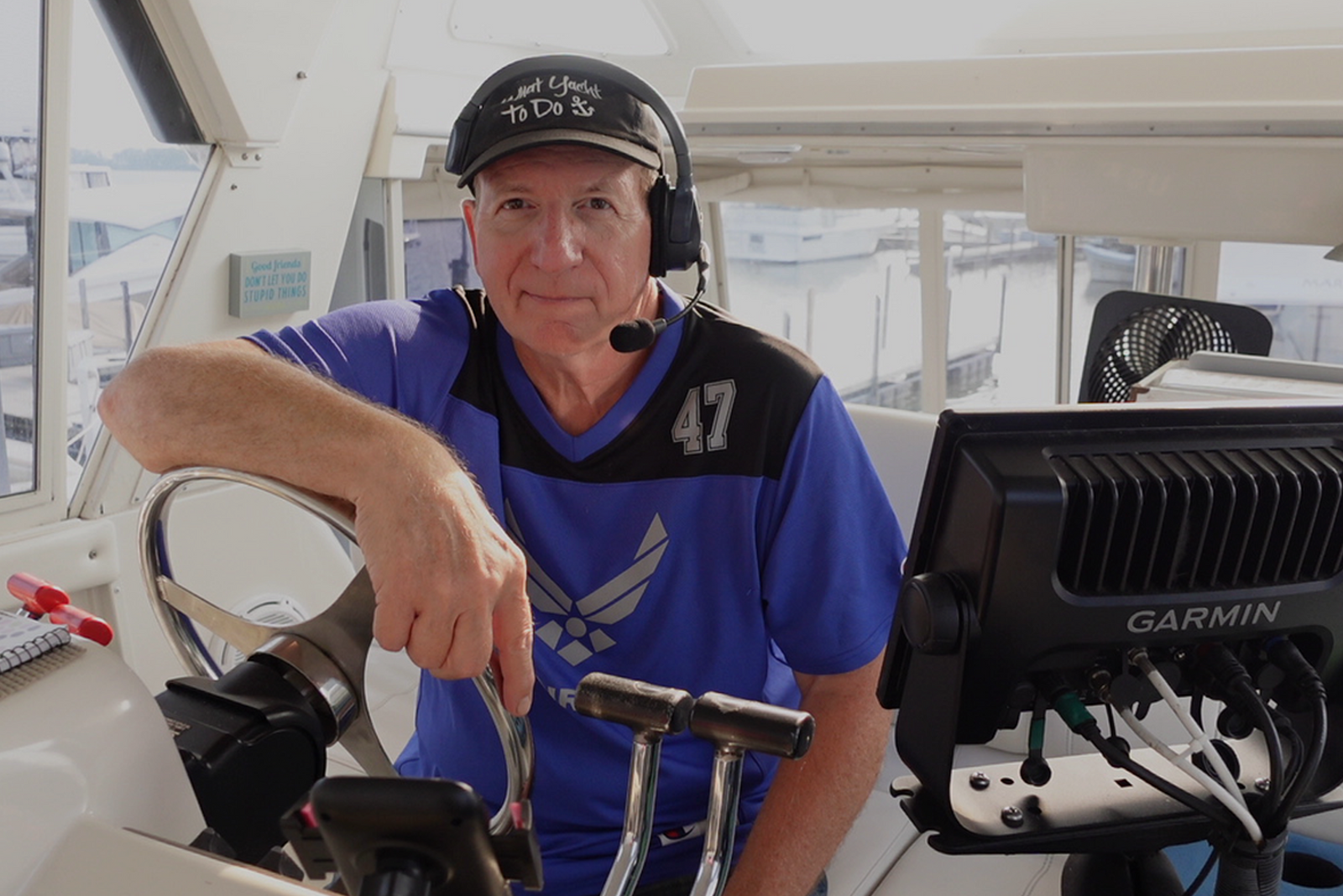

Discover how a retired airline pilot became obsessed with the Great Loop and built a thriving captain training business through Mariners Learning System.


Learn which substances the MMC drug test looks for, plus how masking agents and false positives factor in.


Discover the five most common mistakes mariners make on the captain’s license physical, plus a checklist for how to avoid them.
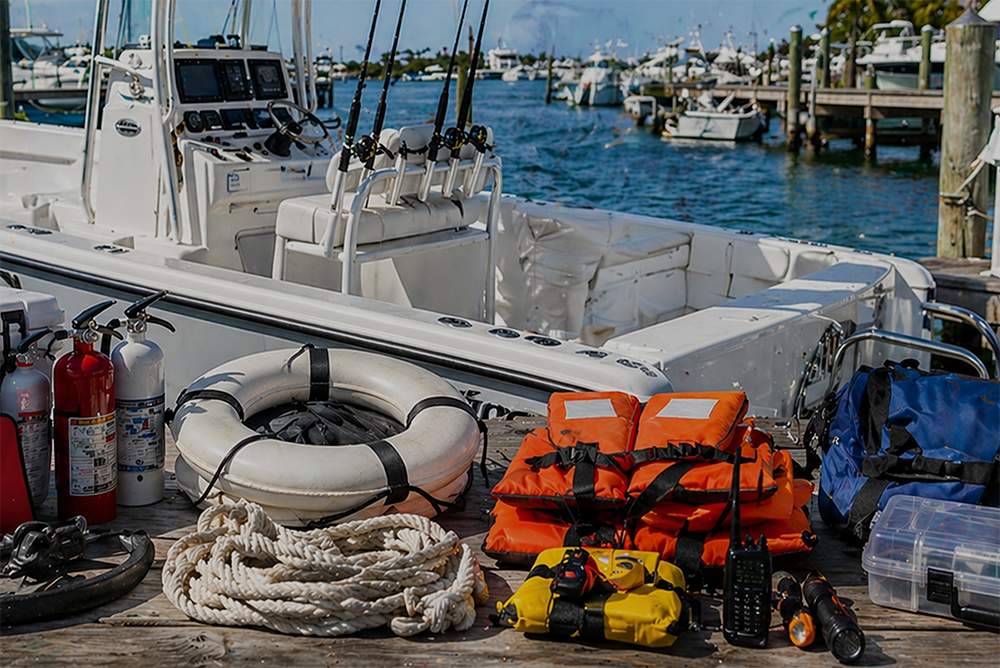

Discover why so many charter captains run out of money and how to plan every startup cost from your vessel purchase to guest-ready outfitting.

Learn how to build a charter business plan that covers pricing, expenses, and marketing so your captain’s license leads to lasting profit.

Transform how you talk about price with proven anchoring strategies and value-first framing that stops charter guests from shopping around.


Discover how charter captains use hybrid pricing models and seasonal adjustments to increase revenue and simplify bookings for every guest type.