

Meet Navi: Your 24/7 AI Instructor Inside the MLS Classroom
Unlock 24/7 access to Navi, an AI instructor trained on MLS course material, so you can ask questions, run practice quizzes, and nail your captain’s exam.


Like millions of other Americans, I live in a state where recreational and medical marijuana are now legal. Yet I’ve seen aspiring captains in my state rejected because of a drug test that showed recent marijuana usage.
Why is that?
Even if you live in a state where marijuana has been legalized, it’s only legal at the state level. Captain’s licenses are issued at the federal level. So, whether you live in New Jersey, California, or somewhere else with legalized marijuana, you still need to abstain if you plan to apply for or operate commercially with a captain’s license.
Let me explain.
A captain’s license is a federally issued credential, good in all United States waters and possessions. That means federal law — not state law — is the ultimate authority here.
Your state might have legalized recreational marijuana, but federal law still prohibits it. And the Coast Guard follows federal regulations, which means marijuana use is a strict no-go for licensed captains who operate commercially.
I’ve had students call me confused about this. They can walk into a dispensary two blocks from their house and legally buy marijuana, but they failed their captain’s license drug test due to having “just one gummy.”
The bottom line here is simple: Since your captain’s license is federal, federal rules win.

When you initially apply for your captain’s license, you of course have to pass a DOT-approved drug test. But if you plan to use your license professionally, there’s another layer to consider: random drug testing.
To operate commercially, you’re required to enroll in a random drug testing program. Your name goes into a pool with other commercial operators. At any time, you could get a call saying you have 72 hours to provide a sample.
No warning. No exceptions.
If you fail the test, you lose your license. If you refuse the test, you lose your license. It’s that simple.
If you’re getting your captain’s license purely for personal knowledge and safety and you never plan to operate commercially, you don’t have to enroll in a random drug testing program. You’ll still need to pass a drug test to earn your license, but you won’t have ongoing checks.
That said, operating a boat — even recreationally — under the influence of drugs or alcohol is illegal both federally and in all 50 states. If you get caught doing so, you may lose your license even if you aren’t operating commercially.
Students sometimes joke that the hardest part of the captain’s license course they had to study for was their drug test.
But in all seriousness, if you’re using your license professionally and are tempted to use marijuana — just don’t. You will get caught. It’s only a matter of time.
The random drug testing program exists for a reason. The Coast Guard isn’t trying to be a killjoy here; they’re trying to minimize legitimate risk on the water. They want to ensure that commercial operators are sober and capable of keeping passengers safe on the water. There’s zero tolerance for drug use.
I’ve seen captains lose their licenses over this. They thought they could get away with it, or they didn’t realize how serious the Coast Guard was about enforcement. It’s not worth risking your career and your credentials over.

So recreational marijuana use is prohibited. What about medical marijuana?
Under federal law, even medical marijuana is prohibited. The Coast Guard doesn’t recognize state medical marijuana programs when it comes to captain’s license drug testing. If marijuana shows up in your system, you fail — medical card or not.
Consider that — regardless of your medical condition — marijuana still impairs your judgment and response times when captaining a vessel. So even if it legitimately and legally helps you manage a medical condition, marijuana is a disqualifier for captains.
If this is your situation, you may be able to work with your doctor to find alternative treatments that provide relief but don’t violate federal regulations for captains.

While we’re on the topic of drug testing, marijuana isn’t the only substance that’ll get you into trouble.
The captain’s license drug test screens for:
Any of these substances will result in a failed test and disqualification from getting or keeping your license.
If you develop a condition that requires treatment with a drug on this list — opioids for pain management, for example — you won’t be able to operate as a captain while on the medication. This happened to me due to a back injury, so I simply put my license into “continuity” while I worked through the problem.
I’m not here to tell you how to live your life. But I am here to make sure you understand the requirements before you invest time and money into getting your captain’s license.
If you’re planning to operate commercially, marijuana use isn’t compatible with that goal, regardless of your state’s laws. The federal regulations are clear, and the Coast Guard enforces them strictly.
If you’re someone who takes advantage of their state’s legalized marijuana, be sure you’re honest with yourself about your intentions going forward. Because once you start operating commercially, there’s no going back. Marijuana use will undo all your hard work.
At Mariners Learning System, we want every student to succeed. That means being up front about the realities of holding a captain’s license. The captain’s license drug test requirements are non-negotiable, and understanding them from the start will save you from headaches and mishaps down the road.
Ask a question, share an experience, or add a helpful tip related to this article. Comments may appear after review to prevent spam.
Unlock 24/7 access to Navi, an AI instructor trained on MLS course material, so you can ask questions, run practice quizzes, and nail your captain’s exam.


Learn what questions to ask and how to prepare for a captain’s license drug test to ensure you avoid the most common application delays.
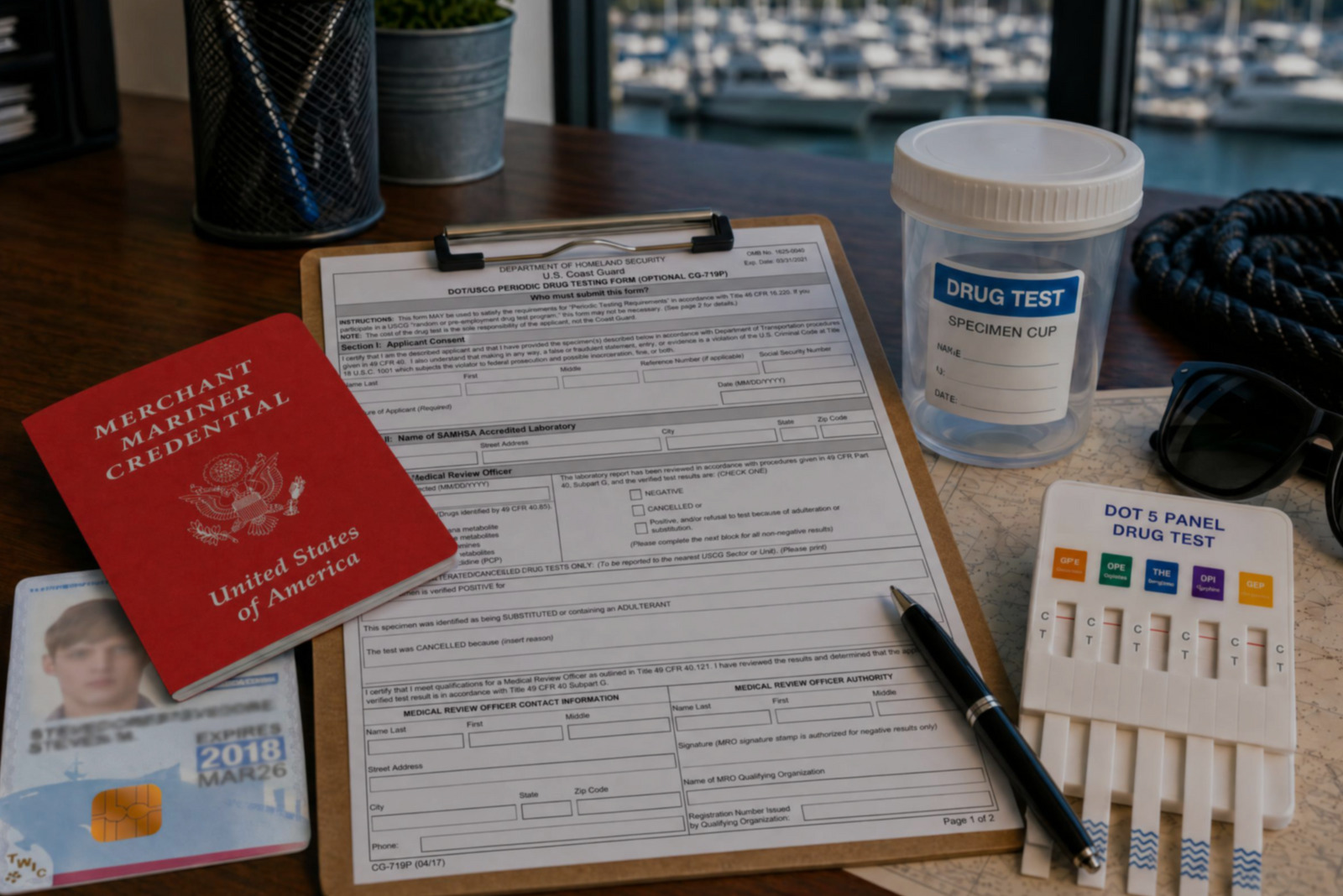

Discover the three types of drug tests working captains must submit to even after they’ve met the initial USCG drug testing requirements for their license.

Discover how a retired airline pilot became obsessed with the Great Loop and built a thriving captain training business through Mariners Learning System.
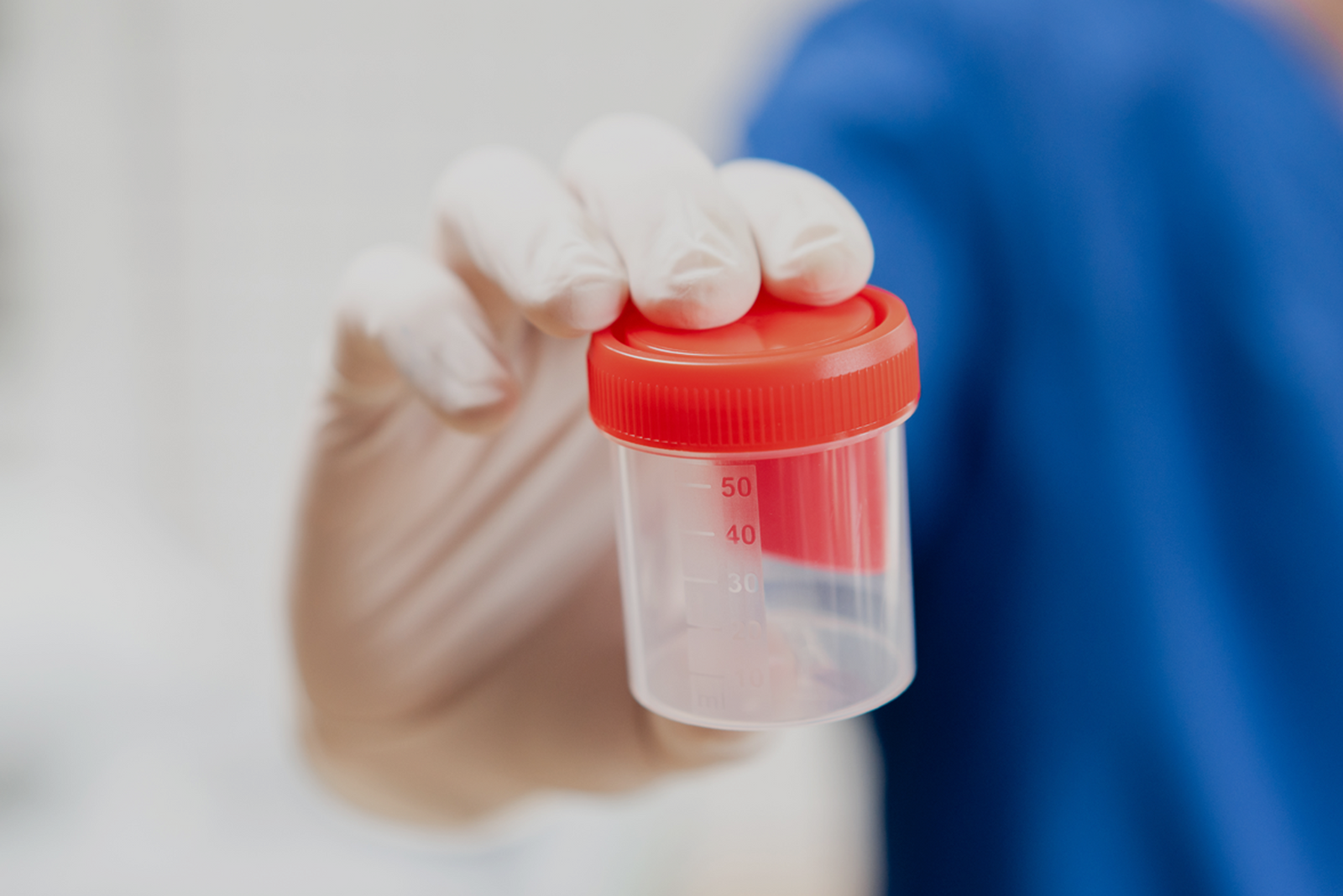

Learn which substances the MMC drug test looks for, plus how masking agents and false positives factor in.


Discover the five most common mistakes mariners make on the captain’s license physical, plus a checklist for how to avoid them.
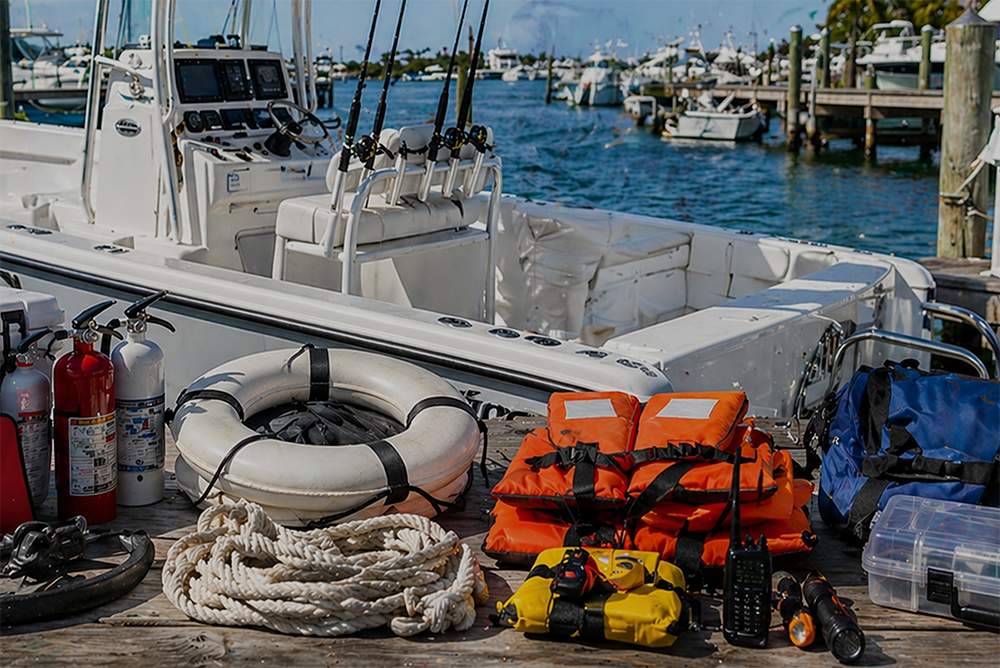

Discover why so many charter captains run out of money and how to plan every startup cost from your vessel purchase to guest-ready outfitting.

Learn how to build a charter business plan that covers pricing, expenses, and marketing so your captain’s license leads to lasting profit.


Transform how you talk about price with proven anchoring strategies and value-first framing that stops charter guests from shopping around.

Discover how charter captains use hybrid pricing models and seasonal adjustments to increase revenue and simplify bookings for every guest type.